
Reviewed · TRINCOMALEE TOURS
Nilaveli: Sri Lankan Cooking Class with a Local Family
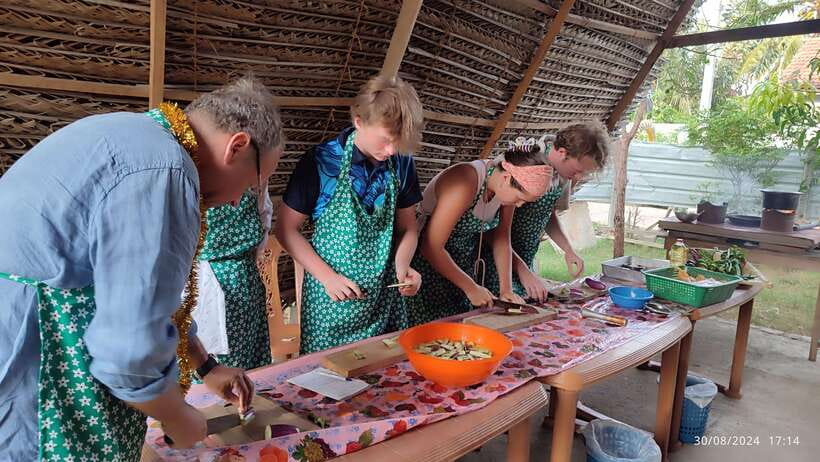
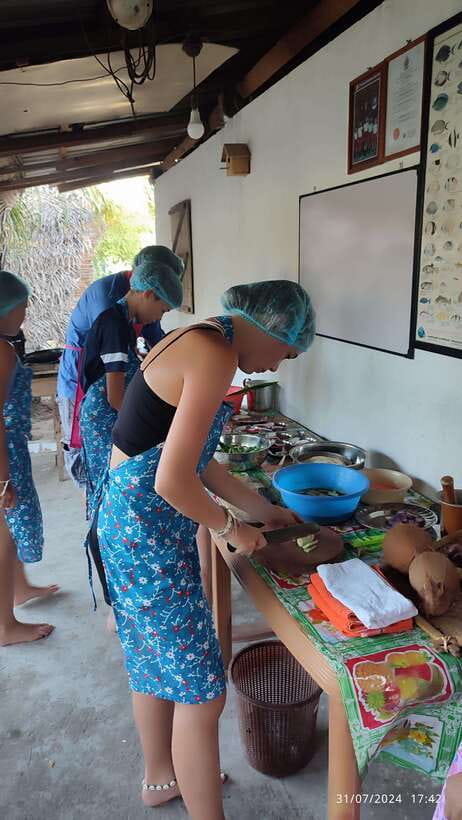
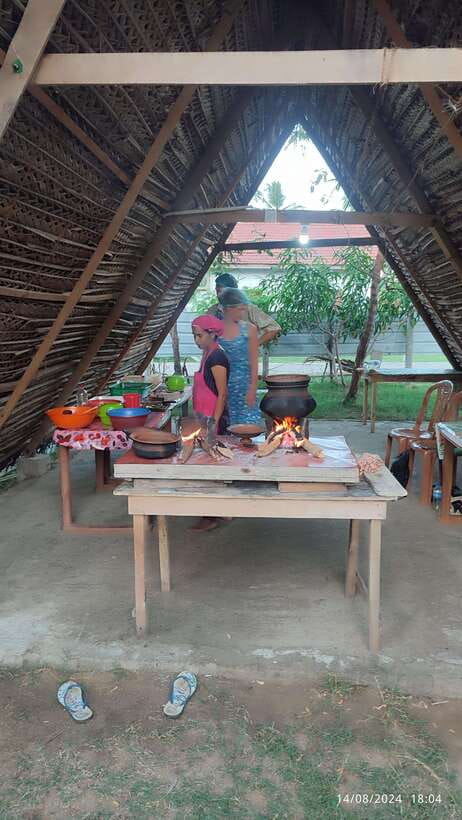
Sri Lankan food makes the most sense when you see how it is made at home. In Nilaveli, Nimali Dinushika and her family guide you through rice and curry, hoppers, string hoppers, pittu, rotti, milk rice, sambols, sweets, and curry powder. I like the family-home setting and the chance to cook with traditional wood stoves, not just watch a polished kitchen demonstration.
I also like that you can discuss what you want to prepare, including vegetarian food or extra-cost fish, chicken, and seafood dishes. The main consideration is the five-hour length, with several hours spent cooking in a traditional home setting, so wear clothes you can move in and expect heat, smoke, and hands-on work.
Key points at a glance
- Cook with Nimali Dinushika and her family: This is a personal home-based class rather than a restaurant demonstration.
- Prepare a wide range of dishes: The menu can include rice and curry, hoppers, string hoppers, pittu, rotti, milk rice, sambols, sweets, and curry powder.
- Use firewood and wood stoves: You get a close look at older cooking methods that still matter in Sri Lankan homes.
- Eat what you make: About an hour is set aside for dining after the cooking is finished.
- Choose your main ingredients: Vegetarian options are available, while fish or chicken costs an additional 2,000 LKR per person. Seafood pricing depends on the dish.
- Plan for a five-hour visit: The meeting point is at Pigeon Island Tours, beside The Rice and Curry seafood and dive shop.
A family kitchen beside Nilaveli’s tour shops
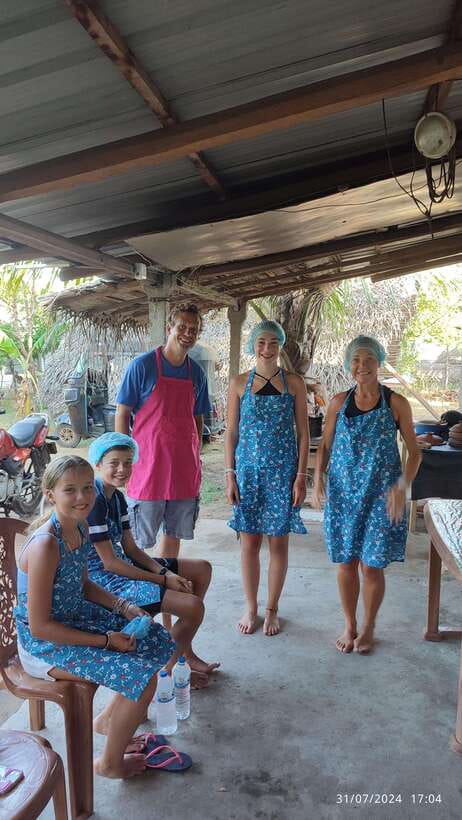
The meeting point is Pigeon Island Tours, at the same location as The Rice and Curry seafood and dive shop. From there, you cook with Nimali Dinushika and her family in a traditional Sri Lankan home setting. One account describes cooking beside the house in the family garden, which gives you a better sense of the relaxed, informal nature of the class.
This setting is the heart of the experience. You are not simply handed a recipe card and left at a work station. Nimali and her family explain the ingredients, spices, and methods as you prepare the meal. You also get a glimpse of daily family life in Nilaveli, something a restaurant meal cannot provide.
The class is conducted in English, with Sinhala also available. Since cooking instructions often depend on timing and texture, tell your host if you need a step repeated or explained more slowly. The atmosphere is intended to be friendly and participatory, and children aged four and six were able to take part during one family visit, though the official minimum age is two.
More Cooking Classes in Sri Lanka:
- Ella: Traditional Sri Lankan Cooking Class
★ 4.9 · 788 reviews - Organic cooking class sigiriya (kumara & family)
★ 5.0 · 650 reviews - Sri Lanka Cooking Class with Granny
★ 5.0 · 587 reviews
What five hours of cooking looks like
Allow roughly four hours for preparation and cooking, followed by about one hour at the table. The exact order may shift depending on the dishes you choose, but the class usually moves through several different types of Sri Lankan food rather than focusing on one curry.
You begin by meeting the family and learning about the ingredients. Sri Lankan cooking often uses coconut, rice, flour, spices, vegetables, and fresh aromatics in different combinations. This opening helps you understand why a plate of rice and curry contains several small dishes with contrasting tastes and textures.
The cooking itself is hands-on. You can expect to help measure, mix, shape, stir, and cook rather than simply stand nearby. Personal cooking equipment and all basic ingredients are provided, along with water and a refreshment.
The traditional wood stove adds character, but it also changes the practical feel of the class. Heat and smoke are part of the setting, and the pace may be less predictable than in a modern kitchen. That is useful if you want an honest look at local cooking methods, but less suitable if you prefer a cool, tidy, tightly timed cooking school.
Rice and curry, the main lesson
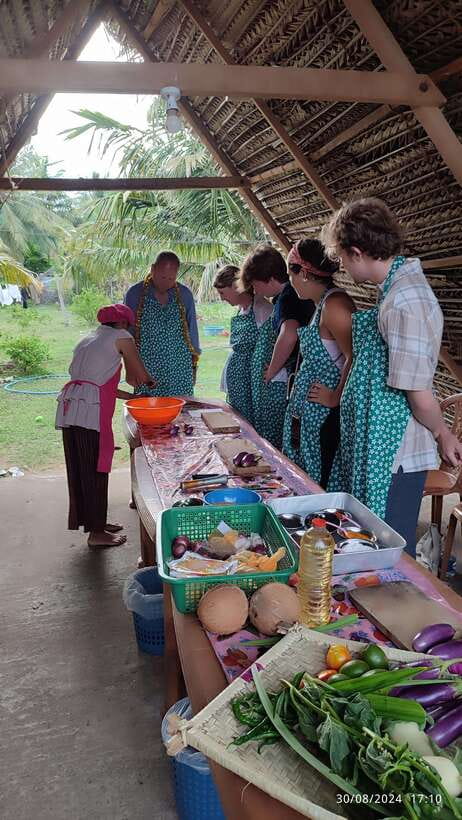
Rice and curry is not one fixed recipe. It is a meal built from rice, a main curry, smaller vegetable dishes, sambols, and other accompaniments. This class lets you see how those parts come together instead of treating curry as a single sauce.
You may prepare several curries and sides, depending on your food preferences and the ingredients arranged for the day. Vegetarian cooking is available. Fish and chicken curry can be added for 2,000 LKR per person, while seafood dishes cost extra according to what you request.
That extra charge is worth considering when comparing the price. The advertised cost is $22 per person, which covers the cooking experience, ingredients, recipes, equipment, refreshments, and the meal. If you want seafood or meat, ask about the added cost before the session begins so your final budget is clear.
The value is strongest if you want a full meal and practical instruction. You are paying for five hours of contact with a local family, not just food on a plate. If you only want to taste Sri Lankan cooking, a restaurant meal will take less time and cost less effort. If you want to understand how the dishes are made, the class offers more.
Hoppers, string hoppers, pittu, and rotti
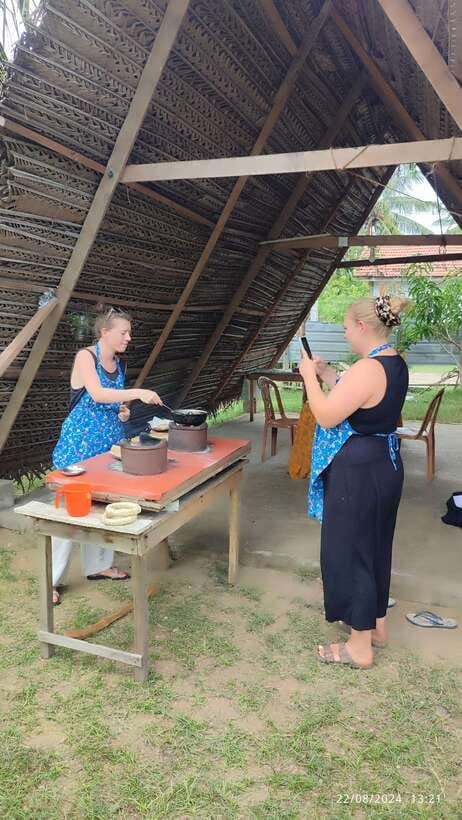
The class covers several Sri Lankan staples, each with a different texture and cooking method.
Hoppers are bowl-shaped pancakes, usually made from a fermented batter. Their thin edges and soft center make them a good lesson in batter consistency and heat control. You may also learn to make sweet hoppers, depending on the menu agreed with Nimali.
String hoppers are delicate nests of pressed rice flour noodles. They are often served with curries and sambols, so preparing them shows how Sri Lankan meals combine mild starches with stronger sauces and coconut-based sides.
Pittu is another rice flour and coconut dish, with a crumbly, steamed texture. Rotti provides a more bread-like contrast. Making both helps you see how the same basic pantry staples can produce very different foods.
Milk rice, known locally as kiribath, is another possible dish. It is made with rice and coconut milk and is commonly associated with special occasions and family meals. Here, it adds a simple but meaningful part of Sri Lankan food culture to the menu.
You should not assume every dish will appear in exactly the same combination. The class includes a broad selection, and the food may be adjusted around your preferences. Ask at the start if there is one item you especially want to learn.
More workshops and classes in Sri Lanka:
- Galle: Traditional Gems & Jewellery Workshop with Transfers
★ 4.9 · 539 reviews - Kandy Village Cooking Class
★ 5.0 · 536 reviews - Sea waves sri lankan cooking class
★ 5.0 · 467 reviews - Ella: Sri Lankan Cooking Class with Neranji at Homestay
★ 5.0 · 276 reviews
Sambols, sweets, and curry powder
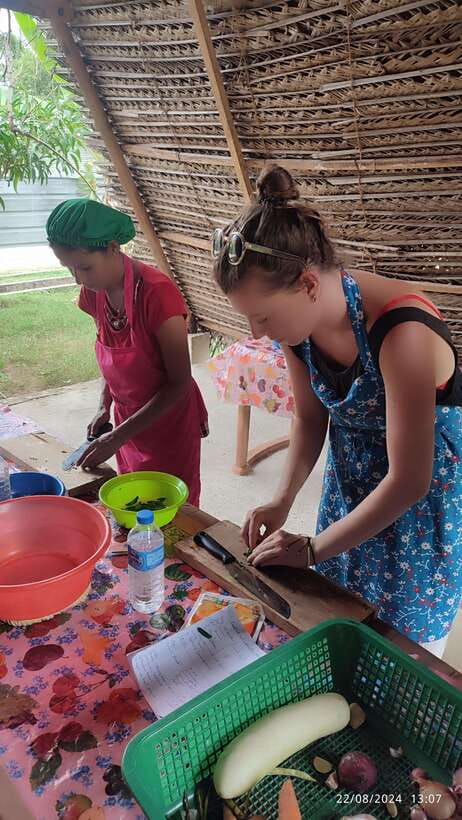
Some of the most useful lessons may come from the smaller items. Sambol adds heat, acidity, coconut, or freshness to a meal, and making it yourself shows how a few ingredients can change the character of rice and curry.
One family prepared two sambols using a fresh coconut. A coconut had recently fallen from a palm, and the participant was able to open it with a billhook and drink the water before using the flesh in the food. That is a memorable detail, but it should be seen as an occasional possibility rather than a promised part of every class.
Sri Lankan sweets are also included in the cooking program. Halapa, a traditional sweet made with a leaf-wrapped mixture, was prepared during one class and served with tea. The combination of a warm sweet and tea gives the meal a pleasant finish.
You may also learn how to make curry powder. This is especially useful if you want to repeat the dishes at home, since the spice blend can be more important than any single ingredient. Recipes for the traditional dishes are provided, so you can keep working with the methods after you leave Sri Lanka.
Choosing the menu and paying for extras
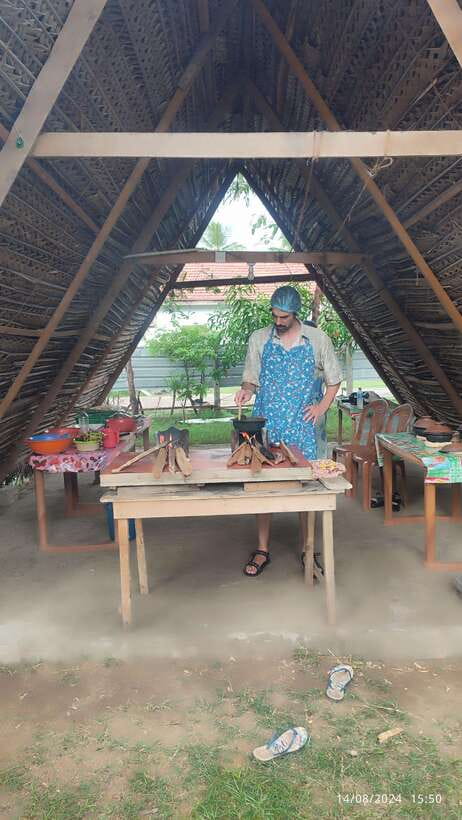
The menu is not presented as a rigid list. You can discuss the food you want to cook, with vegetarian, fish, and meat preferences taken into account. One booking group chose dishes such as hoppers, sweet sambol, pittu, chicken curry, prawn curry, and halapa.
Because fish, chicken, and seafood carry extra charges, be specific about your choices. Fish or chicken curry costs an additional 2,000 LKR per person. Seafood has a separate price based on the requested dish, so ask for the current amount before agreeing.
Tell Nimali about allergies and dietary restrictions in advance. The experience is not considered suitable for people with food allergies, and the information provided specifically asks you to disclose restrictions before arrival. If you have a serious allergy, you should treat this as a firm safety concern rather than assume substitutions will be possible.
Vegetarians have a clearer fit, since vegetarian food is available. Still, explain what you do and do not eat before the cooking begins. That gives the family time to plan the ingredients and avoids confusion once several dishes are underway.
The meal at the end
After the cooking, you sit down and eat the food prepared during the class. About an hour is set aside for dining, so this is not a quick taste at the counter. It is the point where the separate dishes make sense as a Sri Lankan meal.
You may have rice, several curries, string hoppers, sambols, jackfruit, drinks, sweets, or other dishes selected for the session. The final spread depends on the menu, but the idea is consistent: you eat the results of your own work with the family.
This shared meal is also the most social part of the visit. The class can include people from other countries, so you may end up cooking and eating with a small mixed group. The available information does not give a fixed group size, so do not book expecting either a private class or a large workshop unless the provider confirms it.
Practical comfort and access
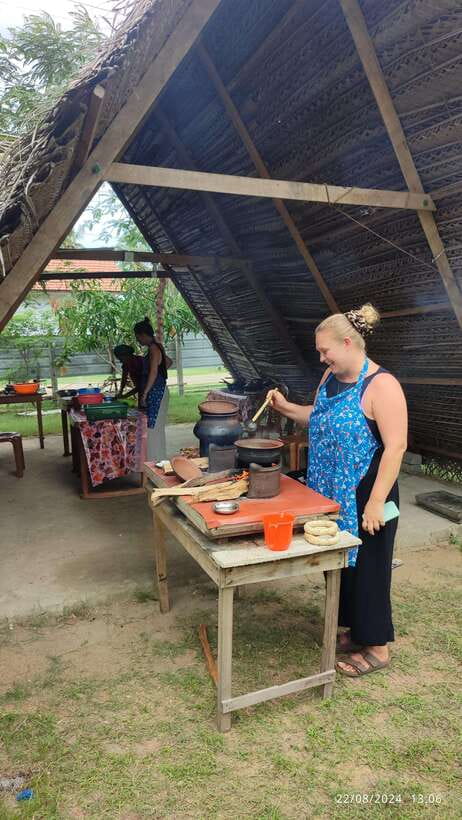
Wear comfortable clothes suitable for cooking. A hat and sunscreen are sensible, especially if part of the activity takes place in the garden or beside the house. Water and a refreshment are included, but you should still expect a warm environment around the wood stove.
Smoking, alcohol, drugs, and pets are not allowed. Hotel pickup and drop-off are not included, so you need to arrange your own way to the meeting point at Pigeon Island Tours.
The activity is wheelchair accessible according to the provided details. Since the class takes place in a traditional home setting, you may want to confirm the exact access arrangements before booking if you use a wheelchair or need a particular facility.
Free cancellation is available up to 24 hours in advance for a full refund. You can also reserve now and pay later, which helps if your Nilaveli plans may change.
Who will enjoy this class most
I would choose this class if you want contact with a local family and prefer making food to watching a chef perform. It suits curious eaters, home cooks, couples, families with young children over two, and anyone who wants recipes to use after the trip.
It is also a good match if you want to see how firewood, coconut, rice flour, and spice blends fit into everyday cooking. The family setting gives the experience a personal quality, and the five-hour schedule leaves enough time for both food preparation and conversation.
I would think twice if you dislike smoke, heat, long cooking sessions, or hands-on kitchen work. You should also avoid it if you have a food allergy, since the activity is specifically not suitable for people with food allergies.
Is $22 good value in Nilaveli?
At $22 per person, the price is fair for a five-hour experience that includes ingredients, equipment, instruction, recipes, refreshments, and dining. The strongest value comes from the amount of time and the range of food you prepare.
The price does not include transportation, shopping, or meat and seafood upgrades. A chicken or fish curry adds 2,000 LKR per person, and seafood is priced separately. Even with an added dish, the class can make sense for you if you would otherwise pay for several meals and a separate cultural activity.
The real question is what you want from your food experience. For a cheap lunch, this is not the fastest option. For a personal cooking lesson, a meal, and a look at family life in Nilaveli, it offers a solid use of half a day.
Should you book the Nilaveli cooking class?
Book it if you want to cook with a Sri Lankan family, learn several dishes in one sitting, and eat a meal built by your own hands. Nimali Dinushika’s class combines practical recipes with details such as wood-stove cooking, fresh coconut, sambols, sweets, and curry powder.
Before booking, settle three points: your food restrictions, the menu you want, and any extra cost for fish, chicken, or seafood. Bring comfortable clothes, allow the full five hours, and expect a home setting rather than a formal culinary school.
For many visitors to Nilaveli, this is a better cultural experience than another restaurant meal. It asks more of you, but it also gives you something useful to take home: recipes, techniques, and a clearer sense of how Sri Lankan food reaches the table.
FAQ
Where does the cooking class meet?
The meeting point is Pigeon Island Tours, at the same location as The Rice and Curry seafood and dive shop in Nilaveli.
How long does the activity last?
The cooking class lasts five hours. About four hours are used for cooking, followed by about one hour for dining.
Who teaches the cooking class?
The class is hosted by Nimali Dinushika and her family.
What dishes can I learn to make?
The cooking program can include rice and curry, string hoppers, hoppers, pittu, rotti, milk rice, Sri Lankan sweets, sambols, and curry powder.
Is the meal included?
Yes. Dining, cooking ingredients, water, and a refreshment are included in the experience.
Are fish, chicken, and seafood included?
Fish or chicken curry requires an additional 2,000 LKR per person. Seafood costs extra, with the price depending on the dish requested.
Is hotel pickup included?
No. Hotel pickup and drop-off are not included, so you need to make your own way to the meeting point.
What languages are used?
The activity is conducted in English, and Sinhala is also available.
Can I cancel or pay later?
You can cancel up to 24 hours in advance for a full refund. Reserve now and pay later is also available.
Recently listed around Sri Lanka
- Minneriya National Park Safari in a 4×4 Vehicle★ 4.5 · 10 reviews
- Coastal Ride to Galle from Colombo★ 4.5 · 10 reviews
- One Day Udawalawe Safari from Galle/Mirissa/Unawatuna/Hikkaduwa★ 5.0 · 10 reviews
- Ella: Safari Day Trip to Yala & Udawalawe with Lunch★ 4.7 · 10 reviews
- Sri Lanka Private Tour Pick Up & Drop Off – Colombo Intl Airport★ 5.0 · 10 reviews
- Sigiriya Village Tour and Lunch with Hotel Pick up from Sigiriya★ 5.0 · 10 reviews
- From Ella: Shuttle to Down South Any Location w Yala Safari★ 5.0 · 10 reviews
- Wasgamuwa: Wasgamuwa National Park Private 3-Hour Safari★ 4.9 · 10 reviews
Trincomalee Tours, compared.



Browse the lists this tour appears in