
Reviewed · TRINCOMALEE TOURS
From Trincomalee: Village Tour & Minneriya Elephant Safari
The best part of this long day is the change of pace. You leave the beaches around Trincomalee and head inland to Pelwehera and the rural countryside, where a bullock cart, canoe, tuk-tuk, and clay cooking stove show you daily life in a way a quick temple stop cannot.
I like the combination of home-cooked Sri Lankan food and the three-hour wildlife safari. You get time with a local family, then time in a national park watching elephants move freely. The main caution is the length: at 12 hours, this is a full, tiring day, and park entrance fees are paid separately.
Key points to know before booking
- Two very different experiences in one day: rural village life in the morning and a private wildlife drive in the afternoon.
- The village visit is simple and local: expect a real home and working countryside, not a polished cultural show.
- Several traditional rides are included: bullock cart, canoe, and tuk-tuk or hand tractor.
- The safari park can change: Minneriya, Kaudulla, or Hurulu Eco Park may be used according to elephant movements.
- The price covers plenty: private transport, activities, lunch, a guide, and a private 4×4 safari, but not park admission.
- Pickup is available around the coast: Trincomalee, Nilaveli, Uppuveli, and Kuchchaveli hotels are covered.
Leaving Trincomalee for rural Sri Lanka
Your day begins with hotel pickup in an air-conditioned vehicle. Pickup is available from Trincomalee, Nilaveli, Uppuveli, and Kuchchaveli, which makes this a useful option if you are staying along the coast rather than in central Trincomalee.
The drive takes you away from the sea and through paddy fields, reservoirs, and traditional countryside. The scenery is part of the experience, but remember that the journey is also what makes the tour possible. You are combining a village visit with a national park well inland, so this is not a short local outing.
You should wait at your hotel lobby or main entrance about 10 minutes before pickup. If your hotel sits down a narrow lane, the operator can arrange a nearby meeting point. An optional drop-off in Sigiriya, Dambulla, or nearby hotels is available if you request it ahead of time, a useful detail if this tour forms part of a larger route through Sri Lanka.
The tour is private, so you are not placed into a large shared coach group. That gives you more flexibility during the day and makes the village activities feel less crowded. The listed guide languages are English, German, and French.
More Minneriya and Kaudulla safaris:
- From Sigiriya: Minneriya National Park Private Jeep Safari
★ 4.9 · 415 reviews - From Sigiriya: Minneriya National Park Elephant Safari
★ 4.8 · 365 reviews - Private Jeep Safari at Minneriya National Park to Visit Elephants
★ 5.0 · 338 reviews
Pelwehera village: a look at everyday life
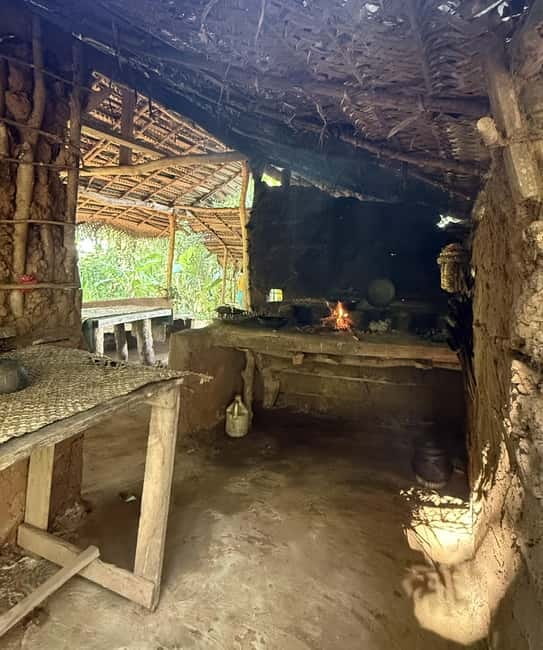
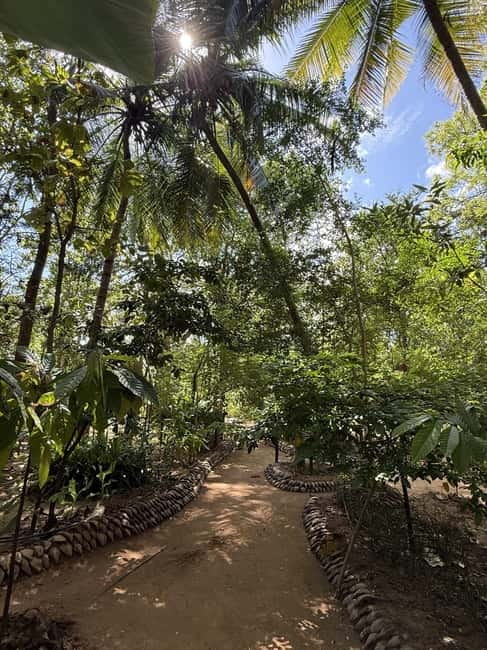
The village section lasts about two hours and is the cultural heart of the experience. This is not presented as a staged dance show or a reconstructed old village. You visit a humble rural setting where people still use familiar local forms of transport and prepare food with basic methods.
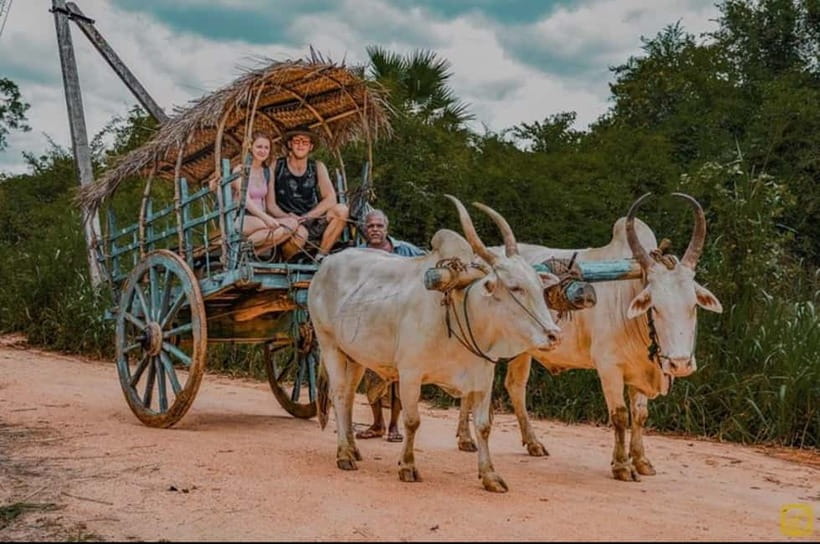
That simplicity matters. A bullock cart ride along quiet paths gives you a slow view of the countryside, with time to notice fields, homes, and village roads. It is not a thrill ride. It is a short, traditional way to move through the area and understand how different the pace is from the beach towns.
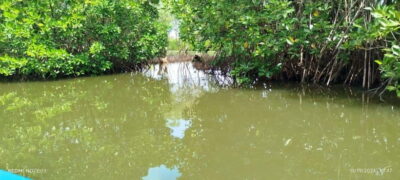
You then take a canoe across a calm village reservoir. The ride offers a peaceful break and a different view of rural Sri Lanka. Bring a hat and sunscreen, since there is little reason to expect much shade on open water.
The route continues by tuk-tuk or hand tractor, both familiar forms of transport in rural areas. The hand tractor is especially unusual for visitors because it is a working local vehicle rather than a sightseeing prop. Conditions may feel basic, and that is part of the point. You should come ready for an experience that is more practical than polished.
The village visit is best for people who want contact with daily life, food, and farming traditions. If you prefer air-conditioned attractions, fixed schedules, and formal performances, this section may feel too modest. The tour information is clear that the setting is genuine and simple.
Cooking over a clay stove
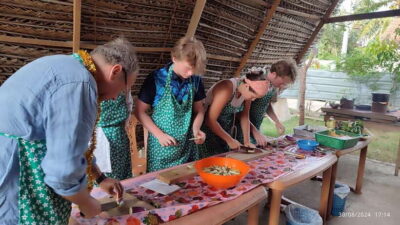
At a local home, you watch a traditional cooking demonstration using local ingredients and a clay stove. The value here is not just seeing a recipe. You get a glimpse of how a household meal is prepared with ordinary tools and familiar Sri Lankan methods.
The demonstration leads into lunch, which is cooked locally and served at the home. You can expect a traditional Sri Lankan meal rather than a Western menu, along with a local herbal drink. The food is one of the strongest reasons to choose this tour, especially if you want to understand Sri Lankan cuisine beyond restaurant rice and curry.
You may have a chance to take part in the cooking rather than simply watch. The experience description presents it as a hands-on cultural activity, though the exact dishes and level of participation can vary. Do not book this expecting a formal cooking class with printed recipes. Think of it as joining a family meal and learning by watching.
This is also the part of the day where the private format helps. A smaller party can usually ask more questions and spend a little more time with the host. The tour does not provide specific guide names, but it includes an English, German, or French-speaking local guide or host.
Optional workshops after lunch
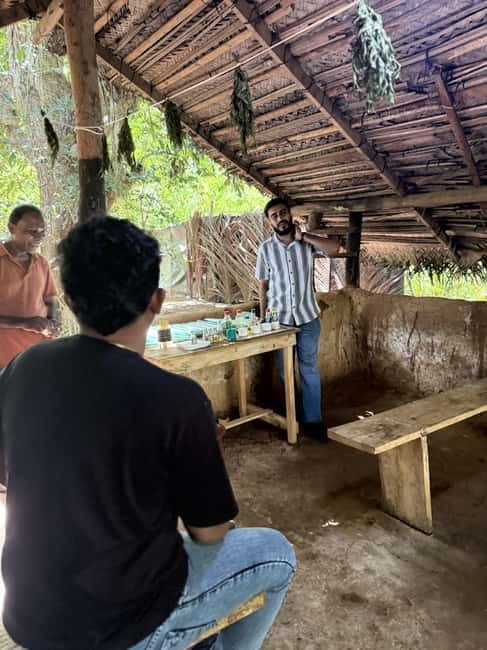
After the meal, you may relax or choose from optional cultural visits. The choices listed are a gem and jewelry workshop, an Ayurvedic herbal garden, and a silk workshop.
These stops can add context if you are curious about local crafts, natural remedies, or textiles. One optional visit may suit you better than trying to fit in all three after a long morning and a substantial lunch. The stops are described as relaxed and non-commercial, and you may choose one, several, or none.
The gem and jewelry workshop can be useful if you want to learn about local stones and jewelry making. The herbal garden offers an introduction to Ayurvedic plants and remedies. The silk workshop gives you a look at textile production, and one reported experience included the chance to try on a saree.
Keep your expectations in check. These optional stops are not the main reason to book the tour, and the schedule depends on time and interest. If you would rather have a slower lunch break before the safari, skipping them is perfectly reasonable.
More Safaris in Sri Lanka:
- Udawalawe National Park | Private Safari Tour
★ 5.0 · 1,499 reviews - From Colombo: Sigiriya and Dambulla Day Trip with Safari
★ 4.7 · 842 reviews - Yala National Park Safari Tours: Morning/Evening/Full Day
★ 4.8 · 818 reviews - Udawalawe National Park: Elephant Safari with Expert Guide
★ 4.9 · 641 reviews
Choosing the right elephant park
The afternoon wildlife portion is planned around current elephant movements. Minneriya National Park is the main destination, but the operator may use Kaudulla National Park or Hurulu Eco Park instead.
This flexibility is sensible. Wild animals do not follow a fixed sightseeing timetable, and the best park can change with the season and the location of elephant herds. A promise of Minneriya every time would sound simple, but adjusting the park gives the driver a better chance of finding elephants.
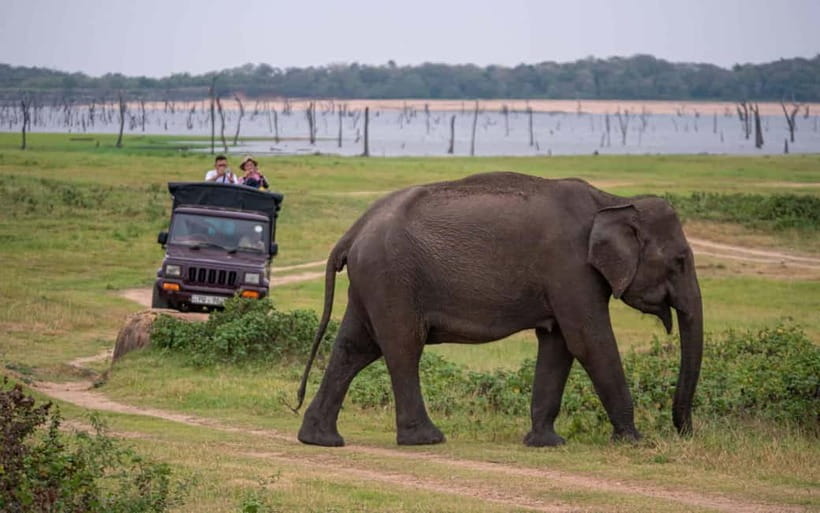
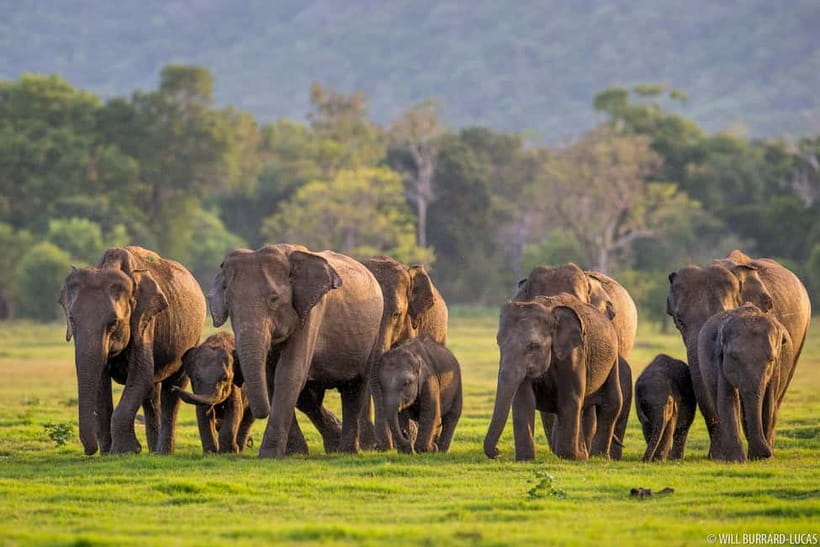
Minneriya is especially known for wild Asian elephants, and the safari gives you a chance to see them in their natural setting rather than in captivity. Depending on conditions, you may also see peacocks, spotted deer, langur monkeys, crocodiles, and many bird species.
The park choice is a practical detail to understand before booking. If visiting Minneriya itself is essential to your plans, ask about current conditions. If your priority is seeing elephants, the flexible approach is an advantage.
Three hours in a private 4×4 jeep
The safari lasts about three hours in a private 4×4 jeep with an experienced wildlife driver. You will be seated higher than in a normal car, which helps with viewing across open areas and near water.
The driver is responsible for finding wildlife and handling the vehicle on park roads. The experience calls for respectful observation, and the best moments may involve simply waiting while elephants graze or move across the park. Large herds are possible, but wildlife sightings cannot be guaranteed on any particular day.
The private arrangement is valuable here. You are not tied to the preferences of a large bus group, and you can focus on wildlife rather than rushing from one stop to another. It also makes the long day more comfortable for couples, families, or a small group with shared interests.
Bottled water is included during the safari. Bring your own sun protection and camera, and wear light clothing and comfortable walking shoes. Although most of the safari takes place in the jeep, you still spend many hours outdoors.
National park entrance fees are not included in the $118 price. Add that cost to your budget before comparing this tour with other day trips. The separate fee is the main extra expense clearly identified for the wildlife portion.
Is $118 good value for a 12-hour day?
At $118 per person, this is not the cheapest way to spend a day from Trincomalee. It is also not just a transfer to a park. The price includes private round-trip transport, the village activities, bullock cart and canoe rides, the cooking demonstration, lunch, a herbal drink, a local guide, and a private 4×4 safari.
That bundle gives the price reasonable value if you want both culture and wildlife. Booking the elements separately could mean arranging transport to the inland village, finding a local host, organizing lunch, and then hiring a safari jeep. The private format is particularly useful for people who value comfort and control over the day.
The calculation changes if you are interested only in elephants. In that case, a shorter safari-focused outing may make more sense. You are paying for the village, food, and transportation as much as for the national park.
The tour also saves you from spending your coastal holiday only around Trincomalee and Nilaveli. If you have one spare day and want a broad taste of Sri Lanka, the mix is strong. Just remember that the 12-hour schedule can feel demanding, especially in hot weather.
Who will enjoy this tour most?
I would recommend this experience to you if you want a day with several layers: countryside, local food, traditional transport, and wildlife. It works especially well for first-time visitors who want to see more than the coast but do not have time to arrange a longer inland stay.
Families may like the variety of the bullock cart, canoe, tuk-tuk, cooking, and safari. Children may find the animals and unusual transport more memorable than a standard sightseeing drive, though the full-day length should be considered.
Food-focused visitors will appreciate the clay-stove demonstration and home-cooked lunch. You should choose it if eating in a local home appeals to you more than dining at a tourist restaurant.
The tour is also a good fit for couples and small private groups. The quiet village portion provides a gentler contrast to the excitement of seeing elephants, while private transport makes the long route easier.
It is less suitable for anyone using a wheelchair, since the tour includes a bullock cart, canoe, rural paths, and several changes of transport. You also need to be comfortable with heat, outdoor conditions, and a long day on the road.
Practical tips for a smoother day
Wear light clothing and comfortable walking shoes. Sunglasses, a sun hat, and sunscreen are specifically recommended, and you should bring a camera if wildlife photography matters to you.
Carry some money for park entrance fees and personal expenses. Additional food and drinks are not included, so do not assume every snack or beverage during the day is covered.
Keep the morning flexible. The optional gem, herbal, and silk visits depend on your interest and available time. If the village meal runs late or you prefer a quiet pause, choose fewer workshop stops rather than turning the whole day into a race.
Ask about the chosen park if elephant sightings are your top priority. The operator may switch between Minneriya, Kaudulla, and Hurulu Eco Park according to seasonal movements. That is a wildlife-based decision, not necessarily a change for convenience.
Finally, check the drop-off plan if you are moving onward to Sigiriya or Dambulla. The optional transfer can be useful, but it needs to be arranged in advance.
Should you book the village and safari day?
Book it if you want more than a beach day and like the idea of seeing real rural life before heading into the bush. The strongest features are the home-cooked lunch with a local family, the quiet canoe ride, and the chance to watch wild elephants during a private three-hour safari.
Skip it if you want a short outing, guaranteed access to Minneriya specifically, or a formal cooking course. The day is long, the village setting is basic, and park admission costs extra.
For most visitors with one free day from Trincomalee, this is a well-rounded choice. You get a genuine taste of village Sri Lanka, a satisfying meal, and a serious wildlife outing in one carefully packed day.
FAQ
How long does the Trincomalee village and elephant safari tour last?
The experience lasts 12 hours, including hotel pickup, the rural village visit, lunch, optional cultural stops, the safari, and the return drive.
Where is hotel pickup available?
Pickup is available from hotels in Trincomalee, Nilaveli, Uppuveli, and Kuchchaveli. You should wait at the hotel lobby or main entrance about 10 minutes before the confirmed time.
Which national park will the safari visit?
Minneriya National Park is the main destination. Depending on seasonal elephant movements, the safari may instead visit Kaudulla National Park or Hurulu Eco Park.
Are national park entrance fees included?
No. National park entrance fees are paid separately and are not included in the tour price.
What activities are included in the village visit?
The village portion includes a bullock cart ride, canoe ride, tuk-tuk or hand tractor ride, a traditional cooking demonstration, and a home-cooked Sri Lankan lunch with a local herbal drink.
Can I be dropped off near Sigiriya or Dambulla?
An optional drop-off in Sigiriya, Dambulla, or nearby area hotels is possible upon request. You need to inform the operator in advance.
Recently listed around Sri Lanka
- Royal Afternoon Tea at the Grand Nuwara Eliya + Bubbly!★ 4.9 · 5 reviews
- Ambuluwawa Tower & Pinnawala & Kandy Day Tour From Colombo★ 5.0 · 5 reviews
- Wasgamuwa National Park Safari (Private Jeep)★ 4.8 · 5 reviews
- Tuk Trip is Very Cheap in Colombo (All-inclusive ) city tour★ 4.5 · 5 reviews
- Yala National Park safari from Hikkaduwa★ 4.0 · 5 reviews
- Private Day Trip To Minneriya Sigiriya and Dambulla From Kandy★ 5.0 · 5 reviews
- Surf Camp in Weligama Beach Sri Lanka★ 5.0 · 5 reviews
- Colombo Airport to Colombo City Drop★ 5.0 · 5 reviews
Trincomalee Tours, compared.
Browse the lists this tour appears in