
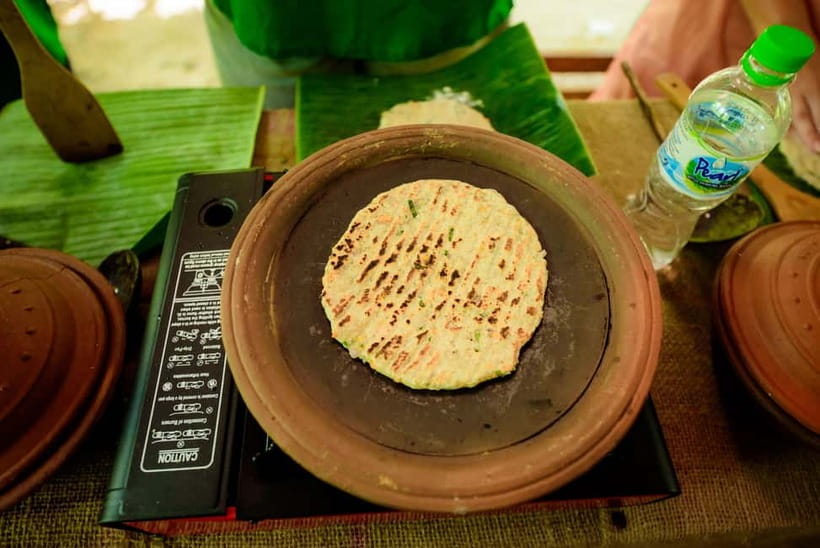
Reviewed · GALLE TOURS
Galle: Sri Lankan Cuisine Cooking Experience
Sri Lankan cooking makes the kitchen part of the culture lesson. In this three-hour family cooking class, you help prepare traditional dishes, grind fresh coconut for sambol, roll roti by hand, then eat what you made from a banana leaf with your hosts.
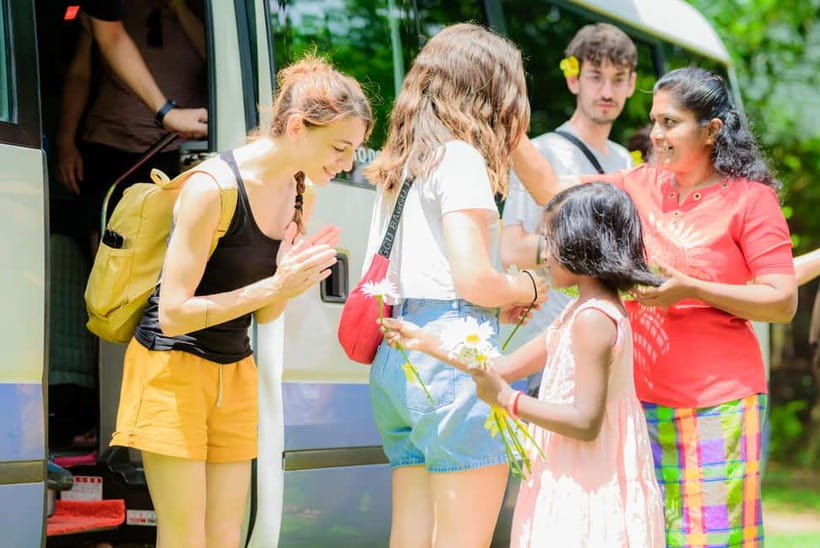
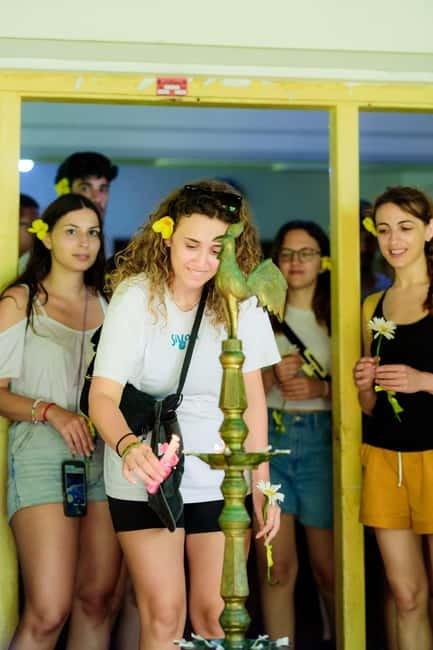
I like the personal welcome, which includes an oil-lamp lighting ceremony and a flower bouquet. I also like the hands-on work: you are not simply watching someone cook while standing behind a counter. The main consideration is location and transport. The experience is listed in Kotapola near Galle, and getting to the Galle House is your responsibility.
Key points to know
- A private family-kitchen setting: You cook with a local host rather than in a large class.
- A traditional welcome: Begin with an oil-lamp lighting ceremony and a flower bouquet.
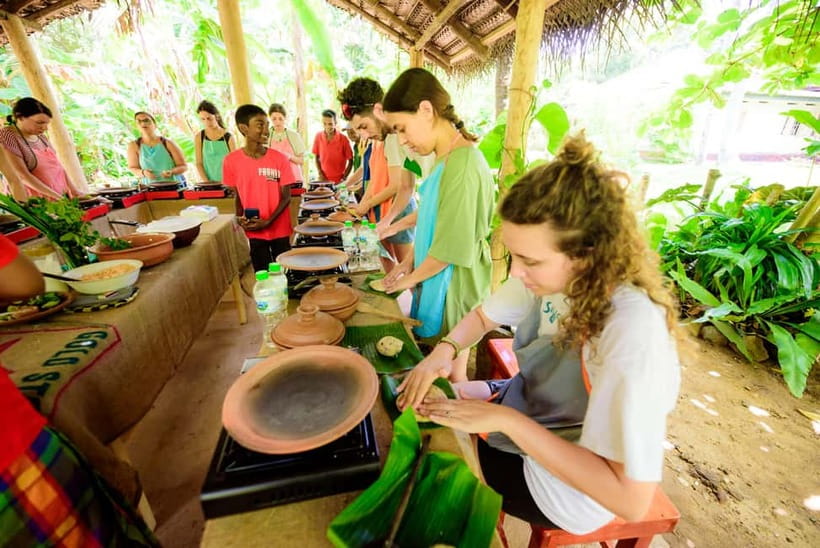
- Real hands-on preparation: Grind fresh coconut for sambol and roll roti by hand.
- A meal served the Sri Lankan way: Eat the food you helped prepare from a banana leaf, using your hands or utensils on request.
- A family-friendly format: Hosts Malika and Sanuth welcomed a four-year-old child during one visit.
- Three hours at $40 per person: Ingredients, instruction, the welcome, and the shared meal are included.
A family kitchen instead of a cooking school
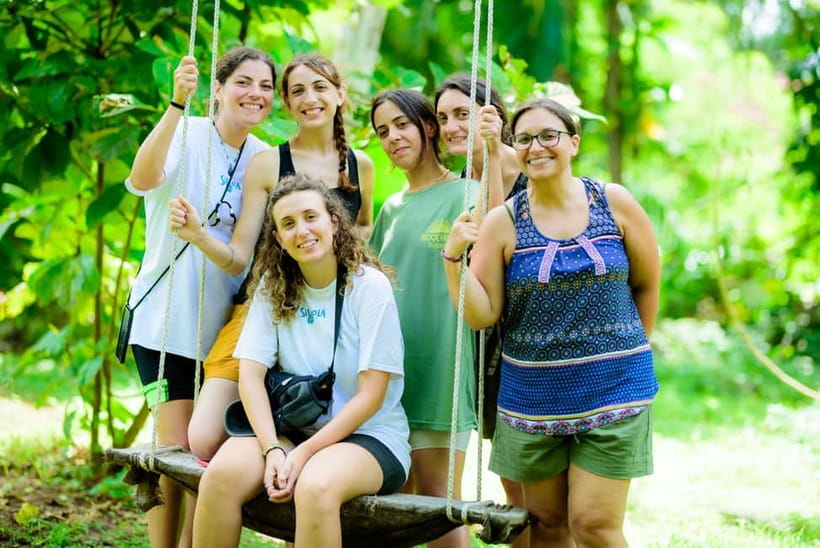
This experience takes you into a family kitchen in Kotapola, in the Galle area. That setting matters. You are not being taught a restaurant version of Sri Lankan food designed for quick service. You are preparing a meal in the same kind of home setting where cooking and conversation naturally belong together.
The group is private, so you can expect a more personal pace than you would get in a large class. You can ask questions as you go, and the host can explain the ingredients and preparation steps directly. English is the teaching language.
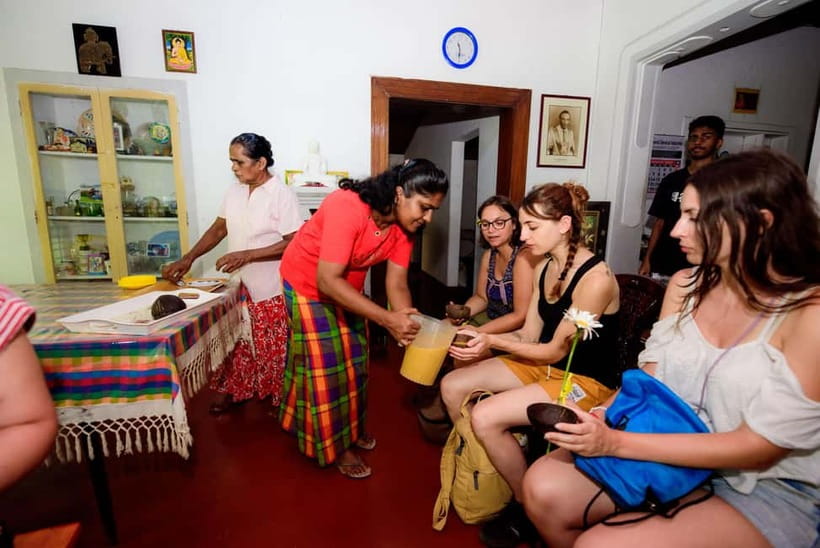
The hosts named for this experience are Malika and Sanuth. Their role is not only to demonstrate recipes. They welcome you into the home, guide you through the kitchen work, and sit down with you for the meal afterward. That shared table time is a central part of the outing, not a quick bite after the lesson.
You should contact the provider and confirm your date at least one day before the booking. This is especially important because the experience depends on a family host being ready for your visit.
More Cooking Classes in Galle
- Sea waves sri lankan cooking class
★ 5.0 · 467 reviews - Galle Unawatuna Cooking Class
★ 5.0 · 142 reviews - Galle Fort cooking class
★ 5.0 · 60 reviews
The oil lamp and flower welcome
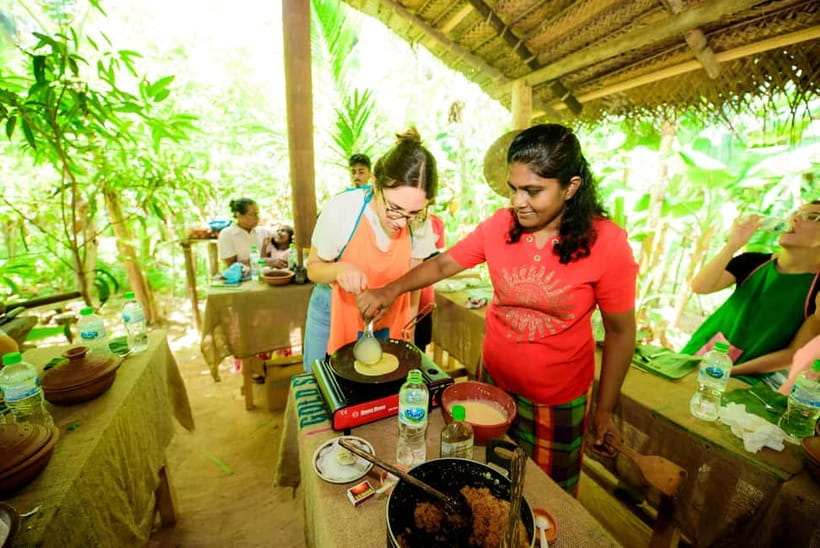
Your visit begins at the Galle House with a traditional oil-lamp lighting ceremony. You also receive a flower bouquet. These details give the class a formal opening and introduce you to a local custom before the cooking starts.
I like this beginning because it slows the experience down. You are not rushed straight into chopping or mixing. The welcome creates a clear line between sightseeing and being received in someone’s home.
It is also worth keeping your expectations in check. This is a cultural welcome, not a long religious or historical presentation. The supplied details do not promise a full explanation of the ceremony, so if you want more context, ask your host while you are there.
After the welcome, you enter the kitchen. The aromas of spices are part of the introduction. You will then work alongside your host to prepare the traditional dishes selected for the meal.
Grinding coconut for fresh sambol
One of the most distinctive tasks is grinding fresh coconut to make sambol. This is a small job, but it gives you a better feel for Sri Lankan cooking than simply stirring a prepared mixture.
Sambol is often served as an accompaniment, but here you take part in making it from a basic ingredient. You can see and feel the texture change as the coconut is worked. Your host guides you through the process and explains how the ingredients come together.
This is the sort of activity I value in a cooking class. It connects the finished dish to the work behind it. You are not only learning a recipe. You are learning that flavor begins with preparation, texture, and fresh ingredients.
The exact dishes beyond sambol are not specified, so do not book this expecting a guaranteed menu of named curries or a printed list of recipes. The reliable promises are traditional Sri Lankan dishes, fresh coconut sambol, and roti. If you have allergies, dietary restrictions, or foods you cannot eat, ask about the menu before confirming.
Rolling roti by hand
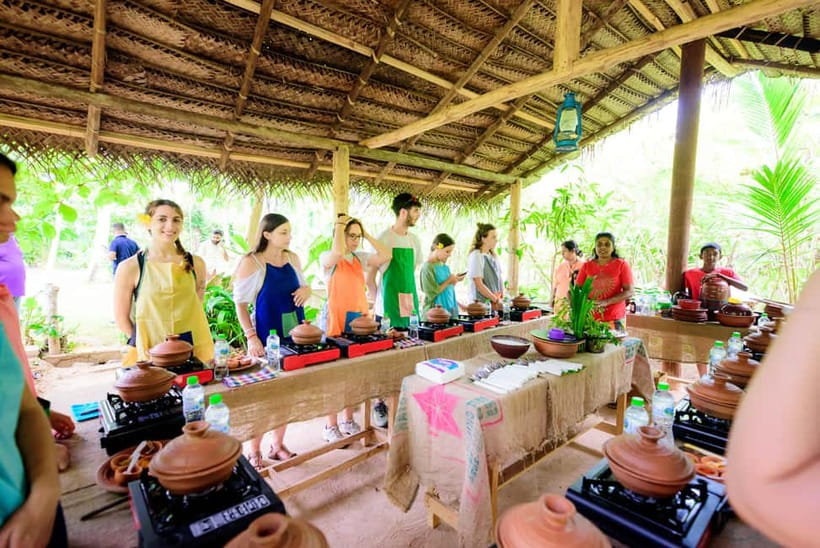
You will also roll roti by hand. This is another practical step that puts you to work rather than leaving you as an observer.
Roti preparation can look easy when someone else does it. Rolling the dough evenly takes a little coordination, and the host can correct your technique as you go. That makes this a good activity for couples, families, and anyone who enjoys learning through their hands instead of taking notes.
The apron provided at the start keeps the lesson relaxed. Still, wear comfortable clothes that are suitable for cooking. You do not need formal attire, but this is a working kitchen, so choose something you will not worry about around flour, coconut, spices, or food.
The class is private, which should make it easier to ask for extra help. It also means the pace can feel more natural for your group. A confident cook can ask more questions, while a beginner can take time with the rolling and preparation.
A different sort of day out of Galle:
- Whales and Dolphins Watching-Luxury Super Grade Cruiser(Hotel Pick up offered)
★ 5.0 · 1,268 reviews - Galle: Traditional Gems & Jewellery Workshop with Transfers
★ 4.9 · 539 reviews - Galle Fort Walking tour
★ 4.9 · 285 reviews - Snorkeling with Turtles in Mirissa
★ 5.0 · 268 reviews
Eating from a banana leaf
When the food is ready, you sit down to eat the meal you helped make. It is served in the traditional way on a banana leaf, and eating with your hands is part of the experience.
For many visitors, this is the most memorable part. The meal is no longer an abstract cooking lesson. You can taste the sambol you ground, the roti you rolled, and the other dishes prepared with your host.
If eating with your hands feels unfamiliar, your host can help. Utensils are available on request, so you do not need to force yourself into a custom that makes you uncomfortable. I would still encourage you to try the traditional method if you are willing. Your host can show you how to gather the food neatly, and the setting is private rather than public.
The shared meal also gives you time to talk. Stories and laughter with the family are built into the afternoon. That conversation may be as valuable as the recipes, particularly if you want a closer look at daily life in Sri Lanka.
Why the private format matters
A private group changes the tone of a cooking class. You are not competing for a place at the work surface or listening to instructions meant for a crowd. You can ask for clarification and spend more time on the parts that interest you.
The format also suits families. Malika and Sanuth welcomed a four-year-old child during one visit, which suggests that young children can be included when they are comfortable in a kitchen setting. Parents should still remember that cooking involves hot surfaces and food preparation, and the supplied information does not list a specific child age policy.
Couples and small groups may appreciate the social side. You can share the meal without feeling that you are part of a large organized event. Solo visitors may also find the family setting appealing, although the price is listed per person and the activity is arranged as a private group.
The English-language instruction is useful if you want explanations as you cook. The hosts explain the preparation steps and ingredients, so you can ask about what you are handling instead of simply copying movements.
What $40 includes, and what it does not
At $40 per person, the value depends on what you want from a food experience. You are paying for three hours, a private cooking lesson, ingredients, a welcome ceremony, a flower bouquet, and a meal shared with the host family.
That is a fair package if you value contact with local people and active participation. A restaurant meal would usually give you more food with less effort, but it would not give you the same connection between preparation and eating. A standard group cooking class might be cheaper in some places, yet it may not offer a private family kitchen or the same relaxed meal afterward.
The cost does not include transportation to or from the Galle House. That is the main extra expense to plan for. The information gives Kotapola as the location, but it does not provide a transfer service or a precise pickup arrangement. Confirm the exact address and calculate your transport before booking.
Personal expenses are also excluded. The ingredients for the class and the shared meal are included, so you should not need to buy cooking supplies. Any other spending outside the experience is your responsibility.
Who will get the most from this class
I would choose this for you if food is one of the ways you like to understand a place. You will get the most from it if you enjoy asking questions, trying unfamiliar techniques, and sitting down for a meal rather than rushing to the next sight.
It is also a good choice for:
- Couples wanting a relaxed private activity
- Families looking for an experience that can include children
- Visitors who prefer home cooking to a restaurant demonstration
- Beginners who want clear guidance while working
- People interested in Sri Lankan customs as well as food
- Anyone who wants a meal with local hosts rather than only a cooking certificate
You may want to skip it if you are looking for a fast demonstration, a formal culinary course, or a tightly fixed menu of named dishes. The experience is social and home-based. Its strength is the personal setting, not professional-kitchen polish.
Practical advice before you go
Wear comfortable clothing suitable for cooking. An apron is provided when the lesson begins, but the apron does not replace practical clothes or comfortable shoes.
Plan your route carefully. Transportation is not included, and the meeting point is the Galle House in Kotapola. Since the listing uses both Galle and Kotapola in its description, confirm the exact location with the provider before the day of the class.
Send a message and confirm the date at least one day before your booking. This small step matters because the hosts are preparing a family meal and need to know that you are coming.
If you want to eat with your hands, be ready for that custom. If you prefer utensils, request them. The choice is available, and using cutlery does not prevent you from taking part in the cooking.
Ask about the dishes if menu details matter to you. The experience promises traditional Sri Lankan dishes, roti, and coconut sambol, but it does not provide a complete dish list in advance. That is also the right time to raise any food allergies or dietary needs.
Cancellation is flexible: you can cancel up to 24 hours in advance for a full refund. You can also reserve now and pay later, which helps if your route through Sri Lanka is still changing.
The strongest part of the experience
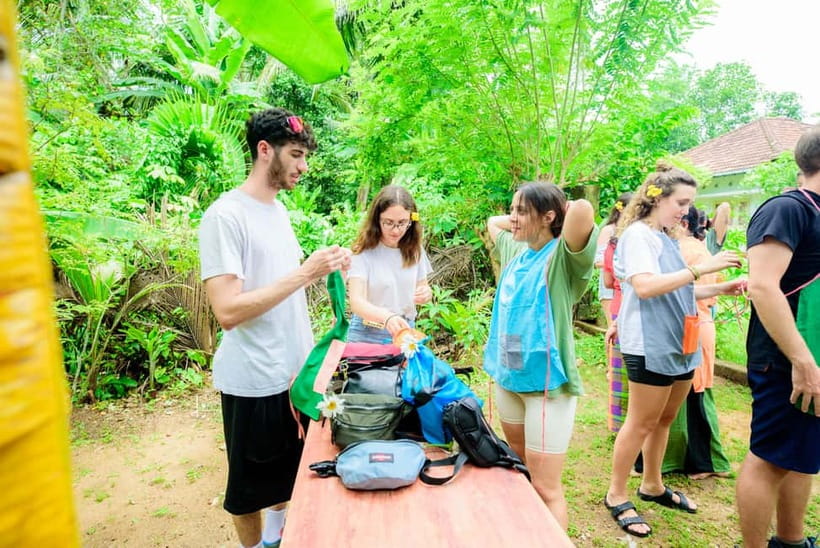
The most praised feature is the welcome from the family. The hosts are repeatedly described as kind, accommodating, and generous with their explanations. That praise is supported by the shape of the experience itself: you are welcomed with a ceremony, taught in a home kitchen, and invited to share the finished meal.
The cooking instruction also receives strong emphasis. You should expect explanations of the ingredients and the preparation rather than a silent demonstration. Malika and Sanuth are specifically associated with warm hosting and clear guidance.
The food is another major reason to choose this class. You prepare it yourself, so the meal has a satisfying before-and-after rhythm. You begin with raw ingredients and kitchen tasks, then sit down to eat the result in a traditional setting.
I would not treat the five-star score as a promise that every visitor will enjoy every dish. Taste is personal, and the exact menu is not fixed in the information provided. But the consistent strengths are clear: warm hosts, hands-on preparation, good explanations, and a memorable shared meal.
Should you book the Galle cooking experience?
Book it if you want a personal introduction to Sri Lankan food and family hospitality. The oil-lamp welcome, fresh coconut sambol, hand-rolled roti, banana-leaf meal, and private setting make this more than a recipe demonstration.
Before paying, confirm the Galle House address in Kotapola, arrange your own transport, and ask about the menu if you have dietary concerns. At $40 per person, it is good value for a three-hour private experience that includes ingredients and food, especially if you care more about connection and participation than about covering several sightseeing stops.
Skip it only if you prefer a formal cooking school, a fixed published menu, or an activity with transportation included. For everyone else, this is a warm, practical way to spend part of a day near Galle.
FAQ
Where does the Sri Lankan cooking class take place?
The experience takes place at the Galle House in Kotapola, Sri Lanka, in the Galle area.
How long does the cooking experience last?
The class lasts three hours. Starting times depend on availability.
How much does the experience cost?
The listed price is $40 per person.
Is transportation to the cooking class included?
No. Transportation to and from the Galle House is not included.
What food preparation will I do?
You will help prepare traditional Sri Lankan dishes, grind fresh coconut for sambol, and roll roti by hand.
Do I have to eat with my hands?
Eating with your hands on a banana leaf is part of the experience, but utensils can be provided if you request them.
Is the class private and what language is used?
Yes. The activity is for a private group, and instruction is provided in English.
Recently listed around Galle
- From Colombo: Day Trip to Galle City, Koggala and Unawatuna★ 4.2 · 3 reviews
- Private Half Day Safari Tour to Yala NP From Tangalle and Drop Back★ 4.5 · 3 reviews
- Udawalawe National Park Safari Tour★ 4.7 · 3 reviews
- From: Ella – YALA Safari – Drop off: Arugam Bay / Arugambay★ 5.0 · 3 reviews
- Galle Instagram Tour: Most Famous Spots (Private & All-Inclusive)★ 5.0 · 3 reviews
- Stilt-Fishing Experience in Ahangama★ 4.0 · 3 reviews
- Galle Sightseein Rickshaw Tour★ 4.5 · 3 reviews
- Fully Private Udawalawe National Park Safari Tour★ 5.0 · 3 reviews
Galle Tours, compared.

Whales and Dolphins Watching-Luxury Super Grade Cruiser(Hotel Pick up offered)
Read our review →
Traditional Gems & Jewellery Workshop with Transfers
Read our review →



Galle/Mirissa/Hiriketiya: Drop to Ella & Udawalawa Safari
Read our review →
Browse the lists this tour appears in