
Reviewed · GALLE TOURS
Cook with Wasantha
The best part of Cook with Wasantha is that the meal begins before you reach the kitchen. You ride by tuk-tuk to local markets near Galle, choose vegetables and fish, then return to prepare a Sri Lankan feast with Wasantha and her family. It is a cooking class, market visit, and family lunch rolled into one.
I like the market shopping because it gives you a practical lesson in Sri Lankan produce, not just a list of spices. I also like the way the class teaches real kitchen skills, especially fresh coconut milk and fluffy rice, two basics that make Sri Lankan food taste right.
The main point to consider is the balance between demonstration and participation. Some sessions are quite hands-on, while others involve more watching, with guests mainly cutting vegetables and helping with preparation. If you want a formal cooking school where every step is yours, ask about the format before booking.
Key points at a glance
- Local markets first: Visit the Dutch Market and a fish market before cooking, with the ingredients chosen for your meal.
- A family kitchen: Wasantha, her husband Sam, daughter Sasa, and other family members may help lead the experience.
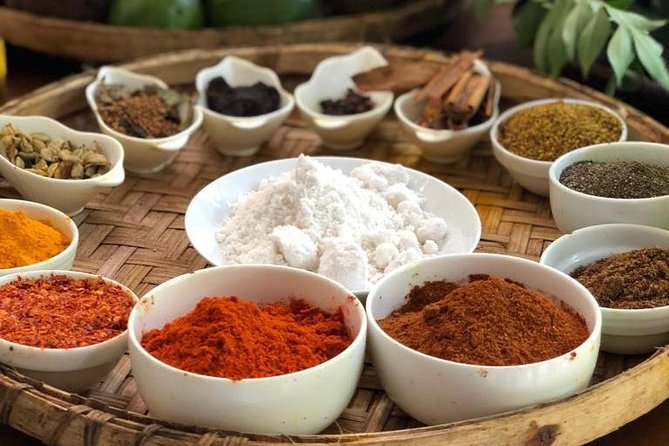
- Core Sri Lankan skills: Learn to make coconut milk, cook rice properly, and blend spices into several curries.
- A generous shared lunch: Eat the curries, rice, and other dishes buffet style, using your fingers in the local manner.
- Small group setting: The class is capped at 10 people, which keeps the family-style setting manageable.
- Strong value at $30: The price includes the class, market visits, local transport connected with the outing, and the meal.
Starting at 10 a.m. in Unawatuna
You meet at Wasantha’s Sri Lanka Cuisine on Yaddehimulla Road in Unawatuna at 10 a.m. The activity returns to this same meeting point, so you do not need to arrange a separate ride from the kitchen after lunch.
The location matters. The experience is listed as a Galle activity, but the meeting point is in Unawatuna, just outside Galle. Check your route carefully and allow time to reach Yaddehimulla Road for the 10 a.m. start. The class is near public transportation, and service animals are allowed.
The group limit is 10 people. That is small enough for a family kitchen to function without turning into a crowded show, though the exact feel can change depending on how many people attend and which family member leads the session.
Wasantha is the central host, but her family is part of the experience. Her husband Sam has taken groups to the markets, and her daughter Sasa has also led the outing and class. Wasantha’s mother, daughter, and son may contribute in the kitchen. This family involvement is a major part of the appeal, but it also means the experience is less polished and standardized than a hotel cooking school.
A few more Galle days to line up
- Whales and Dolphins Watching-Luxury Super Grade Cruiser(Hotel Pick up offered)
★ 5.0 · 1,268 reviews - Galle: Traditional Gems & Jewellery Workshop with Transfers
★ 4.9 · 539 reviews - Sea waves sri lankan cooking class
★ 5.0 · 467 reviews
Riding to the Dutch Market
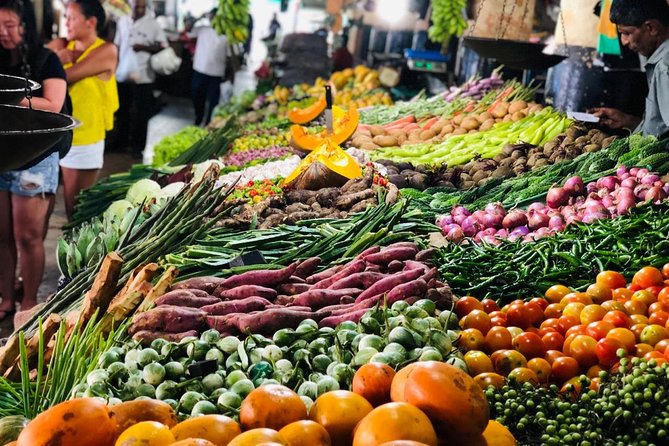
The first outing is a tuk-tuk ride to the Dutch Market. You hear something about the market’s past, then look at the produce with a purpose: you are buying the vegetables and other ingredients that will become lunch.
This is more useful than simply walking through a market with a guide pointing at unfamiliar food. You learn how to choose ingredients for curries, and you can select a vegetable you may not find at home. One menu has included pineapple, pumpkin, aubergine, onion, and other local produce.
The shopping also gives the meal a personal angle. You are not handed a fixed plate of dishes chosen days earlier. You have some say in what appears at the table, within the class plan and available produce. That small choice can make a difference if you are curious about Sri Lankan vegetables or want to try something new.
The market visit may be less appealing if you prefer a quiet, air-conditioned start to your day. It is a working food market, and the focus is practical rather than theatrical. Commentary can also vary depending on who is leading the group. Sam is described as a tour guide, so he may offer wider advice about Sri Lanka as well as details about fruit and vegetables.
Adding the fish market to the menu
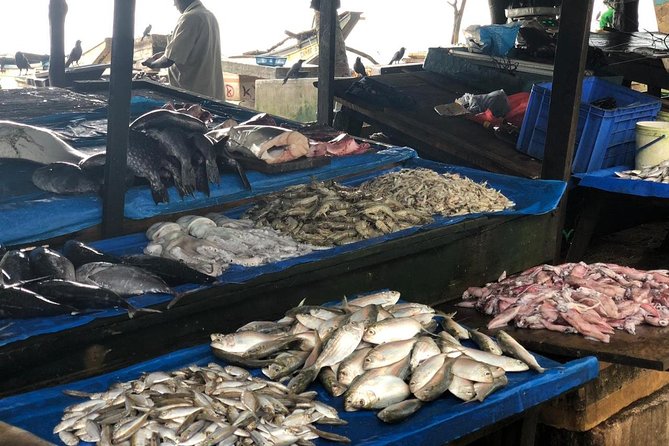
The itinerary also includes a fish market, where you may select fresh fish for the non-vegetarian curry. Tuna is the named choice in the class description, with chicken offered as an alternative.
This stop helps explain how ordinary Sri Lankan meals are built. The fish is not an isolated restaurant dish. It is one part of a table filled with rice, vegetables, spices, coconut, and several curries. For a food lover, seeing the ingredient before it reaches the cooking pot adds useful context.
The market visit is also where the class feels most connected to daily life. You see how the family shops for food, rather than learning recipes from ingredients already portioned into neat bowls. That is valuable if you want to recreate the dishes later.
The menu is not completely fixed. The experience is described as four vegetable curries plus a choice of tuna or chicken, while the cooking format is also described as five different curries. Individual meals have included five vegetable or mixed curries, a fish curry, rice, and coconut sambol. Treat the list as a guide, not a promise of one exact combination. Fresh produce, dietary needs, and group preferences can affect the final spread.
Learning the coconut milk method
Back at the kitchen, one of the most useful lessons is making fresh coconut milk. Coconut is central to many Sri Lankan curries, and fresh coconut milk gives you a better feel for the texture and strength of the sauce than opening a carton and pouring.
The class also explains how coconut is used in stages. The details of the method come from Wasantha’s family cooking, so you are learning a household technique rather than a generic recipe assembled for tourists. You can ask questions as the ingredients are prepared and see how the coconut affects different curries.
This is the kind of lesson that travels well. You may not have every Sri Lankan vegetable at home, but you can apply the same idea to dishes you cook in your own kitchen. The class is especially useful for anyone who has tried Sri Lankan food and wondered why home versions taste flat or lack the right body.
A different sort of day out of Galle:
- Galle Fort Walking tour
★ 4.9 · 285 reviews - Snorkeling with Turtles in Mirissa
★ 5.0 · 268 reviews - Whale Watching Mirissa with ( WWC )
★ 5.0 · 252 reviews - Galle/Mirissa/Hiriketiya: Drop to Ella & Udawalawa Safari
★ 4.9 · 186 reviews
Getting Sri Lankan rice right
Rice sounds simple until it turns sticky, wet, or undercooked. Wasantha gives attention to the method for making rice fluffy, a small but important skill because rice is the base for the entire meal.
I would pay close attention here. Curry can be excellent, but poorly cooked rice throws off every bite. The class focuses on a practical result you can repeat at home, rather than simply showing a finished dish.
The rice lesson is also a good example of the class’s wider value. You are not only collecting recipes. You are learning how the parts of a Sri Lankan meal work together: rice for balance, coconut for richness, vegetables for color and texture, and spices for depth.
Cooking five curries from scratch
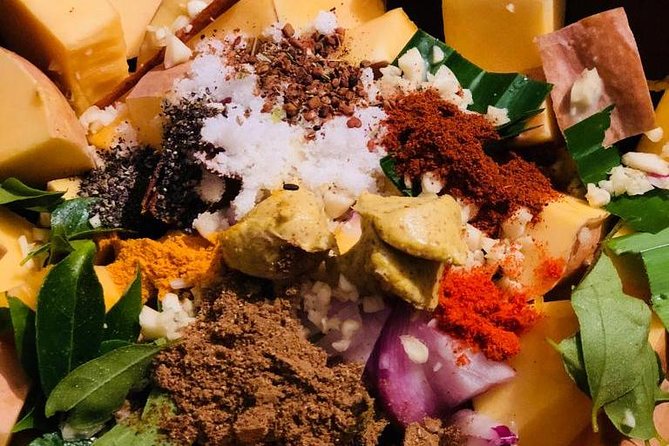
The central kitchen session involves several curries made with fresh ingredients. The class description promises four vegetable curries and a choice of tuna or chicken, while the overall format refers to five different curries. Past menus have included dhal, pineapple, pumpkin, aubergine with onion, tuna, and a signature avocado curry.
That range is the reason to book this instead of a class focused on one dish. You see how the same pantry of spices, coconut, onions, and herbs can produce very different results. A sweet fruit curry behaves differently from dhal, while fish requires a different cooking approach from vegetables.
Wasantha’s instruction is rooted in feel as much as measurement. She is known for adding spices by smell rather than measuring every spoonful, and she explains tips that come from many years of family cooking. That can be inspiring, though beginners may wish for more exact quantities. Ask questions and take notes if you want to reproduce the food precisely.
The class may include chopping vegetables and fruit, preparing ingredients, and helping with parts of the cooking. However, the experience is not always a fully hands-on workshop. Some people have found it closer to a cooking demonstration, with Wasantha doing much of the actual cooking while the group watches.
That distinction matters. If your priority is learning the sequence, seasoning, and texture of Sri Lankan curries, the demonstration format can work very well. If you want to personally cook every curry from beginning to end, you may find the participation limited.
Learning from Wasantha and her family
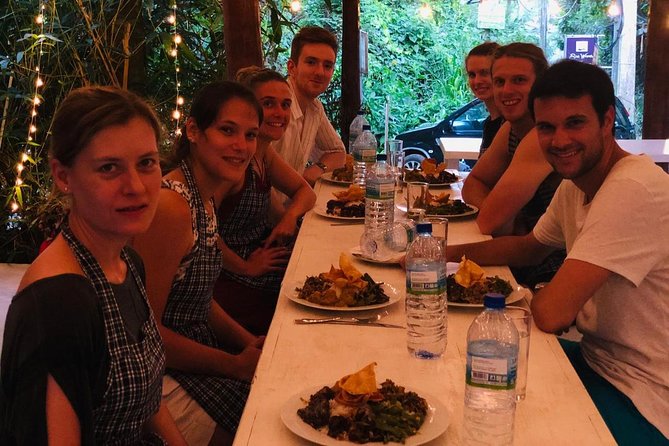
Wasantha’s cooking is passed down through generations, and family members help create the warm, informal setting. You may cook with Wasantha herself, with Sasa, or with other members of the household. Sam may handle the market outing and add general travel advice.
The family approach is one of the strongest reasons to choose this experience. You are not simply following instructions from a hired instructor who leaves when the class ends. You are welcomed into a home-style food tradition, with stories and personal touches along the way.
That informality comes with a trade-off. The class can feel personal and genuine, but the pace and level of explanation may not be identical for every group. A few people have found the host less energetic than expected, and some felt the welcome was a little reserved at first. Keep your expectations realistic: this is a working family kitchen, not a stage show.
Dietary needs can sometimes be accommodated. One session adapted recipes for food intolerances, but you should raise any restrictions when booking or before the class begins. Do not assume every request can be met without confirmation.
Sitting down to the buffet lunch
After the cooking, you eat what the group has prepared. The meal is served buffet style, so you can sample the different curries with rice and compare their flavors and textures.
The experience encourages you to eat with your fingers, the local way. This may feel unfamiliar at first, but it connects the meal to the everyday Sri Lankan table. You can use your right hand to mix a little rice with curry and control each bite. If you prefer cutlery, clarify what is available, but the stated format centers on eating by hand.
Lunch is not a small tasting plate. The spread can be substantial, especially after several hours of shopping and cooking. Dishes have included dhal, pineapple, aubergine, pumpkin, tuna, rice, and coconut sambol. Some people have found the meal large enough that they skipped dinner later.
The shared table is where the whole morning makes sense. You recognize the produce from the market, taste the coconut milk you helped prepare, and see how several separate curries become one Sri Lankan meal. It is a social ending rather than a quick handover of food.
Recipes and skills you can take home
A useful feature is the chance to leave with recipes. One participant received 21 recipes, including dishes beyond those cooked during the class. The provider also invites follow-up questions when you try the food at home.
That makes the $30 price easier to justify. You are paying for a four-hour activity with market transport, ingredient shopping, instruction, and lunch, but you may also leave with a small Sri Lankan cooking reference for future meals.
Still, write down the details you care about. Since Wasantha often cooks by sight, smell, and experience, the recipe notes may not capture every tiny decision. Ask about spice amounts, cooking times, heat levels, and substitutions while the food is being prepared.
What $30 gets you
At $30, this is good value if you want more than a meal. The price covers roughly four hours, two market visits, the cooking session, and the food you prepare. Transport connected with the market trip has been included in the price, according to the experience details.
A restaurant meal in Sri Lanka would cost less, but it would not show you how the food came together. A formal cooking school might offer more individual practice, yet could lack the family setting and market connection. This experience sits between the two: part lesson, part cultural visit, and part generous home lunch.
The value depends on your preferred style. Book it if you care about local ingredients, traditional methods, and a relaxed family setting. Think twice if you need precise measurements, spotless classroom presentation, or nonstop personal cooking time.
The activity has a 4.9 rating from 249 reviews, with 98 percent recommending it. Those numbers suggest a very reliable experience overall, while the lower ratings point to the one issue you should keep in mind: the level of hands-on work can vary.
Who should book Cook with Wasantha?
I would recommend this class to food lovers, curious first-time visitors to Sri Lanka, couples, families, and small groups who enjoy eating as much as cooking. It is also a good choice if you want to understand the ingredients behind Sri Lankan food rather than simply order another curry at a restaurant.
Families may appreciate the informal setting and the fact that children can take part in preparation, though the exact role for each child is not specified. People with food restrictions should contact the provider in advance and confirm what can be changed.
This is less suited to serious cooking students who want a tightly structured lesson with individual stations. It is also not ideal if you dislike markets, tuk-tuk rides, communal meals, or watching someone else handle part of the cooking.
The class requires good weather. If poor weather causes cancellation, you are offered another date or a full refund. Otherwise, you can cancel up to 24 hours before the 10 a.m. start for a full refund. Cancellations or changes inside 24 hours are not refunded.
Should you book it?
Book Cook with Wasantha if you want a personal introduction to Sri Lankan cooking, especially the market shopping, fresh coconut milk, rice technique, and broad mix of curries. The family setting and shared lunch give the morning a sense of place that a standard recipe lesson may not provide.
If hands-on cooking is your top priority, confirm exactly how much you will prepare and cook. For everyone else, the combination of markets, family recipes, tuk-tuk transport, and a full lunch makes $30 a sensible buy in Unawatuna and Galle.
FAQ
Where does Cook with Wasantha begin?
The experience begins at Wasantha’s Sri Lanka Cuisine, 180/A Yaddehimulla Road, Unawatuna, Sri Lanka. The start time is 10 a.m., and the activity ends back at the same meeting point.
How long does the cooking experience last?
The experience lasts approximately four hours.
Does the class visit local markets?
Yes. You visit the Dutch Market and a fish market to learn about ingredients and choose produce for the cooking session.
What food will I cook?
The class teaches coconut milk preparation, Sri Lankan rice, and several curries. The stated format includes four vegetable curries and a choice of tuna or chicken curry, with the overall experience described as five different curries.
Is transport included?
The market visits involve tuk-tuk transport, and the experience information states that transport connected with the outing is included in the price.
What is the cancellation policy?
You can cancel at least 24 hours before the start time for a full refund. Cancellations or changes made less than 24 hours before the experience are not refunded. If poor weather cancels the activity, you are offered another date or a full refund.
Recently listed around Galle
- Surfing Lessons at Unawatuna★ 4.5 · 11 reviews
- Sinharaja Rain Forest Tours (Full Day)★ 5.0 · 11 reviews
- Mix it Like a Lankan in Unawatuna★ 5.0 · 11 reviews
- Galle to Colombo Airport Private Taxi 247 Lowest Price Mini Bus, Car, Van★ 4.5 · 11 reviews
- Paradise Turtle Watching Tours★ 5.0 · 11 reviews
- Mirissa/Weligama to Colombo Airport Private Taxi Transfer★ 5.0 · 12 reviews
- Yala National Park Private Safari trip from Galle/Unawatuna/Mirissa★ 5.0 · 12 reviews
- Scuba Diving in Unawatuna★ 5.0 · 12 reviews
Galle Tours, compared.

Whales and Dolphins Watching-Luxury Super Grade Cruiser(Hotel Pick up offered)
Read our review →
Traditional Gems & Jewellery Workshop with Transfers
Read our review →



Galle/Mirissa/Hiriketiya: Drop to Ella & Udawalawa Safari
Read our review →
Browse the lists this tour appears in