
Reviewed · COOKING CLASSES
Authentic Sri Lankan cooking class
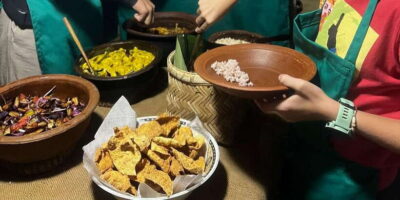
The heart of this Sri Lankan cooking class is not a polished demonstration kitchen. It is a village home in Kotapola, where a local Mama teaches you to cook with hand tools, fresh ingredients, and methods passed through generations. You may grind spices, open a coconut, and prepare several curries before sitting down to a generous meal.
I like the strong link between food and daily life. You learn how crops are grown, how every part of an ingredient is used, and how spices and herbs are chosen for their effects on the body. I also like that you do the work yourself instead of watching a chef perform. The main drawback is that the group can reach 10 people, and larger groups may wait their turn for shared jobs such as splitting coconuts.
Key points at a glance
- Cook in a family home: The setting is a local house with an open-air kitchen made from natural materials.
- Work with traditional tools: You prepare food using methods quite different from a modern cooking school.
- Learn more than recipes: The class covers indigenous farming, Vruksha Ayurveda, and the health uses of spices and herbs.
- Prepare several curries: You will make different curry styles, along with a Sri Lankan dessert.
- Take home practical material: A recipe file helps you repeat the dishes after returning home.
- Plan for a full four hours: The pace includes hands-on preparation, explanations, and a substantial meal.
A village kitchen in Kotapola
Kotapola gives this class a very different feel from a hotel cooking lesson in Colombo or a staged food demonstration aimed at large tour groups. The setting is a quiet village house surrounded by coconut palms and garden plants. The meeting point is the house with the black gates, so keep that description handy when finding your way there.
The kitchen is built from natural materials such as bamboo, clay, and palm leaves. It is open to the surrounding air, with breezes coming from nearby fields. The setting matters because the cooking is closely tied to its source. You are not only handling ingredients on a work surface. You are learning how food fits into a household, a garden, and a local way of life.
The host is referred to as Mama, a warm village title rather than a formal chef’s name. She shares family recipes and traditional cooking practices directly with you. Instruction is available in English, Sinhala, and Russian, though the exact language mix may depend on the group.
The atmosphere is informal and welcoming. You should expect to participate, ask questions, handle ingredients, and follow instructions rather than sit back with a notebook. Come ready to work with your hands.
More Cooking Classes in Sri Lanka:
- Ella: Traditional Sri Lankan Cooking Class
★ 4.9 · 788 reviews - Organic cooking class sigiriya (kumara & family)
★ 5.0 · 650 reviews - Sri Lanka Cooking Class with Granny
★ 5.0 · 587 reviews
Why Sri Lankan curry is more than one dish
One of the most useful ideas in the class is that curry in Sri Lanka is not a single fixed recipe. It is a way of balancing ingredients, textures, colors, and flavors. A meal may include several curries that taste very different from one another, yet work together on the same plate.
You learn about contrasts such as hot and cooling, bitter and sweet, dry and juicy, and heavy and light. This gives you a better way to understand Sri Lankan meals. Instead of treating curry powder as a ready-made shortcut, you begin to see how the cook builds a meal with purpose.
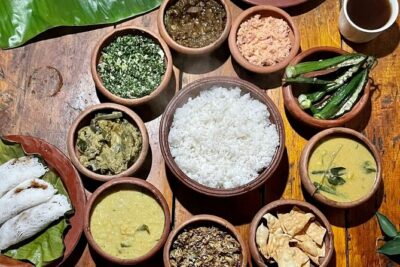
The class includes several types of curries, though the specific dishes are not listed in advance. That is worth keeping in mind if you need a particular recipe or have your heart set on one exact dish. The benefit is that the food can follow the ingredients available at the time of your visit.
Freshness is central. The vegetables, herbs, and spices are locally grown and seasonal. That means the class is likely to feel more like a lesson in household cooking than a fixed restaurant menu.
Grinding spices and using traditional tools
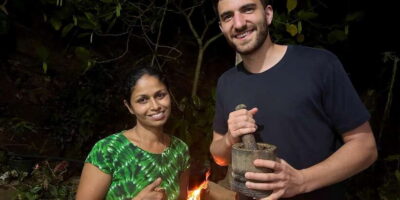
The tools are part of the lesson. You will not simply measure ingredients from packets and place them in electric appliances. The class uses traditional tools and hand-ground curry powders, giving you a closer look at how flavor is developed before anything reaches the pot.
This slower method helps you notice the scent and texture of each spice. Cinnamon, coriander, cardamom, and curry leaves are among the aromas associated with the kitchen. The smell of roasting spices and curry leaves cooking in coconut oil is part of the pleasure, but the bigger benefit is practical: you can see how freshly prepared ingredients differ from packaged ones.
One hands-on activity may involve a coconut from start to finish. You might climb part of a coconut tree, open a coconut, and help prepare it for the meal. The exact level of participation will depend on conditions and the group, but this detail gives you a good sense of the class’s active style.
If you enjoy cooking with precise measurements and quick results, the traditional process may feel slow. I see that as part of the value, but it can also create pauses when several people need to share one tool or ingredient.
From indigenous farming to Vruksha Ayurveda
The class connects cooking with the way food is grown. You learn about indigenous farming practices, including crop rotation, kitchen compost, and the use of water from the property. These ideas show how a small household can work with natural cycles rather than treating the kitchen and garden as separate places.
The approach is close to zero-waste living. Vegetable peels can become animal feed. Coconut husks can help start fires. Ashes can be used for natural cleaning. None of these points is flashy, but they explain how older household systems reduced waste long before that became a modern travel theme.
You also hear about Vruksha Ayurveda and the traditional use of plants, spices, and herbs. The focus is on the relationship between ingredients and well-being, including how different foods may support the body and help balance a meal.
You should treat these explanations as traditional food knowledge, not as medical advice. The class can help you understand why Sri Lankan cooks value turmeric, curry leaves, cinnamon, and other ingredients, but it is not a medical consultation.
This part will suit you if you enjoy learning about food in its cultural setting. If you only want a quick recipe lesson, the farming and plant sections may feel like extra time. For me, they make the cooking easier to remember because each ingredient has a story and a practical purpose.
More workshops and classes in Sri Lanka:
- Galle: Traditional Gems & Jewellery Workshop with Transfers
★ 4.9 · 539 reviews - Kandy Village Cooking Class
★ 5.0 · 536 reviews - Sea waves sri lankan cooking class
★ 5.0 · 467 reviews - Ella: Sri Lankan Cooking Class with Neranji at Homestay
★ 5.0 · 276 reviews
Preparing several curries by hand
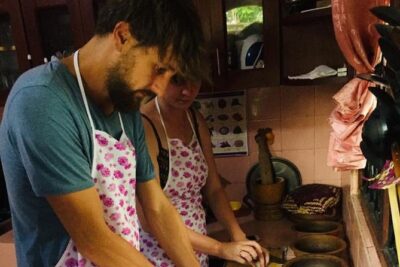
The cooking portion is active. You work alongside the host and other participants, preparing multiple curries rather than one showcase dish. The recipes are family recipes, and the class gives you the chance to see how a meal comes together as a group of complementary dishes.
You may be asked to chop, grind, mix, season, or tend ingredients as the cooking progresses. The supplied information does not give a fixed minute-by-minute schedule or an exact menu, so the order can vary. That flexibility is normal for a home-based class, particularly when the food depends on seasonal produce.
This is also where group size matters most. The class is described as small, with up to 10 participants, but 10 people can still be a sizable group in a village kitchen. If everyone wants to take part in the same task, you may have to wait.
A previous participant specifically noted delays while people took turns splitting coconuts. That is useful advice. Do not judge the class by the clock alone, and do not expect every minute to be filled with action. The pauses are part of sharing a communal kitchen, but they may test your patience if you prefer a tightly managed schedule.
The reward is a meal you helped create. Several curries are included, along with a Sri Lankan dessert. You should arrive hungry. The food is described as generous, so this is not a class where you nibble a small sample and leave for lunch.
Eating the meal and noticing the difference
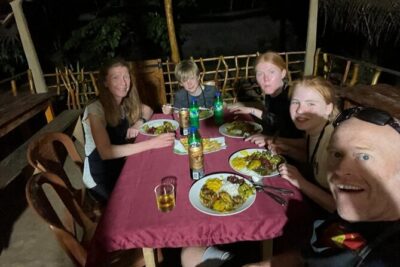
The final meal gives you a chance to taste the results side by side. With several curries on the plate, you can compare the balance of spice, heat, sweetness, bitterness, and creaminess more clearly than you could with one dish.
The lesson about freshness becomes especially clear here. Freshly prepared coconut, herbs, spices, and vegetables have a different character from packaged ingredients. You may notice changes in aroma, texture, and strength, not just flavor.
Water from the property is included, listed as weil water in the activity details. Bottled water is not included, so bring your own bottle if that is your preference. A Sri Lankan dessert is also part of the meal, giving the class a sweet finish.
The meal is not merely a reward for completing the work. It is the point where the separate lessons join together. Farming, spice preparation, cooking methods, and family food customs all make more sense once you taste the completed dishes.
Food restrictions are not described in the information provided. If you have allergies or follow a special diet, contact the provider before booking rather than assuming the menu can be changed.
Is the $43 price good value?
At $43 per person, this class costs more than a basic recipe lesson, but you are paying for more than a printed menu and a demonstration. The four-hour format includes several curries, dessert, local instruction, traditional tools, farming information, spice and herb discussions, water, and a recipe file.
The price also covers the setting. You are entering a local home and learning from a family cooking tradition rather than attending a standard commercial kitchen session. For you, the best value comes from the combination of food preparation and cultural context.
Transfers are not included. You must arrange your own way to the black-gated house in Kotapola. That can add cost and planning time, especially if you are not already staying nearby. Check the route before committing, and allow enough time to arrive without rushing.
The value is weaker if you want a fast, highly structured class with a guaranteed menu. It is stronger if you want a slower, hands-on experience that connects food with village life and traditional practice.
Who will enjoy this class most?
I would recommend this class to curious eaters, home cooks, and anyone who wants a direct connection with Sri Lankan household food. It is also a good fit if you enjoy learning by doing and do not mind getting involved with unfamiliar tools or methods.
Families and mixed-age groups may enjoy the active tasks, though the information does not specify age limits. People interested in sustainable living will appreciate the use of compost, crop rotation, coconut husks, and kitchen ash.
The class may be less suitable if you need a wheelchair-accessible activity, since it is specifically listed as not suitable for wheelchair users. It may also disappoint you if you expect a restaurant-style kitchen, individual workstations, or a short demonstration followed by a tasting.
Alcohol and drugs are not allowed. Bring a charged smartphone, which may be useful for photographs or keeping notes. Comfortable clothing is sensible for a four-hour hands-on session, though no formal dress code is provided.
Timing, group size, and booking flexibility
The class lasts four hours, with starting times available according to the date you choose. Because the activity includes cooking and eating, you should protect the full block rather than schedule another tight appointment immediately afterward.
The group is limited to 10 participants. That keeps the class smaller than a large bus tour, but it is not necessarily private or intimate. If you want the most active role, ask about the expected group size when booking.
The provider offers free cancellation up to 24 hours in advance for a full refund. You can also reserve now and pay later, which helps if your Sri Lankan route is still changing. These policies do not remove the need to check your transport plans, but they make it easier to hold a place before every detail is fixed.
The experience is provided by kumbukgroup. English, Sinhala, and Russian are listed as the available languages.
What to take home
The recipe file is the most practical souvenir. Spices and memories are useful, but written instructions give you a real chance to repeat the dishes in your own kitchen.
Do not expect every recipe to behave exactly the same way at home. Sri Lankan cooking depends on fresh produce, coconut, spice quality, heat, and personal judgment. The class should give you a method and a sense of balance, not just a list of measurements.
The bigger takeaway is a new way to think about cooking. You learn to use what is available, waste less, prepare spices with care, and build a meal from several dishes that complement one another.
Should you book the Kotapola cooking class?
Book it if you want hands-on village cooking, generous food, and a wider lesson about farming, spices, and traditional household life. The warm welcome, active format, fresh ingredients, and family recipes are the strongest reasons to go.
Think twice if you need wheelchair access, dislike shared tasks, or have only a short window in Kotapola. A group of up to 10 may bring waiting time, particularly during popular coconut-related activities.
For most food-focused visitors, the $43 price is fair for four hours of instruction, cooking, eating, and cultural context. Confirm your transport, bring a charged phone, arrive hungry, and allow the class to move at a household pace.
FAQ
Where does the Sri Lankan cooking class take place?
The class takes place in Kotapola, Sri Lanka, at a house with black gates. Transfers to the meeting point are not included.
How long does the activity last?
The cooking class lasts four hours. Starting times depend on availability for your chosen date.
How much does the experience cost?
The listed price is $43 per person.
What food is included?
The class includes several types of Sri Lankan curries, a Sri Lankan dessert, and water listed as weil water. Bottled water is not included.
Will I receive the recipes?
Yes. A recipe file is included so you can refer to the dishes after the class.
What languages are available?
Instruction is available in English, Sinhala, and Russian.
How many people can join the class?
The activity is described as a small-group experience with a maximum of 10 participants.
What should I bring?
Bring a charged smartphone. Bottled water is not included, so you may also wish to bring your own bottle.
Is the class wheelchair accessible?
The activity is listed as not suitable for wheelchair users.
Can I cancel the booking?
You can cancel up to 24 hours in advance for a full refund. The activity also offers a reserve-now, pay-later option.
Recently listed around Sri Lanka
- From Dambulla/ Sigiriya: Ancient City of Polonnaruwa by Bike★ 4.1 · 3 reviews
- From Dambulla: Minneriya National Park wild Jeep Safari★ 5.0 · 3 reviews
- Trincomalee: Guided scooter City Tour★ 5.0 · 3 reviews
- From Colombo: Day Trip to Galle City, Koggala and Unawatuna★ 4.2 · 3 reviews
- Yala Safari – Yala National Park★ 5.0 · 3 reviews
- Discover Sigiriya Dambulla and Minneriya Park in Day Tour★ 5.0 · 3 reviews
- Udawalawe Private Safari with Picnic and Hotel Pickup★ 5.0 · 3 reviews
- Minneriya National Park Safari | Jeep with Tickets★ 5.0 · 3 reviews
Cooking Classes, compared.
Organic cooking class sigiriya (kumara & family)
Read our review →
Sri Lankan Cooking Class with Neranji at Homestay
Read our review →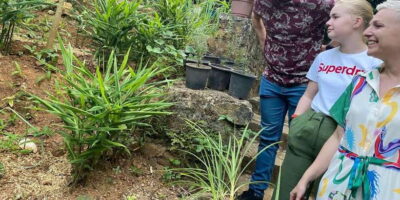
Browse the lists this tour appears in