
Reviewed · GALLE TOURS
Galle: Cooking Class at a Local Home and Market Tour
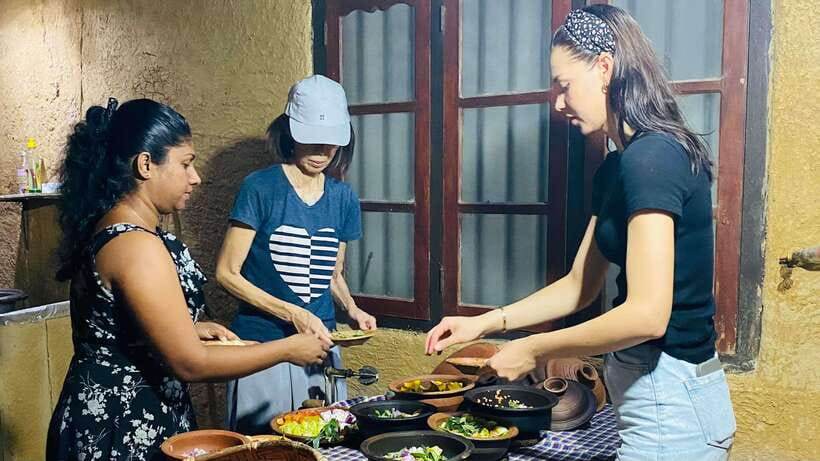
The best part of this three-hour Sri Lankan cooking class is that the meal starts at the market. With Madhu as your guide, you choose fresh vegetables, fish, or other ingredients, learn what they are used for, then take them to her family home in Kotapola. This feels far more personal than a demonstration behind a hotel kitchen counter.
I like two things in particular: everyone helps with several dishes, so you taste a broad range of Sri Lankan food, and the cooking takes place in a real family kitchen. The market visit also gives you a useful look at everyday food shopping, not just a staged lesson. The main consideration is that this is a home-based experience, so you should expect a simple local setting rather than a polished cooking school.
Key points at a glance
- Market-first format: Shop for vegetables, fish, and other ingredients with Madhu before cooking.
- Home kitchen setting: Prepare food in a traditional Sri Lankan kitchen at Madhu’s family home.
- Many dishes in one class: The meal can include seven vegetable curries, fish or chicken curry, coconut sambol, dessert, and other side dishes.
- Hands-on teamwork: You contribute to several recipes instead of preparing only one dish by yourself.
- Small group size: The class is limited to 10 participants, which suits families and groups of friends.
- Strong value at $40: Hotel pickup, a market tour, ingredients, equipment, a full meal, drinks, photos, videos, and recipes are included.
Why this cooking class feels different
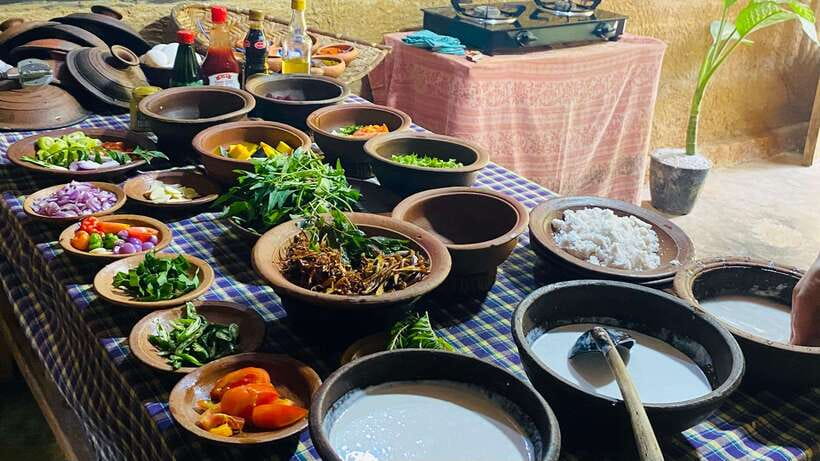
Sri Lankan food is not built around one main dish and a token side salad. A meal may bring together several curries, rice, sambol, vegetables, fish, and sweet or fresh accompaniments. This class gives you a practical way to understand how those parts work together.
Madhu is the host and cooking instructor, and her family home provides the setting. Her teaching style, based on the available details, is friendly and patient. She explains the ingredients, spices, cooking methods, and the role each dish plays at the table. You can also learn a few Sri Lankan phrases during the visit.
I like this format because food becomes the route into local life. You are not simply handed a recipe. You see the produce before it is cooked, ask what unfamiliar vegetables are for, and then help turn those ingredients into lunch or an early dinner.
The activity is listed at $40 per person for three hours. That is a fair price when you count the market visit, transport, food, cooking instruction, ingredients, equipment, recipes, water, a welcome drink, and photo and video service. It is especially good value for a group because you share the cooking while still getting a substantial meal.
More Cooking Classes in Galle
- Sea waves sri lankan cooking class
★ 5.0 · 467 reviews - Galle Unawatuna Cooking Class
★ 5.0 · 142 reviews - Galle Fort cooking class
★ 5.0 · 60 reviews
Starting at the local market in Galle
The first stage is a visit to a local market. A tuk-tuk pickup is described in the experience details, and hotel pickup and drop-off are included. Exact pickup arrangements should be confirmed when you book, since the listed location is Kotapola while the market portion is described in Galle.
At the market, Madhu helps you choose the ingredients for the meal. You might select vegetables you have never tried before, along with fish or chicken if those are part of your menu. This choice matters. Instead of watching a fixed recipe with ingredients selected in advance, you get to see how a Sri Lankan cook thinks about freshness, flavor, and the balance of a meal.
The market is also a useful place to ask questions. You can learn which ingredients go into curries, which are used for sambol, and how spices shape the final dish. A stop at a local spice shop may also be part of the outing, giving you the chance to buy spices to take home.
I would bring a little curiosity and avoid arriving with a rigid idea of what you must cook. The class works best when you are willing to try unfamiliar vegetables and let the market guide the meal. If you have dietary needs, tell Madhu in advance. A vegetarian menu can be handled, and one participant specifically received a less spicy fish preparation for a friend who could not eat much heat.
The street food element adds another layer. You may sample a local snack at the market, although the exact offering is not specified. Treat this as an extra taste of the area rather than the main meal.
Cooking in Madhu’s family home
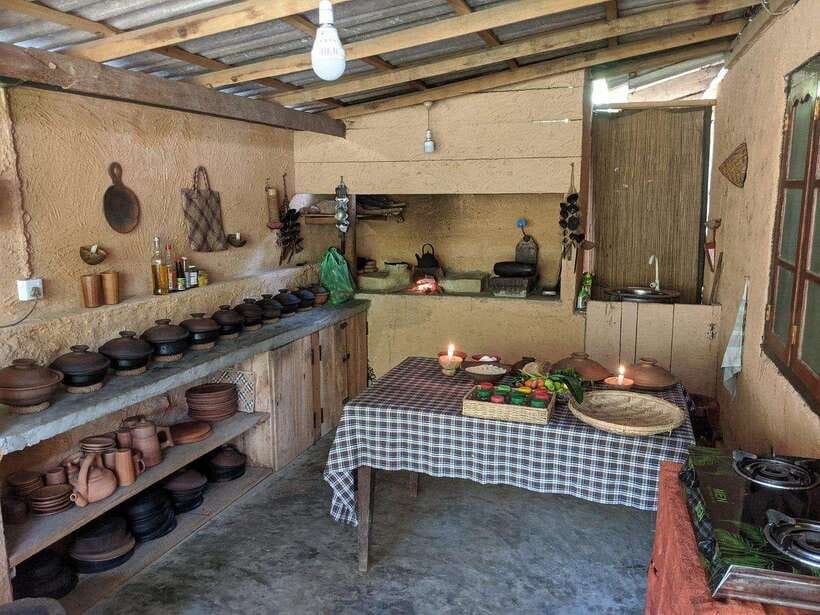
After shopping, you head to Madhu’s home for the cooking session. The kitchen is described as traditional and home-based, which is central to the experience. You will not be in a large professional teaching kitchen with identical workstations and restaurant-style equipment.
That can be a plus or a drawback, depending on what you want. I prefer this kind of setting when the goal is to understand how food is prepared in a local household. You see a more ordinary way of cooking and spend time with Madhu and her family. If you want precise individual instruction at a modern counter, this may feel less formal.
The class is hands-on. Everyone contributes to the dishes, and the group may prepare a large number of recipes. One group learned to make 11 traditional dishes, while the advertised meal highlights seven vegetable curries, fish or chicken curry, coconut sambol, dessert, rice, and side dishes.
The final number depends on the ingredients chosen and the group. The important point is variety. You are not likely to spend the entire class preparing one curry from start to finish. Instead, you help with several dishes and then try the full spread together.
This group approach has a real advantage. Each person can take part in different steps, and everyone gets to sample more food. You might chop vegetables for one curry, work with spices for another, help with coconut sambol, and contribute to a fish or chicken dish. The class becomes a shared meal rather than a private cooking exam.
What you are likely to cook
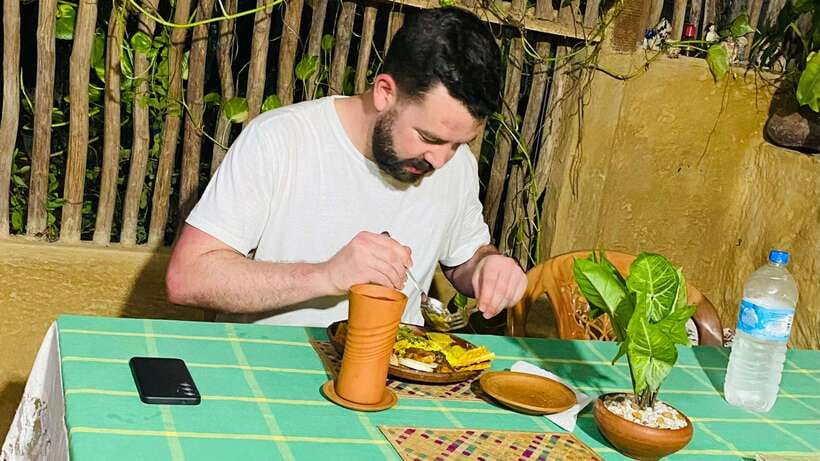
The precise menu is not fixed in the information provided, so you should think of the dishes below as the expected style of the meal rather than a guaranteed list.
A different sort of day out of Galle:
- Whales and Dolphins Watching-Luxury Super Grade Cruiser(Hotel Pick up offered)
★ 5.0 · 1,268 reviews - Galle: Traditional Gems & Jewellery Workshop with Transfers
★ 4.9 · 539 reviews - Galle Fort Walking tour
★ 4.9 · 285 reviews - Snorkeling with Turtles in Mirissa
★ 5.0 · 268 reviews
Vegetable curries
The headline meal includes seven vegetable curries. That is a remarkable amount of variety in one sitting, especially if you are used to restaurants serving one curry with rice.
The market choices help shape this part of the menu. You may encounter vegetables that are new to you, and Madhu explains how they are prepared. This makes the class useful for home cooks who want more than a souvenir recipe. You learn to work with local produce and see how several mild or strongly seasoned dishes can sit together.
Fish or chicken curry
The main protein may be fish or chicken. Fresh fish can be purchased at the market, and one group described its fish curry as a highlight of the meal. Spice levels can be discussed, which is helpful if you enjoy Sri Lankan flavors but do not handle much heat.
Do not expect the class to turn every dish into a toned-down version for international tastes. The point is to learn traditional methods. Still, the ability to adapt one preparation makes the class more comfortable for mixed groups.
Coconut sambol and side dishes
Coconut sambol brings a fresh, sharp contrast to the curries. Side dishes help balance the meal and show why Sri Lankan food is often served as a collection of smaller portions rather than one heavy plate.
Rice and fragrant curry preparations are also part of the cooking session. You learn how the dishes are assembled into a complete meal, not just how to make isolated recipes.
Dessert
Dessert is included in the meal. The exact dessert is not specified, so ask Madhu what is planned if this is important to you.
The meal at the end
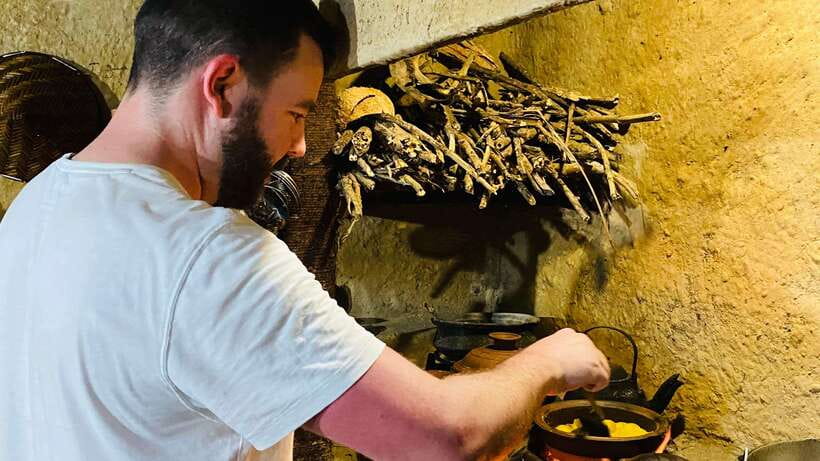
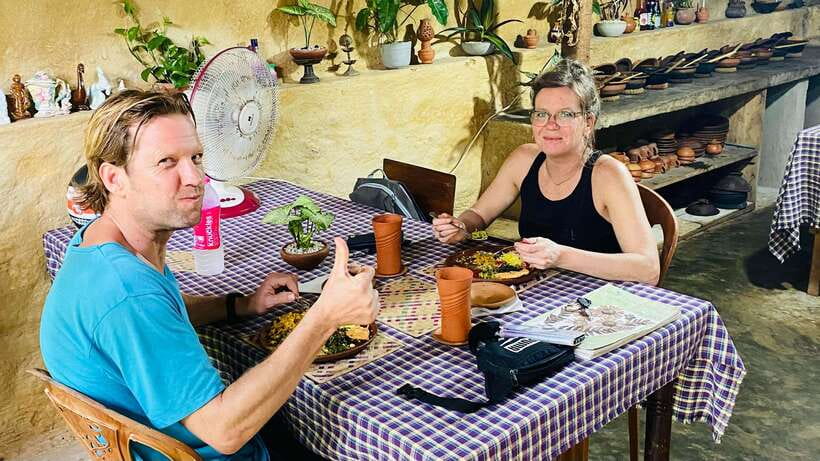
Once the cooking is finished, you sit down with your group and eat what you prepared. This is where the format pays off. You can compare the curries, see how the sambol changes each bite, and appreciate the work behind a table full of dishes.
The meal is described as generous, with side dishes and water included. A welcome drink begins the experience, and the food is served as a traditional Sri Lankan course meal prepared with your local host.
I would allow yourself time to eat slowly. Three hours includes the market, transport between stops, cooking, and the meal, so the schedule is active. The experience is not only about collecting recipes. It is also about sitting together, asking questions, and sharing food in a family setting.
The meal may be the best part for people who do not enjoy formal instruction. You still learn techniques, but the reward is immediate: you eat the results with the people who helped prepare them.
What makes the teaching useful
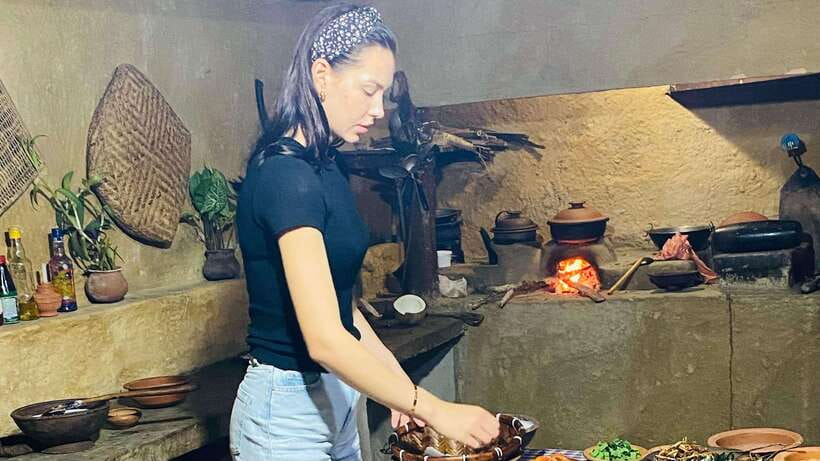
Madhu explains ingredients and their purpose, not just the order of steps. That distinction matters when you try the dishes at home. A recipe that says add spices often leaves you unsure about how much heat, fragrance, or color you should be aiming for.
The group format also means you can ask about techniques as they arise. You may want to know how coconut milk is made, how a curry gets its color, or why one vegetable is cooked differently from another. Homemade coconut milk and spices are part of the experience described by participants, giving you a closer look at ingredients in their fresh form.
Recipes are included, so you have something practical to take away. They will be most useful if you make notes about substitutions available in your own country. Sri Lankan markets contain ingredients that may be hard to find elsewhere, and the recipe alone may not explain the best replacement.
The class is conducted in English. It is also wheelchair accessible, though the available information does not describe the exact kitchen layout or any transfer assistance. If you use a wheelchair, contact the provider before booking to confirm that the pickup vehicle and home entrance fit your needs.
Is three hours enough?
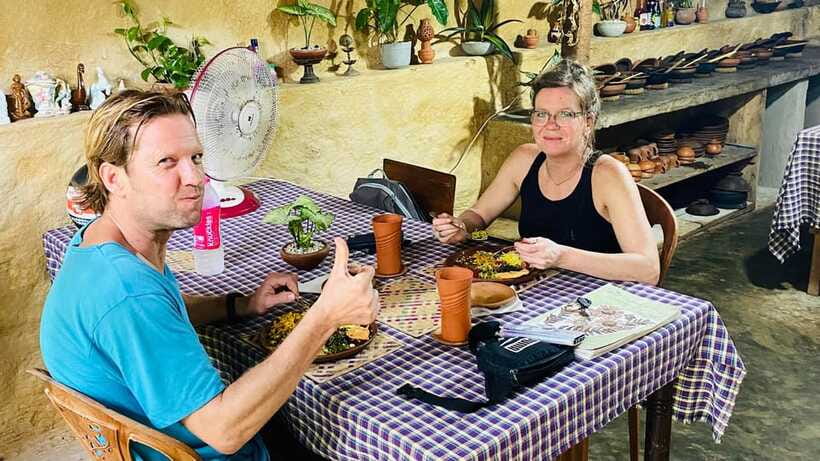
Three hours is enough for a taste of the market, a hands-on cooking session, and a meal. It is not enough for a slow market study followed by a long culinary workshop with detailed practice on every recipe.
That shorter format suits you if you have limited time in the Galle area or want to fit the class into a larger sightseeing day. It also keeps the experience focused. You get the main ingredients of a food visit without giving up an entire day.
The tradeoff is pace. With several dishes on the table, the class may move quickly from one task to the next. If you want to master every technique, ask questions as you go and pay close attention when Madhu demonstrates a step.
Who should book this experience?
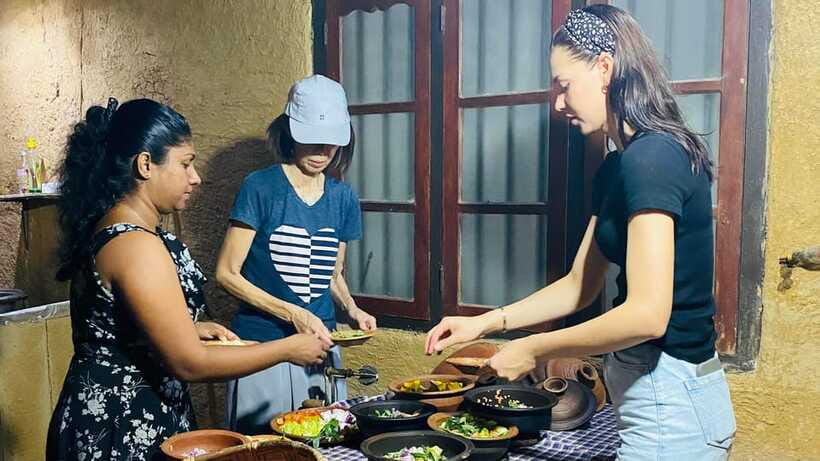
This class suits couples, families, and small groups of friends. Children are welcomed, and the shared work gives younger participants simple ways to help. They may not follow every spice lesson, but they can take part in selecting ingredients and preparing food.
Vegetarians should consider this class, especially if they notify Madhu ahead of time. The menu can include a large selection of vegetable dishes, and special care was given to a vegetarian participant.
It is also a strong choice for anyone who wants contact with local life rather than another restaurant meal. You spend time in a market, visit a family home, learn about food from a local cook, and eat together afterward.
You might skip it if you dislike unfamiliar ingredients, home kitchens, group cooking, or spicy food. You should also choose another activity if your main goal is a formal certificate or advanced culinary training. This is a welcoming cultural cooking session, not a professional chef qualification.
Practical value at $40 per person
At $40, the price covers much more than instruction. You receive:
- Hotel pickup and drop-off
- A local market tour
- A welcome drink
- Ingredients and cooking equipment
- A cooking class with a professional chef
- The meal and side dishes
- Water
- Recipes
- Photo and video service
Transport alone can make a short activity easier, especially if you are staying outside the immediate market area. The ingredients and meal also remove the usual extra costs that come with a cooking class.
The value is strongest when you want an experience that combines several activities: a market visit, local food tasting, a family-home visit, and a full lunch or dinner. If you only want a recipe lesson, you can find cheaper options. If you want a personal introduction to Sri Lankan food and daily cooking, this package is sensibly priced.
The group is capped at 10 people. That is small enough for questions and shared work, though it is not the same as a private class. Ask about a private arrangement if personal attention is your top priority.
Cancellation is flexible: you can cancel up to 24 hours before the activity for a full refund. You can also reserve now and pay later, which helps if your Sri Lankan plans are still shifting.
Should you book the Galle cooking class?
I would book this if you want to understand Sri Lankan food through people, markets, and a shared meal. Madhu’s family-home setting, the chance to choose ingredients, and the wide selection of curries give it more character than a standard demonstration.
The best fit is a curious eater who enjoys trying new vegetables and helping with several dishes. Families and groups of friends should find the shared format especially easy and fun.
Think twice if you need a polished cooking school, a fixed menu, or a very slow lesson. Otherwise, $40 buys three useful hours, plenty of food, local contact, recipes for later, and a better sense of how Sri Lankan meals come together.
FAQ
Where does the cooking class take place?
The activity is listed in Kotapola, Sri Lanka. The experience includes a local market visit in Galle, followed by cooking at Madhu’s family home.
How long does the activity last?
The cooking class and market experience last three hours.
How much does the cooking class cost?
The price is $40 per person.
Is hotel pickup included?
Yes. Hotel pickup and drop-off are included.
Who teaches the class?
Madhu is the local host and cooking instructor. The class is taught in English.
What food will I cook?
The meal includes seven vegetable curries, fish or chicken curry, coconut sambol, dessert, rice, and side dishes. The exact menu can vary according to the ingredients selected at the market.
Is the class suitable for vegetarians?
Yes. Vegetarian arrangements can be made, and you should share your dietary needs before the activity.
How many people can join?
The class is a small-group experience limited to 10 participants.
What else is included?
Ingredients, equipment, a welcome drink, water, the cooked meal with side dishes, recipes, and photo and video service are included. You can cancel up to 24 hours before the activity for a full refund.
More shopping trips in Galle
- Colombo Sightseeing & Shopping
★ 4.5 · 15 reviews - Colombo Sightseeing and Shopping Private Tour Including Lunch
★ 5.0 · 12 reviews - Galle City Tour And Shopping
★ 4.5 · 12 reviews
More markets in Galle
- Market Tour and Hands-On Cooking Class Colombo
★ 5.0 · 140 reviews - Colombo Cooking Experiance with Explore Market
★ 4.7 · 33 reviews - Negombo Private Tour: Market, Temples & Canal
★ 4.9 · 15 reviews
Recently listed around Galle
- Surfing Lessons at Unawatuna★ 4.5 · 11 reviews
- Sinharaja Rain Forest Tours (Full Day)★ 5.0 · 11 reviews
- Mix it Like a Lankan in Unawatuna★ 5.0 · 11 reviews
- Galle to Colombo Airport Private Taxi 247 Lowest Price Mini Bus, Car, Van★ 4.5 · 11 reviews
- Paradise Turtle Watching Tours★ 5.0 · 11 reviews
- Mirissa/Weligama to Colombo Airport Private Taxi Transfer★ 5.0 · 12 reviews
- Yala National Park Private Safari trip from Galle/Unawatuna/Mirissa★ 5.0 · 12 reviews
- Scuba Diving in Unawatuna★ 5.0 · 12 reviews
Galle Tours, compared.

Whales and Dolphins Watching-Luxury Super Grade Cruiser(Hotel Pick up offered)
Read our review →
Traditional Gems & Jewellery Workshop with Transfers
Read our review →



Galle/Mirissa/Hiriketiya: Drop to Ella & Udawalawa Safari
Read our review →
Browse the lists this tour appears in