
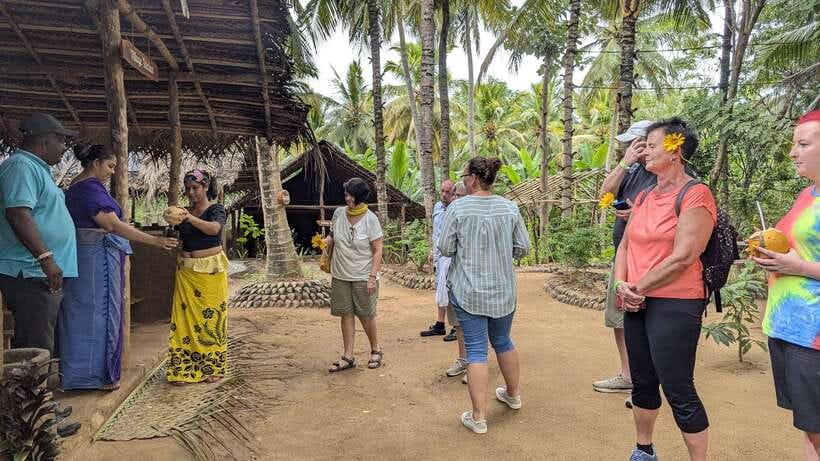
Reviewed · COOKING CLASSES
Udawalawe: Farm to Table Cooking & Authe: Village Experience
Udawalawe’s Ceylon 1850 village recreates rural Sri Lankan life from 200 years ago, but the best part is refreshingly practical: you pick vegetables, grind spices, cook in a traditional kitchen, and eat the result. The old gem mine and cinnamon peeling demonstration add useful local context before the meal.
I like the hands-on cooking, especially the chance to help make coconut sambal and dhal. I also like the friendly, patient staff and the garden walk, two small details that make this feel more personal than a standard cooking demonstration.
The main caution is value. At $30 per person, the experience is not cheap for two hours, and drinks served with the meal may cost extra. One visitor found those drinks priced far above shop rates, so ask about the drink price before ordering.
Key points to know before you book
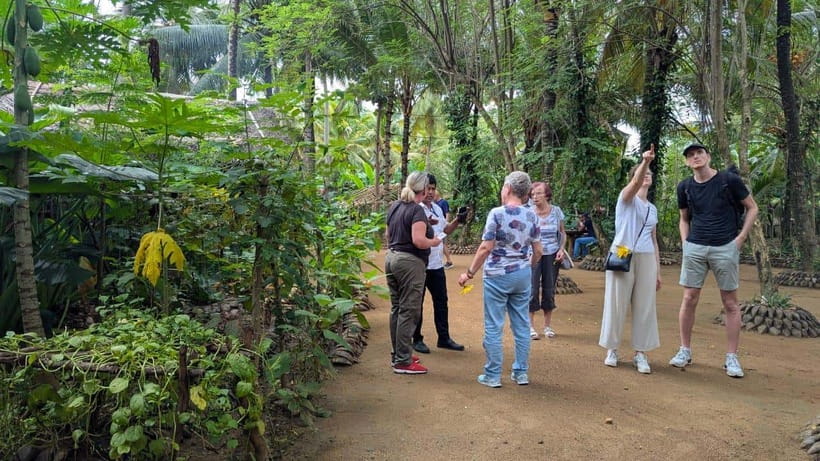
- Pick your own ingredients: You gather vegetables from the organic garden before cooking.
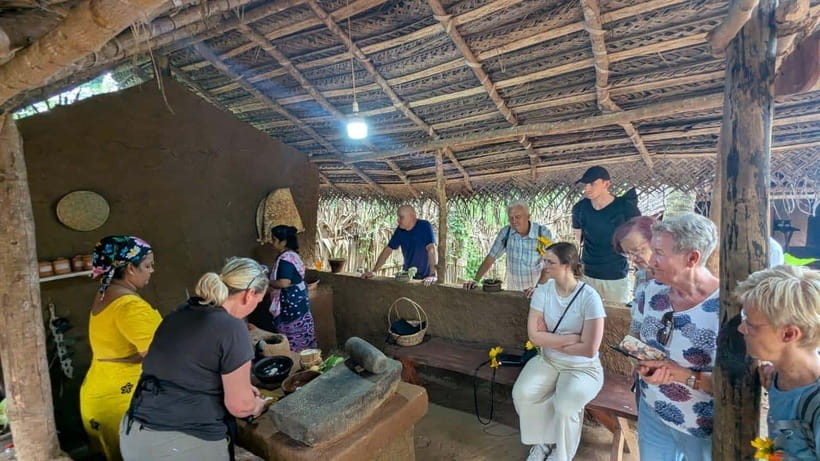
- Cook with local women: The class uses traditional recipes and a village kitchen, with spice grinding and open-flame cooking.
- See two old trades: You visit an ancient gem mine and watch cinnamon being peeled.
- Eat what you make: The final meal includes the dishes prepared during the class, including well-liked coconut sambal and dhal.
- Close to Udawalawe: The property is only 1.2 kilometers from Udawalawe Elephant Orphanage.
- Plan for walking: The route takes about 90 minutes on foot, and the activity is not suitable for wheelchair users.
A village visit near Udawalawe, not just a cooking class
This experience works because it links food with the work behind it. Instead of arriving at a kitchen and finding every ingredient already laid out, you start by seeing where some of the food comes from. That simple change gives the class more meaning.
The setting is a reconstructed traditional Sri Lankan village, designed to show how agricultural communities lived around 200 years ago. You are not signing up for a long museum tour, though. The focus is on ordinary skills: growing vegetables, preparing spices, peeling cinnamon, cooking, and sharing food.
The activity lasts two hours, with about 90 minutes spent walking around the property. That makes it a useful choice if you are staying near Udawalawe and want a short cultural stop between other plans. It is not a full-day village visit, so keep your expectations in the right place.
The group is private, which should make it easier to ask questions and take part at your own pace. Guides speak English and Sinhala. No individual guide names are provided, but the cooking is led by local women, and the staff are described as friendly and keen to explain what they are doing.
More Cooking Classes in Sri Lanka:
- Ella: Traditional Sri Lankan Cooking Class
★ 4.9 · 788 reviews - Organic cooking class sigiriya (kumara & family)
★ 5.0 · 650 reviews - Sri Lanka Cooking Class with Granny
★ 5.0 · 587 reviews
Starting with a local welcome
The welcome drink needs a little clarification. The experience description refers to cinnamon tea, while the included items list a refreshing king coconut. You may receive one or the other, or the exact welcome may depend on the day, so ask when you arrive if this matters to you.
Either drink fits the setting. Cinnamon is a major Sri Lankan spice, and king coconut is a familiar local refreshment. The welcome is brief, but it gives you a gentle start before the walking begins.
This is also a good moment to ask about the meal and any drinks you may want later. The food prepared during the class is included, but extra drinks are not clearly included. Since one person was charged much more than shop prices for drinks at the meal, confirm the cost first. It is a small question that can prevent an awkward surprise.
The old gem mine and Sri Lanka’s stone trade
The visit to the ancient gem mine gives the experience a second subject beyond food. Sri Lanka has long been associated with precious stones, and here you can see an old-style mining site and learn how miners worked to uncover them.
The description promises a guided explanation and a demonstration of the gem-mining process. It does not promise that you will find or buy a stone, so treat this as a cultural stop rather than a shopping opportunity.
I like this part because it shows how rural work was tied to more than farming. The village experience touches several local trades, and the mine helps you understand the practical labor behind Sri Lanka’s gem industry.
Keep the scale in mind. The full visit is only two hours, and the gem mine is one part of a larger program that also includes cinnamon, gardening, cooking, and eating. You should expect a concise introduction, not an extended technical tour.
Watching cinnamon become a usable spice
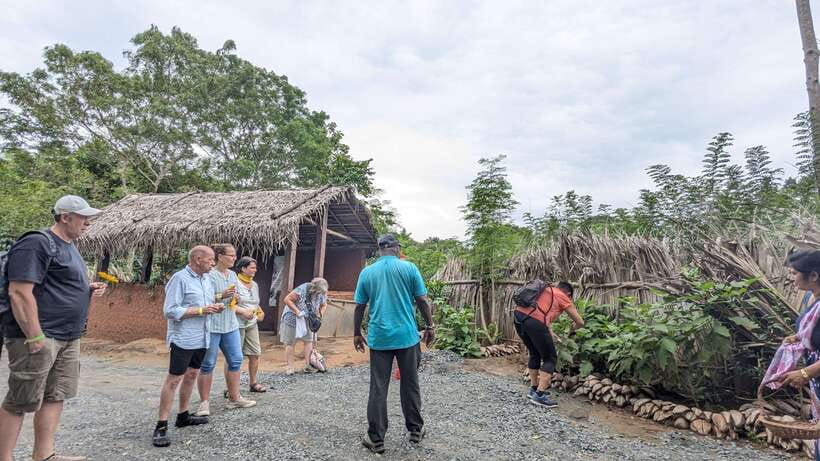
The cinnamon peeling demonstration is another short but worthwhile stop. Skilled workers show how cinnamon is peeled and prepared, turning a familiar spice into something you can understand through sight and touch.
Most people know cinnamon as a powder or a stick in a spice jar. Seeing the preparation process gives you a better sense of the work involved and explains why the spice matters to Sri Lankan culture and trade.
This is a demonstration rather than a full workshop. The supplied details do not say that you will peel the cinnamon yourself, so do not expect another hands-on class at this stage. The real participation comes later in the garden and kitchen.
If you enjoy buying food products on holiday, this is also a useful point to ask what is locally produced. The activity includes the demonstration, but no purchase or take-home spice is listed.
More farm visits in Sri Lanka:
- Day out to Galle[Stilt Fishing. Turtle watching.Cinnamon Farm]
★ 4.5 · 9 reviews - Nuwara Eliya to Horton Plains, Strawberry& Ambewela Farm TUK
★ 4.0 · 5 reviews
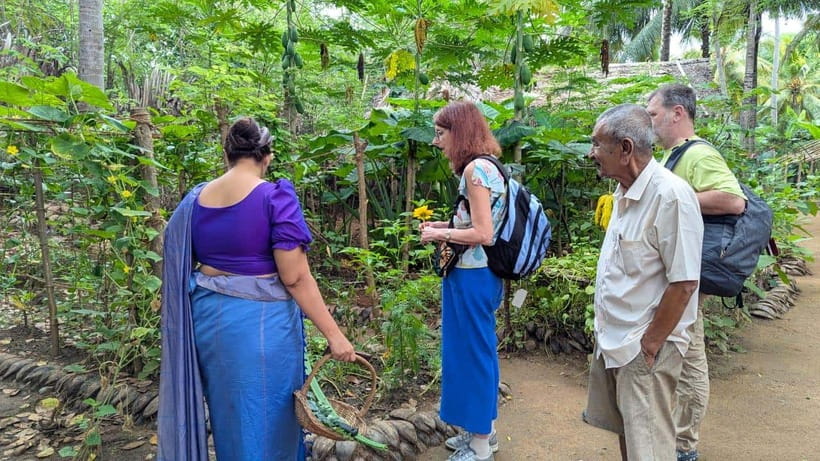
Picking vegetables from the garden
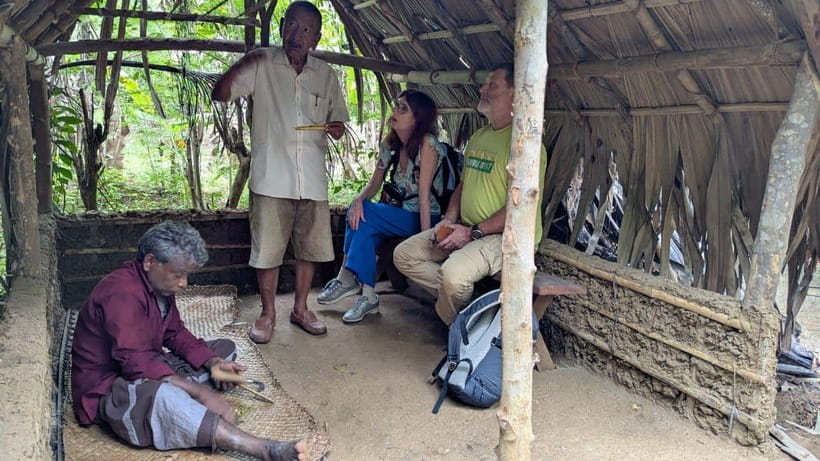
The garden walk is one of the strongest parts of the visit. You pick fresh vegetables before taking them into the kitchen, which gives you a direct role in the meal.
The garden is described as organic, and the staff show you around the produce area before cooking. You should expect a simple farm-to-table step rather than a large agricultural tour. The appeal lies in choosing ingredients yourself and seeing the connection between garden and plate.
This is especially good for families and curious eaters. Children can take part in a clear, physical task, while adults get a closer look at the ingredients used in Sri Lankan home cooking.
The walking matters here. You will spend much of the activity moving around the property, not sitting in one room. Wear comfortable footwear and be ready for an outdoor visit. The information does not specify the ground conditions, so anyone with mobility concerns should check directly before booking.
Cooking in a traditional village kitchen
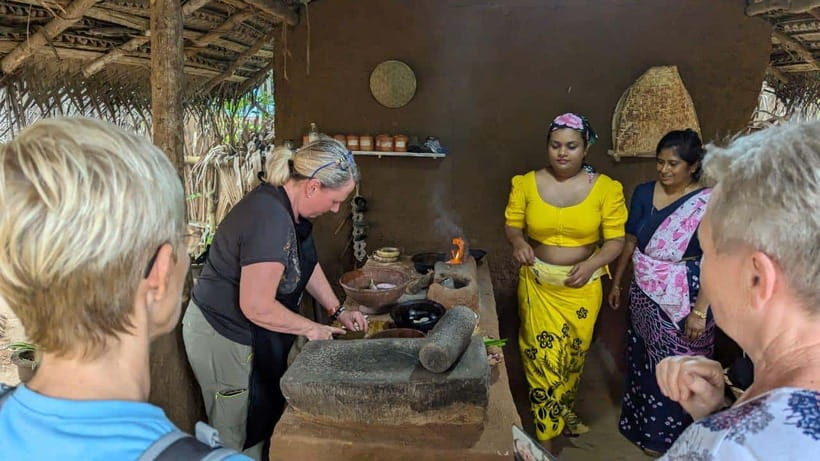
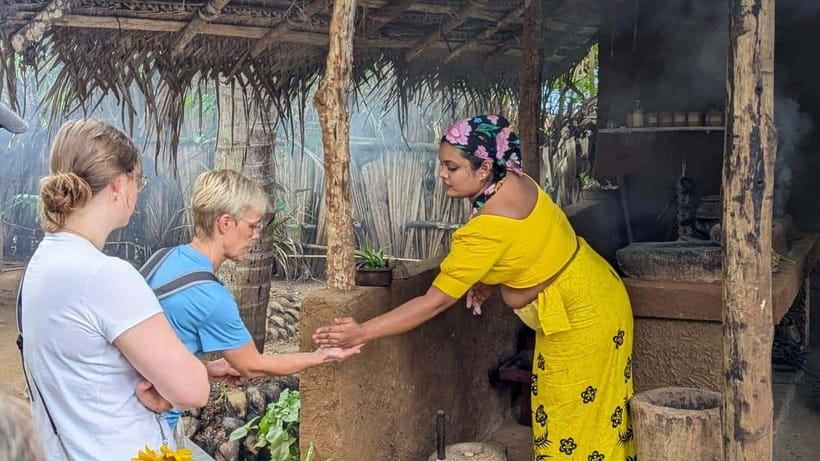
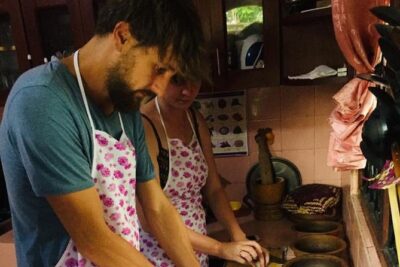
The cooking class is the heart of the experience. You join local women in a traditional village kitchen and help prepare authentic Sri Lankan dishes using older recipes and methods.
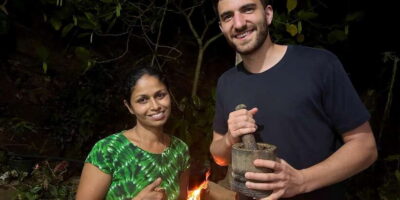
The class includes grinding spices and cooking over an open flame. Those details matter because they turn the session into a working kitchen lesson rather than a staged food tasting. You are expected to take part, not simply watch someone else do everything.
The staff are described as welcoming and eager to explain. That is useful for first-time cooks, since Sri Lankan food can involve several steps that are unfamiliar to you, from preparing coconut to balancing spices.
You should not expect a formal cooking-school setup with printed recipes or professional equipment. The attraction is the village method, with local people showing you how the food is made in their own setting. If you want polished instruction and exact measurements, this may feel informal. If you want to learn by watching and doing, it is a better match.
The strongest praise focuses on the food and the involvement. Coconut sambal and dhal were singled out as especially good, which makes sense: both dishes are central to a Sri Lankan meal, and both show how much flavor can come from fresh ingredients, coconut, and carefully prepared spices.
The cooking portion also gives you a chance to ask questions about daily food traditions, though the exact dishes may vary. No fixed menu is provided, so do not book expecting particular curries or a specific recipe list.
Sitting down to eat your own work
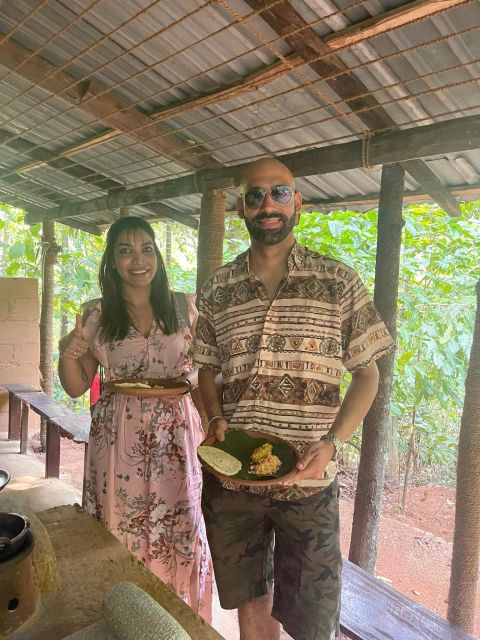
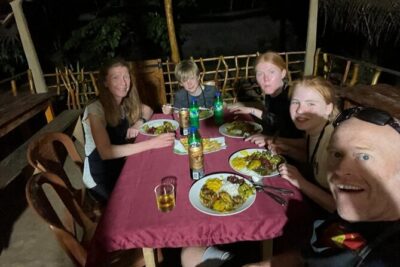
After cooking, you sit down for a local meal featuring the dishes you helped prepare. This final step makes the activity feel complete. You have seen the garden, handled the ingredients, watched local food techniques, and then tasted the result.
The meal is served in a communal setting, with the focus on hospitality and shared food. That may appeal to you if you want a social cultural experience rather than a private restaurant meal.
The food itself is a clear strength. The positive comments center on the cooking and the meal afterward, especially the coconut sambal and dhal. You can reasonably expect those flavors to be a highlight, though the exact menu is not guaranteed.
Watch the bill for drinks. The meal is included, but the information does not say that all beverages are included. A drink charge that is several times the shop price can change how you feel about an otherwise enjoyable meal. Ask before ordering, and you will know exactly what you are paying for.
The promised local melas
The experience also includes participation in local melas, described as traditional fairs with crafts, music, dance, and local delicacies. This sounds like the liveliest part of the visit, but the timing deserves a question.
The listed duration is two hours, while the walking section alone takes about 90 minutes. No schedule explains how long the mela portion lasts or whether a fair operates on every date. Ask the provider what will be happening on your chosen day.
If a mela is taking place, it can add a festive public side to the quieter garden and kitchen work. You can see crafts, sample local foods, and learn about customs in a less structured setting. If no fair is running, the core experience still rests on the mine, cinnamon, garden, cooking, and meal.
Do not treat the mela as the only reason to book. Consider it an added feature whose availability may depend on timing.
Is $30 per person good value?
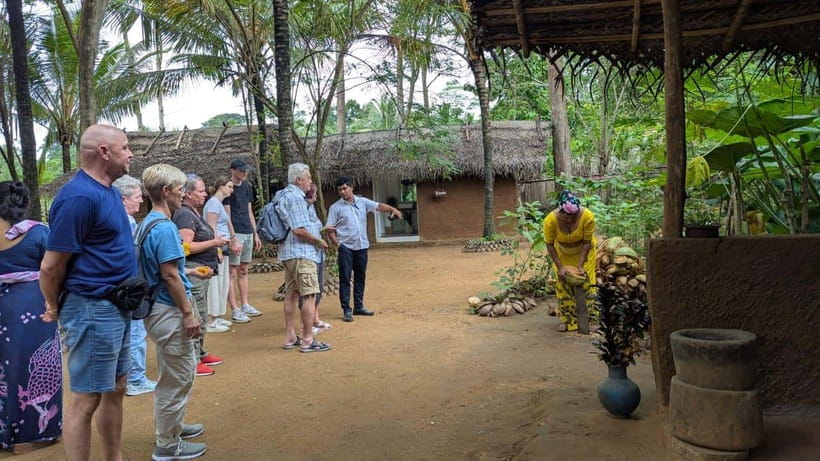
At $30 per person, this is best judged as a private cultural activity rather than a cheap meal. You are paying for a guided visit, a reconstructed village setting, a gem-mining demonstration, cinnamon preparation, garden access, a cooking lesson, and the food you prepare.
The value is strongest if you want to take part. Someone who only wants to eat Sri Lankan food can likely find a less expensive meal elsewhere. Someone who wants to understand how ingredients move from garden to kitchen gets much more from the $30 price.
The private-group format also helps. You avoid being placed in a large class, and you can ask questions in English or Sinhala. Still, two hours is a short visit, so the price may feel high if you expect a long class, a large number of dishes, or an extended cultural program.
The extra-drink issue is the main value warning. Food is included, but drinks may not be, and you should confirm the price before ordering. With that handled, the cost is easier to assess fairly.
Who will enjoy this experience most?
I would recommend it to you if you want a compact introduction to village food and rural crafts near Udawalawe. It suits couples, families, and small private groups that prefer doing something practical over sitting through a long talk.
It is also a good fit for people who enjoy food markets, cooking, spices, and local work traditions. The garden and kitchen are the main draw, while the mine and cinnamon demonstration broaden the visit.
You may want to skip it if you dislike walking, need wheelchair access, or want a highly structured cooking school. The activity is not suitable for wheelchair users, and roughly 90 minutes are spent on foot.
It may also disappoint if you expect an untouched 200-year-old settlement. The village is reconstructed to present older traditions. That does not make the visit worthless, but it means you are seeing a carefully created cultural setting rather than an ordinary village operating exactly as it did two centuries ago.
Practical details for planning your visit
The meeting point is about 1.2 kilometers from Udawalawe Elephant Orphanage, making this easy to combine with a visit in that area. The location is in Sri Lanka’s Sabaragamuwa Province.
The activity is listed as two hours, but allow enough time for the full walking route and meal. Starting times vary, so check availability for your date.
Comfortable shoes are a sensible choice. The experience involves walking through the village and garden, and it is not designed for wheelchair users.
English and Sinhala are available. The group is private, which is useful if you want more direct contact with the cooking team.
You can cancel up to 24 hours before the start for a full refund, and you can reserve now and pay later. Those terms are helpful if your Udawalawe plans may change.
Should you book the Ceylon 1850 village experience?
Book it if you want to cook, not just watch. The vegetable picking, spice preparation, open-flame kitchen, and shared meal give you a real role in the visit, and the friendly local women appear to be the strongest part of the experience.
The old mine and cinnamon demonstration add useful context, while the location near Udawalawe Elephant Orphanage makes this an easy short stop. I would rate it as a good cultural add-on, especially for food-minded visitors and private groups.
Before paying, confirm the welcome drink, the exact dishes, the mela schedule, and the price of any drinks served with the meal. If you are comfortable with those details and with 90 minutes of walking, $30 is reasonable for the combination of food, local instruction, and rural traditions.
FAQ
How long does the Udawalawe village experience last?
The activity lasts two hours. About 90 minutes of that time is a walking tour around the property.
How much does the experience cost?
The listed price is $30 per person.
Where is the meeting point?
The property is 1.2 kilometers from Udawalawe Elephant Orphanage, in Sri Lanka’s Sabaragamuwa Province.
What languages are available?
The live tour guide service is available in English and Sinhala.
Is this a private activity?
Yes. The experience is arranged for a private group.
Is the meal included?
Yes. The meal featuring the dishes prepared during the cooking class is included. Drinks are not clearly included, so confirm their price before ordering.
Is the experience suitable for wheelchair users?
No. The activity is listed as not suitable for wheelchair users and includes about 90 minutes of walking.
Can I cancel the booking?
Yes. You can cancel up to 24 hours in advance for a full refund. You can also reserve now and pay later.
Recently listed around Sri Lanka
- From Dambulla/ Sigiriya: Ancient City of Polonnaruwa by Bike★ 4.1 · 3 reviews
- From Dambulla: Minneriya National Park wild Jeep Safari★ 5.0 · 3 reviews
- Trincomalee: Guided scooter City Tour★ 5.0 · 3 reviews
- Yala Safari – Yala National Park★ 5.0 · 3 reviews
- From Colombo: Day Trip to Galle City, Koggala and Unawatuna★ 4.2 · 3 reviews
- Discover Sigiriya Dambulla and Minneriya Park in Day Tour★ 5.0 · 3 reviews
- Udawalawe Private Safari with Picnic and Hotel Pickup★ 5.0 · 3 reviews
- Minneriya National Park Safari | Jeep with Tickets★ 5.0 · 3 reviews
Cooking Classes, compared.
Organic cooking class sigiriya (kumara & family)
Read our review →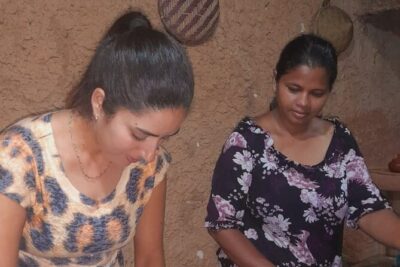
Sri Lankan Cooking Class with Neranji at Homestay
Read our review →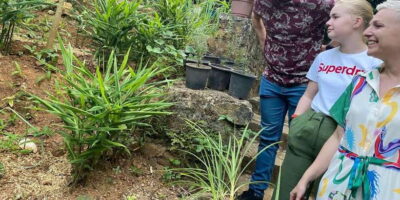
Browse the lists this tour appears in