
Reviewed · MIRISSA & WELIGAMA TOURS
Sri Lanka: Cooking Class
Sri Lankan cooking makes a strong first impression through its use of spices, coconut, rice, vegetables, fish, and meat. This Kotapola class takes you past the restaurant table and into the kitchen, where you learn how those ingredients fit together and why Sri Lankan food tastes so different from one dish to the next. I especially like the hands-on format and the chance to eat with a local household afterward.
I also like that the hosts ask about your diet and food preferences before the class, at least in some cases, so the menu can be prepared with you in mind. The main caution is spice level. One participant found the food far hotter than requested, so repeat your less-spicy request clearly before cooking and again when the dishes are being prepared.
Key points to know before booking
- Seven or eight dishes in one class: Recent sessions included a broad spread of dishes, giving you plenty to taste and practice.
- Coconut is central: You learn about a key ingredient in Sri Lankan home cooking, not just a garnish.
- Tuk tuk pickup is included: Pickup from a hotel or villa in the Kotapola area is arranged about 30 minutes before the activity.
- The meal is part of the experience: You sit with your hosts and taste what you have prepared, though the booking information separately lists meals and beverages as not included.
- Spice needs careful handling: Ask for mild or less spicy food in advance, and be specific about your tolerance.
- Three hours is the planned duration: Cooking time may vary, with one recent class preparing seven dishes in about an hour and a half.
Cooking in Kotapola, not just watching a demonstration
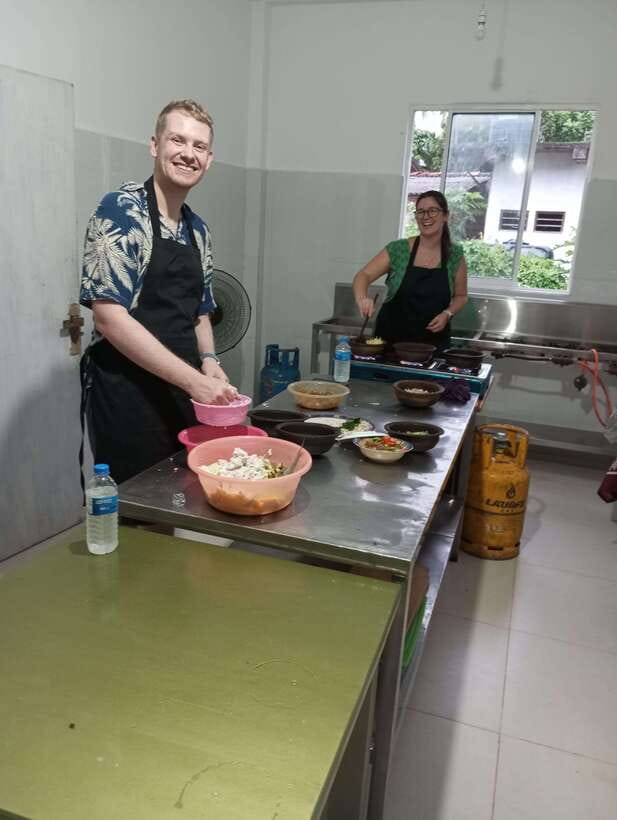
The best feature of this experience is its practical nature. You are not simply shown a plate of curry and told that Sri Lankan cuisine uses spices. You take part in preparing the food, which gives you a better sense of how the ingredients work together and how much effort goes into an everyday meal.
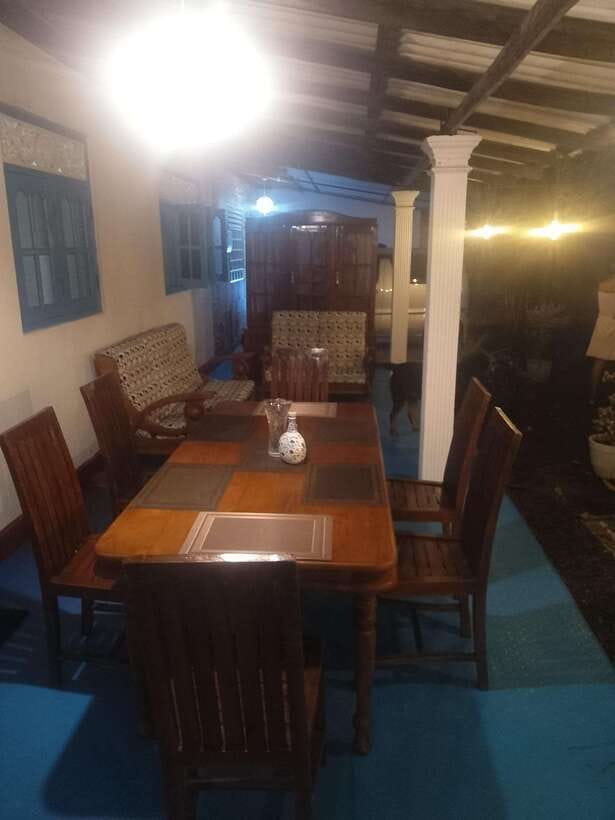
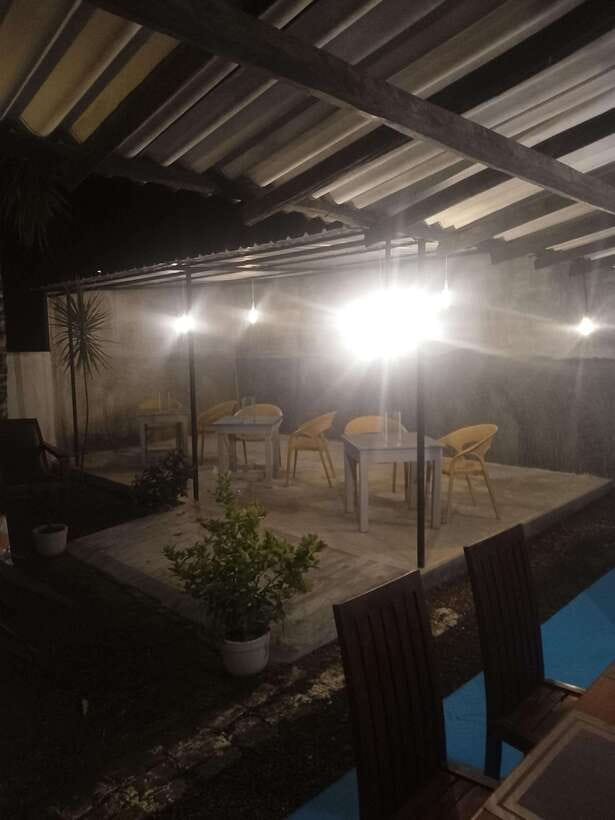
Kotapola gives the class a local setting rather than a hotel kitchen designed for tourists. The activity is built around meeting your hosts, hearing about daily life in Sri Lanka, and sharing the food at the end. That human contact matters. You learn not only what goes into the pot, but also how food fits into the household and the culture.
The class is conducted in English by a live guide. Rnishani is named in one account as the cooking teacher, and the instruction is described as clear and careful. You can expect guidance while working, rather than being left to guess what to do next.
More Cooking Classes in Mirissa & Weligama:
- Mirissa: Cooking Class with Beer and Meal
★ 3.3 · 4 reviews - Ella: Traditional Sri Lankan Cooking Class
★ 4.9 · 788 reviews - Organic cooking class sigiriya (kumara & family)
★ 5.0 · 650 reviews
From ocean trade to the Sri Lankan kitchen
Sri Lankan food reflects the island’s position along old Indian Ocean trade routes. Local traditions from its different ethnic communities developed alongside outside influences brought by foreign traders. That helps explain why the cuisine has such a wide range of ingredients and methods.
The class places particular weight on the role of spices. This is useful because Sri Lankan food is not simply about adding heat. Different herbs and spices create distinct flavors, and the balance between them matters. You get a better feel for that balance when you smell, mix, and cook the ingredients yourself.
Rice is a major part of the country’s food culture, and coconut appears again and again. Coconut is widely available across Sri Lanka and can shape the texture and flavor of a dish. Seafood also has an important place, with fresh fish and preserved fish both used in the cuisine.
The result is a class with more cultural context than a standard recipe lesson. You may leave with a few dishes you can recreate, but you also gain a clearer idea of why rice, coconut, seafood, vegetables, and spice blends are so closely linked in Sri Lankan cooking.
What the three-hour visit is likely to look like
The day begins with pickup from your hotel or villa in the Kotapola area. A tuk tuk collects you around 30 minutes before the activity, so allow a little time for the ride and do not schedule another appointment too tightly afterward.
The exact cooking order is not specified, and the menu can vary. The available accounts describe classes producing seven or eight different dishes. That is a substantial amount for a short session, and it suggests a broad introduction rather than a slow, detailed study of one recipe.
You should expect the host to explain ingredients, preparation, and cooking steps as you work. One session produced seven dishes in roughly an hour and a half, while another prepared eight. The advertised total duration is three hours, so the remaining time may include pickup, introductions, explanations, eating, and time with the hosts. Ask at the start how the schedule will run if you want a slower lesson.
The menu may include different kinds of vegetables and meat. Seafood is also an important part of Sri Lankan cuisine, but the available information does not promise a seafood dish every time. If a particular ingredient matters to you, ask ahead rather than assuming it will be served.
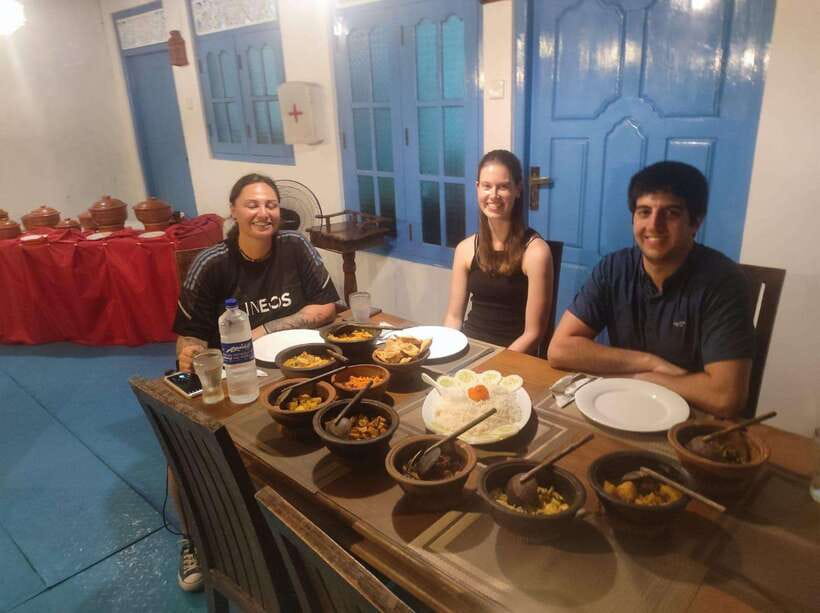
At the end, you sit down and taste the food you helped prepare. This shared meal is more than a reward after the work. It lets you compare the separate dishes, ask final questions, and talk with your hosts about everyday life in Sri Lanka.
The real value of learning by doing
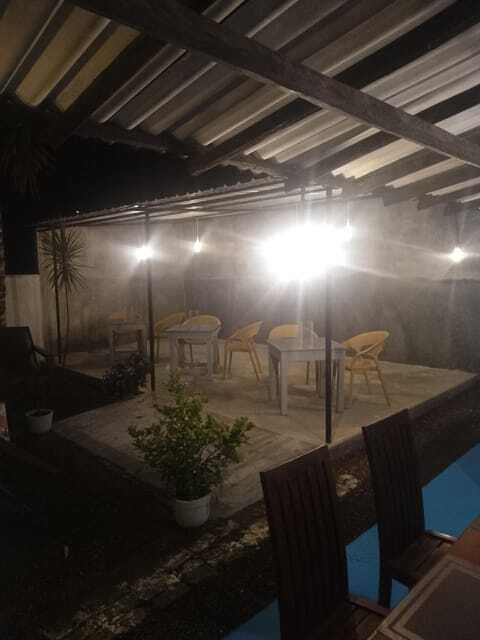
A cooking class earns its price when the activity changes how you understand food. Here, the hands-on work helps you notice details that are easy to miss in a restaurant. You see how much coconut or spice is used, how vegetables are handled, and how several dishes can come together as one meal.
At $50 per person, the price is not just for lunch. It covers a three-hour activity, an English-speaking guide, transport by tuk tuk from a nearby hotel or villa, bottled water, and entrance fees to all sites, although the class description does not identify separate sightseeing stops. The food you prepare is the practical centerpiece, even though meals and beverages are listed under exclusions.
For a solo diner, $50 is a fair price if you value instruction and local contact. It is less compelling if you only want a cheap meal, since the point is the process rather than the amount of food alone. Couples and small groups may find the shared format especially worthwhile because you can compare your results and talk through the recipes together.
The value also depends on how much explanation you receive. A fast class with seven or eight dishes may give you variety but not much time for fine detail. If you want to learn each recipe thoroughly, tell the host at the beginning and ask which dishes are most important to focus on.
More workshops and classes in Mirissa & Weligama:
- Surf & Stay – Private Surf Lesson Experience in Weligama
★ 4.5 · 29 reviews - Surf & Stay: Private Surf Lesson in mirissa
★ 4.4 · 15 reviews - Weligama: Pottery Workshop with Tea and Snacks
★ 5.0 · 7 reviews - Sri Lanka Cooking Class with Granny
★ 5.0 · 587 reviews
Spice, diet, and what to tell your host
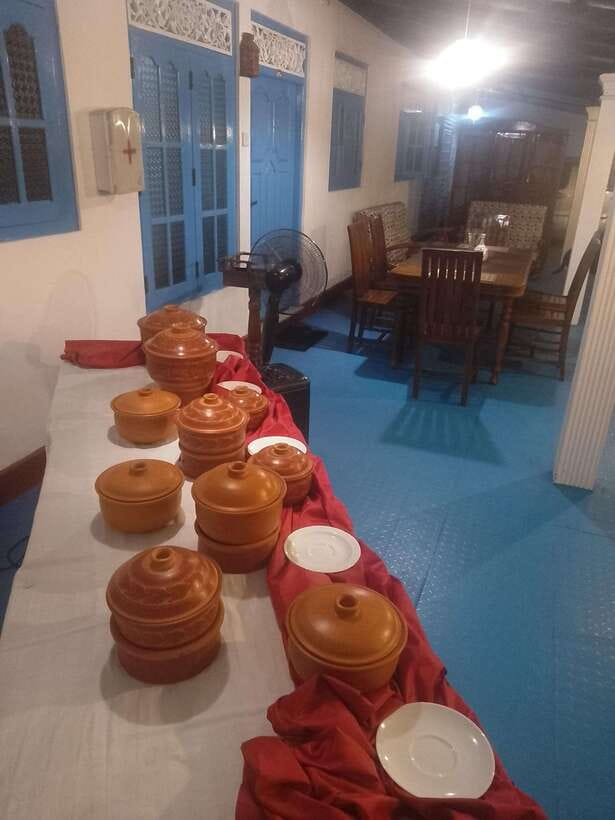
Sri Lankan cuisine can be hot, but heat is not the whole story. The class uses a mix of herbs and spices, and the right level can make the food exciting rather than painful. Still, the experience has a clear warning sign: one participant specifically requested less spicy food and found several dishes too hot to eat.
I would treat this as a point to manage, not a reason to dismiss the class. Tell the host your preferred spice level before the activity, then repeat it when the cooking starts. Use clear terms such as no chili, mild, or less spicy if that is what you need. If you can eat some heat but not a lot, say so plainly.
The hosts may also ask about dietary needs and preferences before the class. One participant said this was done and that the kitchen was prepared accordingly. This is encouraging, but you should still raise allergies, vegetarian requirements, meat restrictions, or other concerns before booking and again on arrival.
The class includes different vegetables and meat, so it may suit mixed groups with varied tastes. The food is prepared for everyone, though, so do not assume every preference can be handled at the last moment. Early communication is the sensible approach.
Meeting the people behind the food
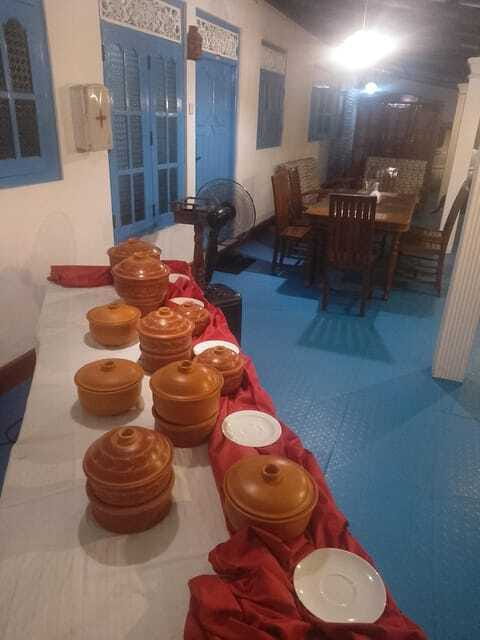
The social side is one of the strongest reasons to choose this class. You spend time with local hosts, hear about their daily lives, and share a meal in a setting connected to their home and routine. That can tell you more about Sri Lanka than another restaurant visit.
The atmosphere appears warm and personal. The host described in the strongest account was kind, careful, and clear when explaining the work. Another account praised the welcome, communication, and menu choice. Rnishani is specifically named as an excellent teacher, so if you are able to request her, it is reasonable to ask if she will be leading your class. The information does not guarantee that she is available for every booking.
The number of participants is not provided. That matters because a small class usually gives you more direct time with the teacher, while a larger group may mean sharing preparation tasks. Ask about group size if personal instruction is important to you.
You should also expect a working kitchen rather than a polished show kitchen. Wear simple, comfortable clothing that lets you move easily. The instructions specifically recommend practical dress, and they ask participants not to arrive under the influence of alcohol because cooking involves safety concerns.
Getting there by tuk tuk
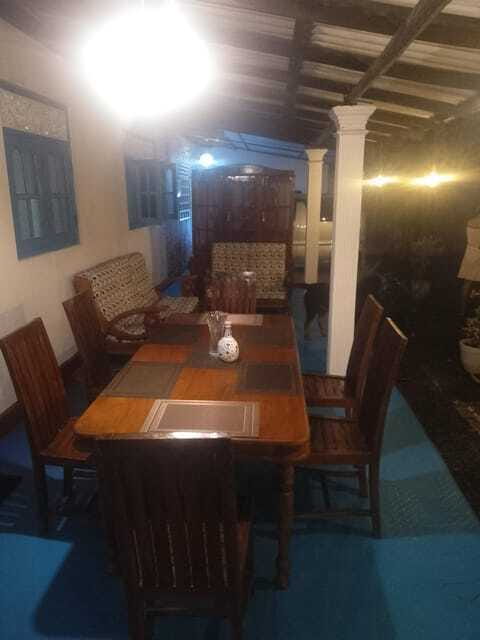
Hotel or villa pickup is included for properties in the stated area around Kotapola. The pickup vehicle is a tuk tuk, and collection is planned around 30 minutes before the class. This is a pleasant way to reach a local cooking setting, but it also means you should be ready at the agreed time and keep your belongings secure.
The information does not specify the exact pickup radius, so confirm that your accommodation qualifies. It also does not state how long the tuk tuk ride takes. The three-hour duration should be treated as the activity window rather than a guarantee that every minute will be spent cooking.
Bottled water is included. Other drinks are not included, and personal expenses are your responsibility. The meal you prepare is central to the class, but the booking details still list meals and beverages as not included, so clarify what is supplied beyond the food used for the lesson.
There is a contradiction in the accessibility information. One section says the activity is wheelchair accessible, while another says it is not suitable for wheelchair users or people with mobility impairments. If you use a wheelchair or have difficulty standing, walking, or working in a kitchen, contact the provider before paying and ask for precise details about the tuk tuk, entrances, seating, and cooking area.
Who will enjoy this class most
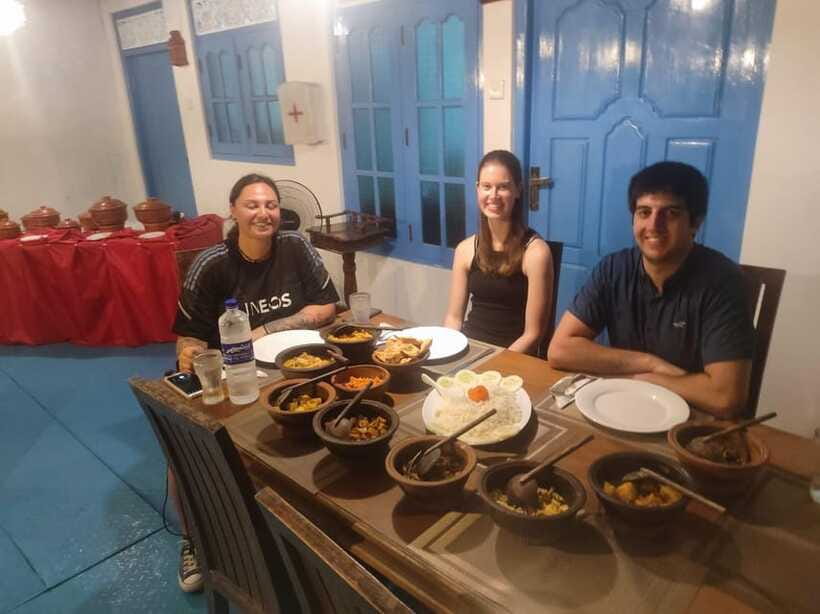
I would choose this experience if you want a direct connection with Sri Lankan food and do not mind taking part in the work. It suits curious eaters, couples, families with suitable older children, and anyone who prefers a home-based activity to a formal sightseeing stop.
It is also useful early in a Sri Lanka trip. After learning how coconut, rice, vegetables, fish, and spices fit together, restaurant menus become easier to understand. You may recognize ingredients and ask for a spice level that suits you.
The class is less suitable if you want a quiet meal with no participation. It may also frustrate you if you need exact control over every dish, since the pace can be quick and the spice level may not match your request unless you speak up firmly.
The activity is advertised as wheelchair accessible, but the conflicting note means I would not book it without direct confirmation if mobility is a concern. The same applies to serious food allergies or strict dietary rules.
Booking advice and final verdict
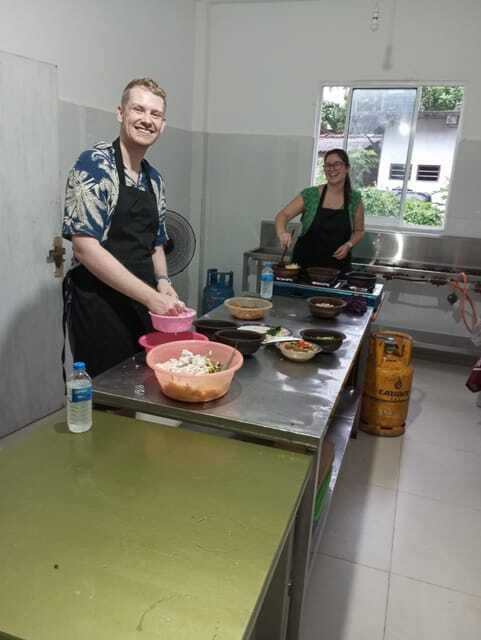
You can cancel up to 24 hours before the activity for a full refund, and the reserve-now, pay-later option keeps your plans flexible. Starting times depend on availability, so check the schedule before arranging transport or other activities.
I would book this for the hands-on cooking, local hosts, and shared meal, not simply for the food. The strong points are clear instruction, a friendly welcome, tuk tuk pickup, and a generous range of dishes for a three-hour visit. The main risks are an unexpectedly hot menu, a possibly fast cooking pace, and unclear accessibility information.
Book it if you are willing to work, taste, ask questions, and communicate your needs early. Skip it if you want a guaranteed mild meal or a fully passive dining experience. For most food-focused visitors staying near Kotapola, the chance to cook seven or eight Sri Lankan dishes with a local host makes $50 a reasonable spend.
FAQ
Where does the cooking class take place?
The class takes place in Kotapola, Sri Lanka.
How long does the experience last?
The advertised duration is three hours. Individual cooking sessions may move at a different pace, with available accounts describing seven dishes in about one and a half hours and eight dishes in another session.
How much does the class cost?
The listed price is $50 per person.
Is hotel pickup included?
Yes. Pickup and drop-off are included for hotels or villas in the relevant area around Kotapola. Pickup is by tuk tuk, usually about 30 minutes before the activity.
What language is the class conducted in?
The live guide speaks English.
Will I eat the food I cook?
Yes. The experience includes sitting with your hosts and tasting the dishes you prepare. Meals and beverages are also listed as not included, so clarify which drinks or additional food may involve an extra cost.
Can I request less spicy food?
You can communicate your food preferences and dietary needs to the host. Because one participant found the food too spicy despite requesting less heat, repeat your request clearly before cooking and when the menu is discussed.
Is the activity suitable for wheelchair users?
The information is inconsistent. One section says it is wheelchair accessible, while another says it is not suitable for wheelchair users or people with mobility impairments. Contact Tourlankaholidays for confirmation before booking if this affects you.
Recently listed around Mirissa & Weligama
- All Inclusive Mirissa Whale & Dolphin Watching + Snorkeling★ 3.9 · 3 reviews
- Mirissa/Galle/Hikkaduwa: Transfer to Ella & Udawalawa Safari★ 5.0 · 3 reviews
- Mirissa: Whale & Dolphin Watching Cruise with Breakfast★ 3.4 · 3 reviews
- Scuba Diving in Mirissa★ 5.0 · 4 reviews
- Mirissa: Cooking Class with Beer and Meal★ 3.3 · 4 reviews
- From Galle/Weligama/Mirissa/Matara: Day Trip to Sinharaja★ 5.0 · 5 reviews
- Mirissa: Whale Watching Cruise★ 3.1 · 5 reviews
- Mirissa: Whale & Dolphin Watching Trip with Private Transfer★ 4.1 · 6 reviews
Mirissa & Weligama Tours, compared.
Unforgettable Snorkeling Experience with Turtles
Read our review →
From Mirissa / Galle / Tangalle to Yala Safari & Drop- Ella
Read our review →
YALA SAFARI TOUR from TANGALLE/HIRIKETIYA/MIRISSA/GALLE
Read our review →
From Mirissa/Galle/Hikkaduwa: Udawalawa National Park Safari
Read our review →
All Inclusive Mirissa Whale and Dolphin Watching Boat Ride
Read our review →
Surf & Stay – Private Surf Lesson Experience in Weligama
Read our review →
Browse the lists this tour appears in