
Reviewed · WORKSHOPS
Ahangama: Traditional Jewellery Making Workshop
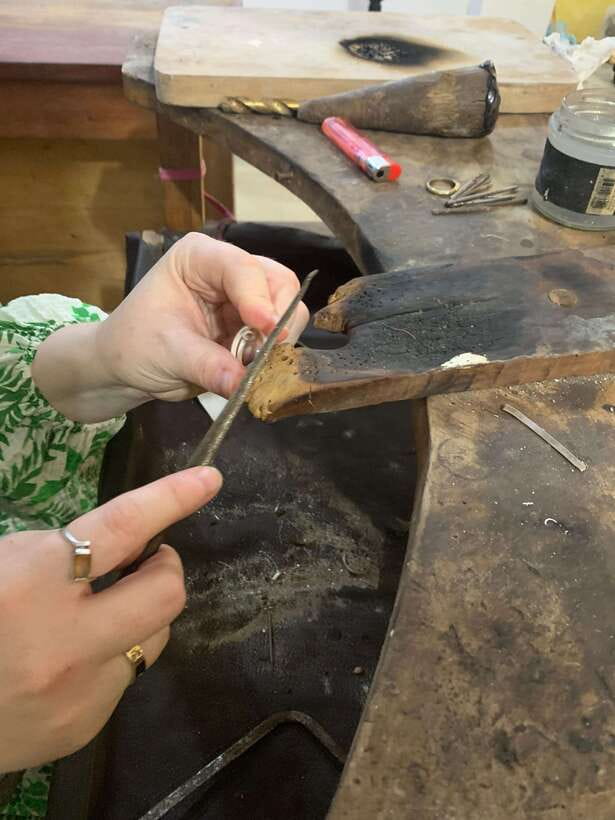
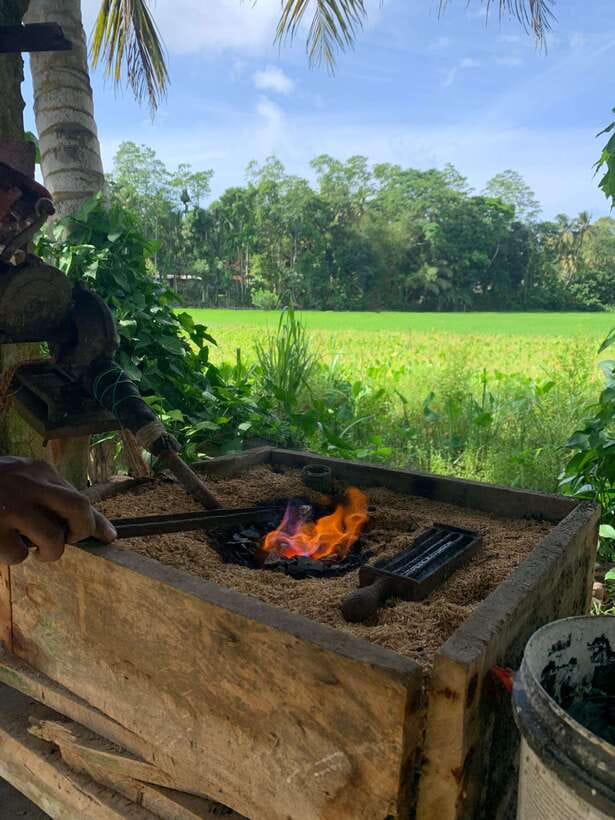
Making a ring by hand is the heart of this private Kotapola workshop. Under Tharindu’s calm guidance, you can work the silver yourself, from melting and flattening it to changing its shape and filing the finished piece. This is not a quick shop visit. It is a practical look at how local jewellery takes form.
I like two things right away: you get real time with a local artisan, and you leave with jewellery you helped make. The workshop also explains the place of traditional jewellery in Sri Lankan culture, so your souvenir has more meaning than a piece picked up from a display case.
The main drawback is getting there. The workshop is held at the artisan’s home, and one visitor found the route confusing, although local people helped with directions. You also need to pay separately for transport, meals, and any stones added to the jewellery.
Key points to know before booking
- You work with the silver yourself: Expect hands-on tasks such as melting, flattening, shaping, and filing.
- Tharindu leads the session: He demonstrates each step and explains the tools before you use them.
- Your jewellery goes home with you: The activity includes handmade jewellery, including a complimentary silver ring.
- Stones cost extra: Materials and tools are included, but gemstones are not.
- It is a private group: You get direct instruction rather than joining a large class.
- Allow time for directions: The meeting point is a private home in Kotapola, reached after WhatsApp contact with the provider.
A jewellery workshop with real handwork
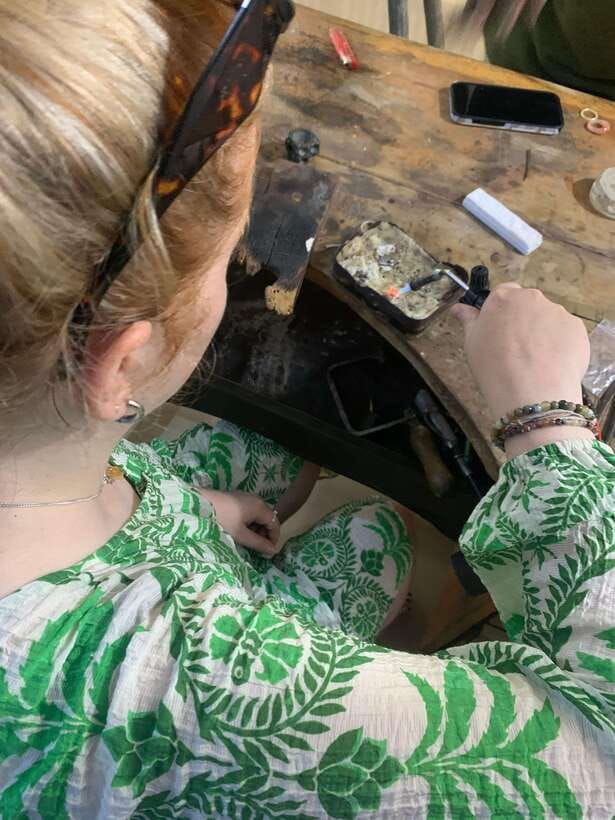
Many craft activities let you watch an artisan and then buy the result. This one gives you a more active role. You are shown how the work is done, then invited to take part in the stages that shape the metal.
The exact design will depend on your discussion with the artisan and the materials you choose. The available information confirms that you can work with authentic techniques and materials, but it does not promise a particular ring style, stone, or finish. That is useful to know before you arrive. Think of this as a guided making session, not a fixed class with one identical finished product for everyone.
The workshop is designed for beginners. You do not need prior jewellery-making experience, and the instruction is given in English. The private-group format should make it easier to ask questions, slow down when needed, and get help with a fiddly step.
At the same time, this is still craft work. You will handle tools and take part in shaping metal, so it may require patience and careful attention. The activity is not suitable for children under 12 or for people with back problems.
More workshops and classes in Sri Lanka:
- Ella: Traditional Sri Lankan Cooking Class
★ 4.9 · 788 reviews - Organic cooking class sigiriya (kumara & family)
★ 5.0 · 650 reviews - Sri Lanka Cooking Class with Granny
★ 5.0 · 587 reviews
Meeting Tharindu at the artisan’s home
Your meeting point is the artisan’s home in Kotapola. This gives the experience a personal feel, but it also means you should not expect a clearly marked commercial studio or a standard tourist attraction with an obvious entrance.
After contacting the provider through WhatsApp, you receive directions for yourself or your driver. I would do this before setting out and keep the phone number easy to reach. One practical lesson from the experience is simple: do not rely only on a map pin if the route looks uncertain. Ask the driver to confirm the final approach, and leave a little extra time.
Arriving 15 minutes early is requested. That buffer matters here because you may need a moment to find the house, meet the artisan, and settle in before the tools come out.
The welcome starts with a drink, followed by an introduction to the craft. Since meals are not included, plan food separately. No smoking is allowed during the activity.
From raw silver to a finished ring
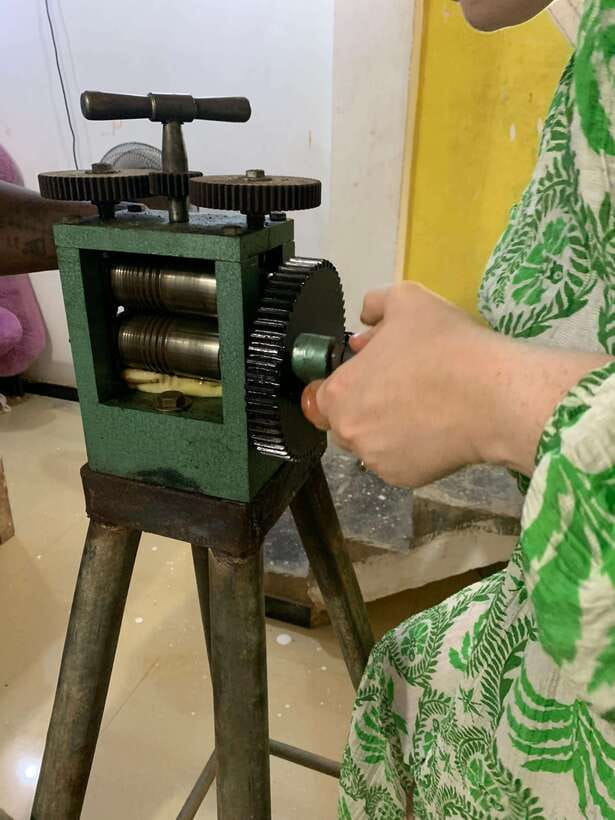
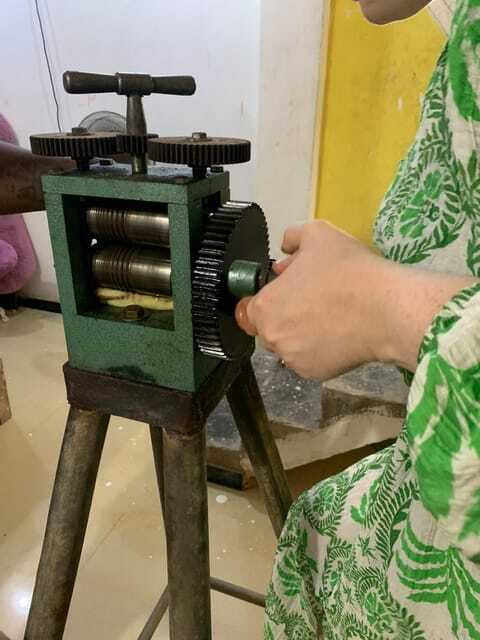
The most interesting part is the sequence of hand tasks. You are not simply given a finished band to decorate. The process described by past participants includes melting the silver, flattening it, changing its shape, and filing the edges.
Tharindu demonstrates each stage before you try it. This is important for first-time makers. Metalwork can look easy when an experienced person handles the tools, but the small changes in shape and thickness take care. His role is to show you the method, then let you do as much as possible yourself.
The making process gives the day a clear rhythm:
- You learn about the tools and the basic method.
- You work the silver into a usable form.
- You adjust the shape of the piece.
- You file and refine the surface.
- The artisan checks the work and helps with the final details.
The amount you personally do will vary. The artisan may need to handle some parts, especially work that calls for greater control or specialist equipment. That does not make the piece less personal. The value is in seeing and handling the stages, rather than pretending you can master a skilled trade in one sitting.
One especially useful detail is that the artisan can set the stone for you. Stones are not included in the price, so you should ask about the available choices and extra cost before deciding on a design.
What the traditional context adds
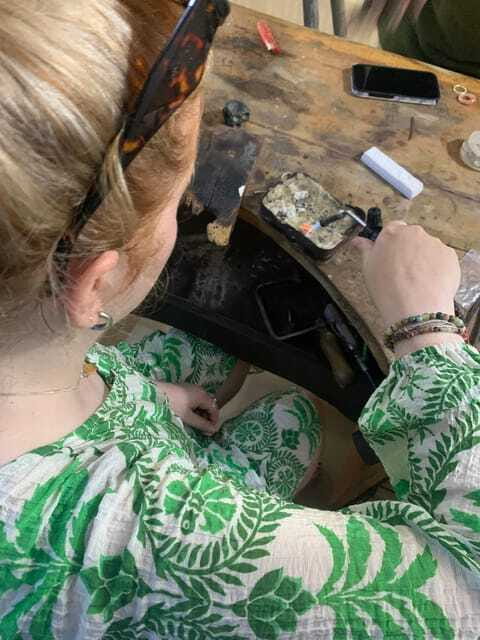
The workshop also covers the history and cultural meaning of traditional jewellery in Sri Lanka. That context helps explain why jewellery is more than decoration. It can reflect local craft skills, personal taste, and the importance of handmade objects in family and cultural life.
The information provided does not specify a full lecture or a set museum-style presentation. Expect practical explanation woven into the making process rather than a long formal talk. As you work, you can ask about the tools, designs, materials, and the role of jewellery in Sri Lankan culture.
I find this approach more useful than receiving a large amount of background before touching anything. You learn through the object in front of you. A silver ring becomes a small record of the techniques you tried and the time you spent at the artisan’s home.
The experience also gives you a better basis for judging jewellery sold elsewhere. After seeing silver shaped, filed, and finished, you may look more closely at the work behind a piece rather than seeing only its price and shine.
A different sort of day out of Sri Lanka:
- Colombo: Private Tuk-Tuk City Tour with All Entry Fees
★ 4.9 · 2,154 reviews - Udawalawe National Park | Private Safari Tour
★ 5.0 · 1,499 reviews - Kandy Private Guided City Tour by Tuk Tuk
★ 4.9 · 1,307 reviews - Whales and Dolphins Watching-Luxury Super Grade Cruiser(Hotel Pick up offered)
★ 5.0 · 1,268 reviews
The tools and the feeling of making something yourself
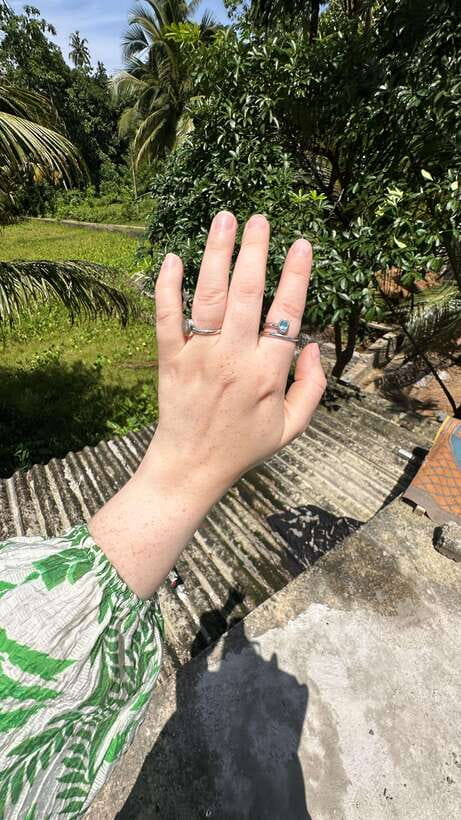
The workshop has an impressive range of tools, according to the detailed descriptions of the session. Each one has a job in changing the metal, and the artisan explains and briefly demonstrates the steps before handing over the work.
That matters because the activity is not just about the final ring. It is about understanding how many small actions sit behind a simple piece of jewellery. Flattening the metal, altering the curve, and filing the surface all affect the final result.
You should expect guidance throughout, but also expect to take responsibility for parts of the work. That balance is one of the strongest reasons to book this instead of a demonstration-only visit. You can say you made the piece with assistance, rather than simply watched it being produced.
Do not worry if your first attempt is not perfectly smooth. The artisan is there to help, and the final piece can be checked and refined. The goal is a meaningful handmade souvenir and a better sense of the craft, not a professional jeweller’s qualification.
The complimentary silver ring and extra stone costs
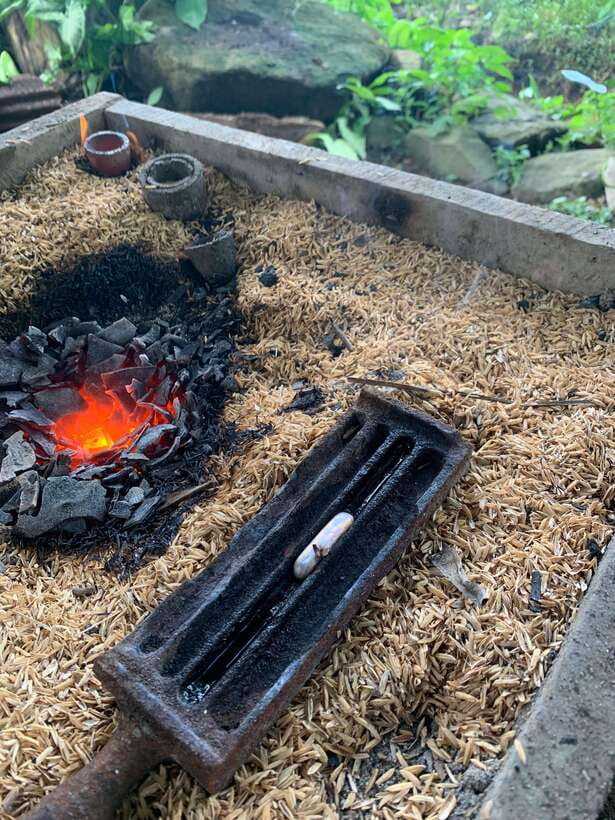
A silver ring is included as a complimentary take-home item, and the activity also includes the materials and tools needed for jewellery making. The information does not state the exact weight of silver, ring size range, or number of pieces included, so ask for those details if they matter to your decision.
Stones are not included. If you want a stone set into the ring, budget for that separately and ask about the price before work begins. This is the key cost detail to clarify because a simple silver design and a stone-set design may not have the same final price.
The ring may not be ready at the exact moment you finish every handwork stage. In one case, the artisan set the stone and delivered the completed ring to the customer’s hotel the next day. That suggests you should not assume every final detail is completed while you wait at the workshop.
If you are leaving Kotapola immediately, mention your schedule before choosing a stone or asking for extra finishing work. If you are staying nearby, next-day delivery to your hotel may be possible, but it is not stated as a guaranteed service for every booking.
Is $71 good value?
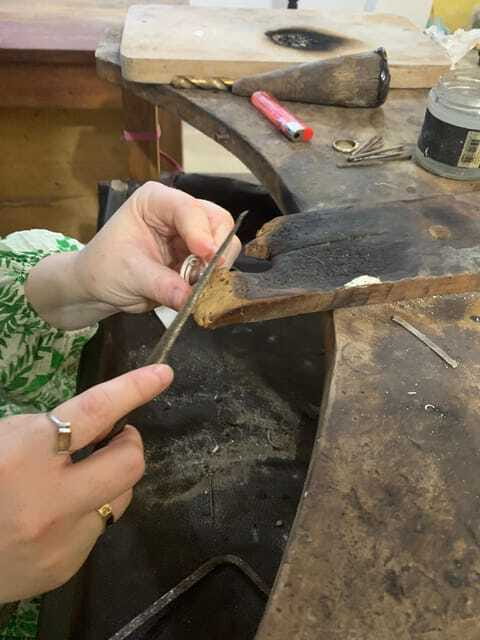
At $71 per person, this is not the cheapest souvenir activity in Sri Lanka. You are paying for private instruction, a welcome drink, the use of tools, jewellery-making materials, and a handmade piece to take home. You are also paying for time with an artisan rather than for a short demonstration followed by a shop counter.
I think the price works best for someone who values participation. If you only want an inexpensive ring, you can likely find simpler buying options elsewhere. If you want to understand the process and make part of the jewellery yourself, the cost has a clearer purpose.
Transport, meals, and stones are extra. Those additions can change your total budget, so include them when comparing this with other activities. A driver may also charge for the journey to and from the home, and the provider does not arrange transportation as part of the workshop.
The private format improves the value for couples, friends, or a small family group with older children. You are not sharing the artisan’s attention with a large crowd. For a solo participant, the price is harder to judge, but the one-to-one instruction may be exactly what makes the activity worthwhile.
Who will enjoy this most
This is a good fit for adults and children aged 12 or older who like making things with their hands. It suits people who want a personal souvenir, travellers interested in Sri Lankan craft, and anyone who prefers a local home setting to a polished commercial studio.
It is especially suitable if you enjoy learning by doing. The session includes clear demonstrations, but you are expected to take part in the process. If you dislike tools, careful handwork, or making decisions about shape and design, the activity may feel slower than expected.
The workshop is also a good choice for a private occasion, such as a couple’s shared souvenir or a small group looking for an activity away from the usual sightseeing stops. Since the group is private, you can ask questions without worrying about holding up a busload of people.
There are physical limits. The activity is listed as not suitable for people with back problems, and it is not suitable for wheelchair users in the additional information, even though the booking details also describe it as wheelchair accessible. That conflict needs direct clarification before you reserve. Contact the provider and explain your exact mobility needs.
Timing, cancellation, and language
The duration is listed as one day, with starting times based on availability. No fixed daily timetable is provided, so check the available start time before planning other activities around it.
English is the stated language, and Tharindu’s step-by-step demonstrations are useful for beginners. Arrive 15 minutes early, especially because the meeting point is a private home rather than a familiar public site.
You can cancel up to 24 hours in advance for a full refund. The reserve-now, pay-later option also lets you hold a place without paying immediately, which is helpful when your Sri Lankan route is still changing.
My verdict: book it for the making, not just the ring
I would book this workshop if I wanted a souvenir with a story behind it. The strongest features are the private setting, the chance to handle the silver yourself, and Tharindu’s patient demonstration of each stage.
Before booking, confirm the route, transport cost, ring details, and any extra charge for stones. Also resolve the conflicting accessibility information if that affects you. With those points clear, the $71 price is fair for a hands-on craft session and a personal silver ring.
Skip it if you want a quick, low-cost purchase or if you need a fully accessible venue without further checking. Choose it if you have a day to spare, enjoy practical work, and like the idea of carrying home something you helped shape in Sri Lanka.
FAQ
Where is the jewellery workshop held?
It is held at the artisan’s home in Kotapola, Sri Lanka.
How do I find the meeting point?
Contact the provider through WhatsApp. They will guide you and your driver to the artisan’s home.
How much does the workshop cost?
The price is $71 per person.
How long does the activity last?
The duration is listed as one day. Starting times depend on availability.
Do I need previous jewellery-making experience?
No. Prior experience is not required.
Who teaches the workshop?
The workshop is led by a local artisan named Tharindu.
What language is used?
The instructor provides the workshop in English.
Are tools and materials included?
Yes. The activity includes the tools and materials needed for jewellery making.
Are gemstones included?
No. Gemstones are not included and must be paid for separately.
Can I cancel the booking?
Yes. You can cancel up to 24 hours in advance for a full refund.
Recently listed around Sri Lanka
- Minneriya National Park Safari in a 4×4 Vehicle★ 4.5 · 10 reviews
- Coastal Ride to Galle from Colombo★ 4.5 · 10 reviews
- One Day Udawalawe Safari from Galle/Mirissa/Unawatuna/Hikkaduwa★ 5.0 · 10 reviews
- Ella: Safari Day Trip to Yala & Udawalawe with Lunch★ 4.7 · 10 reviews
- Sri Lanka Private Tour Pick Up & Drop Off – Colombo Intl Airport★ 5.0 · 10 reviews
- Sigiriya Village Tour and Lunch with Hotel Pick up from Sigiriya★ 5.0 · 10 reviews
- From Ella: Shuttle to Down South Any Location w Yala Safari★ 5.0 · 10 reviews
- Wasgamuwa: Wasgamuwa National Park Private 3-Hour Safari★ 4.9 · 10 reviews
Workshops, compared.
Organic cooking class sigiriya (kumara & family)
Read our review →
Traditional Gems & Jewellery Workshop with Transfers
Read our review →
Sri Lankan Cooking Class with Neranji at Homestay
Read our review →
Browse the lists this tour appears in