
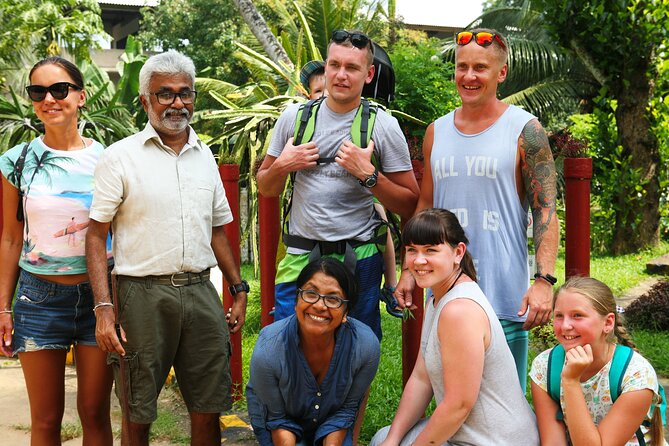
Reviewed · WALKING TOURS
Nandana Tea Walking Tour in Sri Lanka
The most interesting part of Nandana Tea Walking Tour is that tea is only half the story. You begin among Sri Lankan Ayurvedic plants, move through a family-run factory, and finish with a tasting of seven teas. The setting near the Nilwala Ganga gives the visit a strong sense of place.
I like the herb garden, where you can see, smell, and sometimes taste plants used in local remedies. I also like the clear value of the tea tasting and purchase offer: if you buy tea at the end, purchases up to $39 are free under the tour’s terms.
The main drawback is the fixed two-hour format. It gives you a useful introduction, but not a long plantation walk or a full-day look at rural tea life. The optional lunch costs extra, and reaching Akuressa may take planning if you are staying on the coast.
Key points to know before booking
- Seven teas are included: Compare different tea styles, leaf sizes, and flavors during the tasting.
- The tour begins in an herb garden: See Sri Lankan Ayurvedic plants before entering the factory.
- It is a small family business: The visit feels more personal than a large commercial factory stop.
- Lunch is optional: You can add an organic home-cooked meal served in banana or lotus leaf, but it is not included.
- The tour is limited to 10 people: That makes it easier to ask questions and keep close to the guide.
- Tea can reduce the effective cost: Purchases up to $39 are free, according to the tour terms.
Why Nandana is more than a factory stop
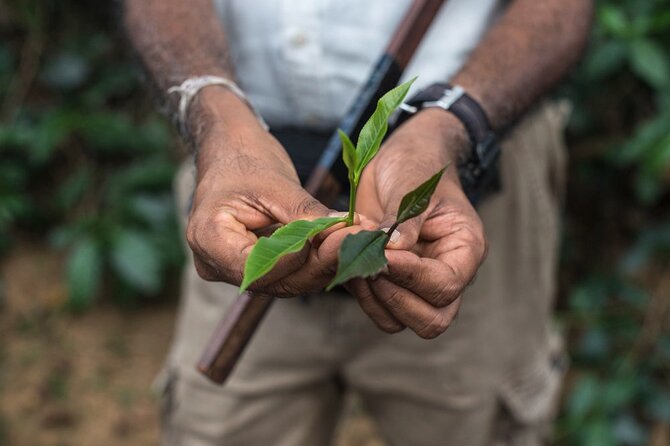
Many tea visits follow a simple pattern: look at machines, drink a cup, and leave with a packet. Nandana Tea Factory takes a broader approach. The visit connects tea with the plants, people, and countryside around Akuressa.
That matters because tea can seem like a finished product when you see it on a shop shelf. Here, you get a sense of the work behind it, from leaves on the plant to the finished black tea. You also see how a family business can link tea production with a garden of herbs and spices.
Nandana Tea Factory is in Akuressa, in Sri Lanka’s Southern Province, near the Nilwala Ganga, known as the Blue River. The surrounding area is associated with fishing, paddy cultivation, varied plant life, and the early development of tea in southern Sri Lanka.
The tea story here reaches back to 1910, when D. A. Wanigasekara, one of the early tea planters in the region, began working with tea culture. That historical note adds context without turning the visit into a formal museum tour. You are still looking at a working family operation.
More Walking Tours in Sri Lanka:
- Galle Fort Walking tour
★ 4.9 · 285 reviews - Galle Fort Walking Tour with a Resident
★ 5.0 · 88 reviews - Colombo Walking Tour with Ajeet De Soyza
★ 5.0 · 43 reviews
Starting with the Ayurvedic herb garden
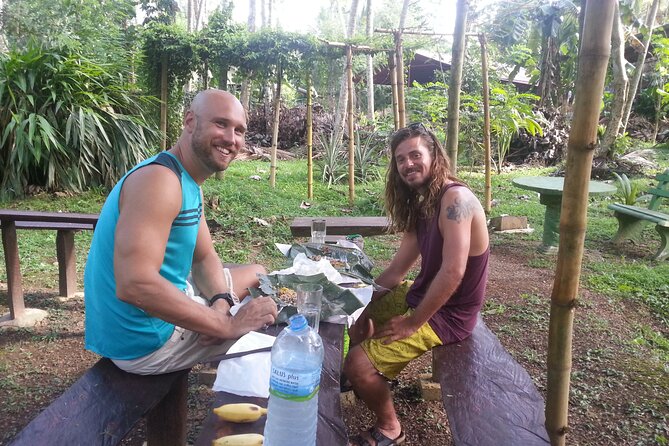
The garden is one of the strongest reasons to choose this tour. Rather than heading straight into the factory, you first see plants associated with Sri Lankan Ayurvedic traditions.
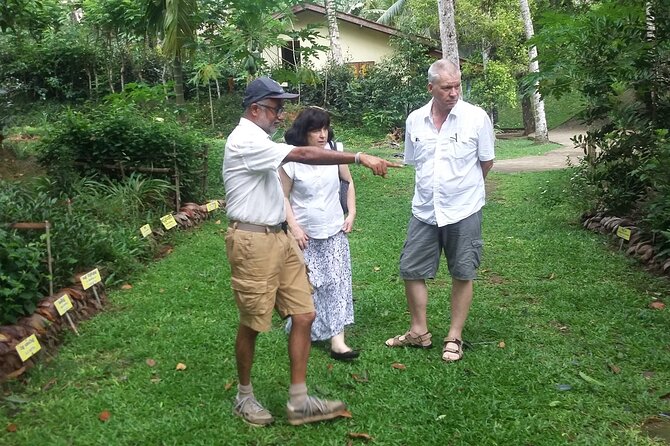
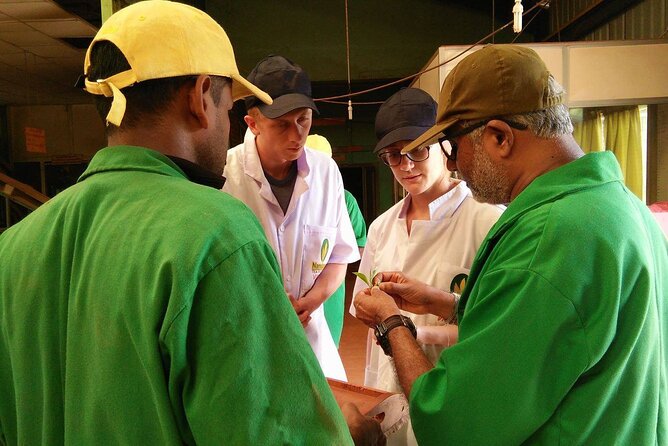
The guide explains the uses of different herbs, and you may be able to smell or taste some of the leaves. One guide even used aloe vera on a visitor’s sunburn, a small but memorable example of how the garden connects to daily life.
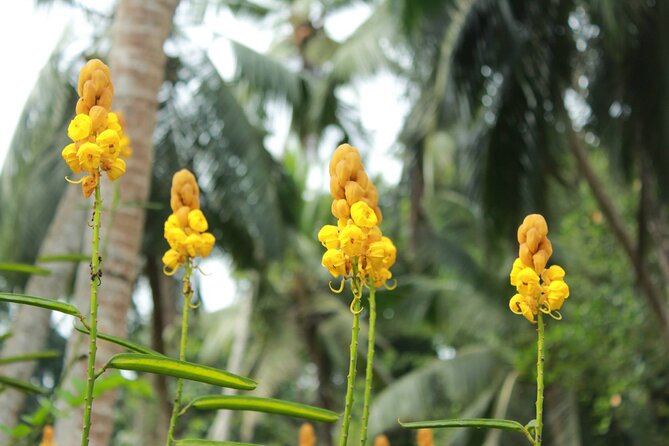
You can expect more than a row of tea bushes here. The grounds include tropical plants, herbs, and spices used for flavor and traditional remedies. The garden is also a pleasant way to begin because it slows the pace before the machinery and production stages.
An iced tea is provided during the garden visit. This is a practical touch in Sri Lanka’s heat, and it gives you an early taste of how tea can be served beyond the familiar hot cup.
The garden portion may be especially good for families, plant lovers, and anyone interested in food as well as tea. It also gives non-tea drinkers something to enjoy. If you mainly want a technical factory tour, though, remember that part of your two hours is devoted to plants and local uses.
Seeing tea leaves become black tea
Inside the factory, the focus shifts to production. You learn how tea is brought from the estate to the cup, with explanations of the stages used to make orthodox black tea.
The tour is useful because you see the process rather than hearing only a general talk. The factory has an old-fashioned character, and the machinery and working spaces help show that tea production is a physical process, not simply a matter of drying leaves.
The exact amount of activity you see may depend on what is happening at the factory when you visit. Still, the tour is designed to explain each stage and how the leaves change as they are processed.
Nandana produces premium orthodox black tea. The word orthodox refers to a traditional style of tea production in which the leaves are handled and shaped through a series of steps rather than being rapidly processed into fine particles.
You do not need specialist tea knowledge to follow the visit. The guide connects the factory work to the final taste, which is what makes the machinery worth seeing. Pay attention to the differences between larger and smaller leaves, since those distinctions return during the tasting.
The factory visit is also where the family-run character matters. This is not presented as a large industrial attraction with crowds moving from one station to another. The maximum group size is 10 people, and the owner or family staff may lead the tour directly.
Comparing seven teas at the tasting
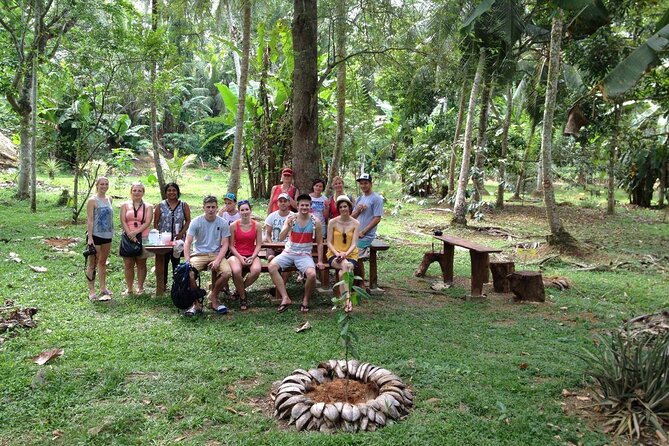
The tasting is the clearest payoff for anyone who wants to understand tea rather than simply drink it. You sample seven varieties produced at the factory and compare their differences side by side.
This is where the earlier garden and factory explanations become useful. You can connect leaf size, processing, and preparation with what you taste in the cup. Even if you normally drink tea with milk or sugar, try the samples as served first so the differences are easier to notice.
You may find that some teas are lighter, stronger, smoother, or more aromatic than others. The point is not to declare one the winner. It is to learn what you actually like before buying.
Tea shopping is part of the experience, but it does not have to feel like a sales trap. The stated offer gives you an important calculation: tea purchases up to $39 are free. Since the tour costs $78, buying the full qualifying amount can make the visit feel like a $39 experience before considering the tea itself.
Read the exact terms at booking and confirm how the credit is applied. The offer is only useful if you want tea and if the purchase qualifies. You should not buy tea you do not need just to chase a discount.
For tea drinkers, though, this is a fair value. You taste several types before choosing, and the purchase may offset part of the admission price. Bring enough space in your luggage if you plan to take home multiple varieties.
A different sort of day out of Sri Lanka:
- Colombo: Private Tuk-Tuk City Tour with All Entry Fees
★ 4.9 · 2,154 reviews - Udawalawe National Park | Private Safari Tour
★ 5.0 · 1,499 reviews - Kandy Private Guided City Tour by Tuk Tuk
★ 4.9 · 1,307 reviews - Whales and Dolphins Watching-Luxury Super Grade Cruiser(Hotel Pick up offered)
★ 5.0 · 1,268 reviews
The optional banana-leaf meal
Lunch is not included, but you can add an organic home-cooked meal served in a banana or lotus leaf. This is more than a convenient plate of food. The presentation reflects a familiar Sri Lankan way of serving meals and adds another local detail to the visit.
The food is prepared in a clean space with air conditioning, according to the available tour information. That can be welcome after time outdoors in the garden and around the estate.
The meal is worth considering if you are already building a day around Akuressa. It saves you from rushing away after the tasting and gives the visit a more complete rhythm: garden, factory, tea, then food.
If you have limited time or a tight budget, skip it and keep the tour to its advertised two hours. Since lunch costs extra and the price is not listed, ask for the current cost before booking or arriving.
The meal may also be a good choice for visitors who want to try local food in a controlled setting. Still, the tour data does not specify the menu, dietary options, or serving size, so ask in advance about allergies and preferences.
The human side of a small family business
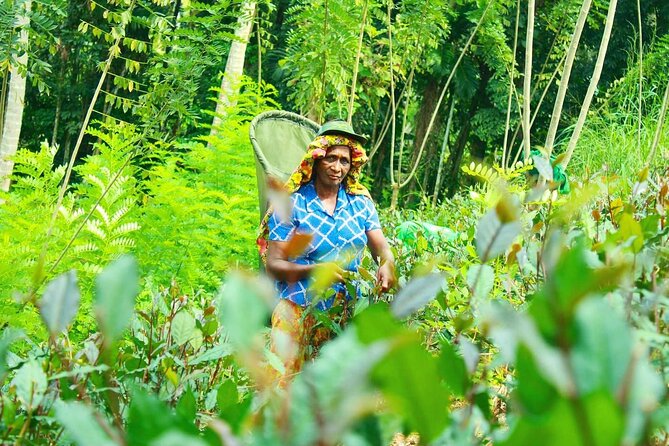
Nandana’s strongest quality is its personal scale. The business is family-owned rather than a large tea estate attraction, and the owner and staff take part in showing the grounds and explaining the products.
Several guides and family members are named in the available information, including Gunasoma, his wife, Manshijt, and ChoopoolMandrit. Gunasoma is associated with a longer Methsiri mini adventure, which includes a drive in a Land Rover before the walk begins. That is a separate option, not part of the standard two-hour visit, so check carefully before assuming it is included.
The standard tour is conducted in English when the owner or English-speaking staff lead it. The small group limit also helps. With no more than 10 people, you have a better chance to ask about herbs, tea grades, or the factory process without being lost in a crowd.
This personal contact is valuable, but it also means the tone may vary depending on who leads your visit. You are choosing a small working business, not a polished theme attraction. Allow room for a slower, more conversational style.
How much time and planning you need
The advertised duration is about two hours. Opening hours are 9:30 AM to 4:30 PM every day, so you have flexibility about when to arrive, within the operating window.
The meeting point is Nandana Tea Factory in Akuressa, postal code 81400, Sri Lanka. The tour begins and ends there. If you are staying in a coastal town in the Southern Province, check the driving time before booking, since the factory is inland rather than directly on the beach.
The tour is listed as near public transportation, but no specific bus route or transfer arrangement is provided. You should confirm your transport plan rather than assume a simple walk from your hotel.
A mobile ticket makes entry easy once you have booked. Confirmation is normally received at booking, though reservations made within five hours of the start time may require additional confirmation based on availability.
The tour requires good weather. If poor weather causes cancellation, you are offered another date or a full refund. For your own comfort, light clothing, sun protection, and shoes suitable for a garden and factory visit make sense, though the supplied details do not specify a dress code.
Service animals are allowed, and most people can participate. The activity is not described as requiring special fitness, but garden walking and outdoor conditions are part of the visit.
What the $78 price really means
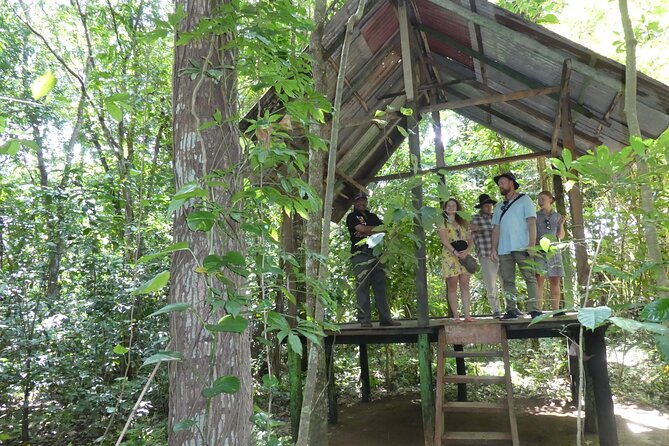
At $78, this is not the cheapest tea stop in Sri Lanka. The value depends on what you want from the day.
You are paying for a guided garden visit, an estate and factory explanation, a seven-tea tasting, an iced tea, and the chance to buy qualifying tea with up to $39 covered. A lunch may be added, but it costs extra.
The price makes the most sense for someone who values contact with a small producer and plans to buy tea. If you only want a quick cup and a photograph of tea bushes, the cost may feel high.
It is also stronger value for a small group. A maximum of 10 people keeps the experience more focused than a large factory tour, and the family members can spend time answering questions.
I would treat the tea credit as a bonus, not the main reason to book. First decide if you want the garden, production tour, and tasting. Then consider the tea purchase as a way to bring home something you have already sampled.
The 100 percent recommendation rate and five-star score across 16 recorded ratings suggest very strong satisfaction, but the sample is small. I would give more weight to the repeated details: the kind staff, seven teas, the herb garden, the factory access, and the food option.
Who will enjoy Nandana most
This tour suits you if you want an authentic, small-scale introduction to Sri Lankan tea and do not mind going beyond the country’s best-known hill towns.
It is especially good for:
- Tea drinkers who want to compare several varieties before buying
- Visitors interested in Ayurvedic herbs, spices, and tropical plants
- Families who prefer a guided activity with varied subjects
- People who enjoy meeting the owners of a working local business
- Anyone planning a stop in or around Akuressa
- Visitors who want an optional local meal in a comfortable setting
It may be less suitable if you want a large plantation with long, open views and extensive walking. The standard tour lasts only about two hours, and the factory is in the Southern Province rather than the central tea country most associated with Sri Lanka.
You should also check the separate activity details if you specifically want the longer Methsiri mini adventure with the Land Rover ride. Do not assume the standard booking includes that outing.
Should you book the Nandana Tea Walking Tour?
Book it if you want tea explained through plants, production, tasting, and local hospitality rather than through a short photo stop. The herb garden and seven-tea tasting give the two-hour visit real variety, while the small group size keeps it personal.
I would book the optional meal if you have time and want to make the stop feel like a complete rural visit. I would also plan to buy tea only after tasting it, and I would confirm how the $39 purchase credit works.
Skip it if you are passing through southern Sri Lanka on a very tight schedule, do not drink tea, or expect a grand plantation walk. For everyone else, Nandana offers a thoughtful look at how tea, gardens, food, and family business fit together in Sri Lanka.
FAQ
Where is the Nandana Tea Walking Tour located?
The tour begins and ends at Nandana Tea Factory in Akuressa, Sri Lanka, in the Southern Province. The factory is near the Nilwala Ganga.
How long does the tour take?
The standard activity lasts approximately two hours.
What does the tour include?
It includes the guided factory and garden visit, an estate visit, a tea tasting session, and coffee or tea. An iced tea is provided during the garden visit.
How many teas can I taste?
The tasting includes seven different types of tea produced at the factory.
Is lunch included?
No. Lunch is optional and costs extra. The available meal is an organic home-cooked Sri Lankan meal served in a banana or lotus leaf.
Can I buy tea during the visit?
Yes. If you buy tea at the end of the tour, purchases up to $39 are free according to the stated tour terms. Confirm the current conditions when booking.
What happens if the weather is bad?
The experience requires good weather. If it is canceled because of poor weather, you can receive a different date or a full refund. Free cancellation is available up to 24 hours before the start time.
Recently listed around Sri Lanka
- Minneriya National Park Safari in a 4×4 Vehicle★ 4.5 · 10 reviews
- Coastal Ride to Galle from Colombo★ 4.5 · 10 reviews
- One Day Udawalawe Safari from Galle/Mirissa/Unawatuna/Hikkaduwa★ 5.0 · 10 reviews
- Sri Lanka Private Tour Pick Up & Drop Off – Colombo Intl Airport★ 5.0 · 10 reviews
- Sigiriya Village Tour and Lunch with Hotel Pick up from Sigiriya★ 5.0 · 10 reviews
- Ella: Safari Day Trip to Yala & Udawalawe with Lunch★ 4.7 · 10 reviews
- From Ella: Shuttle to Down South Any Location w Yala Safari★ 5.0 · 10 reviews
- Wasgamuwa: Wasgamuwa National Park Private 3-Hour Safari★ 4.9 · 10 reviews
Walking Tours, compared.


Galle Fort Heritage Walk by a Certified Heritage Interpreter
Read our review →

Browse the lists this tour appears in