
Reviewed · NEGOMBO TOURS
Cooking Class and Market Visit in Negombo
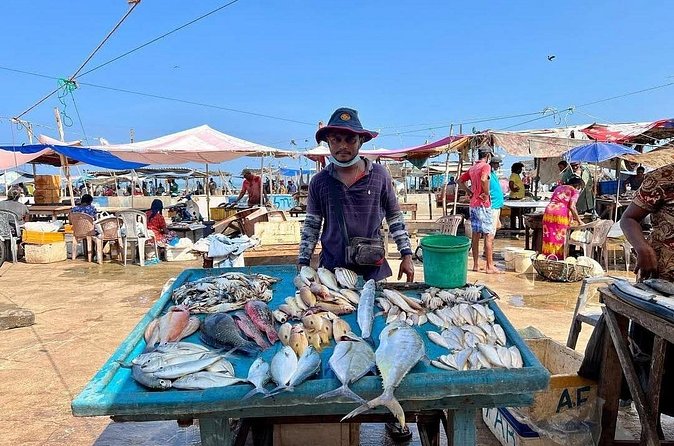
Negombo’s food story begins at the market, not at the stove. On this three-hour experience, you shop for produce, spices, fruit, and possibly the day’s fish before learning how Sri Lankan cooks turn those ingredients into a full meal.
I like the market-to-kitchen format, which gives the cooking real context, and I like the chance to make dishes such as coconut curries, sambols, rice, tuna, or devilled prawns. The main consideration is timing: market time lasts only about 30 minutes, so this is a focused introduction rather than a long food tour.
Key points to know before booking
- Market shopping comes first: Spend about 30 minutes at Negombo Vegetable Market choosing ingredients with your host.
- A private class: Only your own group participates, making it easier to ask questions and work at your own pace.
- Host Shashi may lead the experience: The host is praised for clear communication and strong local food knowledge.
- The meal is made from scratch: Expect hands-on work with rice, coconut, spices, vegetables, sambols, and possible seafood dishes.
- Hotel pickup is offered: Pickup windows are listed around 11:00 am to noon and 6:00 pm to 7:00 pm.
- Allow about three hours: This includes transfers, the market visit, the class, eating, and the return to Negombo.
Starting with Negombo’s vegetable market
The best part of the plan is its order. You do not begin with a table of prepared ingredients. You first see where the food comes from, then carry that understanding into the kitchen.
Pickup from a Negombo hotel is offered in two listed windows: 11:00 am to noon and 6:00 pm to 7:00 pm. The market is about a 15-minute drive away. Since the pickup information gives a window rather than one exact departure time, confirm the chosen session when you book.
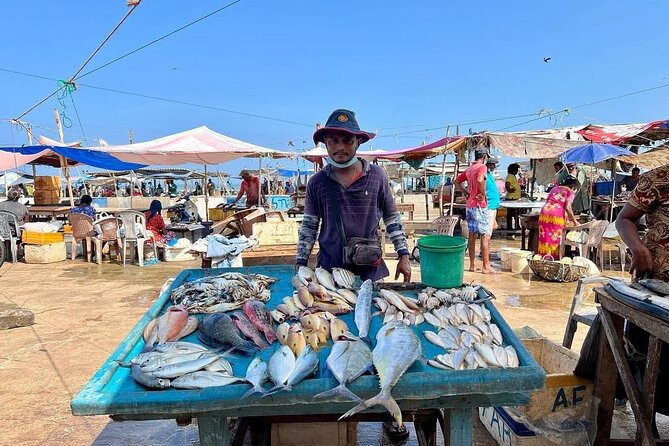
At Negombo Vegetable Market, you have about 30 minutes to look around. That is enough to get a sense of the goods used in everyday Sri Lankan cooking, including vegetables, fruit, spices, and perhaps fish. You may also see ingredients that are familiar in name but less familiar in form, which is one reason a local host matters.
This is not a market built mainly for sightseeing. It is a working food stop. You are there to help select what will be cooked, so the visit has a clear purpose. The vendors, produce, and spices are part of the meal rather than a separate photo opportunity.
The short visit does have a limit. You should not expect a slow, detailed market walk with long stops at every stall. If you enjoy food markets, you may wish for more time. Still, the quick pace keeps the overall experience manageable and leaves most of the visit for cooking.
More Cooking Classes in Negombo:
- Cooking Classes in Sri Lanka
★ 5.0 · 110 reviews - Ella: Traditional Sri Lankan Cooking Class
★ 4.9 · 788 reviews - Organic cooking class sigiriya (kumara & family)
★ 5.0 · 650 reviews
Learning how ingredients shape Sri Lankan food
Sri Lankan cooking can look simple on the plate, with rice surrounded by several small curries and side dishes. The work lies in the balance: coconut, chili, curry leaves, cinnamon, fresh herbs, vegetables, and seafood must all play their part.
Your host explains how ingredients are selected and used, then guides you through traditional cooking methods. The exact menu can vary because the market purchase helps shape the meal. That is a strength. You are not simply repeating a fixed recipe with ingredients that arrived in a box.
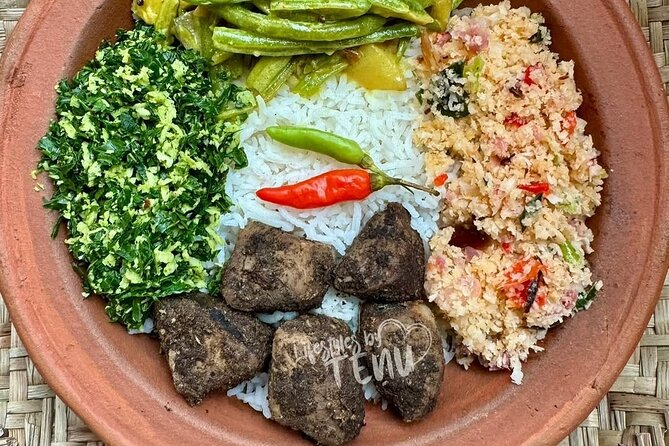
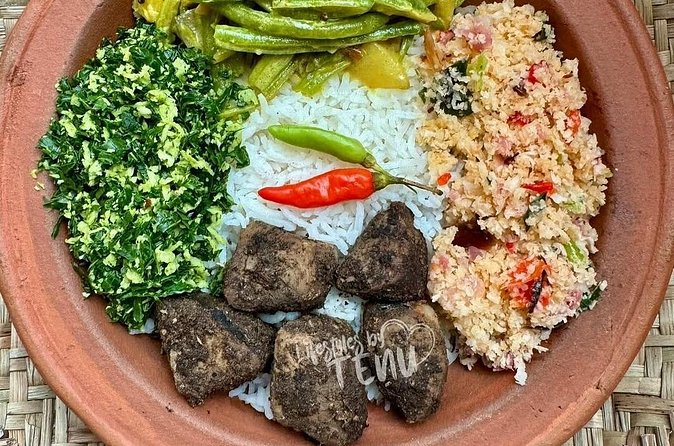
The experience may include a coconut-based curry, spicy sambol, rice, and a fish dish. One meal described by the host’s earlier participants included tuna and devilled prawn curry. The outline also mentions jackfruit curry as an example, so you might prepare a vegetarian dish as well as seafood.
Do not expect a restaurant-style cooking demonstration where you sit back and watch. The point is to take part. You may help prepare several dishes, learn how spices and coconut are used, and see how separate components come together as one meal.
At the same time, the available details do not promise one fixed menu or a guaranteed seafood selection. The day’s ingredients and the cooking plan will affect what appears on the table. If you have a strong preference, allergy, or dietary restriction, ask about it before the class.
From market ingredients to a Sinhalese home kitchen
After the market, the drive to the cooking location takes about 10 minutes. The class itself lasts about an hour and a half, followed by time to eat and return to Negombo.
The cooking takes place in a Sinhalese home, according to the experience details. That setting gives the lesson a more personal feel than a formal culinary school. You get a glimpse of how food is prepared in a home environment, not just how it is plated for paying diners.
Host Shashi is named as the person who may lead the class. Clear communication is especially useful here because cooking involves several steps at once. You want someone who can explain not only what to do, but why an ingredient is added at a particular point.
The meal centers on staples that define much of Sri Lankan cooking: rice, coconut, vegetables, spices, and seafood or meat. A sambol may bring sharp heat and freshness alongside a softer curry. Rice gives the meal its base, while several side dishes create contrast in flavor and texture.
This variety is a major reason the class offers good value. You are not paying for one recipe alone. You are learning a group of related preparations that can be adapted at home with different vegetables or proteins.
The phrase traditional techniques passed down through generations should be understood in practical terms here. You will learn how the host prepares a Sri Lankan meal in a home setting, with guidance through the process. The experience is not presented as a professional chef certification course, and the short format means it cannot cover every regional style on the island.
What you may cook and eat
The menu examples give you a useful picture without promising a set list. You may encounter:
- Coconut-based curries with vegetables, fish, or another protein
- Spicy sambols served as a fresh side
- Rice prepared to accompany the curries
- Tuna or devilled prawn curry
- Jackfruit curry
- Fresh fruit and vegetables selected at the market
Tuna and prawns connect the meal to Negombo’s coastal setting, while jackfruit shows how substantial a plant-based curry can be. The combination gives you more than a single taste of Sri Lankan food.
The strongest feature is the connection between the shopping and the meal. You see the raw ingredients, choose them with help, and then watch them become finished dishes. That makes it easier to remember the recipes later because each step has a place in the story.
The class is also useful if you usually find South Asian cooking intimidating. Coconut curries and sambols can involve many ingredients, but the host breaks the meal into manageable stages. You will still need to pay attention, especially if several dishes cook at once, but the private format lets you ask for help.
One practical point: the class does not state that you receive a printed recipe booklet. It does say you leave with recipes to recreate the meal at home, so take notes on quantities, spice levels, and cooking times if you want to reproduce the dishes accurately.
More markets in Negombo:
- Negombo Private Tour: Market, Temples & Canal
★ 4.9 · 15 reviews - Market Tour and Hands-On Cooking Class Colombo
★ 5.0 · 140 reviews - Galle: Cooking Class at a Local Home and Market Tour
★ 5.0 · 47 reviews - Colombo Cooking Experiance with Explore Market
★ 4.7 · 33 reviews
Why the private format matters
This is a private tour, so only your group takes part. That matters more in a cooking class than it does on a simple sightseeing drive.
In a large class, you may spend much of the session watching someone else chop, stir, or season. Here, you should have more direct access to the host and more room to ask about unfamiliar ingredients. The private setup also makes the pace more flexible, within the fixed three-hour schedule.
It may suit couples, families, and small groups who want a shared activity rather than a passive meal. It is also a good choice if some people in your group cook often and others are beginners. The host can answer questions at your level instead of delivering one broad lesson to a crowded room.
The tradeoff is price. At $70 per person, this is not the cheapest way to eat in Negombo. You are paying for transport, a guided market visit, ingredient selection, instruction, cooking, and a meal in a private setting. For someone interested only in lunch, the price may feel high. For someone who wants food culture and practical cooking skills in one outing, the cost is easier to justify.
Group discounts are available, so the value improves if you are booking with several people. Ask how the discount applies before confirming, since the exact terms are not provided.
Timing, transport, and the three-hour plan
The total duration is about three hours. The stated plan breaks down roughly as follows:
- About 15 minutes driving from your Negombo hotel to the market
- About 30 minutes at Negombo Vegetable Market
- About 10 minutes driving to the cooking location
- About 1 hour and 30 minutes cooking
- Time to eat, then about 15 minutes returning to Negombo
The timing is compact but sensible. The market is long enough to choose ingredients, and the class is long enough to prepare multiple dishes rather than one quick recipe. You should still avoid scheduling an important airport transfer or another fixed activity immediately afterward, since pickup and cooking times can vary.
The experience begins and ends in Negombo, with hotel pickup offered. The meeting point is listed as Negombo, Sri Lanka, and the activity is near public transportation. If you are staying outside Negombo, do not assume pickup is included. Confirm the pickup area before booking.
The listed operating dates run from December 5, 2025, through February 25, 2027, with availability shown Monday through Sunday. The broad opening-hours entry covers the full day, but the practical pickup windows are the midday and evening periods given above. Those specific windows are the ones you should use when planning.
Who will get the most from this class
I would choose this for you if food is one of the main ways you understand a place. You get a market, a home kitchen, a meal, and recipes in one short outing.
It suits curious cooks who want to learn how coconut, chili, curry leaves, cinnamon, and fresh herbs work together. It also fits people with limited time in Negombo who want more than a standard restaurant meal.
Families may like the hands-on format, although the information does not give a minimum age or explain how children participate. Ask the provider if you are booking for young children. The same applies to dietary needs, allergies, and any preference to avoid fish, prawns, or spicy food.
You might choose something else if you want a long market tour, an advanced chef-led course, or a guaranteed menu. The class is a practical cultural introduction, not a full-day culinary program.
How this compares with simply eating in Negombo
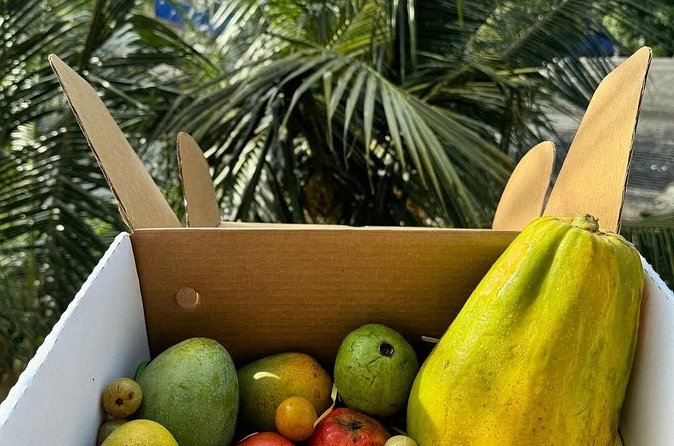
A restaurant meal gives you speed and comfort. This experience gives you the reasons behind the meal.
You learn how ingredients are chosen, see the market where local food is sold, and take part in preparing the dishes. That extra time is the point. The food may taste better because you understand the work behind it, but the larger benefit is knowing how to approach Sri Lankan flavors when you return home.
The seafood element may be especially useful in Negombo, where fish is an important part of the local food identity. Still, the class is not limited to seafood. Vegetable curries, jackfruit, rice, and sambols make it relevant for people who prefer plant-based dishes, though you should confirm the exact menu in advance.
The strongest praise attached to this experience centers on the full chain from market shopping to cooking and on Shashi’s communication. Those are the features I would value most when choosing it. They suggest a well-linked activity rather than a market visit and cooking lesson that feel unrelated.
Booking advice and cancellation terms
The experience costs $70 per person and is often booked about 35 days ahead. That advance demand is worth noting if your Negombo dates are fixed, particularly during a busy season.
You receive confirmation at booking, and a mobile ticket is available. Free cancellation applies if you cancel at least 24 hours before the start time. Changes or cancellations made inside that period are not accepted for a refund, and the cut-off uses local time.
Because the activity is private, check the number of people in your group and any available group discount before paying. Also confirm the pickup period, the cooking location, and whether your dietary needs can be covered.
Should you book the Negombo cooking class?
Book it if you want a personal, food-focused way to understand Negombo and you like the idea of making your own lunch or dinner. The market visit gives the class a clear local setting, while the private kitchen lesson lets you learn without a large group getting in the way.
At $70, the value depends on your interest. It is fair for a private outing that includes transfers, ingredient shopping, instruction, and a meal, but it is not a bargain lunch. The short market stop and changing menu are the main limits.
For the best fit, choose this experience when you have about three hours free, confirm whether Shashi will host your session, and ask about the dishes and ingredients before booking. If you want to take home more than a photograph, bring a phone or notebook for recipe notes. You may return to Negombo with a full stomach, but the more lasting souvenir is knowing how to make a proper Sri Lankan curry at home.
FAQ
How long does the cooking class and market visit last?
The experience lasts about three hours, including hotel pickup, drives, the market visit, cooking, eating, and return transport to Negombo.
Where does the experience start?
It starts in Negombo, Sri Lanka, with pickup offered from Negombo hotels.
What time is hotel pickup available?
The listed pickup windows are 11:00 am to noon and 6:00 pm to 7:00 pm. Confirm your exact pickup time when booking.
How long is the market visit?
The visit to Negombo Vegetable Market lasts about 30 minutes, after a drive of roughly 15 minutes from your hotel.
How long is the cooking class?
The cooking portion lasts about 1 hour and 30 minutes, after a drive of about 10 minutes from the market.
Is this a private activity?
Yes. Only your own group participates in the tour.
What food might be prepared?
The experience may include coconut curries, sambols, rice, seafood such as tuna or devilled prawns, and jackfruit curry. The exact meal can depend on the ingredients selected at the market.
Can I cancel for a full refund?
Yes. You can receive a full refund if you cancel at least 24 hours before the experience start time. Cancellations or changes made less than 24 hours before the start are not accepted for a refund.
More workshops and classes in Negombo
- Sri Lanka Cooking Class with Granny
★ 5.0 · 587 reviews - Galle: Traditional Gems & Jewellery Workshop with Transfers
★ 4.9 · 539 reviews - Kandy Village Cooking Class
★ 5.0 · 536 reviews - Sea waves sri lankan cooking class
★ 5.0 · 467 reviews
More shopping trips in Negombo
- Colombo Sightseeing & Shopping
★ 4.5 · 15 reviews - Colombo Sightseeing and Shopping Private Tour Including Lunch
★ 5.0 · 12 reviews - Galle City Tour And Shopping
★ 4.5 · 12 reviews - Vegan Cooking Class Colombo with Market Tour
★ 5.0 · 9 reviews
Recently listed around Negombo
- Transfer between colombo Airport (CMB) and Marino Beach, Colombo★ 5.0 · 3 reviews
- Airport transfer to Arugambay★ 5.0 · 3 reviews
- Golden beach Negombo to lion rock sigiriya hiking★ 5.0 · 3 reviews
- Full Day Tour to Sigiriya & Dambulla from Negombo★ 5.0 · 3 reviews
- 8 Days Tour Sri Lanka (Hotels, Breakfast, Dinner & Luxury Car)★ 5.0 · 3 reviews
- Ten Days Scenic Sri Lanka★ 5.0 · 3 reviews
- From Negombo: Minneriya National Park Safari Tour★ 4.4 · 3 reviews
- 08 Days private round trip in Sri Lanka★ 4.5 · 3 reviews
Negombo Tours, compared.
Negombo city tour by Tuk Tuk Hotel Pickup & Guide
Read our review →A Multi Day Tour Around Sri Lanka with Our Personal Driver
Read our review →
Wilpattu National Park Jeep Safari from Negombo / Waikkal (All Inclusive)
Read our review →

Half-Day Negombo City Tour with Ayurvedic Massage & Local Lunch
Read our review →
Sri Lanka 8 Tage 7 Nächte Tour mit privatem Fahrer
Read our review →
Browse the lists this tour appears in