
Reviewed · GALLE TOURS
Galle Fort Walk with Glamorous Stories
Galle Fort is not just a handsome old quarter by the sea. It is a stone record of trade, conquest, religion, and survival. On this walk, local guide Dilip connects the Portuguese clay defenses, Dutch walls, VOC trade, hidden tunnels, and the 2004 tsunami into one clear story.
I like the small maximum group of six, which gives Dilip room to answer questions rather than deliver a speech to a crowd. I also like the unusual details: Dutch ship ballast bricks, coral cooling walls, and the tale of soldiers reduced to eating cats and dogs during a long siege.
The main consideration is the weather. You walk for up to two hours, and water, umbrellas, and hats are not supplied. The tour is also not automatically private if several bookings fall into the same time slot, though the group limit remains six.
Key points to know before booking
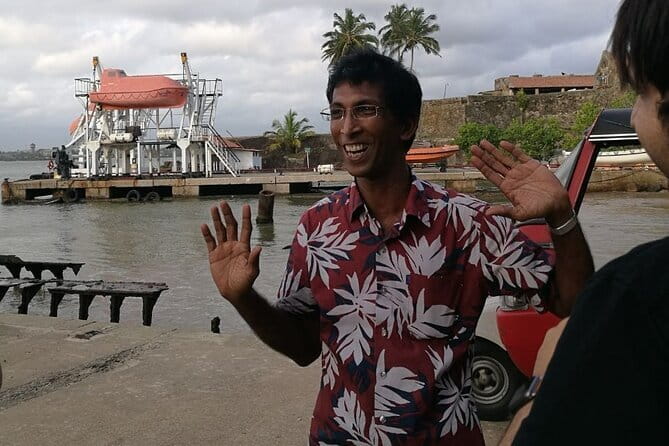
- Local guide Dilip: He leads in English and has lived in the Galle area all his life.
- A story-led route: Expect trade rivalries, deceptive treaties, sieges, tunnels, and tsunami survival tales, not just dates and building names.
- Major fort landmarks: The route includes Flag Rock, the Clock Tower, the three-bastion front wall, the Dutch Reformed Church, Dutch Hospital, streets, and lighthouse ruins.
- Small group format: The maximum is six people, with group discounts available.
- Walk starts and ends at Flag Rock: You arrange your own transport back to your accommodation.
- Plan for sun or rain: The walk requires moderate fitness, and weather gear is not included.
Why Galle Fort makes such a good walking tour
Galle Fort works best on foot because its story is built into its walls and streets. You can see how military design shaped daily life, how foreign powers used the harbor, and how homes, churches, stores, and defenses were folded into one compact settlement.
The fort began with the Portuguese, who built early defenses from clay and other local materials. The Dutch later replaced much of that work with heavier stone walls and bastions. British rule followed, adding another layer without wiping away the earlier ones.
That sequence matters. You are not looking at one tidy colonial style. You are walking through changing power: Chinese and Arab traders, Portuguese expansion, Dutch commercial control, British administration, and modern Sri Lanka.
Dilip’s approach suits anyone who prefers history with human details. Instead of stopping at a wall and naming its date, he explains why it was built, who used it, and what happened when the fort was tested.
More Walking Tours in Galle
- Galle Fort Walking tour
★ 4.9 · 285 reviews - Galle Fort Walking Tour with a Resident
★ 5.0 · 88 reviews - Galle Fortt Guided Walking Tour with a Local
★ 4.9 · 33 reviews
Starting at Flag Rock Bastion
The meeting point is Flag Rock Bastion, at 26F8+FXH, Galle 80000. The same location is used at the end, so you begin and finish in a familiar place. That is useful if you arrive by tuk-tuk, taxi, or public transport and want a simple departure point.
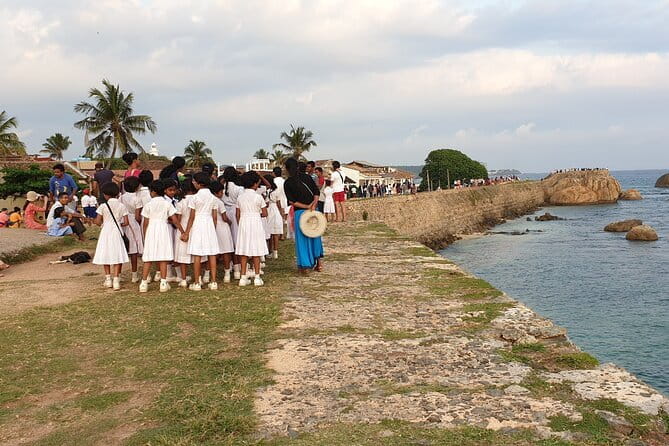
Flag Rock is one of the fort’s best places for stories and views. It marks the edge of the defensive system and is linked with the old lighthouse area. You can hear about the lighthouse ruins, the purpose of signaling from the rock, and the way the shoreline shaped the fort’s defenses.
This is also a good point to judge the heat and pace before the walk gets underway. The tour runs between 8:30 in the morning and 6:00 in the evening, with the exact experience lasting about 90 minutes to two hours.
An early start is worth considering if you dislike strong sun. An evening walk may offer a cooler stroll and can finish around the lowering of the fort flag and sunset, based on the timing of the tour. Sunset timing is not guaranteed, so book the later slot for atmosphere rather than a promise of a particular sky.
The harbor and the origins of Galle
The walk traces the Old Harbour, where Chinese, Arab, and European traders anchored. This gives the tour a useful starting point because Galle was not an isolated colonial outpost. It was part of a wider Indian Ocean trading world long before the Dutch and Portuguese arrived.
You hear the story behind the local name Galla, along with the role of cinnamon in the region’s commercial past. The tour explains how a Chinese-dominated ancient cinnamon trade was overtaken by Portuguese control.
That shift is one of the most important themes of the walk. Cinnamon was not simply a local product waiting to be exported. It drew outside powers who wanted control of supply, shipping, taxes, and ports.
The stories also cover the building of Colombo Fort and the claim that local rulers were tricked with a piece of leather. It is a memorable way to explain how a small object could be used in a much larger act of political manipulation.
You should expect some stories to be colorful and dramatic. That is part of the appeal, but it also means the tour leans toward memorable local lore as well as formal military and architectural history.
Clock Tower and the three-bastion front wall
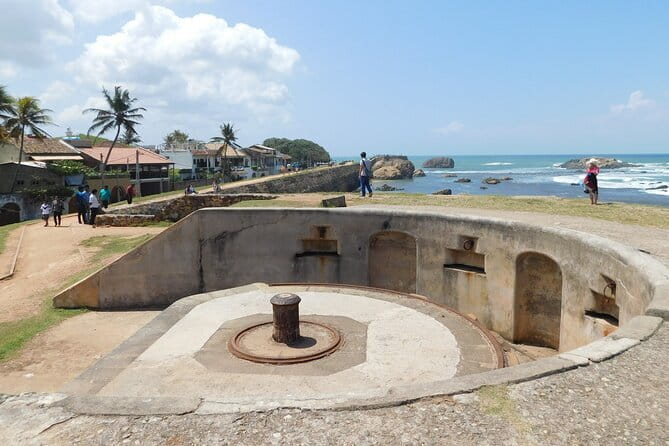
The Clock Tower and front wall provide a clear look at the fort as a defensive machine. The front wall includes three bastions, each built to help protect different approaches and lines of fire.
Dilip can point out how the fort’s walls, angles, and openings worked together. Once you understand the basic plan, the fort becomes easier to read. Streets are no longer random lanes, and bastions are no longer just scenic lookout points.
This section is especially useful if you have limited time in Galle. You see the fort’s military purpose before moving into its religious, commercial, and residential sides.
The drawback is that the walk covers a lot in a short time. If you want to linger inside every church, inspect every facade, or take extended photographs at each bastion, the 90-minute to two-hour format may feel brisk. You can ask questions, but this is a guided overview with detail, not an all-day architectural survey.
More Galle Fort walks:
- Galle Fort cooking class
★ 5.0 · 60 reviews - Galle Fort Heritage Walk by a Certified Heritage Interpreter
★ 5.0 · 31 reviews - Galle Fort and City Cycling Tour – Choice of E-Bike or Manual
★ 5.0 · 28 reviews - From Colombo to Galle Fort and Unawatuna Beach Day Trip
★ 4.5 · 27 reviews
Ammunition store, tunnel, and the fort’s working defenses

The ammunition store is one of the more unusual stops because it includes a tunnel. This helps you picture the fort as a place where supplies, soldiers, and information moved through protected spaces.
Tunnels are easy to romanticize, but their real value is practical. They show how a fort’s visible walls were only part of the system. Storage, access routes, and concealed movement helped defenders operate during danger.
The tour also explains the use of ballast bricks from Dutch ships. These bricks were carried as weight in vessels and then used in construction once cargo was unloaded. It is a small detail, but it links the fort’s buildings directly to maritime trade.
I like this kind of evidence because it connects architecture to economics. The wall was not simply made from local stone by local labor. Materials arrived through shipping networks shaped by European commercial power.
Portuguese sieges and the darker side of survival

Some of the strongest stories concern Portuguese sieges and the hardships faced by soldiers inside the fort. One account describes soldiers surviving for three months by eating cats and dogs.
That detail is grim, but it makes the cost of siege warfare easier to grasp. Fortifications could protect you from attack while trapping you inside with dwindling supplies. A thick wall did not guarantee comfort, safety, or victory.
The story-led approach is helpful for families and younger visitors because it puts people inside the events. Children old enough to handle the darker subject matter may remember this more readily than a list of military dates.
You should know that the tour includes conquest, deception, and hardship. It is not a polished colonial walking route that presents the fort only as a pretty collection of old buildings.
Dutch rule, VOC trade, and two versions of a treaty

The Dutch chapter brings in the VOC, the Dutch East India Company, and the commercial system that replaced Portuguese control. The tour explains how the Dutch displaced the Portuguese and how trade shaped the fort’s buildings and defenses.
Dilip also tells the story of two copies of treaties used to cheat a local king. Like the leather story connected with Colombo Fort, this tale shows how diplomacy, translation, paperwork, and unequal power could work together.
These stories give you a better sense of colonial rule. Foreign powers did not take control through battles alone. They used contracts, trade monopolies, alliances, and carefully worded agreements.
The VOC connection is especially useful for understanding why Galle Fort looks both military and commercial. The walls protected a port, but the port existed to support an international trading system.
Dutch Reformed Church and the streets within the walls

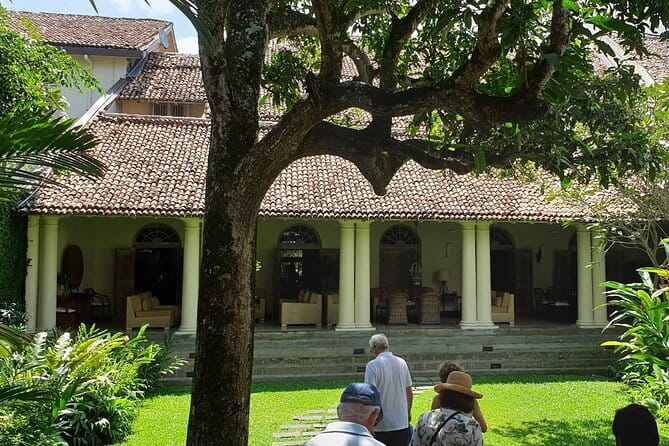
The Dutch Reformed Church, dated to 1755, is one of the key landmarks on the route. Its story includes a vow connected with the birth of a child, adding a personal element to a building usually discussed only in terms of architecture and colonial religion.
The church also shows how European institutions were planted inside a South Asian setting. Its presence is part of the fort’s layered identity, where foreign religious forms sit beside local materials, climate adaptations, and later uses.
The streets between the major monuments are just as important. You pass buildings that continue to form part of a living neighborhood, not an abandoned museum set.
Look closely at the walls and openings as you walk. The tour explains coral cooling walls, a practical response to Galle’s heat. This is one reason a guided walk adds value. You might pass the same surface on your own without knowing that its material and design helped moderate indoor temperatures.
Modern investment also enters the story. Foreign money is reshaping parts of the fort, and the tour considers what that means for a UNESCO World Heritage Site that remains part of everyday life.
Dutch Hospital and modern Galle Fort
The Dutch Hospital now operates as a food and dining center. It is a good example of how Galle Fort has changed without losing every trace of its earlier purpose.
The building lets you see the tension at the heart of the fort. Heritage protection can preserve walls and facades, but the site must still support businesses, residents, and visitors. New uses can keep old buildings active, though investment can also change the character of the area.
You may want to return here after the walk for a meal or drink, but food is not included in the tour. The guide’s role is to explain the site and its stories, not provide a dining package.
This stop works well near the end because you finish with the fort as a living place rather than a frozen historical display.
The 2004 tsunami and the fort’s remarkable survival
The tsunami story is one of the tour’s most valuable modern connections. In 2004, waves devastated much of Galle City, while the fort’s walls helped protect the historic area.
That does not mean the fort was untouched or magically safe. It means the old defensive walls affected the force and flow of the water in a way that spared much of the area behind them.
This story changes how you see the fort. The walls were built for cannon fire and siege warfare, yet centuries later they offered protection from a natural disaster. A structure designed for one threat had an unexpected role in another.
It is also a reminder that heritage is not only about the past. Galle Fort remains tied to the safety, economy, and identity of the wider city.
What the pace and group size feel like
The advertised duration is approximately one hour and thirty minutes to two hours, with the main description presenting it as a 120-minute walk. That is enough time for the major landmarks and a steady explanation of the fort, but not enough for a slow visit to every interior.
The route requires a moderate level of physical fitness. You will be walking outdoors around streets, walls, bastions, and historic structures. The information does not specify seating, step-free access, or detailed accessibility arrangements, so ask before booking if those points matter to you.
The maximum group is six people. That is small enough for a more personal conversation, though several bookings in the same time block can mean the walk is shared rather than private.
Dilip has been guiding for 20 years and speaks English in person. He is easy to contact before the tour, which helps if you need to clarify the meeting point or timing.
Is $35 a fair price?
At $35 per person, this is not the cheapest way to stroll through Galle Fort, since you can walk the public streets without a guide. The price pays for interpretation, local context, and a route that links the fort’s buildings into a story.
I consider it fair if you care about why the fort looks the way it does. The guide points out details you might miss, including ballast bricks, tunnels, coral construction, treaty stories, and the tsunami connection.
The value is also better for a small group than for a large coach-style outing. Group discounts may reduce the cost for several people booking together.
Transport is not included, nor are bicycles, bottled water, umbrellas, or hats. You need to reach Flag Rock Bastion yourself and arrange your return from the same point. Factor those small costs and practical needs into the total.
Who should book this Galle Fort walk?
I would recommend it to first-time visitors who want a clear introduction to Galle Fort without spending half a day on a formal historical tour. It also suits couples, solo visitors, and families with older children who enjoy stories about sieges, trade, architecture, and local politics.
It is a good choice if you want to ask questions. The small group cap and Dilip’s conversational style make that easier than on a crowded group walk.
You may prefer another option if you want a private tour guaranteed, extensive interior visits, hotel pickup, or a route designed around photography. None of those are included here.
The walk also suits people who want more than colonial architecture. The Chinese and Arab trading links, Portuguese and Dutch rivalry, local rulers, modern investment, and tsunami survival make the experience broader than a simple Dutch-era tour.
Practical tips for a better walk
Wear comfortable walking shoes and bring your own water. The fort is near public transportation, but the exact route from your accommodation is your responsibility.
A hat and sun protection are sensible during daylight hours. If rain is possible, bring an umbrella, since one is not supplied. A prior tour continued during heavy rain and even thunderstorms, but a later response noted that the walk could not continue after reaching halfway, so severe weather can affect the experience.
Use the mobile ticket and confirm the meeting point at Flag Rock Bastion before setting out. The tour opens daily from 8:30 AM to 6:00 PM during the stated operating period.
Free cancellation is available if you cancel at least 24 hours before the start time. Changes or cancellations inside that window are not accepted for a refund.
Should you book it?
Book this tour if you want Galle Fort explained by a local guide who can connect famous landmarks with less obvious details. Dilip’s stories about treaties, ship bricks, coral walls, siege survival, and the tsunami give the walk a human scale.
Skip it if you plan to rush through the fort alone, need guaranteed private transport, or dislike walking in uncertain weather. For most visitors who want a focused and personal introduction, $35 is a sensible price, especially when the group stays small.
FAQ
Where does the Galle Fort walking tour start?
The tour starts at Flag Rock Bastion, located at 26F8+FXH, Galle 80000, Sri Lanka.
Where does the tour finish?
The walk ends at Flag Rock Bastion, the same place where it begins. You arrange your own transportation afterward.
How long does the tour last?
The experience lasts approximately one hour and thirty minutes to two hours. It is also described as a 120-minute walking tour.
Who guides the experience?
The guide is Dilip, who leads the tour in English and has 20 years of guiding experience.
Is the tour private?
It is not guaranteed to be private. If several people book the same time block, the group may be shared, with a maximum of six travelers.
What landmarks are included?
The route includes Flag Rock Bastion, lighthouse ruins, the Clock Tower, the front wall with three bastions, the ammunition store and tunnel, fort streets, the Dutch Reformed Church, and the Dutch Hospital.
Is transportation included?
No. Private transportation is not included, and you must arrange your own transport to the meeting point and back from Flag Rock Bastion.
What should I bring?
Bring drinking water, a hat for sunny weather, and an umbrella if rain is possible. None of these items are provided.
What is the cancellation policy?
You can cancel at least 24 hours before the experience starts for a full refund. Cancellations or changes made less than 24 hours before the start time are not accepted for a refund.
Recently listed around Galle
- Surfing Lessons at Unawatuna★ 4.5 · 11 reviews
- Sinharaja Rain Forest Tours (Full Day)★ 5.0 · 11 reviews
- Mix it Like a Lankan in Unawatuna★ 5.0 · 11 reviews
- Galle to Colombo Airport Private Taxi 247 Lowest Price Mini Bus, Car, Van★ 4.5 · 11 reviews
- Paradise Turtle Watching Tours★ 5.0 · 11 reviews
- Mirissa/Weligama to Colombo Airport Private Taxi Transfer★ 5.0 · 12 reviews
- Yala National Park Private Safari trip from Galle/Unawatuna/Mirissa★ 5.0 · 12 reviews
- Scuba Diving in Unawatuna★ 5.0 · 12 reviews
Galle Tours, compared.

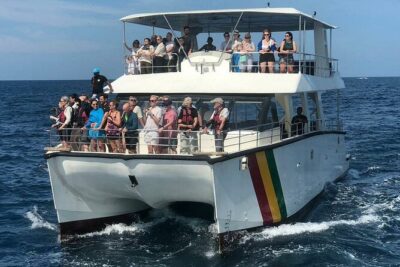
Whales and Dolphins Watching-Luxury Super Grade Cruiser(Hotel Pick up offered)
Read our review →
Traditional Gems & Jewellery Workshop with Transfers
Read our review →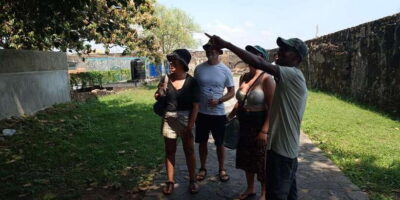



Galle/Mirissa/Hiriketiya: Drop to Ella & Udawalawa Safari
Read our review →
Browse the lists this tour appears in