
Reviewed · ELLA TOURS
Private cooking class – Personalized classic menu
Sri Lankan cooking makes sense once you understand the spice paste behind it. At Sweetvalley Cooking School, Sithara and Upali guide you through grinding and combining spices, then show you how those pastes create color, aroma, and flavor in familiar home dishes. You do not just watch a cook work. You prepare the food yourself, with the lesson shaped around your tastes and pace.
I like the private setting, which gives you room to ask questions and request dishes before the class. I also like the practical mix of old and new methods: traditional Sri Lankan preparation is taught alongside tips for making the same food in a modern kitchen at home. The main consideration is the location information. The activity is listed in Sri Lanka’s Eastern Province, while several bookings describe the hosts’ home as being in or around Ella, so confirm your exact pickup area before paying.
Key points to know
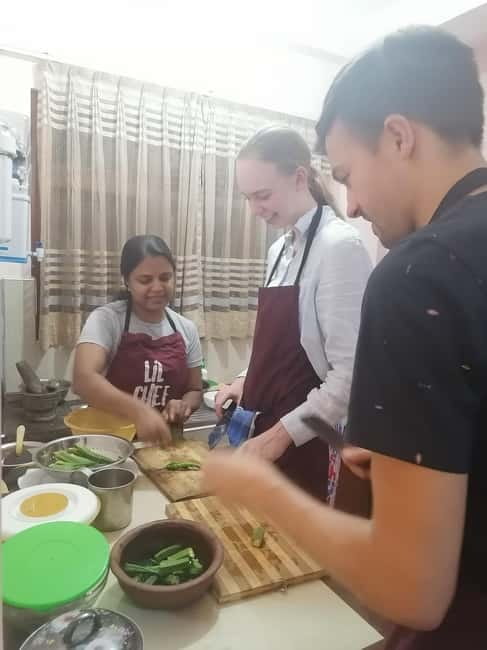
- A genuinely private lesson: Your group cooks alone with Sithara and Upali, rather than joining a large demonstration.
- A menu built around you: Discuss dietary needs, preferred dishes, pace, and cooking interests before the session.
- Spices take center stage: You learn how curry paste creates much of a dish’s color, taste, and aroma.
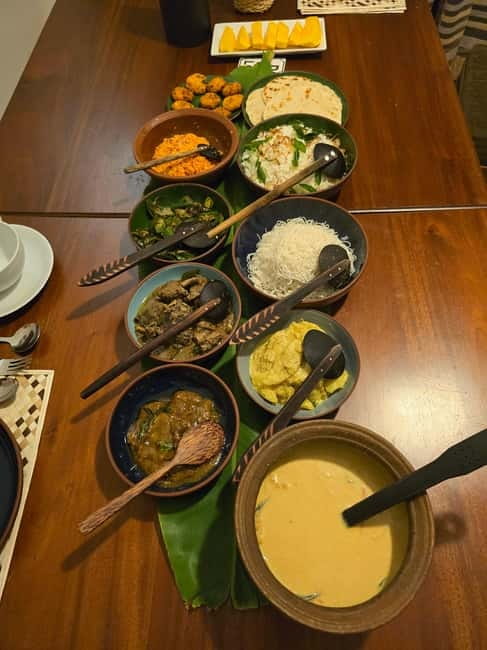
- A generous cooking session: Past classes prepared around 10 or 11 dishes, including curries, string hoppers, roti, and sambal.
- Useful for home cooking: The instruction covers both traditional methods and simpler modern-kitchen techniques.
- Easy transport: Hotel pickup and drop-off are included, with the driver calling your supplied mobile number on arrival.
Why the private format matters
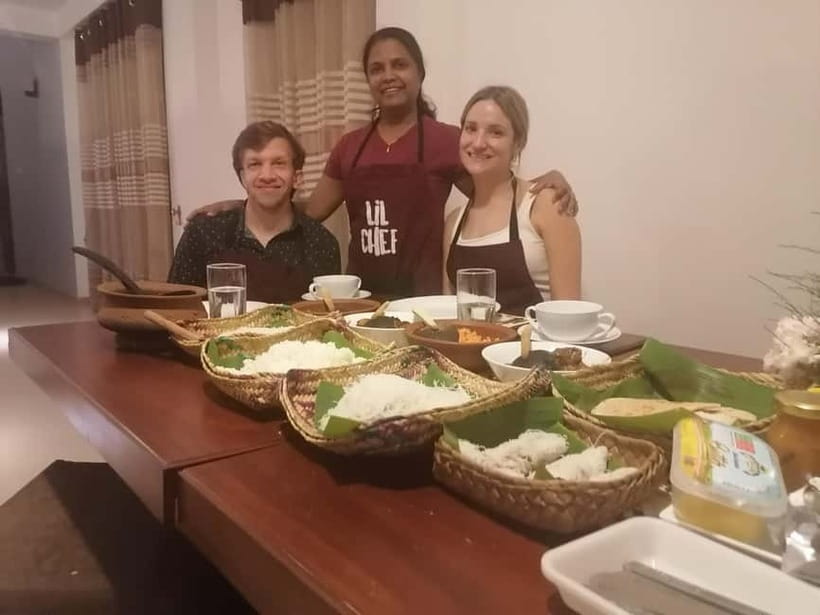
This is not a fixed menu class where everyone follows the same recipe at the same speed. Sweetvalley Cooking School presents the session as a tailor-made culinary experience, and that changes how you should think about the three hours.
Before you arrive, you can discuss what you want to cook, how much time you have, and any dietary restrictions. You might choose a vegetarian or vegan menu, ask to learn a particular curry, or focus on dishes you hope to recreate at home. Gluten-free meals can also be arranged.
That flexibility is especially useful if your group has mixed tastes. One person can avoid animal products while another learns a favorite Sri Lankan dish. The hosts can adjust the menu rather than asking you to accept a preset meal.
A private class also gives you more freedom to stop and ask why a technique works. You can ask about spice quantities, cooking order, texture, heat, or substitutions. If you are new to Sri Lankan food, that extra conversation helps you understand the logic behind the meal instead of simply copying hand movements.
More Cooking Classes in Ella:
- Ella: Traditional Sri Lankan Cooking Class
★ 4.9 · 788 reviews - Ella: Sri Lankan Cooking Class with Neranji at Homestay
★ 5.0 · 276 reviews - Ella : Cooking class with amazing Spice Garden Tour
★ 5.0 · 239 reviews
Meeting Sithara and Upali at home
The cooking takes place in the hosts’ home, which gives the class a personal feel from the start. You are not entering a formal restaurant kitchen or a staged show kitchen. You are being welcomed into the place where the food tradition feels most natural.
Sithara leads the cooking instruction, while Upali helps create the warm, relaxed atmosphere around the meal and conversation. The experience begins with a natural tea, followed by aprons and an introduction to the kitchen.
That opening matters. It gives you a few minutes to settle in and meet the people teaching you before the work begins. The setting is intimate, and the class is best suited to people who enjoy conversation as much as cooking.
You should also know that a home-based experience may feel less polished than a commercial culinary studio. That is part of the appeal, but it may not suit you if you want a slick, highly staged presentation. Here, the value comes from personal attention and direct contact with the people preparing the food.
Exploring Sri Lankan spices and curry paste
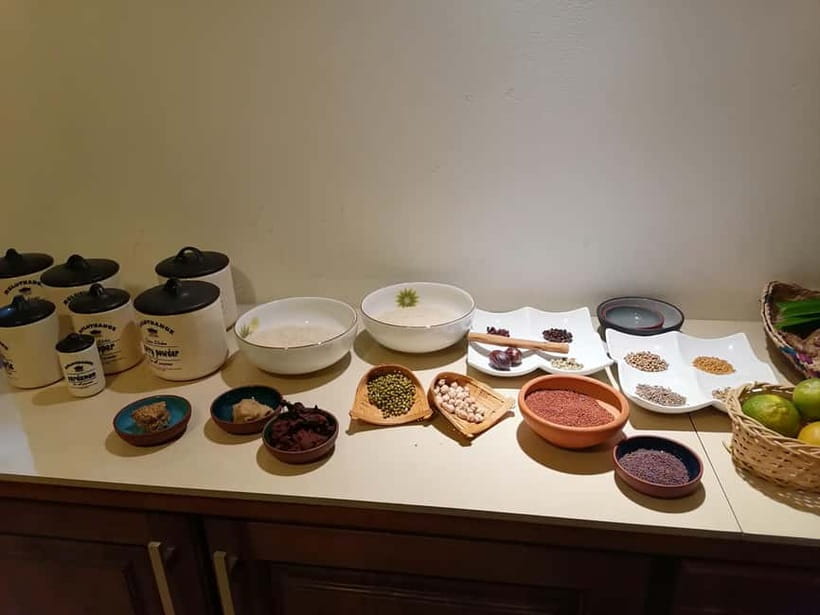
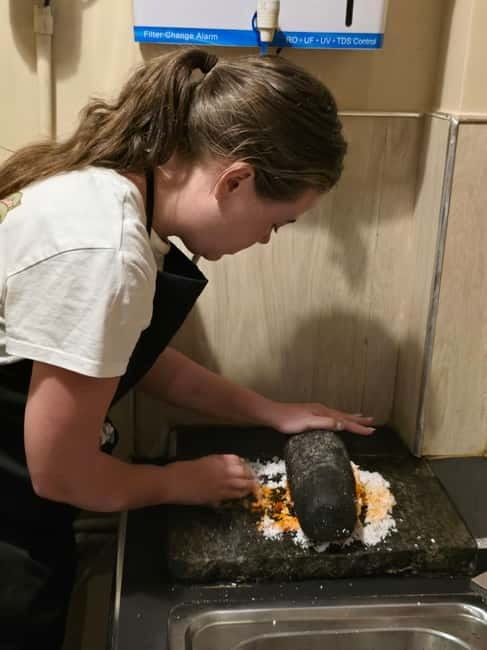
The spice lesson is the heart of the class. In Sri Lankan cooking, curry paste supplies much of a dish’s color, taste, and aroma. You work with a selection of spices and learn how they are brought together using traditional methods.
The useful point is not simply learning the names of spices. You begin to see how a curry develops. The order of preparation, the balance of ingredients, and the texture of the paste all affect the final result.
Sithara also explains traditional methods alongside modern approaches. That means you are not left with a recipe that only works in a particular village kitchen or with equipment you do not own. You also receive tips for making the food in a modern home kitchen.
This is where the class earns its keep. A cooking lesson is far more useful when it helps you repeat the dish later. Pay close attention to visual clues such as texture, color, and consistency, since those can be more helpful than a strict measurement list.
The class also places food in its cultural setting. You learn about Sri Lankan culinary customs and the role of spices in everyday cooking. The emphasis is practical rather than academic, which suits anyone who wants cultural context tied directly to the food on the cutting board.
From string hoppers to sambal
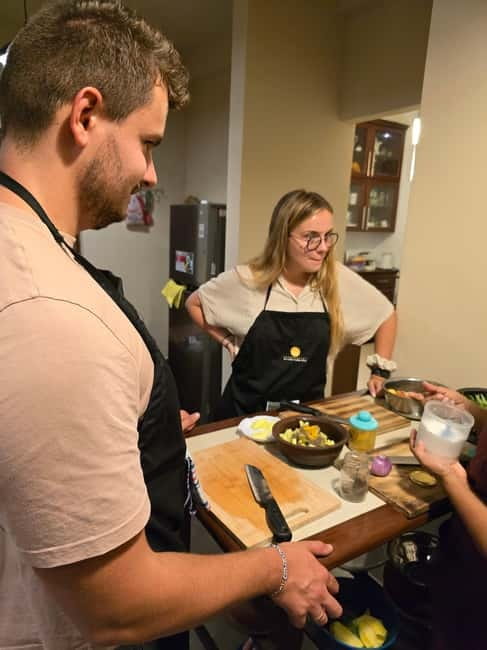
The exact menu depends on your advance discussion, but the class can cover starters, main meals, snacks, and desserts. Based on the dishes prepared in earlier sessions, you might work on fresh string hoppers, several curries, roti, sambal, and sweets.
String hoppers offer a good example of why hands-on teaching helps. Their texture and preparation are difficult to understand from a recipe alone. Making them with an instructor lets you see how the mixture should look and how the finished food should feel.
Roti brings a different skill set, while sambal shows how a small side dish can change the character of a meal. Curries then bring the spice work together. Preparing several types of food helps you see how Sri Lankan meals balance main dishes, breads, condiments, and lighter accompaniments.
Past sessions produced 10 or even 11 dishes, usually split into two rounds. That is a lot for three hours, so you should expect an active session rather than a slow, single-recipe workshop. The large menu is a strength if you want variety and plenty of ideas to take home.
It can also be a drawback if you prefer a quiet class with long explanations for just one or two dishes. Ask about the planned menu before arrival if you want to make sure the pace suits you.
More workshops and classes in Ella:
- Ella Sri Lanka : Mom’s Kitchen Cooking class
★ 5.0 · 113 reviews - Ella: First Class Scenic Train Ticket To/From Nanuoya
★ 4.2 · 19 reviews - Organic cooking class sigiriya (kumara & family)
★ 5.0 · 650 reviews - Sri Lanka Cooking Class with Granny
★ 5.0 · 587 reviews
Learning by cooking, not just watching
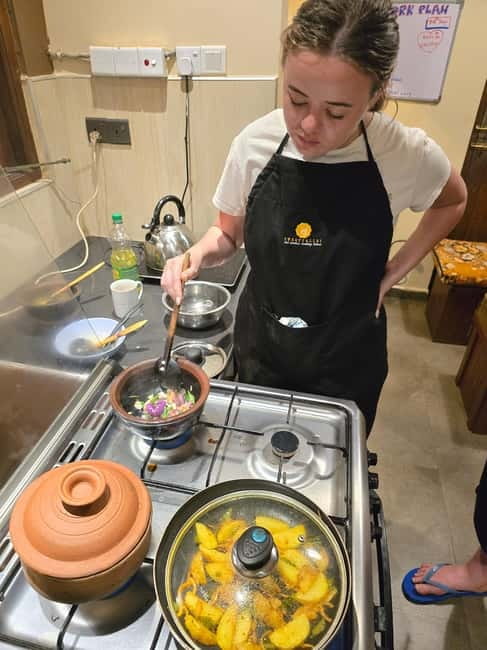
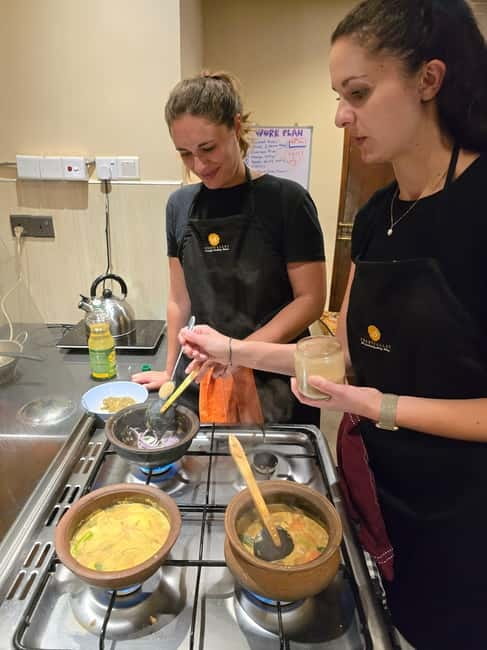
The class is built around your own hands. You help prepare the meal rather than sitting back for a cooking demonstration. That approach makes the lesson more memorable, but it also means you need to be ready to participate throughout the session.
The hosts explain what you are doing and why. You can ask questions as you go, and the private format makes it easier to request a repeat demonstration or clarification. For a beginner, that personal help is valuable. For a confident home cook, the class still offers new combinations of spices and local methods.
The instruction is in English. That makes it possible to discuss techniques, ingredients, and dietary needs directly with the hosts. It also helps when you want to understand how to adapt a dish after returning home.
The pace is not rigid. The course is designed around how quickly you learn and how much time you can spend. Still, the three-hour duration gives the class a clear limit. If your menu is broad, you may cover many dishes without spending equal time on each one.
Eating what you have prepared
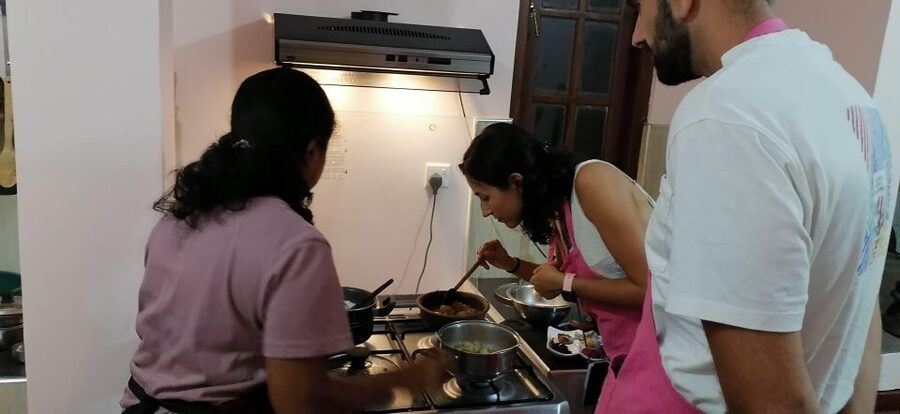
The reward comes at the table. After cooking, you eat the dishes you made, which lets you connect each flavor to the work behind it.
This is more useful than a meal served without explanation. You can taste how the curry paste changes a dish and notice the difference between a freshly prepared sambal, bread, and cooked main course. If something tastes different from what you expected, you can ask about it right away.
The shared meal also gives the evening a social rhythm. The hosts talk with you about food, culture, and their lives, creating space for conversation beyond the recipes. If you enjoy meeting local people in a home setting, this is one of the strongest reasons to book.
The amount of food can be substantial when the menu includes 10 or 11 dishes. Come ready to eat, but remember that the exact number depends on the menu agreed in advance.
Vegetarian, vegan, and gluten-free options
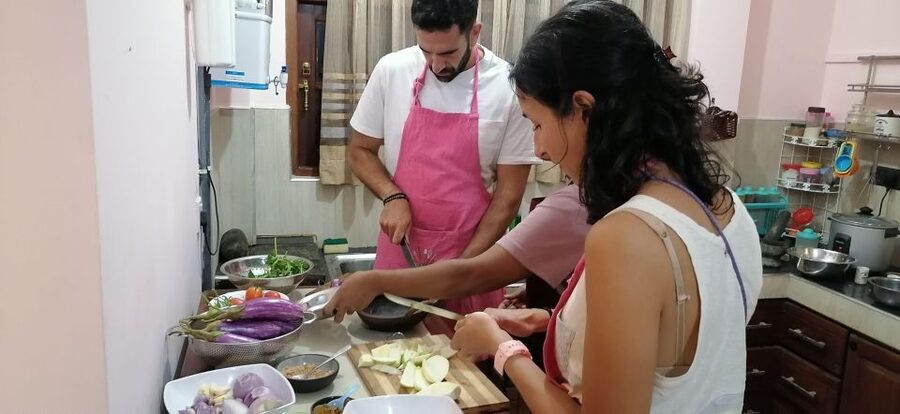
Dietary flexibility is one of the practical advantages here. The menu can be discussed in advance, and authentic vegan and gluten-free meals are offered. Vegetarian menus are also possible.
Do not leave this conversation until the day of the class. Tell the school about restrictions and preferred dishes before you arrive so the session can be planned properly. This is especially important for a private class because the menu is one of the main reasons to choose it.
A vegan menu does not mean you receive a lesser version of the meal. One earlier session accommodated a vegan diner while still including a broad selection of dishes. That suggests the cooking format works well for mixed groups, provided you communicate clearly ahead of time.
Hotel pickup and the location question
Hotel pickup and drop-off are included, which makes the three-hour activity easier to fit into a day of sightseeing. You do not need to arrange separate transport if your accommodation is within the service area.
The driver is expected to call the mobile number you provide upon arrival. Keep that phone available, and make sure the number on your booking is correct.
There is one point I would clarify before booking. The supplied location is Eastern Province, Sri Lanka, but several class descriptions refer to staying in Ella and recommend the experience for people based in Ella or nearby. Since pickup depends on your accommodation, confirm the precise meeting area and travel time with Sweetvalley Cooking School.
That check is not a minor detail. A class can be excellent and still be inconvenient if the pickup zone does not cover your hotel. The included transport is valuable only when the location matches your plans.
Is $42 per person good value?
At $42 per person, this is not just the price of a meal. You are paying for three hours of private instruction, hotel transport, a tailored menu, hands-on preparation, and the food you cook and eat.
The value is strongest for couples, families, or small private groups who want direct help. A standard restaurant meal may cost less, but it will not show you how to build curry paste, prepare string hoppers, or adjust a recipe for your own kitchen.
The price also makes sense if you care about dietary control. A private menu can be shaped around vegan, vegetarian, or gluten-free needs, which is harder to arrange in a large group class.
The value is less clear if you only want to sample Sri Lankan food and have no interest in cooking. In that case, a restaurant meal may be simpler. You should also weigh the menu size against your learning style. Ten or 11 dishes sounds generous, but it may feel fast if you want to master every detail.
The full rating is based on five reviews, all giving five stars. More important than the number itself is the repeated pattern: warm hosting, clear explanations, personal attention, and food that accommodates different preferences.
Who should book this class?
I would recommend this experience to you if you want a personal introduction to Sri Lankan home cooking rather than a formal cooking show. It suits couples, families, and private groups who like to ask questions and share a meal with their hosts.
It is also a strong choice for:
- Home cooks who want techniques they can repeat later
- Anyone curious about Sri Lankan spice blends and curry paste
- Groups with vegan, vegetarian, or gluten-free requirements
- People who want to request particular dishes
- Visitors staying in the confirmed pickup area around the class location
You may want to skip it if you prefer a short food tasting, a fixed menu, or a large social class with many other participants. The private home setting is personal and conversational, so it works best when you are comfortable with that style.
Practical booking advice
Discuss your menu before the session. Ask for the dishes you most want to learn, then confirm how many recipes can reasonably fit into three hours.
Tell the school about every dietary restriction in advance. Also confirm the location, pickup coverage, and starting time, especially if you are staying in or around Ella while the activity details show Eastern Province.
The activity is offered in English and is wheelchair accessible. Cancellation is free up to 24 hours before the start time, and you can reserve now and pay later, which helps if your route is still changing.
Should you book Sweetvalley Cooking School?
Book it if your ideal Sri Lankan food experience includes real participation, a flexible menu, and time with a welcoming local couple. The combination of spice preparation, traditional recipes, modern kitchen advice, and a shared meal gives you something useful to carry home.
I would make two checks first: confirm the pickup location and agree on the menu. If both work for you, $42 buys much more than dinner. It buys a private lesson with Sithara and Upali, plus a practical taste of Sri Lankan cooking culture that you can use after your holiday ends.
FAQ
How long is the private cooking class?
The class lasts three hours.
How much does the experience cost?
The price is $42 per person.
Is the class private?
Yes. It is offered as a private group experience.
Who teaches the cooking class?
The hosts are Sithara and Upali. Sithara leads the cooking instruction, while both hosts welcome you into their home and share the experience with you.
What language is used during the class?
The class is taught in English.
Can I request particular Sri Lankan dishes?
Yes. The menu can be discussed in advance and tailored to your meal preferences.
Can the class accommodate dietary restrictions?
Yes. The session can be arranged around dietary restrictions and preferences. Authentic vegan and gluten-free meals are offered, and vegetarian menus can also be requested.
What types of food can I learn to cook?
The class can include starters, main meals, snacks, and desserts. Previous menus included string hoppers, curries, roti, sambal, and other Sri Lankan dishes.
Is hotel transportation included?
Yes. Hotel pickup and drop-off are included. The driver will call the mobile number you provide upon arrival.
Can I cancel for a refund?
Yes. You can cancel up to 24 hours in advance for a full refund. You can also reserve the class and pay later.
Recently listed around Ella
- From Tangalle/Hiriketiya: Shuttle to Ella with Yala Safari★ 4.8 · 6 reviews
- From Ella: Lipton Seat & Dambatenne Tea Factory Day Tour★ 4.4 · 7 reviews
- Ella Day Tour: with Tea Factory Visit from Colombo/Bentota★ 4.4 · 7 reviews
- Ella: Adventure day trip to explore Ella by tuk tuk★ 4.4 · 7 reviews
- Ella: Lipton’s Seat Tour with Dambetanna Tea Factory Visit★ 4.6 · 7 reviews
- From Arugambay : Yala National Park Safari & Dropoff in Ella★ 4.6 · 7 reviews
- Ella, Sri Lanka Cycle Zone Bike Tour★ 4.7 · 8 reviews
- From Ella -Unforgettable Day Trip of 8 Sights & Train★ 3.9 · 8 reviews
Ella Tours, compared.

Drop to Tangalle/Hiriketiya/Mirissa/Galle & Yala Tour
Read our review →
Little Adam’s Peak, Nine Arches Bridge & Waterfalls
Read our review →Drop to Tangalle/Hiriketiya/Mirissa/Galle & Yala Tour
Read our review →
Drop to Tangalle/Hiriketiya/Mirissa & Yala Safari
Read our review →
Sri Lankan Cooking Class with Neranji at Homestay
Read our review →
Yala Safari with Tangalle/Mirissa/Galle Drop-off
Read our review →Browse the lists this tour appears in