
Reviewed · SIGIRIYA & DAMBULLA TOURS
Night Hike to see Elusive & Rare Loris in Sigiriya
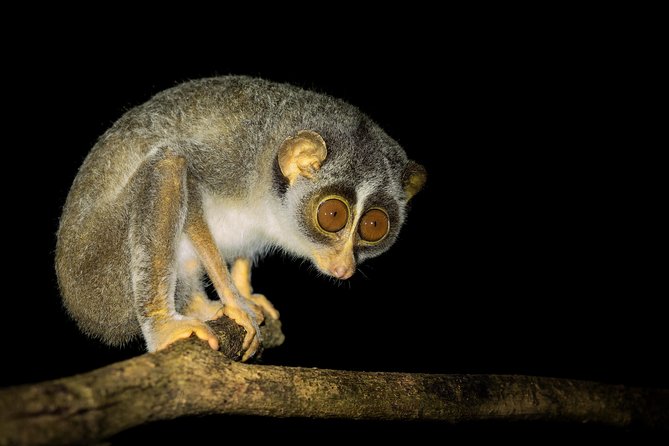
The main prize here is the slender loris, a tiny, wide-eyed primate that only comes out after dark. In the jungle around Pidurangala, your guide uses a torch or headlamp to search the branches, while you listen for insects, owls, and other night creatures. The stated success rate is over 90 percent, though wildlife is never fully on schedule.
I like the strong conservation angle and the short, manageable walk. The guides begin with a useful introduction to lorises, and the money supports habitat protection through Back of Beyond. The one thing to consider is timing: heavy rain or a bright full moon can make lorises harder to spot, and the advertised 1.5 hours may feel closer to two hours in practice.
Key points before you book
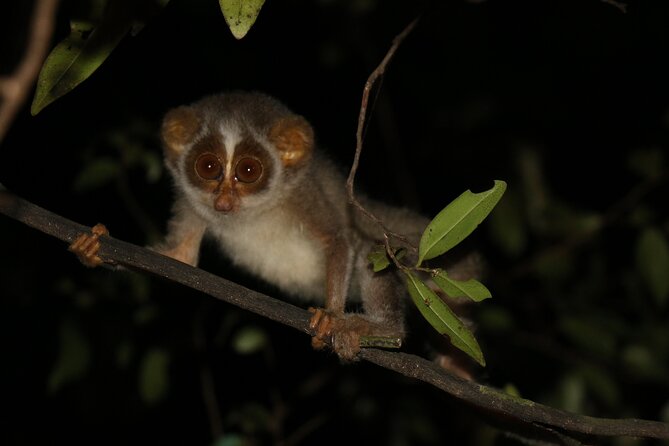
- Lorises are the focus: The walk is designed around finding these nocturnal primates, not simply taking a general jungle stroll.
- Small groups help: The maximum is eight people, with some departures using two guides for better spotting.
- Expect more than lorises: Kangaroo lizards, geckos, mouse deer, sleeping birds, unusual nests, and bioluminescent insects have all appeared on walks.
- The opening talk matters: You receive an explanation of loris behavior and the conservation work before heading outside.
- Wear proper jungle clothing: Long trousers, a long-sleeved shirt, and closed-toe shoes are required.
- Weather affects the search: Rain may send lorises into hiding, while full-moon light can make them retreat farther into the trees.
A night walk built around one very shy animal
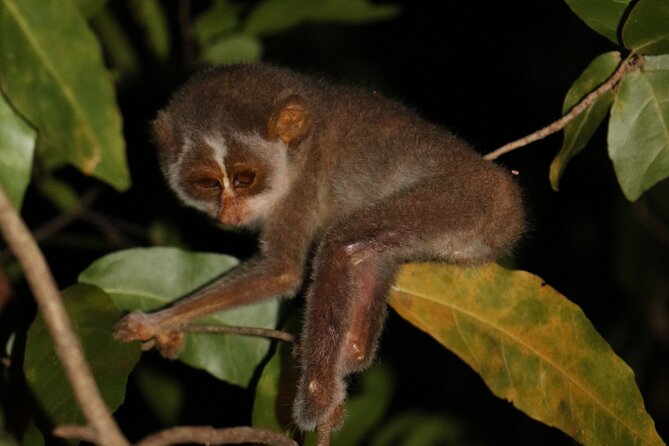
Many wildlife outings promise a long list of possible sightings. This one is more specific. You come to Pidurangala mainly to find a loris, then learn to appreciate the rest of the jungle if the little primate makes you wait.
That focus gives the experience a clear purpose. Lorises are nocturnal and move slowly through the branches, often blending into the dark foliage. You will not be watching animals in a lit enclosure or driving past them from a vehicle. Your guide must locate a small animal in a large, dark area, then point it out without disturbing it.
The advertised success rate of more than 90 percent is encouraging, especially for a wild-animal encounter. Still, treat it as a strong possibility rather than a promise. One group searched after a major rainstorm and nearly gave up before a guide spotted a loris crawling through the trees above them. Another group saw several animals but found them farther away during a full moon.
A money-back guarantee is listed if no loris is seen. Ask for the exact terms when booking, since the practical value of any wildlife guarantee depends on how the operator defines a successful sighting and what happens after a difficult weather-affected walk.
More Hiking Tours in Sigiriya
- Sunrise or Sunset Hike Pidurangala Rock with Scenic Views
★ 4.6 · 125 reviews - Sigiriya Lion Rock Hike & Minneriya National Park Safari
★ 4.8 · 55 reviews - Kandy: Knuckles Mountain Range Guided Trekking Tour
★ 4.9 · 54 reviews
Starting at Rocko’s Vegetarian Cafe near Pidurangala
The meeting point is Rocko’s Vegetarian Cafe in the Pidurangala area, on Sigiriya Road. This is a useful base because the walk begins and ends at the same place, so you do not need to arrange a second pickup point after dark.
Allow time to reach the cafe before the start. The directions provided place it near the Pidurangala area rather than at Sigiriya Rock itself, so do not assume that a ticket for Lion Rock brings you to the meeting point. A map pin and local directions are worth checking before setting out.
The opening portion is not wasted time. Back of Beyond gives a presentation about lorises and the local ecosystem before the walk. One visitor described the talk as especially useful and noted that the person giving it showed real passion for the animals. Another felt the presentation could be a little more playful, but still found the information valuable.
I would pay close attention here. You learn what to look for, how lorises move, and why the guides scan certain branches rather than shining lights everywhere at random. That background makes the later sightings far more meaningful.
What the 1.5-hour search feels like
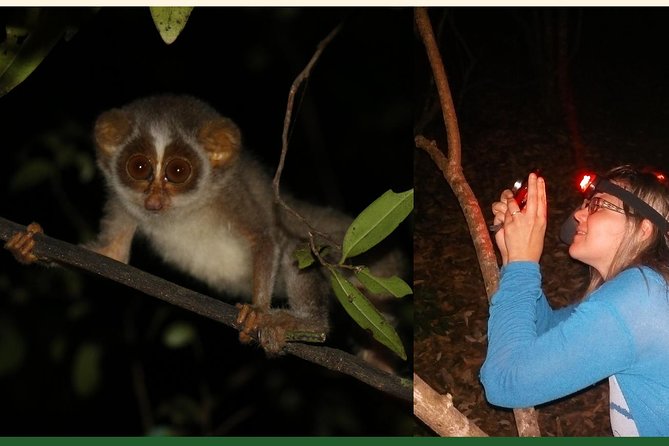
After the introduction, you receive the necessary gear, including headlamps according to the detailed accounts of the activity. The path leads into the nearby jungle around Pidurangala, where the point is to move quietly and keep looking upward.
The walk is described as about 1.5 hours, while the route information also refers to a two-hour guided walk. Plan for roughly two hours from arrival to return, especially if the group starts late, pauses for a sighting, or spends extra time looking after rain. One group arrived more than an hour late because of rain and elephants on the road, and the guide was willing to arrange another outing. That flexibility may not apply every time, but it shows why you should contact the operator if your schedule changes.
This is not a hard mountain trek based on the information provided. It is a short jungle hike, but darkness changes the experience. Roots, branches, uneven ground, and wet conditions can be harder to judge at night. Closed-toe shoes are essential, and long sleeves and long trousers protect you from the jungle rather than simply making you look prepared.
Your guide leads the search and explains what appears along the way. The strongest accounts describe guides who quickly notice movement in the canopy and patiently help the group find the animal. When the loris is finally visible, it may be above your head or partly hidden among leaves, so expect a shared sighting rather than a guaranteed close-up.
The loris encounter: small, slow, and worth the wait
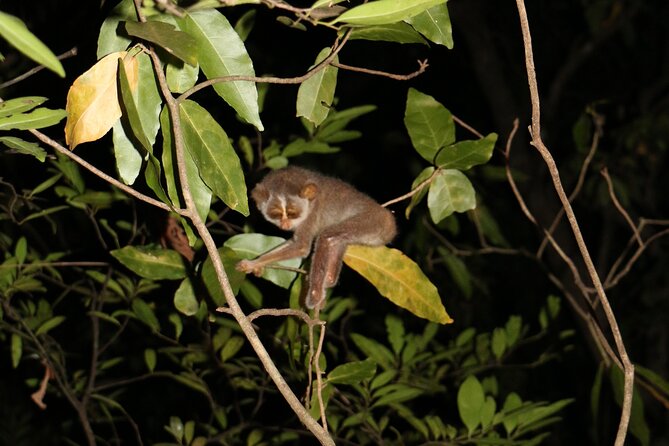
A loris is not a large animal that announces itself. Its appeal comes from its odd, gentle appearance and careful movements. You might see one moving along a branch, searching for food, or sitting still while the light catches its large eyes.
Several outings recorded three to six lorises. Some groups saw two, including one excellent sighting, while others found four or five. One person described seeing a loris very close and getting photographs. Those results are unusually good for such a secretive animal, but they should not set an exact expectation for your evening.
Your guide’s skill is central. The animal may be only a small shape in the leaves until the guide directs your gaze to the right spot. A bright phone screen, loud conversation, or sudden movement could make it harder for everyone to keep track of the sighting, so follow the group’s instructions and keep your light pointed where requested.
Animal welfare is another strong point. The walk is presented as an ethical wildlife activity, and the guides focus on watching animals in their habitat. You should not expect handling, feeding, or staged encounters. That restraint is part of the value. A brief, respectful sighting is better than a close encounter that stresses the animal.
One account also described a loris found after being knocked from a tree and discovered beside the road. That is not a normal part of the tour, and you should not expect a rescue event. It does show the risks these animals face near roads and why habitat protection matters.
More ways up Sigiriya rock:
- From Colombo: Sigiriya and Dambulla Day Trip with Safari
★ 4.7 · 842 reviews - Organic cooking class sigiriya (kumara & family)
★ 5.0 · 650 reviews - From Sigiriya: Minneriya National Park Private Jeep Safari
★ 4.9 · 415 reviews - From Sigiriya: Minneriya National Park Elephant Safari
★ 4.8 · 365 reviews
Other nocturnal wildlife adds depth to the walk
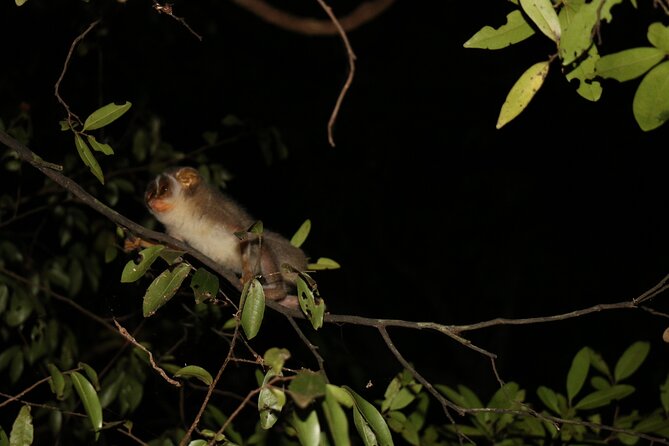
If the lorises are hiding, the night does not become empty. The jungle changes after sunset, and your guide helps you notice details that you could easily miss during the day.
Recorded sightings have included a kangaroo lizard sleeping on a branch, an unusual gecko, adult and baby mouse deer, sleepy birds, unusual nests, and bioluminescent insects. These are possibilities, not promised stops on a fixed wildlife checklist. Their presence depends on weather, season, and luck.
I like this part of the experience because it takes pressure off the main sighting. You are still searching for the loris, but you are also learning how much activity continues after dark. The sounds of crickets and owls become part of the evening, and the night sky can add another quiet pleasure when the clouds clear.
The guides are described as passionate about wildlife, not just trained to point out one species. That wider knowledge makes the walk more educational. If you are interested in Sri Lankan nature, the experience has more to offer than a quick photograph of a primate.
Weather, moonlight, and the luck factor
The best practical advice is to respect the conditions. Rain can affect both your comfort and the animals’ behavior. After heavy rain, lorises may stay tucked away, and wet paths may become more awkward. One group initially found no lorises during rainy conditions, then spotted five or six after the rain stopped.
A full moon creates the opposite problem. More natural light may sound helpful, but one outing found that the bright moon encouraged the lorises to hide deeper in the jungle. A darker night may be better for finding them close to the trail, though no moon phase can guarantee a sighting.
Keep expectations flexible. A 90 percent success rate is a persuasive reason to choose this outing, but it does not turn wild animals into scheduled performers. The most satisfying approach is to want a loris, while staying open to everything else your guide finds.
The listed free-cancellation policy allows cancellation up to 24 hours before the activity for a full refund. You can also reserve and pay later, which is useful in Sigiriya if your plans depend on weather or transport. These policies are practical, but they do not remove the need to dress properly for a wet night.
Why the conservation angle adds real value
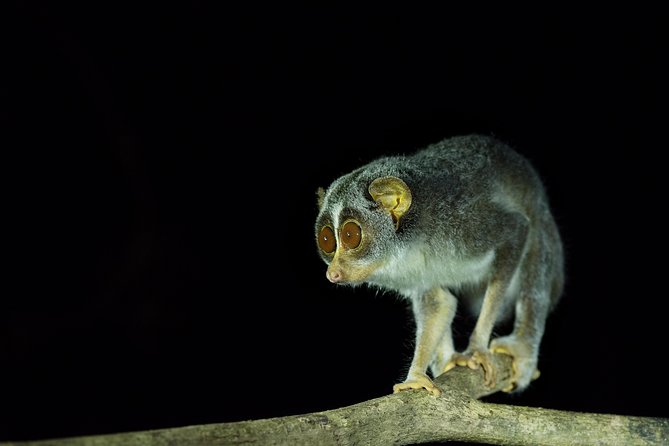
Back of Beyond is presented not simply as a tour company but as a conservation organization. The activity supports efforts to protect lorises and their habitat, and several accounts specifically appreciated knowing that part of the money went toward that work.
That matters because a wildlife encounter can have two very different effects. It can turn an animal into a photo subject, or it can help you understand why the animal needs space and protection. The introductory talk and the careful approach to sightings push this experience toward the second option.
You also receive a clearer picture of the pressures facing small nocturnal animals. Roads, habitat loss, and disturbance can affect creatures that are easy to overlook. A night walk gives you a direct reason to care about those issues without turning the evening into a long lecture.
If you want a purely adrenaline-driven activity, this may feel too quiet. The best moments come from waiting, scanning branches, and letting the guide do the hard work of locating movement. For anyone who likes nature and wants a more responsible use of an evening in Sigiriya, that slower pace is a benefit.
Price, group size, and overall value
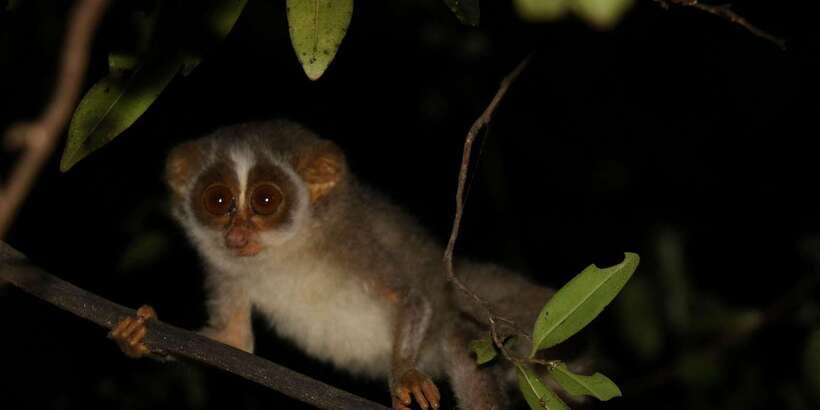
The listed price is $64 for a group of up to two people. That is a good value if you are traveling as a couple, since the price is not presented as a separate charge for each person. The maximum group size is eight, and smaller groups may receive more attention from the guides.
The value comes from several parts working together: a specialist night search, an opening wildlife presentation, supplied headlamps, a trained English-speaking guide, and support for habitat protection. You are paying for local skill and access to a focused experience, not just for a walk in the dark.
The price may feel less attractive if you are mainly seeking a long hike or a broad safari. This is a short activity built around one animal. You are not booking a full-night park excursion with a long list of large mammals.
Compared with spending more on a major Sigiriya attraction, the walk offers a very different evening. One person felt it was worth choosing over saving the extra money for Lion Rock, though the two activities are not direct substitutes. Lion Rock gives you ancient ruins and a daytime climb. This gives you a quiet wildlife encounter after sunset.
Who will enjoy this most
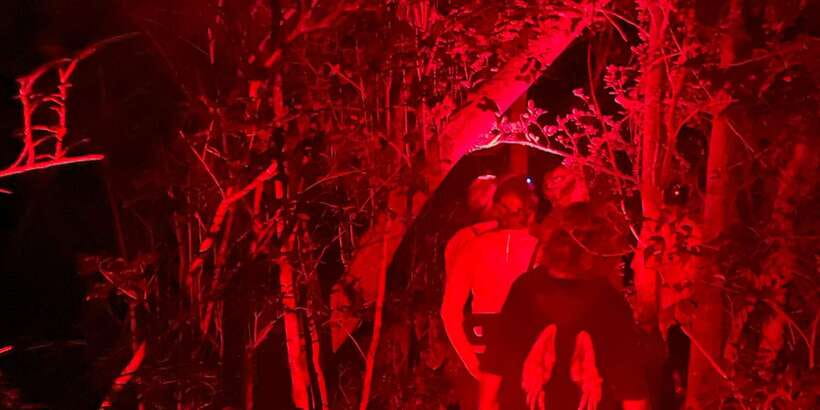
I would choose this for couples, solo nature fans, families with older children, and anyone who wants an evening activity that feels tied to the local environment. The small group format is helpful if you want to hear explanations and get a fair chance to see what the guide spots.
It suits people who can walk quietly and wait patiently. You should also be comfortable outdoors at night and able to manage a short jungle route with uneven ground. The supplied gear helps, but it does not replace sensible clothing or sturdy footwear.
Photographers should keep expectations realistic. Close sightings have allowed people to take photos, but the animals may be high in the trees, partly hidden, or moving away. A camera with a useful low-light setting may help, but no equipment can guarantee a clear portrait.
This is less suitable if you dislike insects, darkness, rain, or uncertain results. It is also not the best pick if you need a precisely timed activity, since weather and animal behavior can stretch the walk beyond the nominal duration.
What to bring and how to prepare
Wear long trousers, a long-sleeved shirt, and closed-toe shoes. These are required, and they are sensible protection for a jungle path at night. You should also expect the possibility of wet ground if rain has passed through.
Arrive ready to listen before the walk begins. The introduction will help you understand the search, and knowing the animal’s habits makes a distant sighting easier to appreciate. Keep your phone quiet and avoid shining extra light into the trees unless the guide asks you to.
If rain is forecast, allow extra time and keep your schedule flexible. If you are arriving from another part of Sigiriya, check the route to Rocko’s Vegetarian Cafe in advance. The meeting point is in the Pidurangala area, not simply any location labeled Sigiriya.
The activity is offered in English and is limited to eight people. Free cancellation is available up to 24 hours before the start, and reserve-now, pay-later booking is offered. The published rating is 4.5 from 101 ratings, which suggests broad satisfaction while leaving room for the usual wildlife uncertainty.
Should you book the Pidurangala loris walk?
Yes, if you want a short, focused wildlife outing and understand that the loris is wild. The combination of a high stated sighting rate, strong guiding, small groups, and conservation work gives the experience a clear edge over a random nighttime stroll.
Book it especially if your Sigiriya schedule already includes daytime ruins and you want a different side of the area. Go in with long clothing, closed shoes, patience, and a flexible attitude toward weather. If a full moon or heavy rain is expected, ask about timing before committing.
Skip it if you want a guaranteed close photograph, a strenuous hike, or a long safari. For everyone else, this is a thoughtful way to spend an evening: one small primate, a dark jungle, and a guide who knows where to look.
FAQ
Where does the loris night hike begin?
The meeting point is Rocko’s Vegetarian Cafe in the Pidurangala area, near Sigiriya. The walk returns to the same cafe.
How long does the activity last?
The activity is listed as 1.5 hours. The route information also refers to a two-hour guided walk, so allow roughly two hours in case the search takes longer.
How likely is it that I will see a loris?
The stated success rate is over 90 percent. Since lorises are wild animals, sightings can still be affected by rain, moonlight, and animal behavior.
What happens if no loris is seen?
A money-back guarantee is listed if no loris is spotted. Ask for the specific terms when booking.
What should I wear?
Wear long trousers, a long-sleeved shirt, and closed-toe shoes. These are required because the route passes through jungle areas.
Is equipment provided?
Necessary gear is provided. Detailed accounts of the activity specifically mention headlamps being issued before the walk.
What language is the tour offered in?
The live tour guide speaks English.
How large is the group?
The activity is limited to eight participants. Some outings may have two guides, especially when the group is small.
Can I cancel the booking?
You can cancel up to 24 hours in advance for a full refund. Reserve-now, pay-later booking is also available.
What other wildlife might I see?
Possible sightings include kangaroo lizards, geckos, mouse deer, sleeping birds, unusual nests, and bioluminescent insects. These sightings are not guaranteed.
More evening outings in Sigiriya & Dambulla
- Minneriya: Minneriya National Park Private Evening Safari
★ 4.9 · 15 reviews - Sigiriya: Sunrise or Sunset Kayaking Tour
★ 4.8 · 11 reviews - Yala National Park Safari Tours: Morning/Evening/Full Day
★ 4.8 · 818 reviews - Colombo private city tour by tuk tuk morning and evening
★ 5.0 · 109 reviews
More Hiking Tours in Sigiriya & Dambulla
- Night Hike to see Elusive & Rare Loris in Sigiriya
★ 4.5 · 43 reviews - Sigiriya Rock Hike & Minneriya Elephant Safari – Day Tour
★ 4.3 · 15 reviews - Ella: Private Ella Rock Sunrise Hike – All Inclusive
★ 4.8 · 56 reviews - Sigiriya Hike & Minneriya Safari Private Full Day Tour
★ 5.0 · 56 reviews
Recently listed around Sigiriya & Dambulla
- Minneriya National Park Safari in a 4×4 Vehicle★ 4.5 · 10 reviews
- Sigiriya Village Tour and Lunch with Hotel Pick up from Sigiriya★ 5.0 · 10 reviews
- Wasgamuwa: Wasgamuwa National Park Private 3-Hour Safari★ 4.9 · 10 reviews
- Small Group Sigiriya Village Tour with Typical Lunch★ 4.0 · 10 reviews
- Kandy: Sigiriya, Dambulla & Wildlife Safari Private Tour★ 4.3 · 10 reviews
- Sigiriya To Kandy Private Transfer: Visit Dambulla Temple★ 4.9 · 11 reviews
- Sigiriya: Sunrise or Sunset Kayaking Tour★ 4.8 · 11 reviews
- Kandy To Sigiriya Drop Tour- – Private Tour★ 5.0 · 11 reviews
Sigiriya & Dambulla Tours, compared.
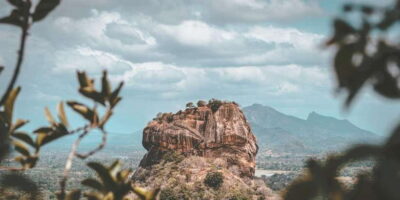

Organic cooking class sigiriya (kumara & family)
Read our review →
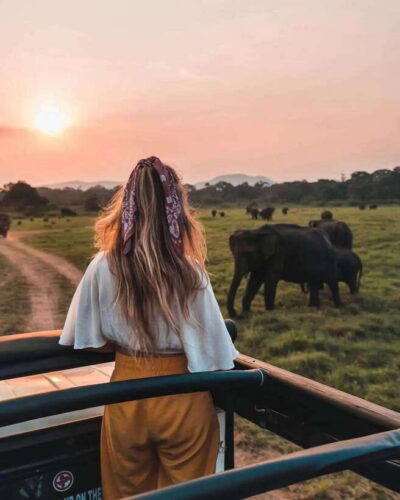
Private Jeep Safari at Minneriya National Park to Visit Elephants
Read our review →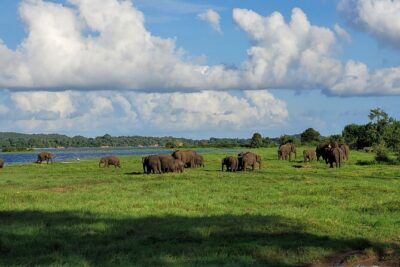
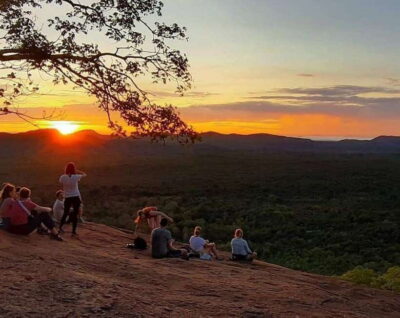
Sunrise or Sunset Hike Pidurangala Rock with Scenic Views
Read our review →Browse the lists this tour appears in