
Reviewed · NEGOMBO TOURS
From Colombo to Galle Fort and Unawatuna Beach Day Trip
Sri Lanka’s southern coast packs a surprising amount into one long day. You can watch turtle conservation work, see how moonstones are mined by hand, walk inside a UNESCO-listed Dutch fort, and finish beside the sea at Unawatuna Beach. The coastal road gives the day a useful sense of place rather than sending you straight from one attraction to another.
I like the combination of wildlife, local industry, and history. I also like that the price includes a private-style air-conditioned car or van, hotel pickup and drop-off, entrance to the turtle hatchery and Galle Fort, an English-speaking chauffeur-guide, water, and a king coconut.
The main caution is time. From Colombo, you will cover a lot of road in a single day, and one poor experience described long stretches in the vehicle, an expensive lunch stop, and several unplanned sales-oriented stops. Ask clearly what is included before you set off, especially the Madu River boat safari, which costs extra.
Key points to know before booking
- Meetiyagoda is the unusual stop: You can see blue moonstones being mined from hand-worked, waterlogged pits in a village that has supplied the world since 1906.
- Galle Fort is the day’s major historic sight: Portuguese foundations and Dutch fortifications surround a living neighborhood with several religious and cultural communities.
- The Madu River safari is optional: It is not included in the tour price, so confirm the boat cost before agreeing to go.
- The route is full but worthwhile: Turtle conservation, Hikkaduwa, a moonstone mine, Galle, and Unawatuna make this more varied than a simple beach transfer.
- Guides can shape the day: Dilip was praised for friendly explanations along the route, while Tuan was noted for being pleasant and explaining the sites well.
- The price covers useful basics: At $48 per person, air-conditioning, hotel transfers, guide service, water, and two entry fees make the package reasonable if the schedule runs as promised.
What a $48 day from Colombo really includes
At $48 per person, this is priced as an accessible full-day excursion rather than a luxury private tour. You get transportation in an air-conditioned car or van, hotel pickup and drop-off in Colombo, an English-speaking chauffeur-guide, turtle hatchery entry, Galle Fort entry, a bottle of water, and a king coconut.
That matters in Sri Lanka because the southern coast is spread out. Paying separately for a vehicle, driver, fuel, and several admissions can quickly become less simple than joining one organized day. The small-group limit of 15 people also keeps the outing more manageable than a large coach trip, although the exact vehicle will depend on the group.
The price does not include the Madu River boat safari. This is the most important extra cost to clarify. If you want the river ride, ask for the price before boarding, and ask whether the boat fee is per person or per boat.
Lunch is also not listed as included. You should budget for your own meal and take care with the suggested stop. One especially negative account described an overpriced lunch with poor food, so you are sensible to ask about the menu and prices before ordering. A polite question at the start can prevent an awkward pause later.
The tour allows free cancellation up to 24 hours before departure and offers reserve-now, pay-later booking. Those terms are useful when your Colombo plans are still shifting. The activity is listed as valid for one day, with starting times based on availability.
More Galle Fort walks:
- Day Excursions to Galle Fort & Bentota from Colombo
★ 4.5 · 20 reviews - Galle Fort Walking tour
★ 4.9 · 285 reviews - Galle Fort Walking Tour with a Resident
★ 5.0 · 88 reviews
The coastal road south from Colombo
The day begins with pickup at your Colombo hotel and a drive toward the southern coast. The route follows the coast, linking beach towns and inland stops rather than focusing on one single attraction.
This road time is both the strength and weakness of the trip. You see how the resorts, villages, beaches, shops, and working areas connect, and a good guide can explain what you are passing. Dilip received particular praise for offering explanations along the way, and Tuan was also noted for his friendly manner and comments at the sites.
Still, this is a long list of stops. You may spend more time in the vehicle than you expect, especially if traffic slows the coastal route or if extra stops are added. I would treat this as a broad introduction to the south, not as a slow, in-depth visit to every place.
Before leaving Colombo, confirm the order of stops, the expected return time, the lunch plan, and the optional river safari. Also ask whether any shopping or demonstration stops are planned. This is not an unreasonable request, and it gives you a better chance of protecting the time you most care about.
Kosgoda turtle hatchery and Sri Lanka’s sea turtles
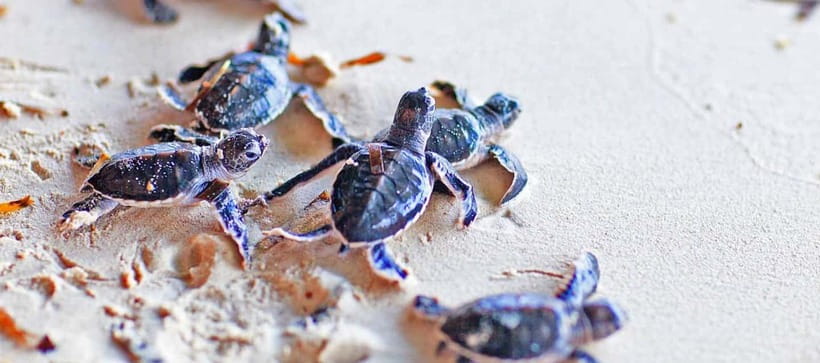
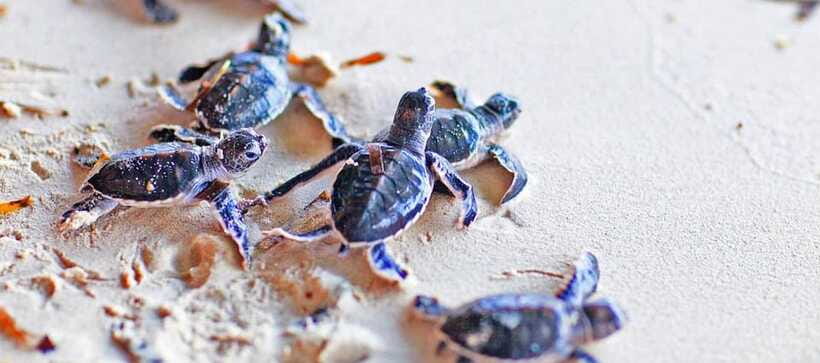
The turtle hatchery is one of the clearest educational stops on the route. Sri Lanka’s southern coast has 18 turtle hatcheries, and Kosgoda is among the oldest, having begun in 1981.
The project works with all five turtle species found on Sri Lanka’s beaches. That gives the visit real value beyond a quick look at animals in tanks. You can learn about the hatching process, the threats facing turtles, and the conservation work carried out along the shore.
The hatchery also runs activities and volunteer programs for local and international visitors. If you care about wildlife, this may be the stop that gives the day its strongest purpose. You are not simply looking at a beach attraction. You are being introduced to an effort aimed at preserving turtle life on the coast.
The quality of a hatchery visit depends heavily on the guide’s explanation and on how the operation handles the animals. Listen carefully to the conservation information and ask questions. The supplied details confirm the project’s age, species coverage, and educational programs, but they do not promise a particular feeding session, release event, or length of visit.
Madu River: pay extra for the wetland route
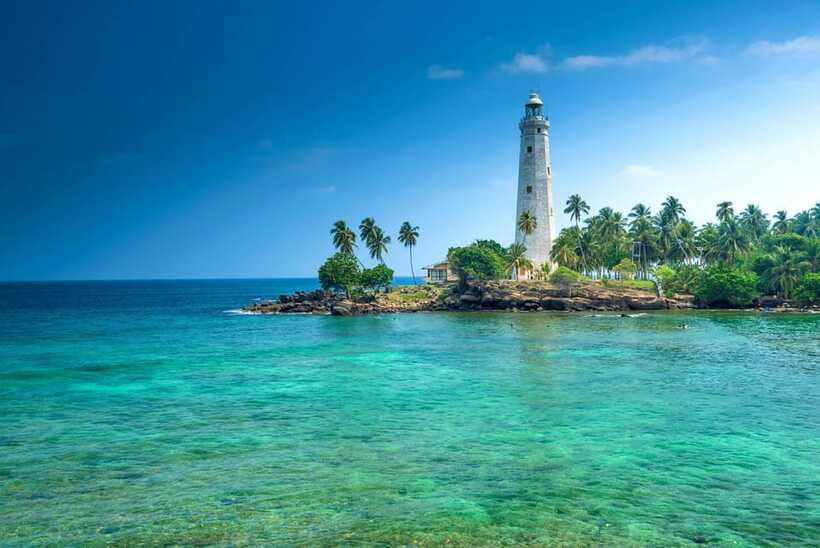
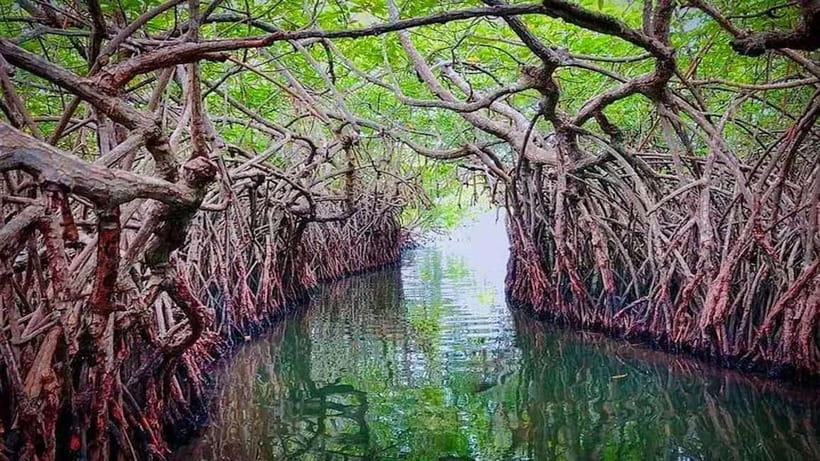
The Madu Ganga River runs through the southwest of Sri Lanka’s Galle District. It begins in the Akuressa Hills, travels about 64 kilometers, and reaches the Indian Ocean after passing through coastal wetlands covering roughly 915 hectares.
A boat safari gives you a different view of southern Sri Lanka. Instead of another road stop, you move through a broad wetland system shaped by water, small channels, and coastal ecology. If you have already spent the morning in a vehicle, that change of pace can be welcome.
The practical catch is simple: the boat safari is not included. The tour includes the river area in its route, but the ride itself requires an additional payment. Since optional activities can affect both cost and timing, decide in advance if this is a priority.
If the river is one of your main reasons for booking, ask how long the safari lasts and what the extra fee covers. Those details are not provided here, so do not assume that the boat ride is part of the $48 price. If your main interests are Galle Fort and the beach, you may prefer to skip the extra and keep more time for the later stops.
More day trips in Negombo:
- Private Galle Day Trip from Colombo/ Negambo / Bentota
★ 5.0 · 35 reviews - From Negombo: Sigiriya and Dambulla Day Trip and Safari
★ 4.6 · 32 reviews - Sigiriya Day Trip with Experts
★ 5.0 · 19 reviews - Colombo Sri Lanka Full Day Trip to Dambulla and Sigiriya
★ 5.0 · 10 reviews
Meetiyagoda moonstone mine
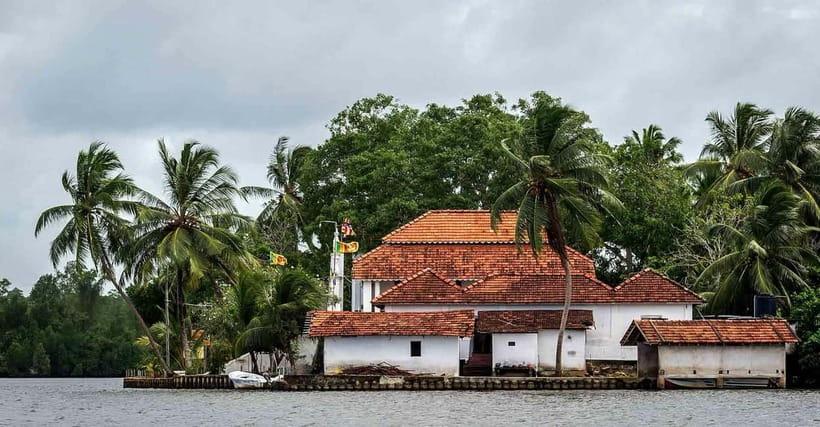
The moonstone mine at Meetiyagoda is the most distinctive stop on this itinerary. The village lies a few kilometers from the coast between Ambalangoda and Hikkaduwa, above the world’s largest known pegmatite vein of moonstone.
Blue moonstones from around the world are commonly linked to this small Sri Lankan mining area. The stones have been mined by hand since 1906, using primitive waterlogged pits. Around ten mines in Meetiyagoda are described as the world’s main source of blue moonstones.
This is a useful stop for anyone who wants to see a local trade rather than another polished tourist sight. The important question is how much time you are given to observe the work and how much time is directed toward buying stones or jewelry. One low-scoring account described several unplanned stops that felt like sales visits, with pressure to tip or purchase something.
You can enjoy the mine without feeling obliged to buy. Ask to see the mining process first, and request clear prices if you look at stones. If you are not shopping, say so plainly and move on. The mine is interesting because of its working methods and place in Sri Lanka’s economy, not because you need to leave with a souvenir.
A short look at Hikkaduwa Coral Beach
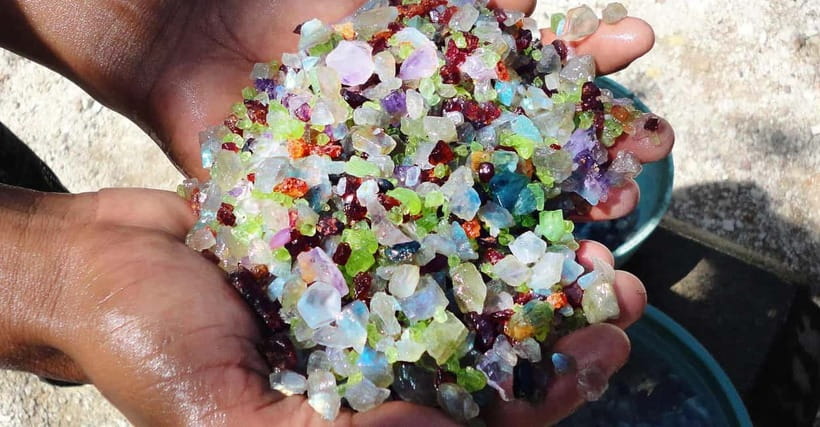
Hikkaduwa is included as a coral beach stop on the southern route. It breaks up the inland visits with a chance to see one of Sri Lanka’s best-known coastal areas.
The available information does not specify how long you stop at Hikkaduwa, whether swimming is planned, or which exact section of the beach you visit. Pack accordingly, but do not assume that you will have a full beach session here. The later stop at Unawatuna is the planned time for relaxation.
Hikkaduwa works best as a scenic pause between the moonstone mine and Galle Fort. If you want long time in the water, tell the guide early. The itinerary has many moving parts, and a beach stop can become brief when traffic or earlier visits run late.
Walking through Galle Dutch Fort
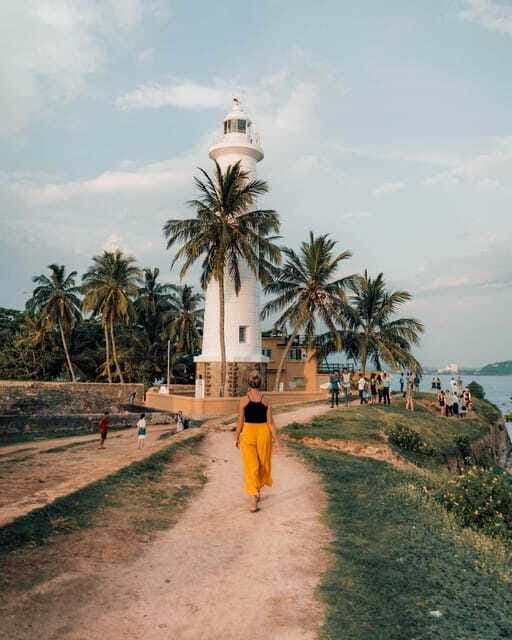
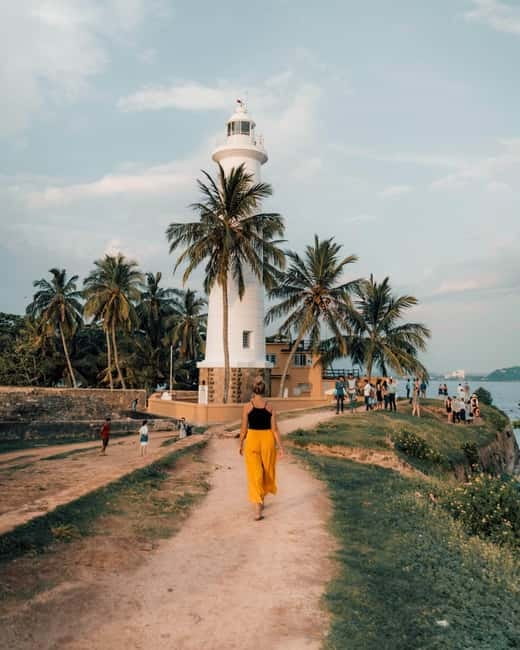
Galle Fort is the centerpiece of the day. The Portuguese first built it in 1588, and the Dutch greatly strengthened the fortifications from 1649 onward. Today, the walls enclose a living district rather than a museum frozen in time.
The fort’s importance comes from the way European architecture was adapted to South Asian conditions. UNESCO recognizes it as a cultural World Heritage site for its urban design and the interaction between European building traditions and South Asian practices from the 16th through the 19th centuries.
You can expect old walls, streets, religious buildings, homes, and commercial spaces within the fort area. The population is multi-ethnic and multi-religious, which gives the site more depth than a collection of colonial facades. Restoration by Sri Lanka’s Archaeological Department has helped the fort retain its polished appearance after more than four centuries.
The fort entrance is included, but admission does not guarantee a detailed walking tour. This is where the guide makes a major difference. One account found the explanation of Galle Fort too limited and left the visitor feeling lost, while other guides, including Dilip and Tuan, were praised for explaining what was being seen.
I recommend staying close to the guide at the start and asking for a clear meeting point. If you want architectural or colonial history, say so directly. If the explanation is brief, you can still enjoy walking the lanes, but you should not expect a specialist Galle historian at this price.
Allow yourself time to look beyond the main walls. The fort is most rewarding when you notice the mixture of daily life and old structures. It is not simply a photo stop. The residents, shops, places of worship, and restored buildings are part of what makes the site important.
Tsunami village and Unawatuna Beach
The included Tsunami village stop adds a modern human chapter to a day otherwise centered on nature, trade, and colonial history. The supplied details do not explain the exact site or length of the visit, so ask the guide what you will see there and how it fits into the schedule.
Unawatuna Beach is the final place to slow down. After the turtle hatchery, river area, mine, beach stop, and fort, this is where you can relax by the coast rather than follow another explanation.
The itinerary does not state how long you spend at Unawatuna or whether changing facilities are available. Bring suitable beach clothing and keep valuables secure, but do not count on a long swim unless the guide confirms the timing. The beach is included as a chance to rest, not as a guaranteed full afternoon at the shore.
A king coconut is included, along with bottled water. Those small touches are welcome after a warm day in the vehicle and outdoors. They do not replace lunch, which remains your responsibility.
The guide and the risk of extra stops
This tour is driven by the chauffeur-guide. The strongest praise centers on friendliness and explanations. Dilip was described as smiling, polite, and willing to explain the sights along the road. Tuan was also described as pleasant and generous with explanations at the stops.
That personal service can turn a basic transfer into a useful introduction to southern Sri Lanka. You should ask questions throughout the day, especially about the coastal towns, the turtle project, the mine, and the fort.
At the same time, one very negative account described the day as feeling like a sales tour. Unlisted places were added, products were presented without being requested, and pressure to tip or buy was felt at several stops. This is the main issue I would discuss before booking.
Unplanned local stops are not automatically bad. A small workshop or village visit can be worthwhile when it is clearly explained and genuinely optional. The problem is pressure. You should feel free to look, decline, and continue without being made uncomfortable.
A simple plan helps: ask for the advertised stops first, ask how much time remains for Galle and Unawatuna, and confirm that shopping stops are optional. That protects the parts of the day that matter most to you.
Who should book this southern Sri Lanka day trip?
I would choose this tour if you have only one day from Colombo and want a broad look at the south. It suits you if you value variety over long visits, want an air-conditioned vehicle, and prefer having transport and several admission fees arranged together.
It is especially good for first-time visitors who want to combine wildlife, local craft, colonial history, and beach time. The turtle hatchery and moonstone mine give the day more character than an itinerary built only around Galle Fort.
I would be more cautious if you dislike long road journeys, want a relaxed beach day, or prefer to spend half a day studying Galle Fort. You should also be wary if unsolicited shopping stops frustrate you. In that case, a dedicated Galle outing or a private custom route may suit you better, though it may cost more.
The small-group limit of 15 is helpful, but it does not make the day slow-paced. The route is still ambitious. Think of it as a sampler of the southern coast, with the option to choose your favorite place for a future, longer visit.
Should you book it?
Book this $48 excursion if you want maximum variety in one day and you accept that some of your time will be spent on the road. The combination of Kosgoda, Meetiyagoda, Hikkaduwa, Galle, and Unawatuna gives you a well-rounded first look at the coast.
Before paying, confirm the Madu River surcharge, lunch arrangements, expected return time, and whether any shopping stops are planned. If your guide is Dilip or Tuan, you can expect the friendly, explanatory style associated with them, but guide assignments may vary.
My verdict is positive with conditions: good value for a packed introduction, less suitable for anyone seeking an unhurried day. Protect your time at Galle Fort and Unawatuna, keep optional costs clear, and you should get a memorable taste of Sri Lanka’s southern shore.
FAQ
What is included in the $48 price?
The price includes an air-conditioned car or van, hotel pickup and drop-off, an English-speaking chauffeur-guide, turtle hatchery entrance, Galle Fort entrance, bottled water, a king coconut, and the Tsunami village stop.
Is the Madu River boat safari included?
No. The Madu River boat safari is not included and requires an additional payment.
Where does the tour start and finish?
Pickup is from Colombo, and the tour returns to Colombo.
What language does the guide speak?
The live tour guide service is in English.
How large is the group?
The activity is described as a small-group tour limited to 15 participants.
Can I cancel for a full refund?
Yes. You can cancel up to 24 hours in advance for a full refund. The tour also offers a reserve-now, pay-later option.
Recently listed around Negombo
- Sri Lanka Private Tour Pick Up & Drop Off – Colombo Intl Airport★ 5.0 · 10 reviews
- Colombo Sri Lanka Full Day Trip to Dambulla and Sigiriya★ 5.0 · 10 reviews
- Private arrival transfer from the Airport to your booked hotel in Negombo★ 4.5 · 10 reviews
- Scuba Diving For Beginners★ 5.0 · 10 reviews
- Sri Lanka Personal Tour Driver in a Private Vehicle★ 5.0 · 10 reviews
- Negombo: Sunset lagoon boat tour with hotel transfers★ 5.0 · 11 reviews
- Private Journey to Sigiriya Majestic Rock Fortress from Colombo★ 5.0 · 11 reviews
- Negombo: Hamilton Canal to Colombo by Boat via Muthurajawela★ 4.7 · 11 reviews
Negombo Tours, compared.
Negombo city tour by Tuk Tuk Hotel Pickup & Guide
Read our review →A Multi Day Tour Around Sri Lanka with Our Personal Driver
Read our review →
Wilpattu National Park Jeep Safari from Negombo / Waikkal (All Inclusive)
Read our review →
Half-Day Negombo City Tour with Ayurvedic Massage & Local Lunch
Read our review →
Sri Lanka 8 Tage 7 Nächte Tour mit privatem Fahrer
Read our review →
Browse the lists this tour appears in