
Reviewed · KANDY TOURS
Kandy Cooking Class with Granny
Sri Lankan cooking gets personal here. You begin with a ride from Kandy, and on some sessions you may visit a local market with Granny Nandy’s grandson before reaching the family home in the hills. Then you cook a full meal, often seven or more dishes, in a real village kitchen rather than a polished city studio. The market visit and the family setting are my favorite parts.
I like that you do the work yourself, from handling spices and making coconut milk to helping prepare several vegetable curries. I also like the range of food included for $25: rice, vegetables, curry, sambol, papadam, and a traditional sweet. The main thing to watch is transport after class. Pickup from Kandy and the nearby area is included, but the return ride costs extra and one recent booking found the quoted return fare much higher than a local ride-hailing option.
Key points at a glance
- Market stop before the class: On some sessions, you visit a local market, identify unfamiliar produce, and taste Sri Lankan fruit.
- Granny Nandy leads the cooking: She works with family helpers and explains spices, coconut milk, and traditional methods in English.
- A true village home: The class takes place about 6.5km outside Kandy, in a quiet residential area among the hills and forest.
- A serious amount of food: Expect rice, coconut sambol, papadam, dessert, and several curries, with menus changing by day.
- Hands-on and private: You cook alongside the instructor in a private group, with menu choices that can include vegan food, egg, chicken, or fish.
A village kitchen above Kandy
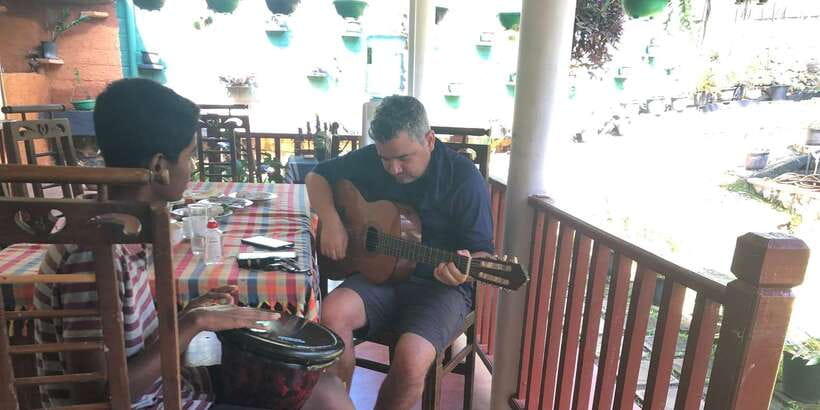
This is not a cooking demonstration in a concrete building. You leave central Kandy and head roughly 6.5km into a quieter village area, with several bookings describing a tuk-tuk ride of about 20 minutes. The setting is part of the lesson. You see where a family cooking class actually takes place, rather than entering a purpose-built room made for tourists.
The house sits in the hills outside the city, with a setting described as beautiful and surrounded by forest. The cooking area is traditional but well regarded for being comfortable and organized. I would choose this class precisely because the location adds context. Sri Lankan food makes more sense when you connect it with homes, markets, family meals, and local produce.
This rural setting does bring a small trade-off. You are not in central Kandy, so allow time for the trip in both directions. Pickup is provided from Kandy and locations within about 3km of the city, but the class itself is outside town. The experience is not suitable for wheelchair users, and you should clarify the pickup point before booking if your hotel is farther away.
More Cooking Classes in Kandy
- Sri Lanka Cooking Class with Granny
★ 5.0 · 587 reviews - Kandy Village Cooking Class
★ 5.0 · 536 reviews - Private Traditional Sri Lankan Cooking Class in Kandy with Hotel Transfers
★ 5.0 · 115 reviews
The ride from Kandy and the local market
The stated class price is $25 per person, and transport from Kandy to the cooking venue is included. The ride is commonly arranged by tuk-tuk, which makes the trip part of the fun, though the vehicle may feel less comfortable with a large amount of luggage or for anyone who prefers a car.
Some sessions include a stop at a local market before the cooking begins. This is a major bonus, but it is worth understanding the wording: the market visit appears in several detailed accounts, yet it is not presented as a fixed part of every class description. Ask ahead if the market stop matters to you.
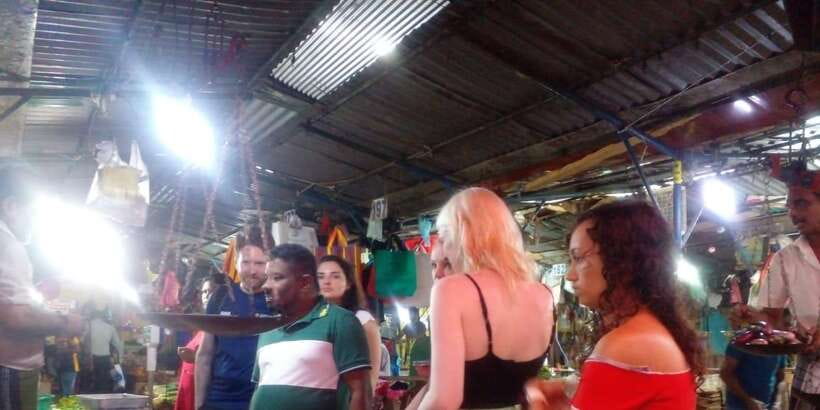
When it is included, the market visit gives you a useful introduction to ingredients before they reach the kitchen. You may look at vegetables you have never seen, learn their names, and help choose produce for the meal. One itinerary included tastings of three kinds of bananas, mango, and passionfruit. Another included a guide explaining unusual local fruits and vegetables before the group bought ingredients.
I like this order. You do not simply hear a list of spices at the house. You first see how food is selected in a local market, then work with some of those ingredients yourself. It also gives you a better chance to ask practical questions, such as which vegetables suit a curry, how ripe a fruit should be, or what local produce can be substituted at home.
Meeting Granny Nandy and the family
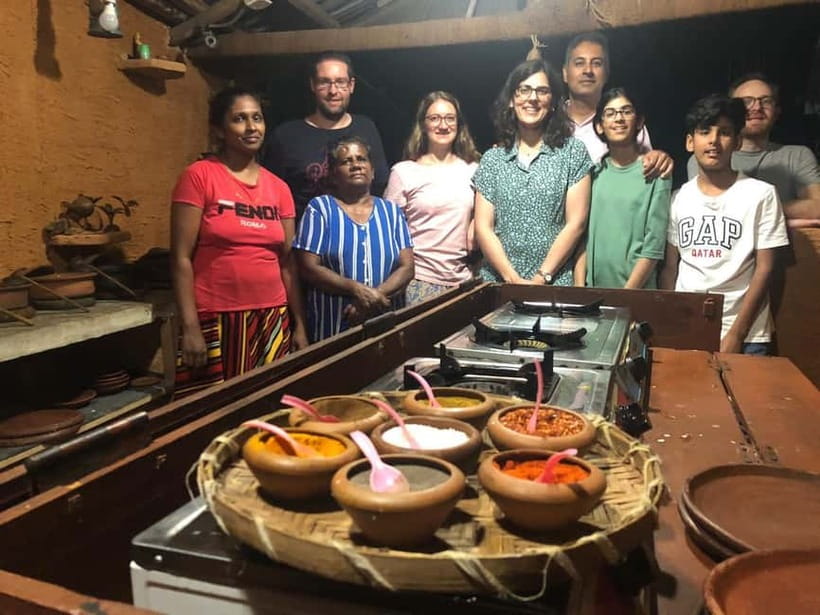
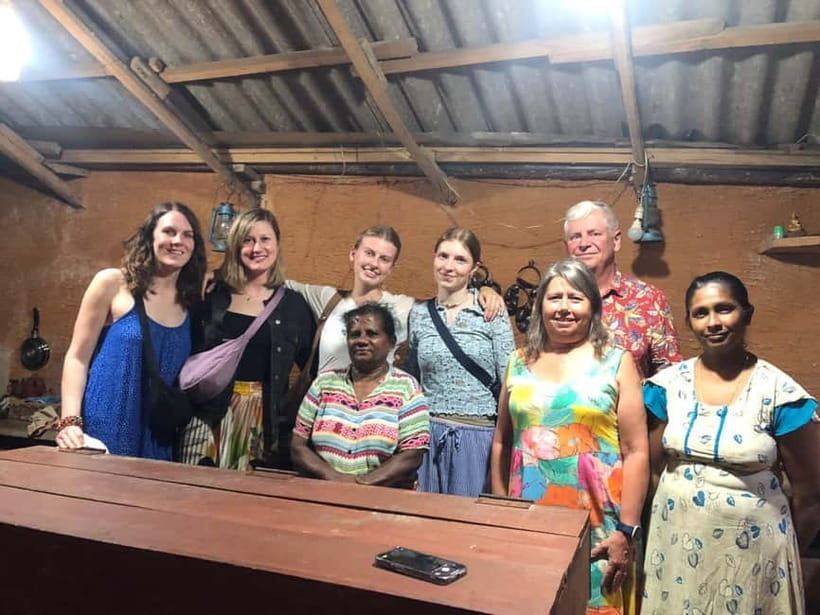
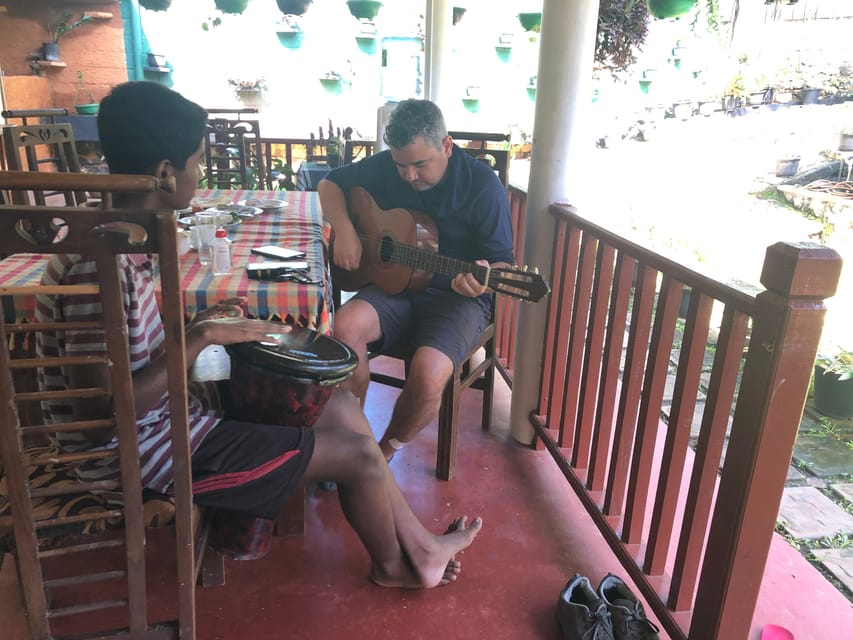
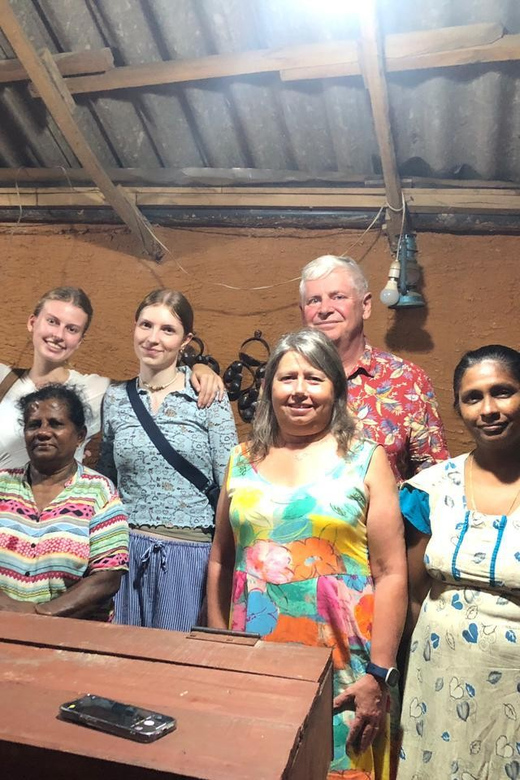
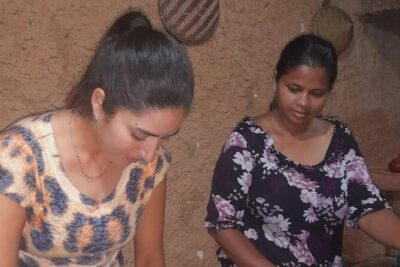
Granny Nandy is the central figure in the class. She teaches in English and is assisted by family members, including a sous chef or other helpers. Several accounts describe a warm three-generation family atmosphere, and the welcome may include tea before cooking begins.
The family involvement gives the class its strongest human touch. You are not only learning a recipe from an instructor. You are spending time in a home where cooking is tied to daily life and family tradition. Granny Nandy is described as funny, patient, and easy to follow, which matters when several dishes are being prepared at once.
The class is private, but the actual number of people can vary. One small group had four participants, while another couple found themselves as the only people booked. A private format should give you more room to ask questions and take part, though the amount of personal instruction can still depend on the size of your group and how quickly everyone works.
The language is English. The cooking is hands-on, but you will not be left to guess what to do. Granny explains the stages, demonstrates techniques, and lets you help with each dish. If you are not confident in the kitchen, do not let that stop you. The class is designed for participation, not for showing off knife skills.
Spices, coconut milk, and the working kitchen
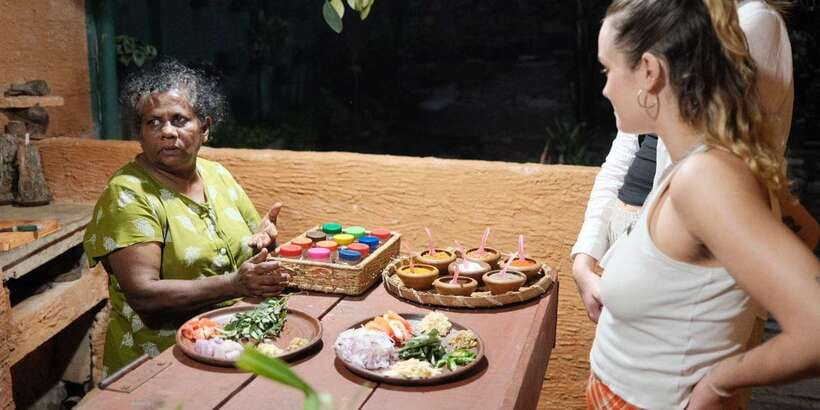
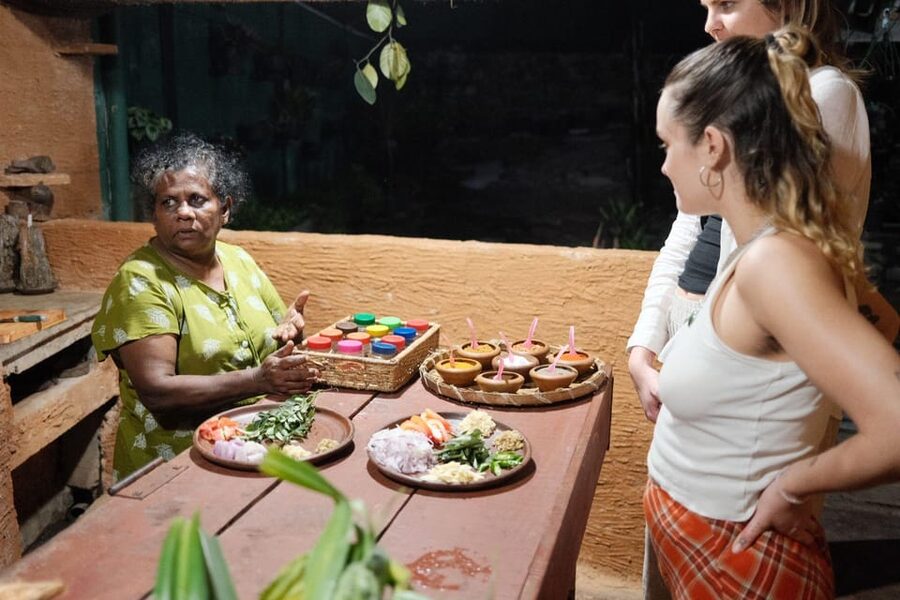
The class begins with the building blocks of Sri Lankan cooking. You learn about the spices used in the dishes and how they affect flavor. Coconut is another key lesson, with the process of making coconut milk explained as part of the session.
That detail is more useful than simply receiving a finished curry. At home, you can understand why a dish tastes creamy, fragrant, or hot, and you can make better choices when adapting it to ingredients available in your own kitchen. The supplied recipes are sent afterward as photos, so you have a practical record of what you cooked.
Expect to help with several stages rather than only stirring one pot. You may work with vegetables, curry ingredients, rice, sambol, and papadam. The class is built around traditional Sri Lankan food, and the menu changes during the week to reflect different local dishes and cooking traditions.
The exact menu is not fixed in the information provided. The included meal generally covers rice, seven vegetables, fish or chicken curry, one traditional sweet, coconut sambol, and papadam. Actual sessions have included dhal, chicken curry, egg curry, five vegetable curries, and a special curry normally prepared for large events.
That variety is impressive for a 3.5-hour activity, but it also means the class can feel busy. Lessons are advertised as lasting three to four hours, with the stated schedule running for 3.5 hours. The pace may change depending on the group and how quickly you cook. I would treat the meal as both the class project and your lunch or dinner, not as a quick lesson followed by a separate restaurant visit.
A different sort of day out of Kandy:
- Kandy Private Guided City Tour by Tuk Tuk
★ 4.9 · 1,307 reviews - From Kandy: Sigiriya Rock & Dambulla Cave Temple Adventure
★ 4.9 · 785 reviews - Kandy to Ella Train Tickets – Reserved Seats
★ 4.5 · 523 reviews - From Kandy: Pinnawala Day Tour
★ 4.8 · 331 reviews
What you actually cook and eat
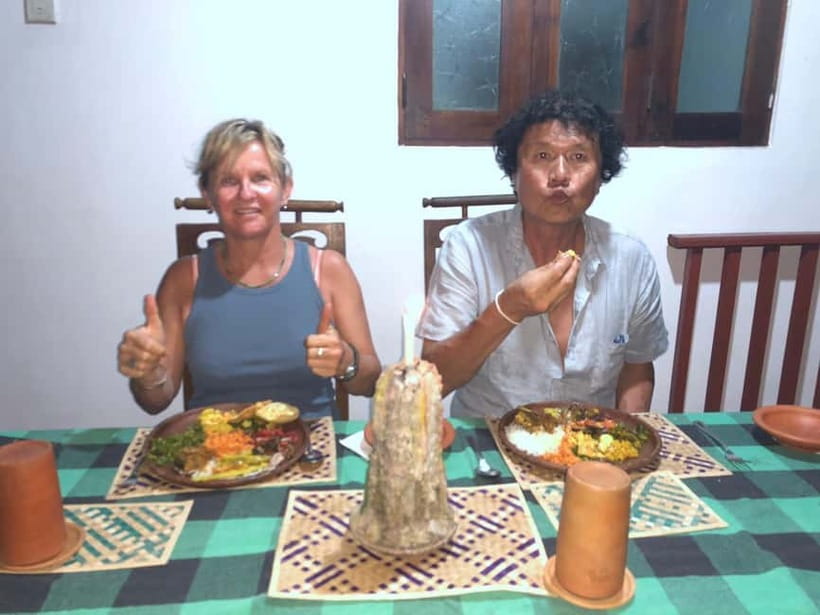
Sri Lankan meals are built around several small dishes rather than one main plate. This class gives you a good feel for that format. Rice provides the base, then vegetable curries and a meat, fish, or egg option add different textures and levels of heat. Coconut sambol brings freshness and bite, while papadam adds crunch.
The vegetable selection is one of the class’s best features. You may work with produce unfamiliar to you, and the menu can include vegetables you would not normally choose at home. This makes the class more than a lesson in following instructions. You are learning how Sri Lankan cooks turn ordinary market ingredients into a varied meal.
The class can be vegan if you request it. Egg, chicken, or fish can be included instead, so tell the provider your preference before the session. One participant with a gluten allergy received catering for that need, but you should still state any allergy clearly when booking and confirm the arrangements.
The sweet is a traditional Sri Lankan dessert, though the exact dessert is not specified. You also prepare coconut sambol and papadam, which round out the meal. With this many dishes, you should expect a generous serving of food. One evening class produced more than eight types of curry plus rice and snacks.
The food is the obvious reward, but the better value comes from learning how the parts fit together. You can taste several curries side by side and notice how the same basic ingredients change with spice, coconut, and cooking time. That is difficult to understand from a single restaurant meal.
Lunch, afternoon, or dinner class
You can choose among three daily time slots:
- Lunch class: 9:00am to 12:30pm
- Midday class: 1:00pm to 4:30pm
- Dinner class: 5:00pm to 8:30pm
The lunch session may suit you if you want the afternoon free for Kandy sightseeing. The evening session has a relaxed feel and works well after a day in the city, though you will return after dark. The afternoon option splits the difference.
Think about heat and energy when choosing. Cooking several dishes is active work, and the class can take the full three and a half hours. If you are planning another fixed activity immediately afterward, leave extra time for the return journey. The class may vary in length, and the trip back is not part of the included transport.
The food you prepare replaces a conventional meal, so arrive ready to cook and eat. Tea may be served when you arrive, but the main focus is the meal you make together.
The real value of $25
At $25 per person, this is good value if you want a full activity rather than a short cooking demonstration. You receive pickup from Kandy to the venue, instruction in English, ingredients, a hands-on lesson, and a substantial meal. You also receive photos of the recipes afterward, which improves the value for anyone hoping to cook Sri Lankan food at home.
The price is especially reasonable for a private group and for the amount of food prepared. Seven vegetables, rice, curry, dessert, sambol, and papadam would make a large meal in a restaurant, while here you also learn how it is made and spend time with a local family.
The important cost qualification is the return journey. You must arrange and pay for transport back to Kandy, unless the provider arranges it for an additional charge. Get the return price before you start. One person found the quoted fare was three times the cost of a PickMe ride, so compare options if you have mobile service and local transport is available.
The price also does not guarantee a market tour on every date. If that stop is central to your decision, confirm it in advance. Even without it, the house setting and cooking session provide the main experience.
Who will enjoy this class most
I would recommend this to anyone who wants food to be a doorway into Sri Lankan daily life. Couples, solo visitors, families, and small groups can all fit the format, and the private setup should make it easier to shape the session around your interests.
It suits curious eaters more than people seeking a polished culinary school. You will be working in a family home, handling traditional ingredients, and preparing a large number of dishes. The setting is informal and personal, not designed for luxury dining.
It is also a good choice for vegetarians and vegans, since vegan food can be prepared and animal-based ingredients are optional. Anyone with allergies should contact the provider clearly before arriving. Wheelchair users should choose another activity because the experience is not listed as suitable for wheelchair access.
If your Kandy schedule is packed with temple visits and transport connections, the three-and-a-half-hour class plus travel may be too much. If you have one free morning or evening, it gives you a memorable change from sightseeing and a meal you can try to recreate later.
Small details that make the experience work
Bring an appetite and wear clothes you are comfortable cooking in. The class involves active participation, and you may spend several hours moving between ingredients and cooking tasks. The experience is indoors at a home, but the route takes you into a rural setting, so confirm the pickup instructions and return plan.
Ask about the day’s menu before you go. Menus change by day, and you may have a chance to choose vegetables or request vegan, egg, chicken, or fish dishes. That simple conversation can make the meal fit your tastes much better.
If you want the market stop, ask for it specifically. The fruit tasting and chance to select vegetables add a useful layer to the outing, but the available information does not promise that every booking includes the same market itinerary.
Finally, save the recipe photos when they arrive. The best souvenir is not a decorative object but the ability to make dhal, sambol, vegetable curry, or a full Sri Lankan spread back home. Take notes during the class too, especially about spice quantities and the consistency of coconut milk.
Should you book Kandy Cooking Class with Granny?
Yes, if you want a friendly, practical food experience away from central Kandy. Granny Nandy, the family setting, the market option, and the chance to cook a surprisingly large number of dishes give this class more substance than a basic demonstration. The $25 price is fair, especially for private groups and a full meal.
Book with two points confirmed: your dietary needs and the return transport cost. Choose another activity if you need wheelchair access, dislike informal home settings, or have no spare three and a half hours. For most food-minded visitors, this is a strong way to spend a morning, afternoon, or evening in Kandy, with recipes and a better understanding of Sri Lankan cooking to take home.
FAQ
Where does the cooking class take place?
The class takes place in a village home about 6.5km outside Kandy, in a quiet residential area among the hills and forest. It is not held in central Kandy or in a concrete city building.
How long does the class last?
The stated duration is 3.5 hours. Lunch runs from 9:00am to 12:30pm, the midday session from 1:00pm to 4:30pm, and the dinner session from 5:00pm to 8:30pm. Lessons can vary between three and four hours.
Is pickup from Kandy included?
Pickup is included from Kandy and locations within about 3km of Kandy. Transport takes you to the cooking venue, commonly by tuk-tuk. You must arrange and pay for the return journey.
Is a market visit part of the experience?
A market visit is included in some sessions, where you may buy ingredients, learn about local fruits and vegetables, and taste fruit. Confirm whether it is included on your chosen date.
What food will I cook?
The class includes rice, seven vegetables, fish or chicken curry, a traditional sweet, coconut sambol, and papadam. Menus vary by day and may also include dhal, egg curry, chicken curry, and other traditional dishes.
Can the class provide vegan food?
Yes. Vegan food is available. You can also request egg, chicken, or fish, depending on your preference.
Is the class suitable for wheelchair users?
No. The experience is listed as not suitable for wheelchair users.
More workshops and classes in Kandy
- Private Kandy Authentic Cooking Class
★ 5.0 · 65 reviews - Kandy: Interactive Batik Workshop
★ 5.0 · 51 reviews - Srilankan Cooking class by FFL kandy
★ 5.0 · 50 reviews - Sri Lankan cooking class with Nilu Kandy( FREE PICKUP & Drop)
★ 5.0 · 45 reviews
Recently listed around Kandy
- Kandy City Day Tour from Colombo, Negombo or Katunayake★ 5.0 · 10 reviews
- 3 Days Nature and Chill Tour of Ella, Nuwara Eliya and Haputale★ 5.0 · 10 reviews
- Knuckles Spice Trail Trek from Kandy★ 5.0 · 11 reviews
- Kandy Private City Tour With Local Guide★ 4.7 · 11 reviews
- Kandy & Pinnawala & Tea Factory Full Day Tour From Negombo★ 4.3 · 11 reviews
- Sigiriya and Dambulla Day Trip from Kandy★ 5.0 · 11 reviews
- Kandy City Tour with Mahaweli★ 5.0 · 11 reviews
- Kandy City Tour & Famous Ambuluwawa Tower with Friendly Chauffeur★ 5.0 · 11 reviews
Kandy Tours, compared.




Browse the lists this tour appears in