
Reviewed · ELLA TOURS
Ella: Sri Lankan Authentic Cooking expirience
The most rewarding part of this Ella cooking class is the work that happens before the meal. With Ruwini guiding you in her traditional Sri Lankan home, you crack coconuts, scrape out the flesh, make fresh coconut milk, and build a full rice-and-curry spread from basic ingredients. This is a hands-on class, not a demonstration where you sit back and watch.
I like the generous range of dishes, from aubergine modju and dhal curry to pumpkin, beans, coconut sambal, and coconut roti. I also like the practical advice on changing spices or finding substitutes for ingredients back home. The main thing to consider is the pace: two hours is short for preparing so many dishes, so you should be ready to take part rather than expect a slow, formal lesson.
Key points
- Cook a full Sri Lankan meal: Prepare rice, papadam, coconut roti, coconut sambal, aubergine modju, dhal, pumpkin, and beans curries.
- Work with fresh coconut: Crack and scrape coconuts, then use them to make coconut milk and sambal.
- Learn with Ruwini: Your English-speaking host explains the spices, cooking methods, and possible ingredient substitutions.
- Eat what you make: Sit down after the class for a shared meal of the dishes prepared during the session.
- Small-group format: The class accepts up to 10 people, with private sessions available by request.
- Good value at $22: Ingredients, equipment, tea upon request, the meal, and emailed recipes are included.
A Sri Lankan kitchen, not a staged food show
This class takes place in a traditional Sri Lankan home, which gives the experience its character. You are not simply shown a finished curry and handed a recipe card. You get involved in the ordinary work that shapes Sri Lankan cooking.
Ruwini leads the session in English and begins with a short introduction to local spices. That opening matters, because Sri Lankan food is not defined by one hot curry powder. The taste comes from the way spices, coconut, vegetables, and cooking methods are combined.
You can expect to work as part of a small group, with a maximum of 10 people. That is still large enough to create a social meal, but it is far more personal than a class designed for a crowded busload. In smaller sessions, you should have more opportunity to handle ingredients and ask questions.
Private sessions are available if you request one, and the timing can be adjusted for those sessions. The published class lasts two hours, so check the starting time that suits your plans in Ella.
More Cooking Classes in Ella:
- Ella: Traditional Sri Lankan Cooking Class
★ 4.9 · 788 reviews - Ella: Sri Lankan Cooking Class with Neranji at Homestay
★ 5.0 · 276 reviews - Ella : Cooking class with amazing Spice Garden Tour
★ 5.0 · 239 reviews
Starting with spices and Sri Lankan flavor
Ruwini begins with a brief look at Sri Lankan spices. This is a useful introduction for anyone who has eaten rice and curry in Sri Lanka but has never understood why the dishes taste so different from one another.
The value here is practical. You learn how the ingredients are used in the dishes you are about to cook, rather than hearing a long lecture about spices in general. Ruwini also explains ways to adjust the recipes and replace ingredients that may be difficult to find in your own country.
That advice can make the difference between a recipe you admire once and one you actually cook again. If you live somewhere without easy access to every Sri Lankan ingredient, pay close attention to these substitutions.
You should also tell the host about allergies or dietary restrictions in advance. The class is already well suited to vegetarians because the meal includes several vegetable and lentil dishes, but advance notice is important for any special needs.
Cracking coconuts and making the base
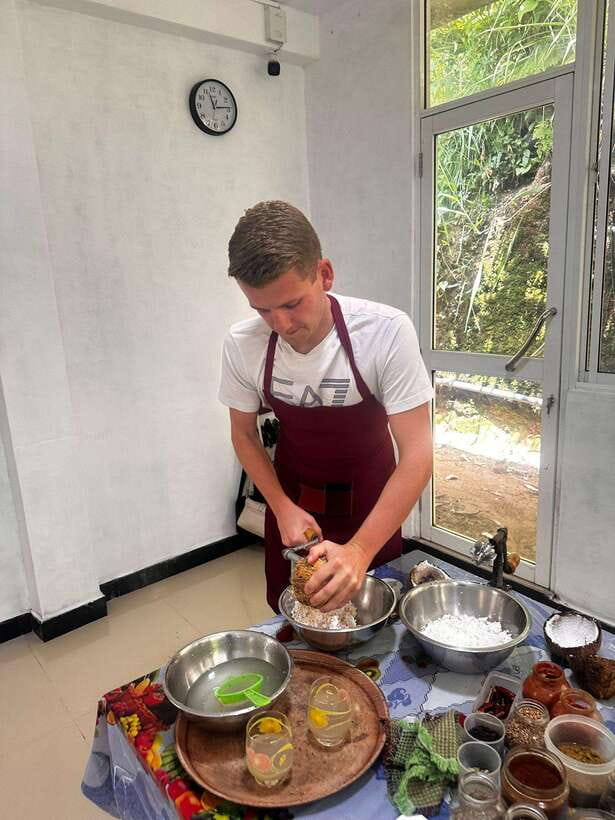
The coconut work is one of the most distinctive parts of the class. You help crack the coconuts, scrape them, and prepare fresh coconut milk. This takes the lesson beyond simply stirring a pot.
Coconut appears in several forms in the meal. Fresh coconut helps create sambal, coconut milk adds body to curries, and coconut is also part of the roti. By handling the whole ingredient, you get a clear sense of how much work goes into a traditional home-cooked meal.
This part may be a little messy and physical. That is a benefit if you want a real cooking task, but it may not suit someone looking for a polished, restaurant-style demonstration. The class asks you to participate actively, so wear something comfortable and be prepared to work at the counter or cooking area.
You also get a better feel for texture. The difference between grated coconut, coconut milk, and cooked coconut is easier to remember when you have prepared each one yourself.
Building a full plate of rice and curry
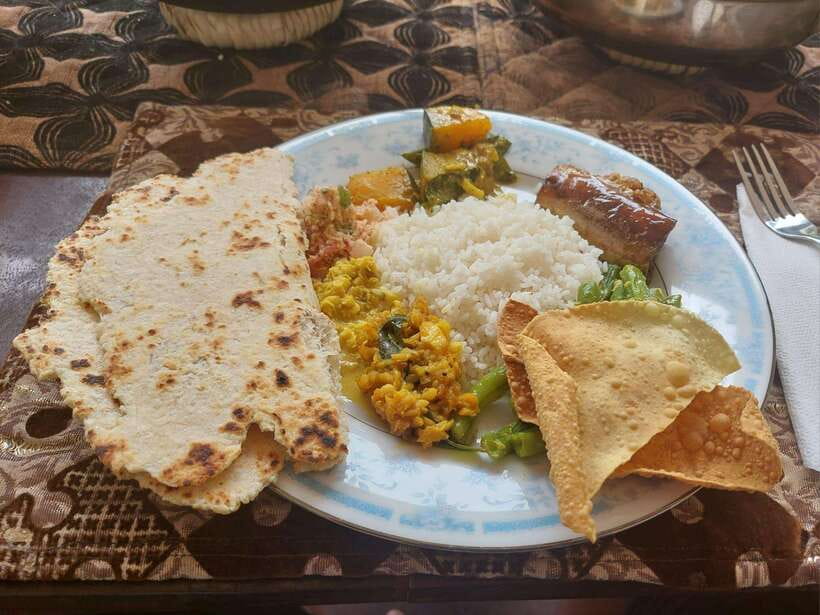
The meal covers a lot of ground in two hours. You prepare rice, papadam, coconut sambal, coconut roti, and several curries. The stated menu includes aubergine modju, dhal curry, pumpkin curry, and beans curry.
That range is important. Sri Lankan rice and curry is not one dish with a side of rice. It is a collection of separate preparations, each with its own texture, seasoning, and role on the plate.
Aubergine modju brings a different character from the lentil-based dhal curry. Pumpkin gives you a softer, sweeter vegetable preparation, while beans add another texture. Coconut sambal and roti bring fresh coconut and a different way to enjoy the meal.
The exact dishes can vary slightly in practice, as the class information also refers to several curries and the included menu is the clearest guide. Some past sessions have included jackfruit curry as well. You should treat the listed meal as the reliable expectation and any extra dish as a possible addition, not a promise.
Cooking several curries also shows you how a Sri Lankan meal is balanced. You are not trying to make every dish taste the same. The aim is to create a plate with contrasts, and Ruwini explains how spices and vegetables can change the flavor profile.
A few more Ella days to line up
- Ella: Drop to Tangalle/Hiriketiya/Mirissa/Galle & Yala Tour
★ 4.9 · 518 reviews - Ella: Little Adam’s Peak, Nine Arches Bridge & Waterfalls
★ 4.9 · 402 reviews - ELLA: Drop to Tangalle/Hiriketiya/Mirissa/Galle & Yala Tour
★ 4.1 · 336 reviews - From Ella: Drop to Tangalle/Hiriketiya/Mirissa & Yala Safari
★ 4.8 · 296 reviews
Working as a team in a small group
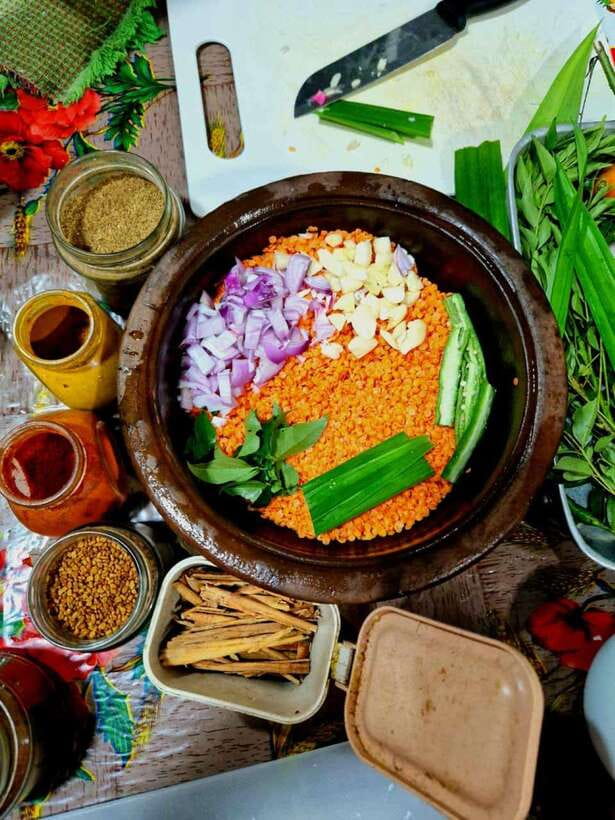
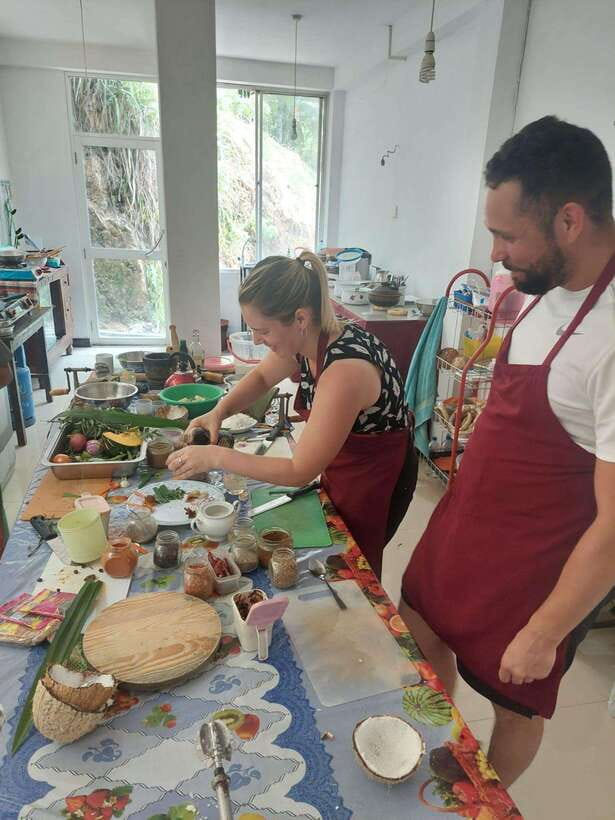
The group size can reach 10 people, so your role depends partly on how many people attend. In a full class, several people may work on different preparations at the same time. That can be fun and social, but you may not personally handle every single task.
In a smaller group of two or four, you can expect a more active role in the cooking. Each person can take on meaningful jobs, rather than only stirring once or chopping a single ingredient. If having direct responsibility for every dish matters to you, request a private session or ask about the group size when you book.
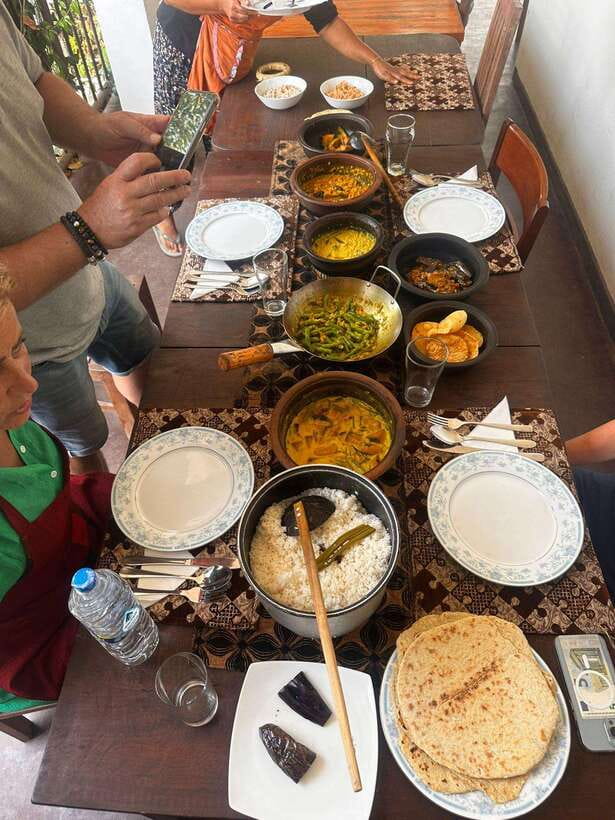
The social side is part of the appeal. You cook the meal as a team and then share it with the other participants. This makes the class a good choice for couples, friends, solo visitors who enjoy meeting people, and families who want an activity beyond sightseeing.
Ruwini’s teaching style is described as warm, patient, humorous, and engaging. Those qualities matter in a short class, especially when the group has mixed cooking experience. You do not need to arrive as a skilled cook. The point is to follow the process, ask questions, and take part.
The meal at the end
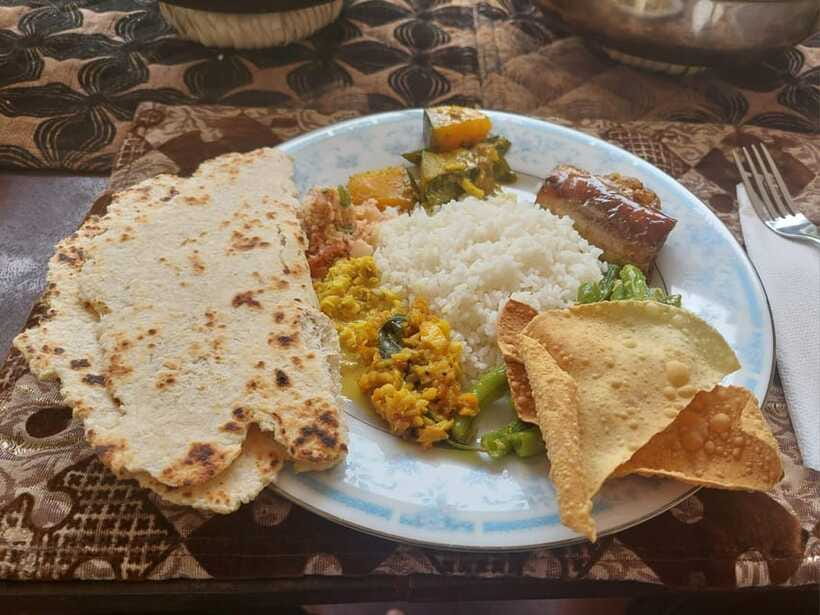
After the cooking, you sit down to eat the dishes you have prepared. The included meal consists of rice, aubergine modju, beans curry, dhal curry, pumpkin curry, coconut sambal, coconut roti, and papadam.
For me, this final meal is more than a reward. It lets you taste the effect of all the separate steps. A curry that seemed mild while cooking may work differently beside sambal, papadam, and rice. The meal gives you a chance to understand how the dishes are meant to come together.
The amount of food is generous for a two-hour class. Several sessions have produced enough for a substantial lunch or dinner, with a broad choice for vegetarians. If you enjoy trying several dishes at once, this is a stronger value than a class focused on one curry.
The shared meal also slows the experience down. Cooking can feel busy, especially when multiple dishes are in progress. Sitting down afterward gives you time to enjoy the food and talk with the host and other participants.
Tea is available upon request, specifically upcountry black tea. If that interests you, ask for it rather than assuming it will be served automatically.
What makes the recipes useful at home
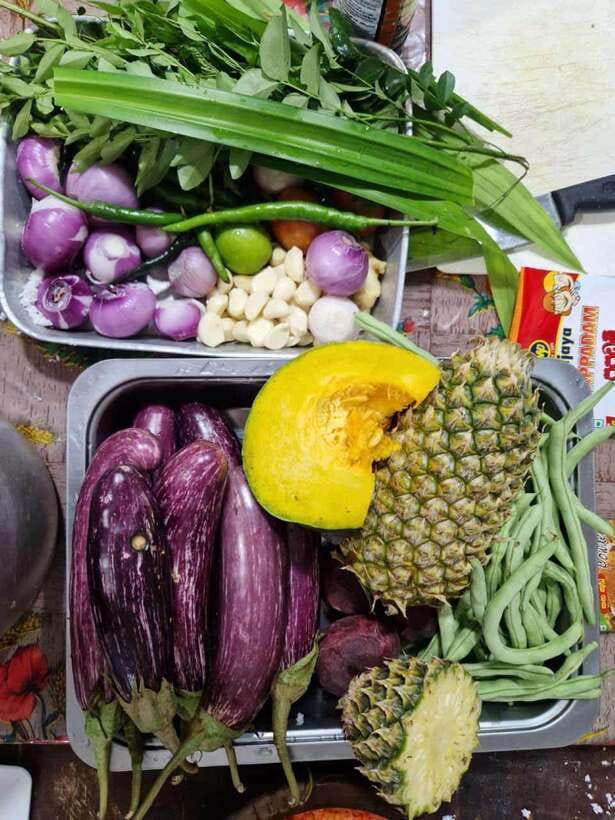
Many cooking classes end with a meal and little else. Here, the recipes are sent by email after the session. That is important because it is hard to remember the order of ingredients and cooking steps once you have prepared several dishes in quick succession.
Ruwini also gives advice on substitutes for Sri Lankan ingredients that may not be available where you live. This turns the class into a practical lesson rather than a holiday activity that stays in Ella.
You should still take notes if a particular technique interests you. Pay attention to how much coconut milk is used, how the curries differ, and when spices are added. The emailed recipes give you a solid base, while your own notes can capture the small adjustments that suit your taste.
The best home-cooking souvenir here is not a spice packet. It is the ability to prepare several dishes that work together as a meal.
Is $22 good value?
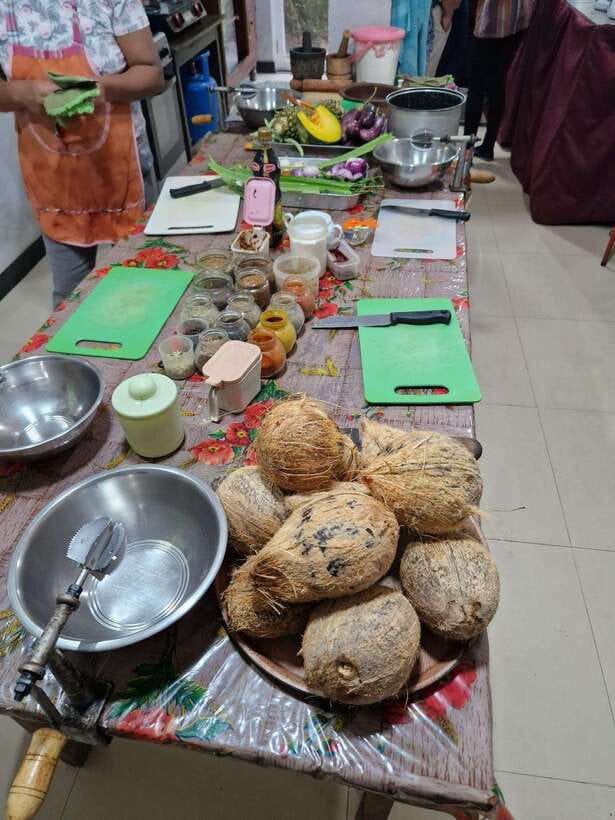
At $22 per person, this is a strong-value activity if you want food, instruction, and a full meal in one package. The price includes the ingredients, equipment, cooking lesson, meal, recipes by email, and upcountry black tea upon request.
You are also paying for access to a local home and an English-language lesson. A restaurant meal alone might cost less, depending on where you eat, but it would not teach you how to prepare the food or show you the coconut process.
The value is strongest for people who will use the recipes later. If you love Sri Lankan food and plan to recreate the curries at home, the class gives you more than a single meal. If you only want to eat and do not enjoy cooking, the value is less clear because active participation is central to the format.
The two-hour length keeps the price and time commitment manageable. It also means the class may feel brisk when all the dishes are being prepared. You should choose it for practical cooking and a shared meal, not for a long, relaxed culinary workshop.
Practical details before you book
The class is in a traditional Sri Lankan home in the Ella area, and transportation to and from the location is not included. You need to arrange your own way there and confirm the meeting details before setting out.
The instruction language is English. The experience is wheelchair accessible, though you should still mention any access needs when arranging your visit.
The standard duration is two hours. Starting times vary, so check availability and choose a slot that leaves enough time for your other plans. Private sessions can be requested with time adjustments.
Cancellation is free up to 24 hours before the activity for a full refund. You can also reserve and pay later, which helps if your route through Sri Lanka is still changing.
Tell Ruwini about allergies and dietary restrictions before the class. This is especially important because the meal involves many ingredients and several preparations happening together.
Who will enjoy this class most?
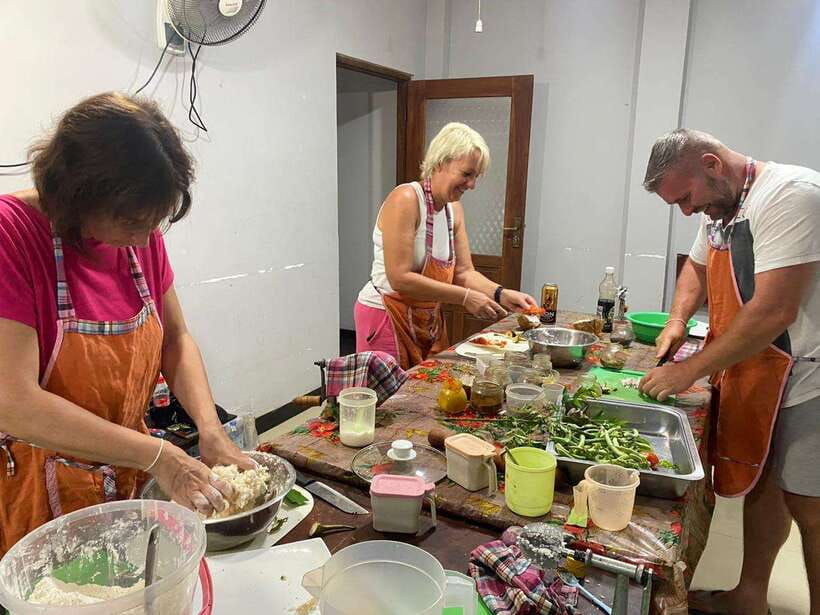
I would recommend this class to anyone who wants to understand Sri Lankan food by making it. Couples and small groups are likely to get the most hands-on time, while solo visitors can enjoy the social setting and shared meal.
It is also a good choice for vegetarians. Dhal, pumpkin, beans, aubergine, coconut sambal, rice, roti, and papadam create a varied meal without relying on meat.
Families may enjoy the practical jobs, especially the coconut preparation, though the active format means younger children may need close supervision. The provided information does not give a minimum age, so ask before booking for children.
This is less suitable if you want a quiet class with one carefully demonstrated recipe. The appeal is the range of dishes and the chance to help prepare them. You will get more from it if you are willing to chop, scrape, mix, stir, and taste.
Should you book Honey Bee Garden?
Book it if you want an affordable, local cooking lesson that ends with a proper Sri Lankan meal. The strongest reasons are the hands-on coconut work, the wide menu, Ruwini’s clear English instruction, and the practical recipe substitutions that help you cook the dishes at home.
Think twice only if you dislike group cooking or want every minute to be slow and highly structured. A full class of 10 may limit how much of each dish you personally prepare, and two hours is a tight schedule for such a broad menu.
For most food-minded visitors in Ella, I would make room for it. You get a real taste of home cooking, a filling meal, and recipes you can carry beyond Sri Lanka, all for $22.
FAQ
Where is the cooking class held?
The class is held in a traditional Sri Lankan home in the Ella area, in Sri Lanka’s Eastern Province.
How long does the cooking experience last?
The standard cooking class lasts two hours.
How much does the class cost?
The listed price is $22 per person.
What dishes will I prepare?
The meal includes rice, aubergine modju, beans curry, dhal curry, pumpkin curry, coconut sambal, coconut roti, and papadam. The class also describes preparing several different curries.
Is the meal included?
Yes. You eat a meal made from the dishes prepared during the class.
Is transportation included?
No. Transportation to and from the cooking class location is not included.
Is the class taught in English?
Yes. The instructor speaks English, and Ruwini leads the cooking session.
Can I request a private class?
Yes. Private sessions are available upon request, with possible adjustments to the timing.
How far in advance can I cancel?
You can cancel up to 24 hours in advance for a full refund. You can also reserve now and pay later.
Recently listed around Ella
- Ella: Safari Day Trip to Yala & Udawalawe with Lunch★ 4.7 · 10 reviews
- From Galle/Weligama/Mirissa/Tangalle: Day Trip to Ella★ 4.9 · 10 reviews
- Ella: Ravana and Upper Diyaluma Falls Guided Tour★ 5.0 · 10 reviews
- All Inclusive Ella From/To Kandy Scenic Train Journey★ 3.4 · 11 reviews
- From Ella: Shuttle to Tangalle/Hiriketiya with Yala Safari★ 4.8 · 12 reviews
- From Tangalle/Hiriketiya: Ella Transfer & Udawalawe Safari★ 4.7 · 12 reviews
- ELLA Lipton Seat Tea Test & Pluck 9Arch, Waterfalls, & Lunch★ 4.7 · 12 reviews
- From Ella: Tea Adventure in Haputale with Village Lunch★ 4.8 · 13 reviews
Ella Tours, compared.

Drop to Tangalle/Hiriketiya/Mirissa/Galle & Yala Tour
Read our review →
Little Adam’s Peak, Nine Arches Bridge & Waterfalls
Read our review →Drop to Tangalle/Hiriketiya/Mirissa/Galle & Yala Tour
Read our review →
Drop to Tangalle/Hiriketiya/Mirissa & Yala Safari
Read our review →
Sri Lankan Cooking Class with Neranji at Homestay
Read our review →
Yala Safari with Tangalle/Mirissa/Galle Drop-off
Read our review →Browse the lists this tour appears in