Reviewed · TOURS
Sri Lanka: Ceylon Cinnamon Experience & Spice Garden Tour
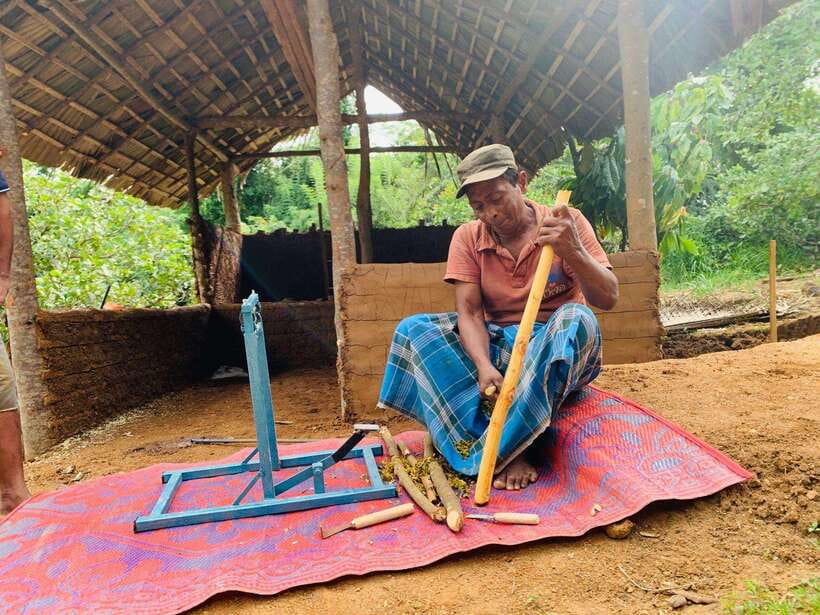
Cinnamon is the star here, and you do not just look at a finished stick in a shop. You see bark peeled, scraped, rolled, and prepared, then get the chance to help make a cinnamon quill yourself. I like that hands-on work, and I like the tasting that follows, with fresh spices, tropical fruit, and tea showing how Sri Lankan flavors work beyond a curry pot.
The main consideration is the setting and access. This is a walking tour through a working farm, not a polished indoor attraction, and you must arrange your own transport. The paths may not suit wheelchair users or people with mobility problems, and the experience is not recommended for pregnant women.
Key points at a glance
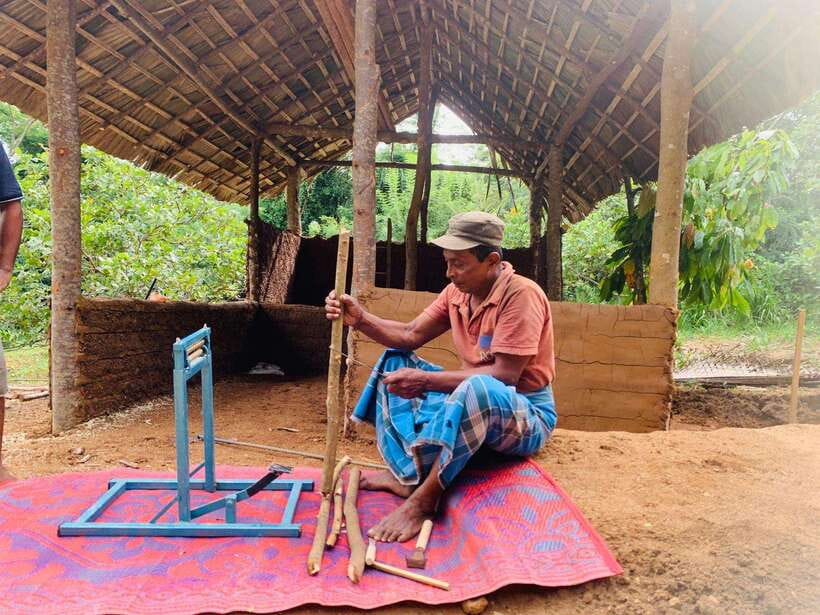
- Make a cinnamon quill by hand: Watch the full process, from harvesting and peeling bark to rolling and processing the spice.
- Taste the garden, not just the gift shop: Sample fresh spices, local tea, and tropical fruit matched with Sri Lankan spice blends.
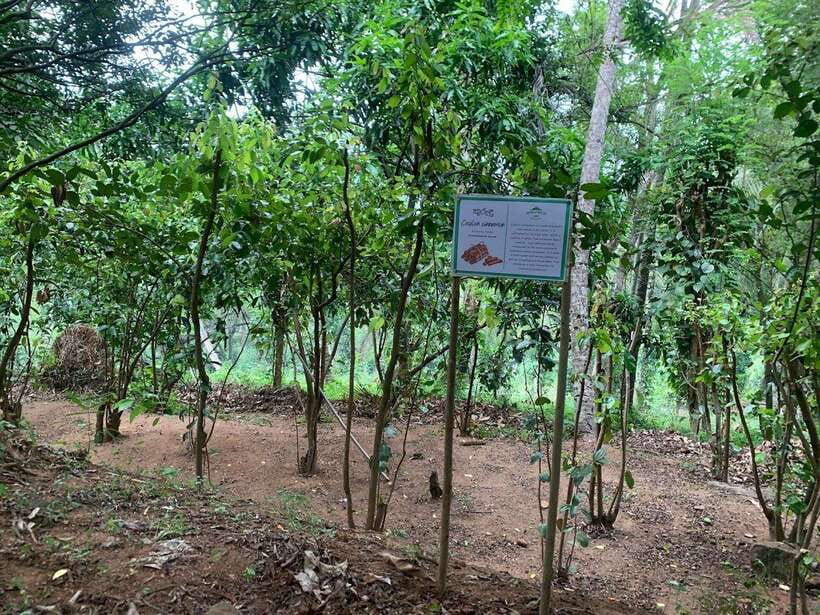
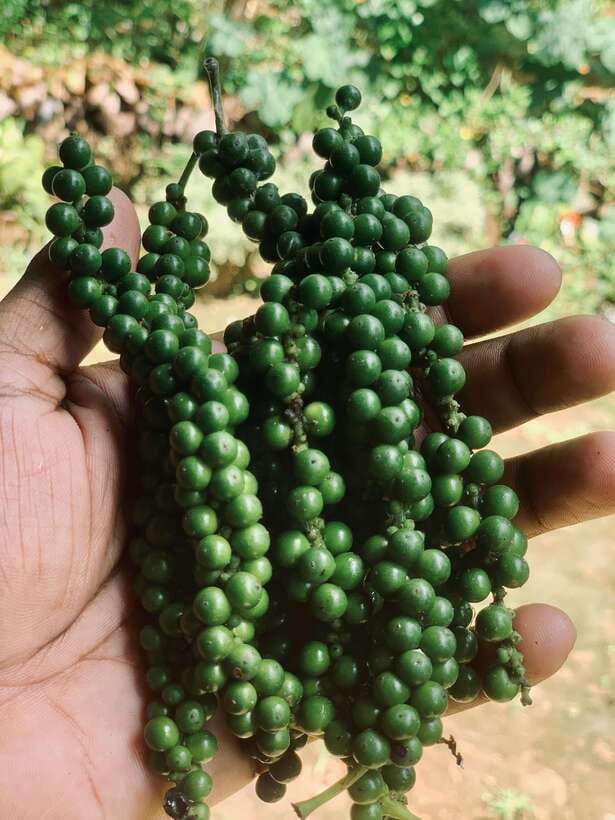
- Walk through a working plantation: See cinnamon, black pepper, cloves, cardamom, and other plants where they grow.
- Meet the farm team: Roha, Dilan, and their colleagues guide the experience in English and give it a personal, local feel.
- Visit the processing factory: Follow the spice from farm work to sorting and quality checks.
- Small groups and a fair price: The tour lasts about three hours, takes up to 10 people, and costs $20 per person.
Why the cinnamon lesson is the heart of the visit
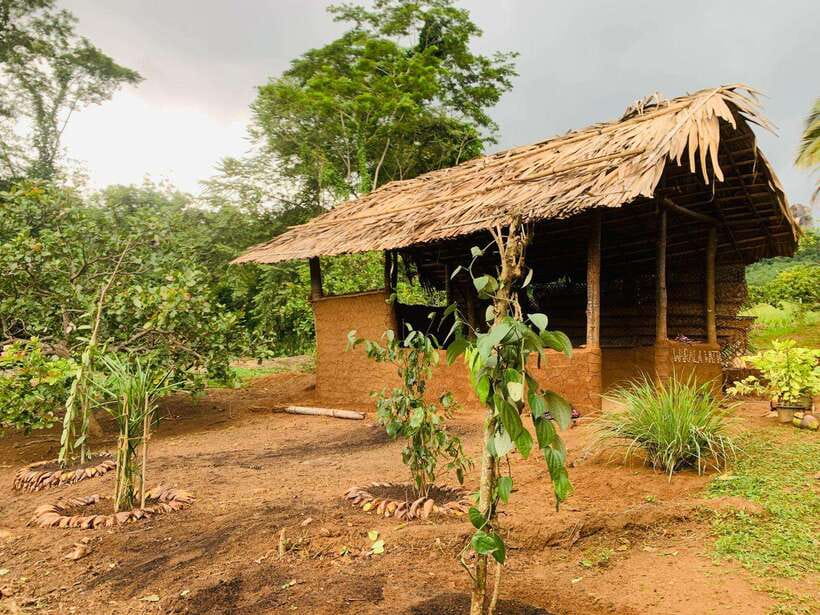
Many spice gardens show you a cinnamon tree, point to a packet of powder, and move on. Warala Watta gives you the useful middle part: how the plant becomes the familiar spice in your kitchen.
You begin with the harvesting process and see how the bark is handled. The guide explains the work involved in peeling the outer layer, preparing the inner bark, and shaping it into a quill. The skill is easy to underestimate until you see it done. Cinnamon does not arrive from the tree as a tidy brown stick.
The best part is the practical step. You can try helping with the production of a cinnamon roll yourself. I would not expect to produce a perfect commercial quill on the first attempt, but that is the point. You leave with a better sense of the handwork behind a spice that is often treated as an ordinary pantry item.
This also helps you understand the difference between simply buying Ceylon cinnamon and learning where it comes from. The experience focuses on Sri Lankan cinnamon as a farm product with a particular method of preparation, rather than treating it as a generic flavor.
Other Sri Lanka stops that fit the same route:
- Colombo: Private Tuk-Tuk City Tour with All Entry Fees
★ 4.9 · 2,154 reviews - Udawalawe National Park | Private Safari Tour
★ 5.0 · 1,499 reviews - Kandy Private Guided City Tour by Tuk Tuk
★ 4.9 · 1,307 reviews
A walk through cinnamon, pepper, cloves, and cardamom
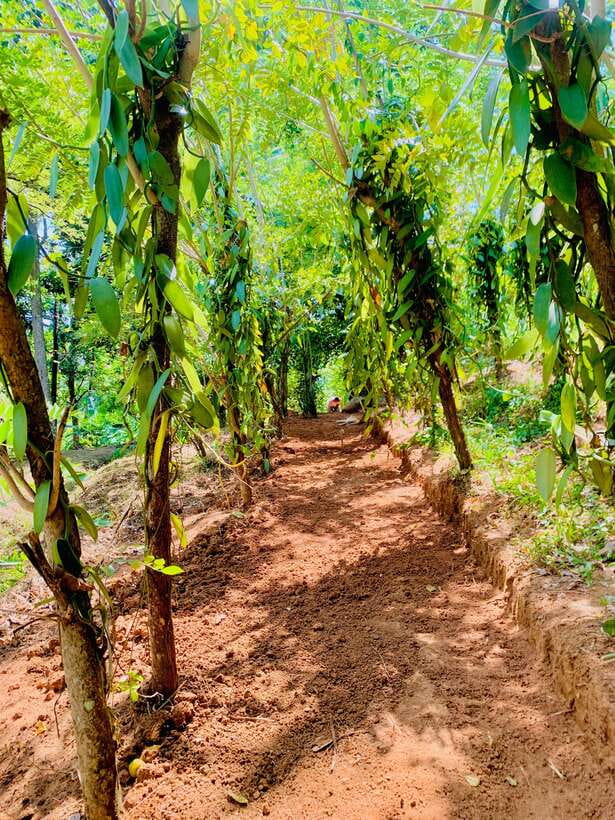
The guided garden walk takes you among the plants rather than keeping the lesson in a classroom. You can see cinnamon along with black pepper, cloves, cardamom, and other spices associated with Sri Lankan cooking and traditional remedies.
The guide explains how the plants are grown, what parts are used, and how they connect with food and health practices. That context matters. A pepper vine, a cardamom plant, or a cinnamon tree can look surprisingly modest when you first see it growing. The walk gives you the visual clues needed to recognize these plants later.
Bring comfortable shoes. You are walking through a plantation, and the experience is better if you can pay attention to the plants instead of worrying about your feet. A hat, sunscreen, water, and insect repellent are sensible additions, especially because part of the tour takes place outdoors.
You are asked not to touch the plants casually. That is a small rule, but an important one in a working garden. Listen to the guide before handling anything, and remember that a spice plant is not automatically safe to taste straight from the stem.
The tasting puts the plants to work
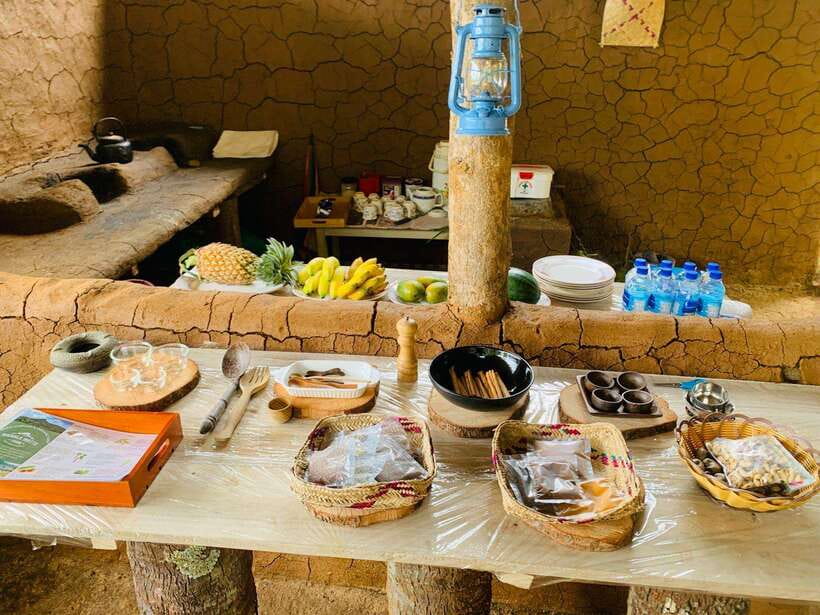
The tasting is more useful than a quick nibble at the end of a tour. Fresh garden spices are presented with explanations about flavor and possible health uses, so you can connect what you saw growing with what you taste.
You may test spices through smell, taste, and touch as part of a sensory challenge. This is a simple idea, but it makes the visit more active. Smelling a spice before seeing it can be harder than expected, especially when you are used to buying everything dried, ground, or sealed in a packet.
The tropical fruit tasting adds another welcome change. Fruit is paired with selected Sri Lankan spice blends, showing how local seasonings can sharpen sweetness, warmth, or acidity. You do not need to be an expert cook to appreciate the lesson. It is a quick way to notice how spices can be used with fresh food rather than only in heavy dishes.
Tea is also part of the food and drink side of the visit. The tasting sessions are designed to connect spice, fruit, and tea, giving you several ways to think about the same ingredients. I would treat this as a guided introduction rather than a full meal, since meals are not included.
From organic farming to the factory floor
Warala Watta also presents its organic farming work and sustainable growing methods. The level of detail can vary with the season and the day’s farm activity, but the aim is clear: you are seeing spices as crops that require care, timing, and labor.
Seasonal harvesting may be available, but it should not be treated as guaranteed. If you want to take part in that part of the work, ask what is happening on the farm when you book or arrive. The cinnamon lesson is a listed part of the experience, while other harvesting activities depend on conditions.
The factory visit completes the story. After seeing plants in the garden and the cinnamon being prepared by hand, you follow the processing journey in a working facility. The focus includes quality assurance, so you get a better idea of what happens before spices reach a shop or kitchen.
This is one reason I think the $20 price works well. You are not paying for one short demonstration. You are getting a garden walk, a hands-on cinnamon session, tastings, and a factory visit within roughly three hours. It is a modest price for an experience that links farming, food, and production.
Still, keep your expectations sensible. This is a local farm and factory that has opened its doors, not a large museum with polished displays at every turn. The appeal is seeing real work and asking questions, not moving through a scripted show with elaborate staging.
A different sort of day out of Sri Lanka:
- Whales and Dolphins Watching-Luxury Super Grade Cruiser(Hotel Pick up offered)
★ 5.0 · 1,268 reviews - Mirissa: Unforgettable Snorkeling Experience with Turtles
★ 4.9 · 1,064 reviews - From Colombo: Sigiriya and Dambulla Day Trip with Safari
★ 4.7 · 842 reviews - Yala National Park Safari Tours: Morning/Evening/Full Day
★ 4.8 · 818 reviews
The people make the visit feel personal

The English-speaking guides include Roha and Dilan, along with the wider farm team. Their role is more than pointing out plants. They lead the garden walk, explain the cinnamon process, discuss cooking and medicinal uses, and help you take part in the tastings.
The small-group limit of 10 people is useful here. A garden lesson works better when you can see the bark being handled, hear the explanation, and ask a question without competing with a large crowd. If the group is especially small, the experience can feel almost like a private farm visit.
That intimate format may suit solo visitors particularly well. The farm team is described as welcoming and attentive, and the setting can feel reassuring for someone exploring alone. I would still judge your own comfort with rural walking and arrange transport in advance, but the personal attention is a real advantage.
The exact timing may vary slightly. One reported visit took about two and a half hours, while the advertised duration is three hours. Allow the full three hours so you are not rushing to another appointment.
Getting there and planning the day
Transport to and from the farm is not included. You need to arrange your own way to the garden, so check the route carefully before booking and leave enough time for the journey. The garden is in Sri Lanka’s Central Province, but the supplied details do not specify a pickup service or exact meeting point beyond the farm itself.
That transport issue is the biggest practical weakness. A low tour price can look less impressive if your ride costs a great deal or takes complicated planning. If you are already in the area with access to a car, tuk-tuk, or arranged driver, the visit is easier to fit into your day.
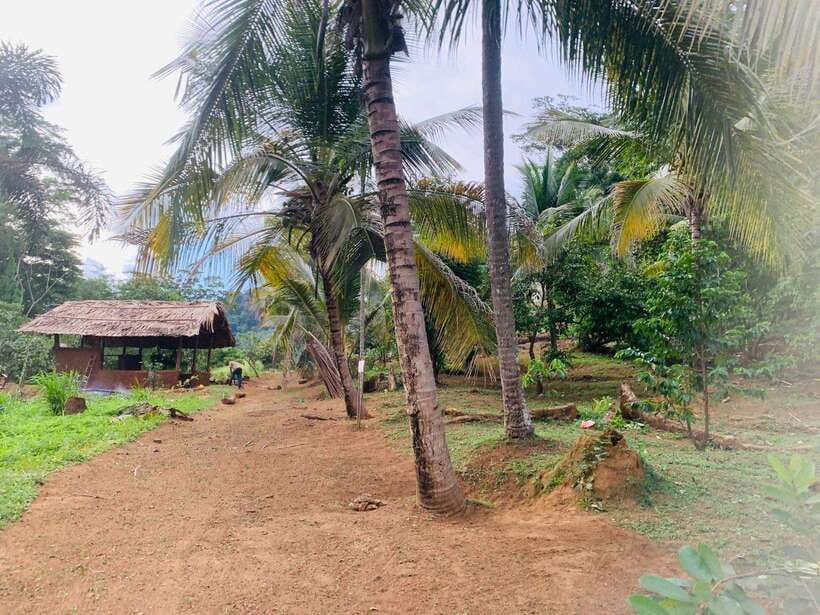
Plan this as an outdoor activity with some uneven or demanding walking. Wear shoes you can comfortably walk in, carry water, and use sunscreen. A camera is welcome for personal use, but do not let photographs interrupt the guide or tempt you to handle plants without permission.
Smoking is not allowed on the garden grounds. The farm also asks you to respect the ecosystem, which means staying attentive to the garden rules rather than treating every leaf as a souvenir.
Who will get the most from this experience
I would recommend this tour to anyone who wants more than a scenic stop and a shop full of spice packets. It suits curious cooks, food-focused visitors, families with older children who can manage the walking, and anyone interested in how farming becomes food.
It is also a good choice if you are trying to understand Sri Lankan cuisine through its basic ingredients. Seeing cinnamon prepared by hand, smelling spices in the garden, and tasting fruit with local blends gives you practical memories that a standard sightseeing stop cannot provide.
The tour is less suitable if you want a relaxed, seated activity. It is not suitable for wheelchair users or people with mobility impairments, and the information advises against it for pregnant women. If you dislike outdoor heat, insects, or farm paths, you may find the garden portion tiring.
You should also avoid expecting a full lunch. Meals are not included, and the tasting is there to demonstrate flavors rather than replace a meal. Arrange food separately if you need something substantial afterward.
What to buy after the tour
The on-site shop sells spices such as cinnamon, cloves, black pepper, and chili powder. Prices have been described as fair, which adds a practical final step to the visit. You can taste and learn about the products first, then decide what is worth carrying home.
This is better than buying the first attractive packet you see at a roadside stop. You have already watched cinnamon being processed and can ask questions about the spices you are considering. Pack purchases carefully, especially powders, and check your own airline and customs rules before taking food products home.
I would wait until the end to shop. The garden walk and factory visit give you the background needed to make a more informed choice, and you will not have to carry purchases through the whole experience.
Is $20 a good value?
At $20 per person, this is strong value if you want several connected activities in one visit. The price includes the guided spice garden walk, the cinnamon experience, the farm tasting, tropical fruit with Sri Lankan spices, and the factory visit.
The value is not only in the number of stops. The cinnamon demonstration gives you a skill-based activity, the garden provides the growing context, the tasting shows how ingredients are used, and the factory explains the commercial steps. Together, they form a clear story from plant to finished spice.
The price does not include transportation or meals, so calculate those costs honestly. Even so, the small group size and three-hour format make this a more substantial outing than a quick garden admission ticket.
Free cancellation up to 24 hours before the activity and the option to reserve now and pay later add useful flexibility. Starting times depend on availability, so check the schedule before building the rest of your day around it.
Should you book the Warala Watta Spice Garden tour?
I would book this if you want a friendly, hands-on look at Sri Lanka’s spice trade, especially if cinnamon interests you. The strongest parts are the bark-to-quill demonstration, the chance to try the work yourself, the fresh tastings, and the access to a real farm and processing factory.
Book with comfortable shoes, sun protection, water, and a transport plan. If you need a fully accessible route, a seated tour, or a guaranteed harvesting activity, choose something else. For most able walkers who enjoy food, plants, and local production, this $20 experience offers a lot of substance in three hours.
FAQ
How long does the Ceylon Cinnamon Experience and Spice Garden Tour last?
The advertised duration is three hours. One completed visit took about two and a half hours, so you should allow the full three-hour window.
How much does the tour cost?
The price is $20 per person.
What does the tour include?
It includes the guided spice garden walk, Ceylon cinnamon experience, farm-to-table spice tasting, tropical fruit tasting with Sri Lankan spices, and factory visit.
Is transportation included?
No. You must arrange your own transportation to and from Warala Watta Spice Garden.
What language is the tour conducted in?
The live guided tour is conducted in English.
How large is the group?
The experience is offered as a small group with a limit of 10 participants.
Can I take part in making cinnamon?
Yes. You can watch cinnamon being harvested and processed, including the peeling and preparation of the bark, and try making a cinnamon quill yourself.
What should I bring?
Bring comfortable walking shoes, a hat, sunscreen, water, a camera, and insect repellent.
Is the tour suitable for people with mobility impairments?
No. The experience is not suitable for wheelchair users or people with mobility impairments. It is also not recommended for pregnant women.
Recently listed around Sri Lanka
- From Dambulla/ Sigiriya: Ancient City of Polonnaruwa by Bike★ 4.1 · 3 reviews
- From Dambulla: Minneriya National Park wild Jeep Safari★ 5.0 · 3 reviews
- Trincomalee: Guided scooter City Tour★ 5.0 · 3 reviews
- From Colombo: Day Trip to Galle City, Koggala and Unawatuna★ 4.2 · 3 reviews
- Yala Safari – Yala National Park★ 5.0 · 3 reviews
- Discover Sigiriya Dambulla and Minneriya Park in Day Tour★ 5.0 · 3 reviews
- Udawalawe Private Safari with Picnic and Hotel Pickup★ 5.0 · 3 reviews
- Minneriya National Park Safari | Jeep with Tickets★ 5.0 · 3 reviews
Tours, compared.

Private Tuk-Tuk City Tour with All Entry Fees
Read our review →Udawalawe National Park | Private Safari Tour
Read our review →

Yala National Park Safari Tours: Morning/Evening/Full Day
Read our review →

Colombo Tuk Tuk City Tour -Sightseeing Entry Fees & Food Included
Read our review →
Colombo Private Tuk-Tuk City Tour with All Entry Fees Included
Read our review →