Reviewed · TOURS
Muthurajawela Bird Watching Tour from Negombo and Colombo
Muthurajawela is not a grand temple or a famous viewpoint. Its reward is quieter: a small boat gliding through mangroves while kingfishers, waterbirds, monkeys, and perhaps a monitor lizard appear along the banks. I like the peaceful waterways and the chance to see a working wetland close to Negombo and Colombo. I also like that a local boat guide can point out wildlife you would likely miss alone.
The main consideration is weather. Rain can reduce bird activity, and wildlife never follows a timetable. The boat ride is also the heart of the experience, so this suits you best if you enjoy slow nature watching rather than a packed sightseeing schedule.
Key points to know before booking
- Kingfishers are a real highlight: One outing produced two kingfisher sightings that had eluded the same visitor during three weeks elsewhere in Sri Lanka.
- Praneeth is a guide to request: He was praised for his friendly manner and bird-spotting help, though guide availability is not guaranteed.
- You travel by tuk tuk: Hotel pickup and return are provided from most conveniently located hotels in Negombo and Colombo.
- The marsh supports 102 bird species: The wetland also contains 192 plant species and 209 animal species, including the slender loris.
- The pace is calm: Expect a boat trip through waterways, mangroves, and marsh vegetation, with time to watch rather than rush.
- Bring binoculars: A camera helps too, but binoculars are especially useful for birds sitting back from the boat.
Why Muthurajawela makes a good first nature outing
Muthurajawela Wetlands gives you a useful introduction to Sri Lanka’s wetland life without requiring a long journey into the country. It lies in the Western Province, within reach of both Negombo and Colombo, and the pickup makes it practical for a first morning in Sri Lanka or a final nature stop before flying out.
I like the setting because the experience is not only about counting birds. You see how mangroves, ferns, waterways, and marsh plants form a living system. Wetlands provide shelter and feeding areas for many species, and this sanctuary is one of Sri Lanka’s priority wetlands.
The numbers help explain why the area matters. Muthurajawela supports more than 192 plant species, 209 animal species, and 102 bird species. Some species recorded here are indigenous to the marsh. You may see only a small part of that list during two hours, but the variety gives the guide plenty to look for.
The atmosphere is another reason to go. The boat moves through a quiet setting where the sounds and movement are easy to notice. One outing included bananas shared with visiting monkeys and fresh coconut, along with bird sightings. That sort of simple local touch makes the trip feel less like a formal exhibit and more like time spent in a living wetland.
Other Sri Lanka stops that fit the same route:
- Colombo: Private Tuk-Tuk City Tour with All Entry Fees
★ 4.9 · 2,154 reviews - Udawalawe National Park | Private Safari Tour
★ 5.0 · 1,499 reviews - Kandy Private Guided City Tour by Tuk Tuk
★ 4.9 · 1,307 reviews
The 7:00 AM tuk tuk pickup from Negombo or Colombo
The day begins with pickup at about 7:00 AM from your hotel in Negombo or Colombo. The exact pickup point depends on which hotels are most conveniently located for the operator, so you should provide clear hotel details when booking.
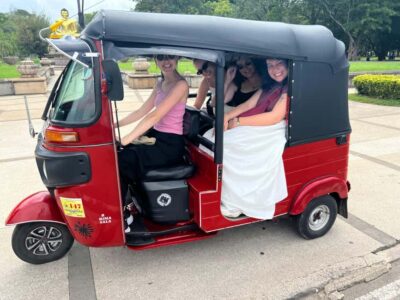
The tuk tuk is part of the experience, not just a transfer. It is a small, open-sided way to move through Sri Lankan streets, though you should expect a more basic ride than an air-conditioned car. The trip is private, which gives you a little more control over the morning than a large shared coach would.
Early timing is sensible for a bird tour. Morning is generally a comfortable time for outdoor sightseeing, and the schedule gets you onto the water at about 8:00 AM. Still, do not treat the start time as a guarantee of constant bird activity. Wildlife may be less active in wet weather, as one outing showed.
The advertised price is $49 per person. That includes the tuk tuk pickup and return, the boat ride, an English-speaking guide, light refreshments, and government taxes. For a private outing with transport from either city, that is a fair package, especially if you would otherwise need to arrange a tuk tuk, boat, entry details, and a guide separately.
The value is strongest when you care about convenience and interpretation. If you already have transport and only want a short boat ride, the price may feel less attractive. If you are staying in Colombo or Negombo and want an easy half-morning in nature, the included transfers make the calculation better.
The visitor center and safety briefing at 8:00 AM
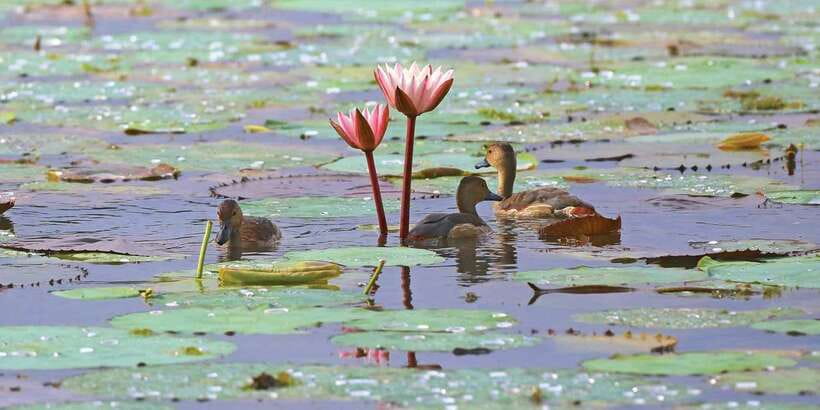
At about 8:00 AM, you arrive at the Muthurajawela Wetlands Sanctuary Visitor Center and starting point. The guide gives you a short introduction to the boat trip and explains the safety requirements before you set off.
This briefing is brief by design. You are not signing up for a long lecture before the main event. Instead, you get your bearings, learn the basic boat rules, and begin looking for birds.
The English-speaking guide is important here. A wetland can look like a wall of reeds and trees if you do not know where to look. The guide’s value is not only naming birds. It is helping you notice movement, listen for calls, and understand why certain areas attract wildlife.
The group is private, which is useful for photography and questions. You can ask the guide to pause on a sighting or explain a plant without worrying about delaying a large group. The exact boat arrangement and group size are not specified, so you should not assume unlimited room for bulky camera equipment.
The boat ride through mangroves and marsh channels
The boat ride is the central part of the morning. The tour information describes a two-hour boat experience, while the timed plan gives about 1.5 hours at the sanctuary before the return transfer. In practical terms, allow about four hours from the 7:00 AM pickup to the expected 11:00 AM hotel drop-off, with the sanctuary and boat ride taking up most of the middle.
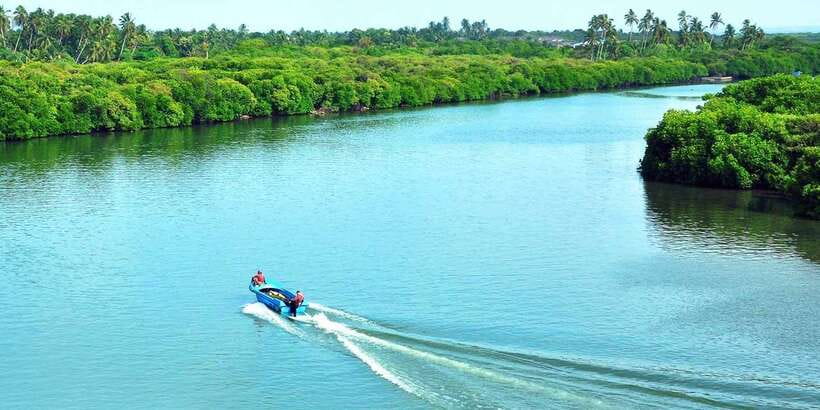
Muthurajawela is best appreciated slowly. The boat moves through waterways bordered by mangroves, ferns, and other marsh plants. You are not racing between set photo stops. The point is to scan the branches, banks, and open water as the boat progresses.
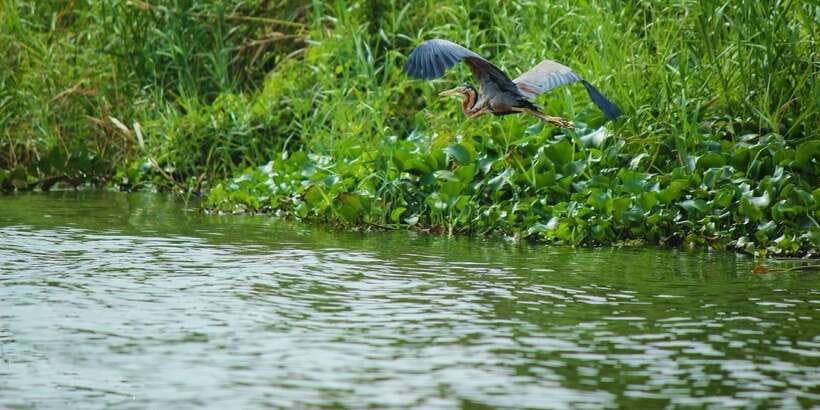
Bird sightings are never guaranteed, but the area has a strong list of possible species. One particularly good result was two kingfishers, birds that had not appeared during three earlier weeks elsewhere in Sri Lanka. That is a useful reminder to bring binoculars and to let the guide do the searching.
Rain can change the outing. A wet morning may mean fewer birds in the open, but it can also give the marsh a cool, soft atmosphere. One trip had fewer bird sightings because of rain but still produced a monitor lizard and a memorable boat ride. If bird photography is your main goal, a dry morning gives you a better chance, but no weather can promise a certain species.
The sanctuary also supports mammals. Slender loris are recorded in the wetland, and monkeys may come close enough to notice from the boat. Seeing a loris is not assured, since it is a shy animal, but its presence shows that this is more than a bird enclosure.
The guide may also offer light refreshments. Bananas and fresh coconut were part of one outing, and bananas were shared with monkeys that came by. Follow the guide’s instructions about feeding wildlife and do not assume that every animal should be offered food.
A different sort of day out of Sri Lanka:
- Whales and Dolphins Watching-Luxury Super Grade Cruiser(Hotel Pick up offered)
★ 5.0 · 1,268 reviews - Mirissa: Unforgettable Snorkeling Experience with Turtles
★ 4.9 · 1,064 reviews - From Colombo: Sigiriya and Dambulla Day Trip with Safari
★ 4.7 · 842 reviews - Yala National Park Safari Tours: Morning/Evening/Full Day
★ 4.8 · 818 reviews
The plant life that makes the marsh work
It is easy to focus only on birds, but the plants are what make the wetland useful to them. Mangroves create shelter along the water, while ferns and other plants fill the marsh edges. These habitats give birds places to feed, rest, and hide.
I recommend taking a few minutes to look at the vegetation rather than treating it as background. The changing mix of water, roots, branches, and open marsh helps explain why so many kinds of animals can live in one compact area.
Muthurajawela’s plant count is significant, with more than 192 distinct species recorded. You will not receive a full botany lesson in two hours, but a good guide can help you connect what you see with the larger wetland system.
This is also where the trip has value beyond sightseeing. Wetlands can look untidy compared with a manicured park, but that tangled quality is part of their function. The roots and plants provide cover, hold wet soil, and support the food chain that brings birds and other animals into the area.
The guide makes the difference
The guide can make or break a short wildlife tour. Muthurajawela is not a place where you can simply look around and expect every bird to announce itself. A guide who knows the waterways and bird behavior can save you from staring at the wrong branch for ten minutes.
Praneeth received especially warm praise for being friendly and helpful. If he is available, you can ask for him when arranging the tour. Do not treat that as a promise, since guide assignments can change, but it is a sensible request.
The strongest guide service here is practical rather than theatrical. You want someone who can identify birds, steer through the channels, explain the marsh, and keep the pace relaxed. One guide helped locate kingfishers, while another made the boat trip enjoyable even when rain reduced the number of birds.
The private format should help if you have specific interests. Tell the guide if you care most about birds, plants, photography, or simply a quiet ride. The supplied information confirms an English-speaking guide, but it does not promise specialist birding credentials or other languages.
What to bring for a better morning
Binoculars are the most useful item on the packing list. Birds may sit some distance from the boat, and binoculars let you identify them without relying on a lucky close approach.
Bring a camera if wildlife photography matters to you. Keep expectations sensible. A moving boat, changing light, rain, and shy animals can make sharp photographs difficult, so use the camera as a bonus rather than the sole reason for booking.
Comfortable clothing suited to a boat ride is sensible, though the tour information does not specify a dress code or equipment list beyond binoculars and a camera. Light refreshments are included, but no full meal is promised, so plan your breakfast around the early pickup.
The tour is not suitable for people with back problems or pregnant women. A tuk tuk and boat ride can involve movement and uneven conditions, so this restriction should be taken seriously rather than treated as a minor footnote.
Returning to your hotel by 11:00 AM
The planned return begins at about 10:00 AM, after time at the wetland, with a tuk tuk drop-off around 11:00 AM. That makes this a useful morning activity rather than an all-day commitment.
For a stay in Negombo, the timing leaves room for a later beach walk or other local plans. From Colombo, the tour offers a short break from city sights without using a full day. Since the exact driving time depends on your hotel and traffic, use the schedule as a guide rather than a precise promise.
The return transfer is included from the same two pickup areas, Negombo and Colombo. Drop-off is also provided to those areas, at the most closely located hotels covered by the operator.
Who will get the most from this tour
I would choose this trip if you want a gentle introduction to Sri Lankan wildlife, have limited time, or prefer a private outing to a large group excursion. It is also a good fit for anyone staying in Colombo who does not want to spend a whole day reaching a national park.
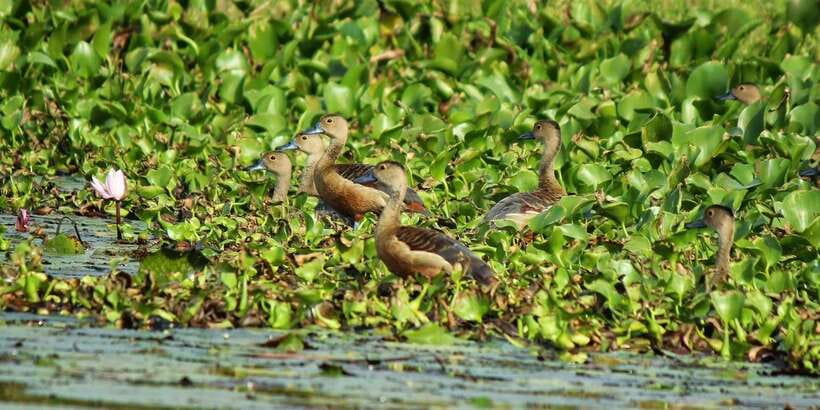
Birdwatchers should bring realistic expectations but can find excellent moments. The possibility of kingfishers, waterbirds, monkeys, monitor lizards, and many other species gives the morning plenty of interest, yet the experience depends on weather and animal behavior.
Photographers may enjoy the calm setting, but this is not sold as a dedicated professional photo tour. If you need fixed hides, special camera support, or a guaranteed species list, this may not meet your needs.
Families and casual nature watchers may like the short duration and boat format, but the stated restrictions matter. People with back problems and pregnant women should not book this activity.
Cancellation, payment, and practical flexibility
You can cancel up to 24 hours before the activity for a full refund. The reserve-now, pay-later option also helps if your Sri Lankan schedule is still shifting.
The tour offers skip-the-ticket-line access, though the supplied information does not explain the exact ticket procedure. Pickup, boat cost, guide service, refreshments, and government taxes are included. Anything not named in the inclusions is your responsibility.
The overall rating is 4.8 from five verified bookings, with the strongest praise focused on friendly local guides, good bird knowledge, peaceful waterways, and the chance to see species that can be hard to find elsewhere. I would give those points more weight than the score itself, since they match what matters most on a short wildlife trip.
Should you book Muthurajawela from Negombo or Colombo?
Book it if you want a quiet, practical morning on the water and you like the idea of seeing Sri Lankan nature in a wetland rather than only in a formal park. The included tuk tuk, private group, boat ride, English guide, and refreshments make $49 reasonable for a convenient outing from either Negombo or Colombo.
Skip it if you need guaranteed bird sightings, dislike weather-dependent activities, or want a full-day wildlife safari. Muthurajawela rewards patience, good timing, and a willingness to enjoy the marsh even when the birds stay hidden.
My best advice is simple: request Praneeth if he is available, bring binoculars, and keep the morning flexible. You may get kingfishers, a monitor lizard, monkeys, or only a peaceful ride through mangroves. The quiet ride is not a consolation prize. It is the point.
FAQ
Where does the Muthurajawela bird watching tour depart from?
Pickup is available from most closely located hotels in Negombo and Colombo.
Where does the tour finish?
Drop-off is provided back to hotels in Negombo or Colombo, depending on your pickup location.
How long does the experience last?
The activity is listed as two hours, while the full plan runs from about 7:00 AM to 11:00 AM because it includes hotel transfers.
What time does pickup begin?
The planned pickup time is 7:00 AM.
Is the boat ride included in the price?
Yes. The cost of the boat ride at Muthurajawela Wetlands is included.
Is a guide included?
Yes. An English-speaking guide accompanies the tour.
Is this a private tour?
Yes. The group type is listed as a private group.
What wildlife can I see?
The wetland supports 102 bird species, as well as many plants and animals. Possible sightings include kingfishers, monkeys, monitor lizards, and the slender loris, but sightings are not guaranteed.
What should I bring?
Bring binoculars and a camera.
Can I cancel for a refund?
Yes. You can cancel up to 24 hours in advance for a full refund.
Recently listed around Sri Lanka
- From Dambulla/ Sigiriya: Ancient City of Polonnaruwa by Bike★ 4.1 · 3 reviews
- From Dambulla: Minneriya National Park wild Jeep Safari★ 5.0 · 3 reviews
- Trincomalee: Guided scooter City Tour★ 5.0 · 3 reviews
- From Colombo: Day Trip to Galle City, Koggala and Unawatuna★ 4.2 · 3 reviews
- Yala Safari – Yala National Park★ 5.0 · 3 reviews
- Discover Sigiriya Dambulla and Minneriya Park in Day Tour★ 5.0 · 3 reviews
- Udawalawe Private Safari with Picnic and Hotel Pickup★ 5.0 · 3 reviews
- Minneriya National Park Safari | Jeep with Tickets★ 5.0 · 3 reviews
Tours, compared.
Private Tuk-Tuk City Tour with All Entry Fees
Read our review →Udawalawe National Park | Private Safari Tour
Read our review →
Yala National Park Safari Tours: Morning/Evening/Full Day
Read our review →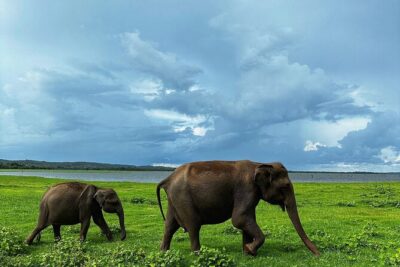
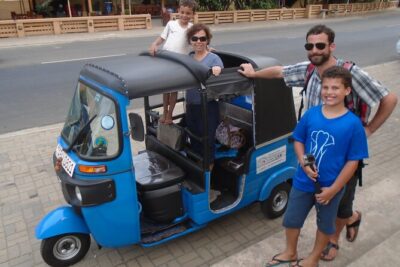
Colombo Tuk Tuk City Tour -Sightseeing Entry Fees & Food Included
Read our review →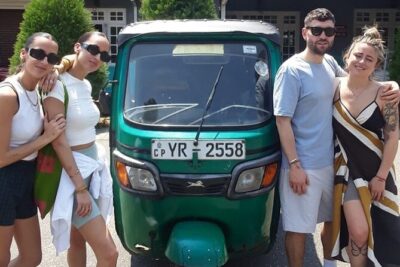
Colombo Private Tuk-Tuk City Tour with All Entry Fees Included
Read our review →