
Reviewed · HAMBANTOTA TOURS
Bundala National Park Safari (PRIVATE TOURS)
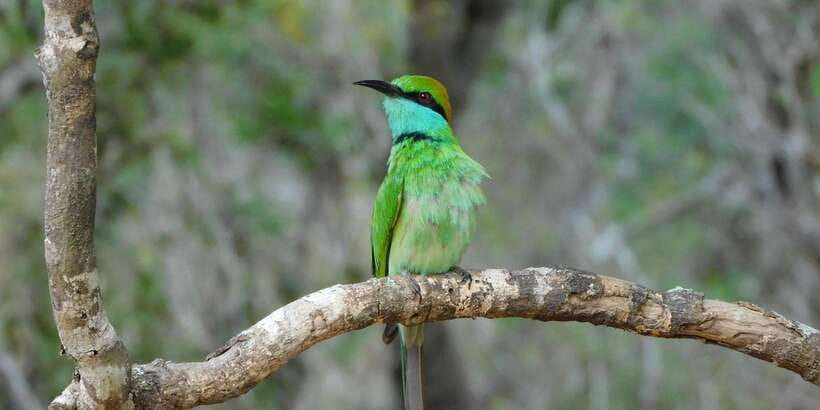
Bundala is the kind of safari park that rewards patience rather than speed. Its lagoons, waterways, dunes, and coastal scrub attract nearly 200 bird species, including migrants from Siberia and India. You may see elephants, crocodiles, monkeys, eagles, storks, turtles, and tiny green bee-eaters, often without the traffic found at Yala.
I like two things right away. First, this is a private tour, so the guide can stop when you want a better view or a photograph. Second, the bird knowledge is a real strength. Guides such as Sakun, Ishan, Maduka, and Surimal are praised for spotting distant wildlife and explaining birds in plain terms.
The main consideration is cost beyond the advertised $36 per person: the national park entrance fee is not included. Sightings also depend on season, water levels, and luck. Bundala is a strong choice for birds and peace, but it is not a guarantee of close elephant encounters.
Key points at a glance
- A birdwatcher’s safari: Bundala shelters about 197 bird species, with peak migratory activity from December through March.
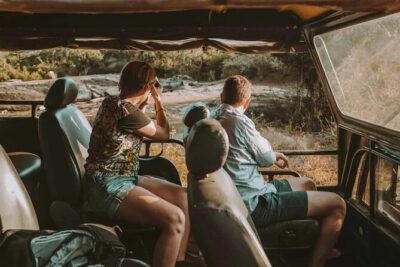
- Private five-hour jeep tour: You travel with your own group, guide, and safari vehicle rather than joining a large shared outing.
- Quieter than Yala: Several guides have taken visitors through a calm park with few or no other jeeps, especially outside the busiest season.
- Wildlife beyond birds: Elephants, crocodiles, monkeys, lizards, civets, giant squirrels, and marine turtles are all possible sightings.
- Useful extras included: Hotel pickup and drop-off, bottled water, cool drinks, binoculars, and private transport are provided.
- Best for patient observers: The tour suits you if you enjoy stopping, listening, studying bird behavior, and taking photographs.
Why Bundala feels different from Yala
Yala gets much of the attention in southern Sri Lanka, but Bundala offers a calmer kind of wildlife outing. The park covers about 62 square kilometers and is shaped by wetlands, lagoons, sandy areas, and the nearby sea. That mix gives you more than one type of habitat during a five-hour drive.
I would choose Bundala if birds matter as much to me as large mammals. The park is an important wetland for migratory birds and became a Ramsar wetland in 1991. It was also named a UNESCO biosphere reserve in 2005. Those labels are not just decoration: they explain why the park feels so valuable even when an elephant is not standing beside the jeep.
The quiet is part of the appeal. A safari with fewer vehicles gives your guide more freedom to pause, switch off the engine, and let you watch. Several outings have had only one jeep in the park, particularly during the low season. That makes the experience less about racing from sighting to sighting and more about noticing what is around you.
Still, you should keep your expectations sensible. Bundala can produce excellent wildlife sightings, but no safari can promise elephants, flamingos, or turtles on a particular day. The attraction is the habitat and the range of possible sightings, not a fixed checklist.
More National Parks in Hambantota
- Yala National Park Safari Tours : Half Day & Full Day
★ 4.9 · 161 reviews - Yala National Park Safari Tour From Hambantota port
★ 4.5 · 102 reviews - Yala National Park Safari |From Hambantota Port (Shore Excursion)
★ 4.5 · 61 reviews
The five-hour route through wetlands and coast
Your day begins with pickup from one of the listed areas: Weerawila, Debarawewa, Tissamaharama, Yoda Kandiya, Kataragama, or Kirinda. Hotel pickup and drop-off are included in the service area, which is helpful if you are staying around the Yala and Tissamaharama region.
The exact starting time depends on availability. You should check this before booking because the light and animal activity can change the feel of the outing. Early morning is useful for birdwatching, while an afternoon trip can lead into softer evening light and a sunset stop.
Once inside Bundala National Park, the guided jeep drive lasts about five hours. Your guide handles the driving and wildlife spotting while explaining the park’s birds, reptiles, mammals, and wetland system. The private format matters here. If you are watching a kingfisher, eagle, or elephant, the guide can stop instead of following a fixed group schedule.
The scenery changes as you move through the park. Water channels and lagoons are the main stage for waders and water birds. Sandy areas and dunes add a dry, open feel. Near the coast, you may get a broader view of the sea and beaches. One outing included a stop by the coast with watermelon and time to enjoy the view, while another finished outside the park at sunset with a large gathering of bats.
That coastal element gives this safari a useful extra layer. You are not only riding through forest and scrub. Bundala links wetlands with the sea, and the chance of seeing the coast helps break up the drive.
Birdwatching is the main event
Bundala is home to almost 200 bird species, and the guides clearly shape how much you get from the experience. A casual observer may see a bird fly past. A good guide can identify it, point out where it is perched, explain its behavior, and wait for a better view.
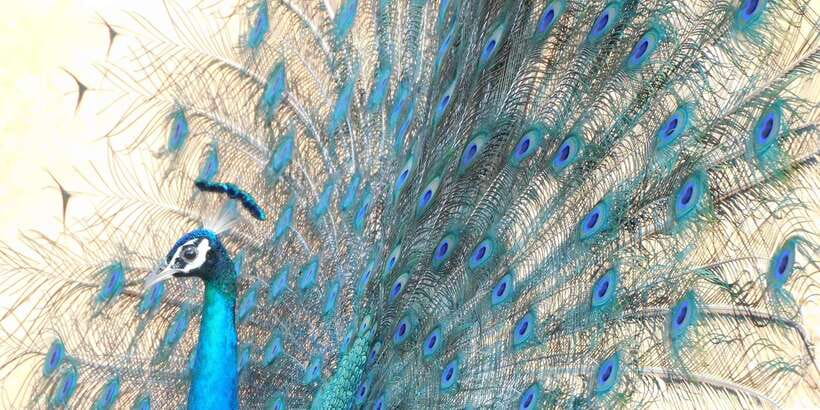
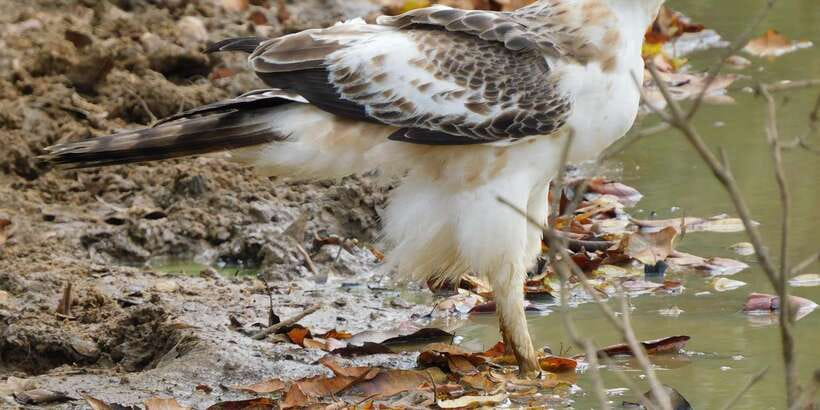
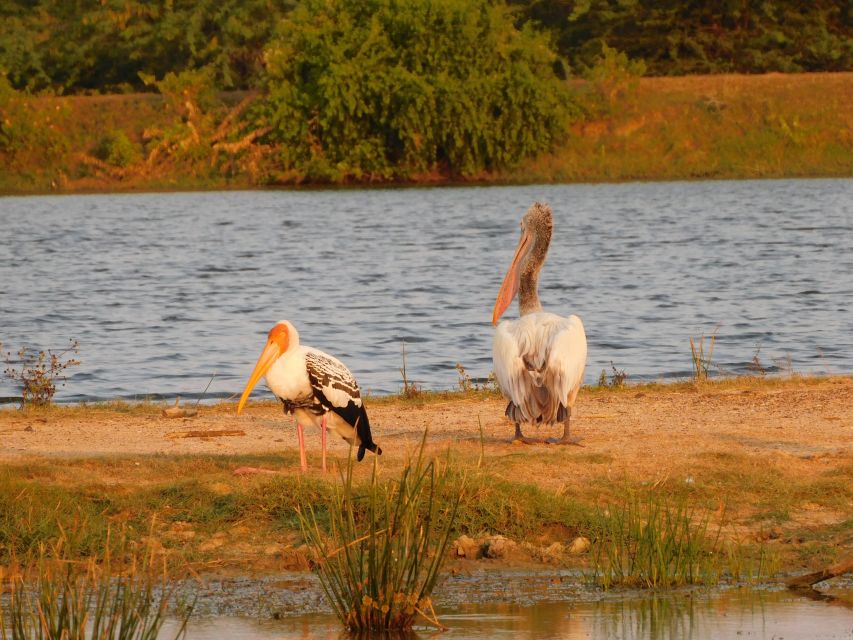
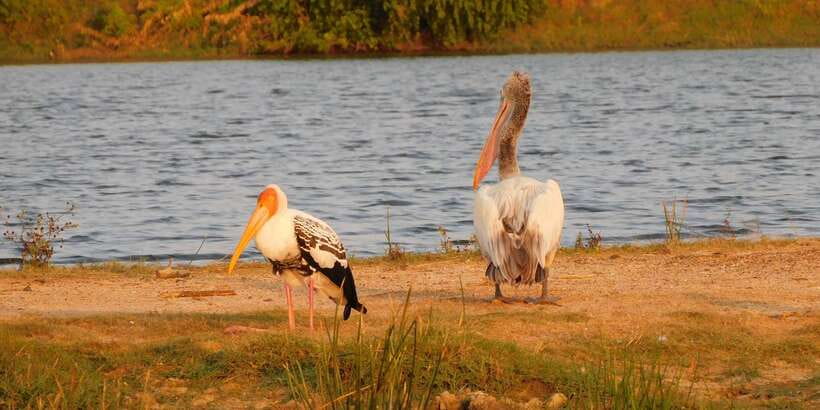
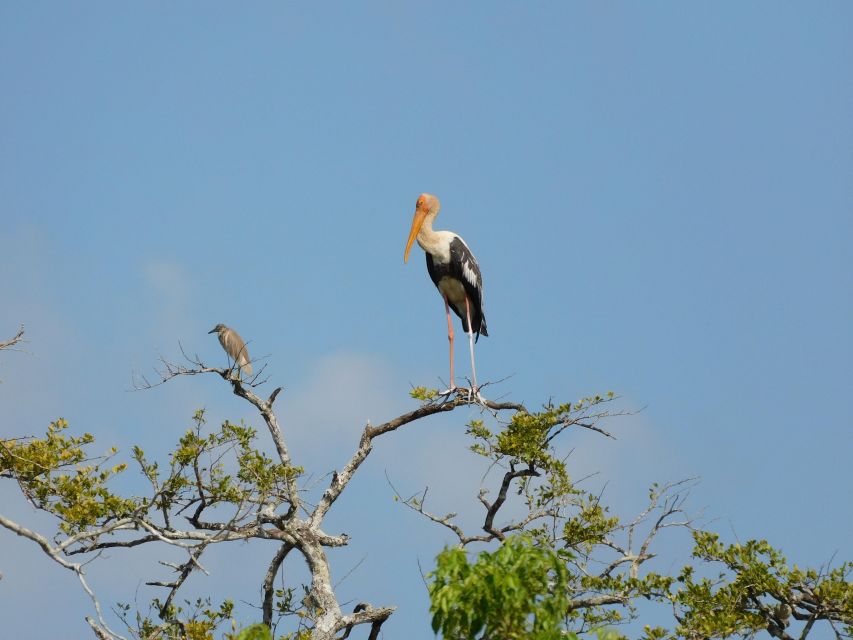
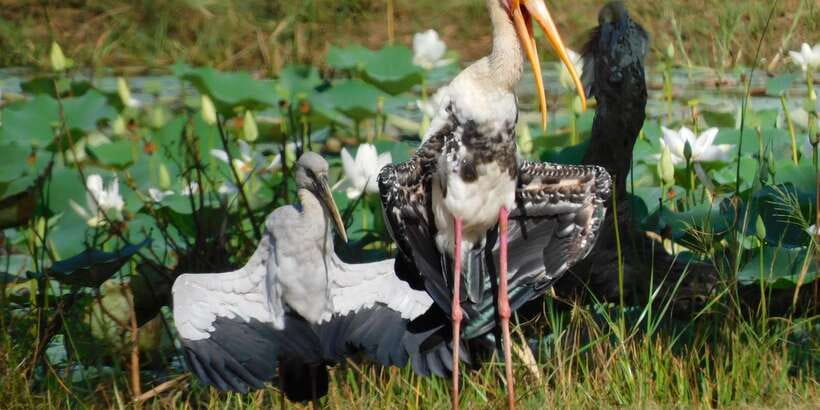
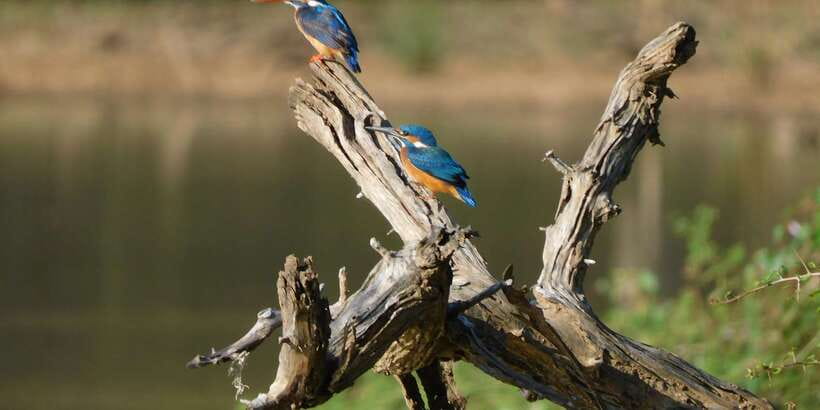
The bird list mentioned by guides includes painted storks, pelicans, Asian openbills, grey-headed swamp hens, white-throated kingfishers, lapwings, jacanas, coucals, munias, glossy ibis, Sri Lankan green pigeons, serpent eagles, Brahminy kites, purple herons, and green bee-eaters. That is a broad mix of water birds, raptors, woodland birds, and small colorful species.
The free binoculars are useful, especially for birds across open water or perched high in trees. You should still bring your own camera or phone if photography matters to you. Sakun, in particular, has a strong interest in bird photography and is used to finding good positions for pictures.
The strongest part of the guiding is the ability to notice small movement at a distance. Ishan, Maduka, Sakun, and Surimal are all singled out for spotting birds and animals before the people in the jeep see them. That skill matters more in Bundala than a loud running commentary. The park’s appeal is often a quiet bird on the far side of a lagoon, not a dramatic animal right beside the road.
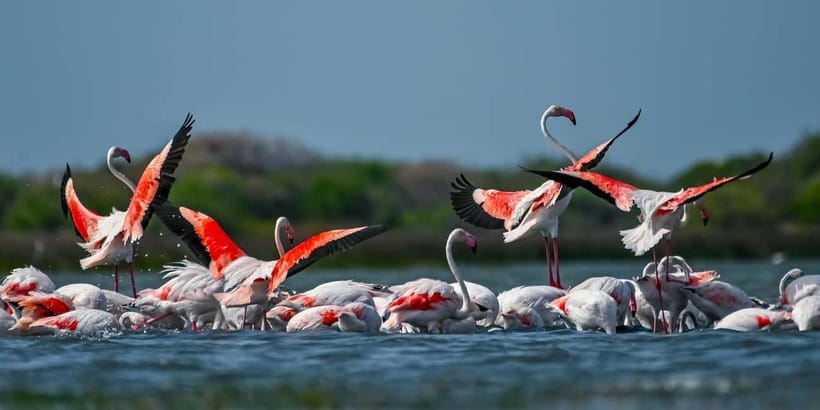
The best migratory period is generally August through April, with December through March described as the peak. December is also considered the best month for elephant sightings. Up to 2,000 greater flamingos have been recorded in the park at one time, though you should treat that as a possibility rather than a promise for your visit.
Elephants, crocodiles, and smaller wildlife
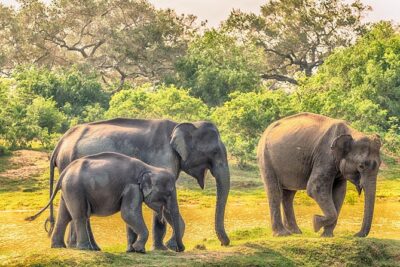
Bundala is not only for birdwatchers. The park holds between roughly 15 and 60 elephants depending on the season. A number of outings have included elephant herds, including a mother with a baby, and some elephants have come close to the safari jeep.
That said, elephant numbers and visibility change. If seeing elephants is your only reason for booking, Yala may be a better-known choice, but Bundala can feel more relaxed and less crowded. I would treat elephants here as an important bonus within a bird and wetland safari.
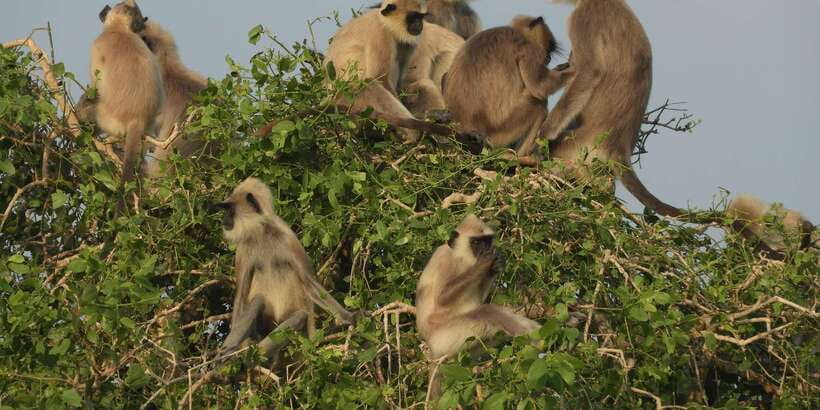
Crocodiles are another regular possibility, particularly around the waterways. You may also find macaque and langur monkeys, lizards, hares, civets, and giant squirrels. One particularly memorable sighting included an otter and a golden jackal close to the jeep.
The variety is what makes the five hours worthwhile. You might spend several minutes studying a water bird, then move on to crocodiles, monkeys, or an eagle. The pace can be slow, but the changing scale of the wildlife keeps it from feeling repetitive.
Marine turtles are linked to the coastal side of Bundala. Between October and January, four of Sri Lanka’s five marine turtle species are recorded laying eggs along the coast: olive ridley, green, leatherback, and loggerhead turtles. The information does not promise a turtle sighting during the safari, so I would see this as useful seasonal context rather than a guaranteed stop.
More Safaris in Hambantota
- Udawalawe Safari Adventure
★ 5.0 · 76 reviews - Yala Safari Tour from Hambantota Port by Ajith Safaris
★ 5.0 · 67 reviews - Udawalawa Safari & Elephants Orphanage Tour from Hambantota port
★ 5.0 · 63 reviews - Yala National Park: 7 hour & 12 hour Leopard Safari Tours
★ 4.6 · 46 reviews
What the guides add to the drive
The company uses several guides, including Sakun, Maduka, Surimal, Imal, and Ishan. The names matter because the quality of a safari depends heavily on the person behind the wheel and the guide’s eye.
Sakun is especially suited to you if bird photography is a priority. He is described as stopping at good photo points and taking time to help identify birds. Ishan has been praised for punctuality, gentle manners, animal spotting, and wide knowledge of birds. Maduka is noted for identifying birds, reptiles, and the park’s ecosystem, while Surimal has been praised for explaining what he sees and finding a wide range of species.
Imal is also recognized for spotting animals at a distance and guiding the jeep through the park. The guides have provided binoculars and drinks, and one guide even helped with souvenir shopping after the safari. Those touches are not the core reason to book, but they make the day easier.
The strongest pattern is patience. Guides stop, switch off the engine, and give you time to take photographs. That is good wildlife etiquette as well as good tour practice. A quiet jeep is less disruptive, and you get a better chance to hear and observe what is happening around you.
The service is advertised in English. If you need detailed explanations about bird names and behavior, an English-speaking guide is part of the arrangement.
Price, inclusions, and the extra fee
At $36 per person, the tour offers solid value if you are traveling with people who want a private vehicle. The price includes the safari jeep, private transportation, hotel pickup and drop-off in the stated areas, bottled water, cool drinks, binoculars, and the guide’s driving and wildlife service.
The key catch is the park entrance ticket. It is not included, so your final cost will be higher than the advertised tour price. You should ask for the current entrance fee before setting your budget, as the supplied information does not give an amount.
The value is best when you share the jeep with family or friends. You are paying for five hours of private use rather than simply a seat in a vehicle. That gives you control over stops and photo time. For a solo visitor, the per-person price may feel less like a bargain once the park fee is added, but the private format still has clear advantages.
The included drinks and binoculars are practical rather than luxurious. Bring your own camera equipment, sun protection, and anything else you need for five hours outdoors. The tour provides bottled water and cool drinks, but meals are not listed as included.
The best time to book
For migratory birds, aim for December through March. Birds arrive from places including Siberia and India, and the park is at its busiest for bird activity during these months. December is also the suggested month for the strongest chance of elephants.
August through April is the wider migration window. Outside the peak, you may get a quieter park. A September outing had no other jeeps in the park and still produced birds, elephants, hares, and sea turtles. That makes the low season appealing if you value silence over the highest possible number of migratory species.
October through January has special interest for marine turtles because four species lay eggs along the coast during that period. Again, this does not mean the safari will include a turtle encounter, but it is a useful reason to consider a coastal Bundala visit in those months.
Your choice should come down to priorities:
- Choose the peak months for the best chance of migratory bird variety.
- Choose the quieter season if you prefer empty tracks and a slower pace.
- Choose December if elephants are a major goal.
- Choose October through January if the coastal turtle story interests you.
Who should book this safari?
I would recommend Bundala to birdwatchers, photographers, couples, families, and anyone who finds a crowded safari tiring. It also suits you if you are staying in Tissamaharama, Yala, Kataragama, Kirinda, or the surrounding pickup areas and want a half-day wildlife outing.
The private setup is useful for families with different interests. One person can focus on birds while another watches for elephants or crocodiles. You can also ask the guide to pause longer for photographs rather than rushing to the next sighting.
This is less suitable if you want a guaranteed leopard encounter or a fast-moving big-game safari. Leopards are not listed among the expected highlights, and the experience is built around wetlands and birds. You should book Bundala for its habitat, calm pace, and variety.
My verdict on Yala Dreams Wild Safari Tours
I would book this tour if my priority were a quiet, bird-focused safari with a private jeep and hotel pickup. The combination of Bundala’s wetlands, skilled wildlife spotters, binoculars, drinks, and flexible photo stops gives you a useful five-hour outing for the price, provided you add the park entrance fee to your budget.
The strongest guides appear to be those who slow down and explain what you are seeing. Sakun is a good choice for serious bird photography if available. Ishan, Maduka, Surimal, and Imal also bring strong spotting and guiding skills.
Skip it if you want a guaranteed big mammal show or dislike spending time on small birds across open water. Book it if you want the quieter side of Sri Lankan wildlife, a real chance at excellent bird sightings, and the freedom of a private safari.
FAQ
How long is the Bundala National Park safari?
The guided safari lasts five hours. Pickup and drop-off are provided in the listed areas around Weerawila, Debarawewa, Tissamaharama, Yoda Kandiya, Kataragama, and Kirinda.
What is included in the tour price?
The $36 per-person price includes private transportation, a safari jeep, hotel pickup and drop-off, bottled water, cool drinks, binoculars, and an English-speaking guide.
Is the national park entrance fee included?
No. The Bundala National Park entrance ticket is not included in the tour price.
Is this a private group experience?
Yes. The safari is operated for a private group rather than as a shared group tour.
Which birds can I see in Bundala?
Possible sightings include pelicans, painted storks, Asian openbills, kingfishers, jacanas, lapwings, coucals, munias, glossy ibis, Sri Lankan green pigeons, serpent eagles, Brahminy kites, purple herons, and green bee-eaters.
When is the best time for migratory birds and elephants?
Migratory birds arrive from August through April, with peak activity from December through March. December is described as the best month for elephant sightings.
Recently listed around Hambantota
- Yala Full Day Safari from Hambantota Port Shore Excursion★ 5.0 · 10 reviews
- Private Yala Safari Day Trip & Exclusive Beach BBQ Dinner★ 5.0 · 13 reviews
- Udawalawe Safari & Baby Elephants Visit from Hambantota Port★ 5.0 · 14 reviews
- From Anuradhapura: Wilpattu National park Safari★ 3.8 · 14 reviews
- Bundala National Park Birds Watching Safari Tour★ 5.0 · 15 reviews
- Exclusive: Full Day Leopard Safari at Yala National Park★ 5.0 · 16 reviews
- Hambantota Port: Yala National Park Wildlife Safari in a 4×4★ 4.6 · 16 reviews
- Udawalawe Safari & Elephants Orphanage tour from Hambantota port★ 5.0 · 17 reviews
Hambantota Tours, compared.
Yala National Park Safari Tours : Half Day & Full Day
Read our review →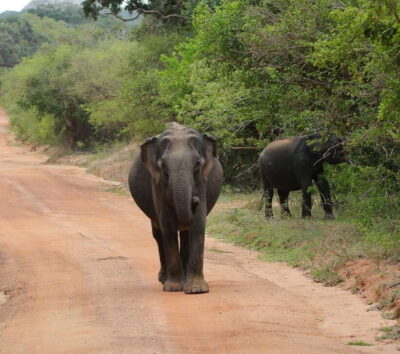
Yala National Park Safari Tour From Hambantota port
Read our review →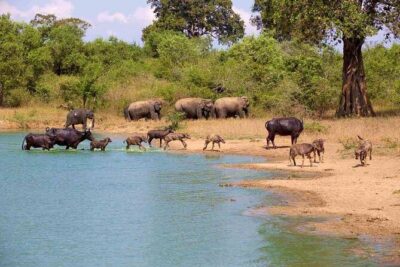
Yala Safari Tour from Hambantota Port by Ajith Safaris
Read our review →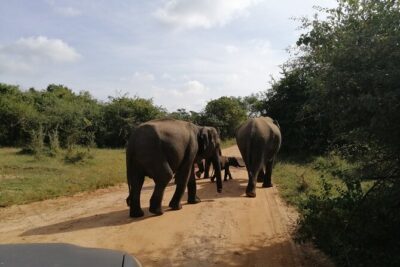
Udawalawa Safari & Elephants Orphanage Tour from Hambantota port
Read our review →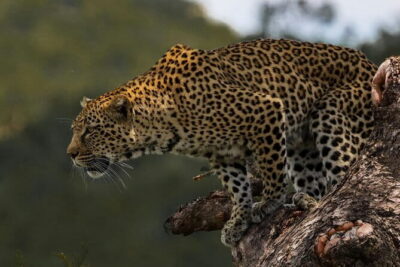
Yala National Park Safari |From Hambantota Port (Shore Excursion)
Read our review →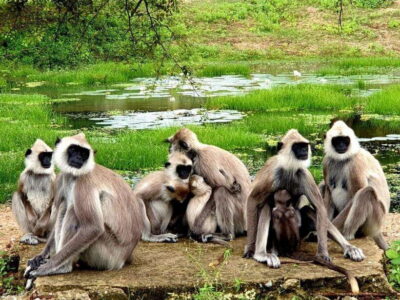
Yala Safari from Hambantota Port by BTM – Private & All Inclusive
Read our review →Browse the lists this tour appears in