
Reviewed · SAFARI
Bundala National Park Safari – Birding Paradise Tour
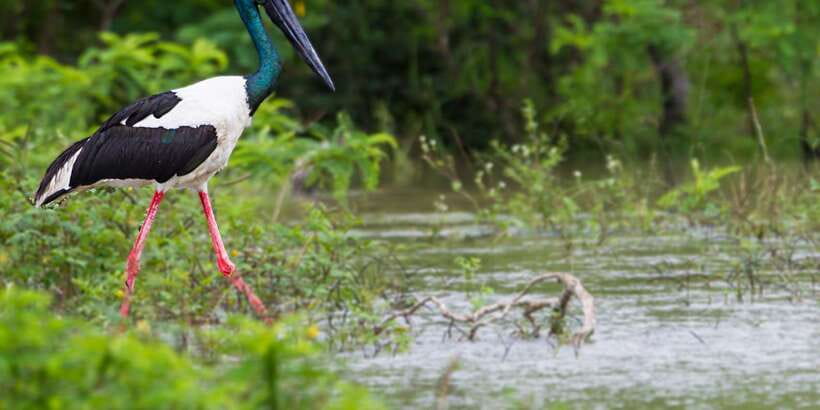
Bundala’s best show is overhead: up to 10,000 migratory birds arrive between September and March, turning the park’s lagoons and marshes into a busy wildlife stage. On the ground, you may spot deer, buffalo, crocodiles, turtles, monkeys, and smaller animals in a park that feels quieter and more open than Sri Lanka’s famous elephant reserves.
I like the small six-person jeep and the choice of morning or evening, especially for soft light and photos. I also like the mix of habitats, from thorny scrub and golden dunes to brackish lagoons. The main catch is that the $43 price does not include the park entrance fee, and you should confirm that charge clearly before setting out.
Key points at a glance
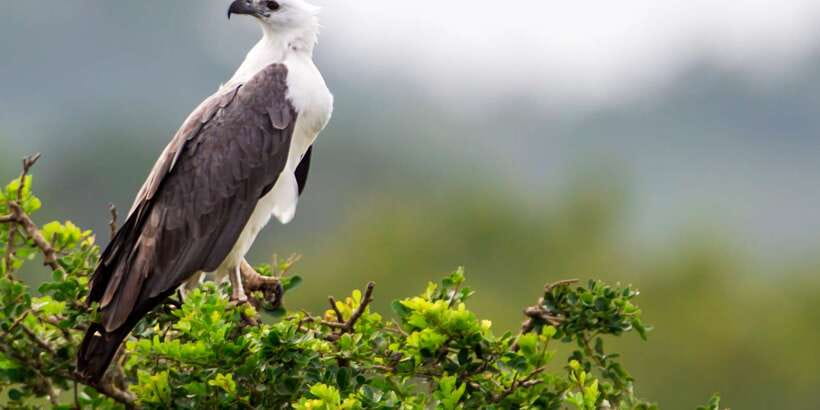
- September to March bird season: Migratory birds can lift the park’s bird count dramatically, with up to 10,000 seasonal visitors.
- Three hours in varied terrain: The route can include thorn scrub, marshes, lagoons, sand dunes, and wetland edges.
- Morning or evening departure: Choose the time that suits your light, heat, and wildlife plans.
- Small jeep, maximum six people: You get a more manageable group than on a large vehicle safari.
- Driver-guide service: Your English-speaking guide drives, searches for animals, and offers information about habitats and wildlife.
- Entrance fee is extra: The advertised tour price covers the jeep service and pickup, not admission to the park.
Why Bundala is a fine choice for bird lovers
Bundala National Park is built around wetlands, and that shapes the whole safari. Rather than moving through one unbroken block of forest, you pass between marshes, lagoons, scrub, and sandy ground. Each habitat draws different wildlife, so even a short drive can feel varied.
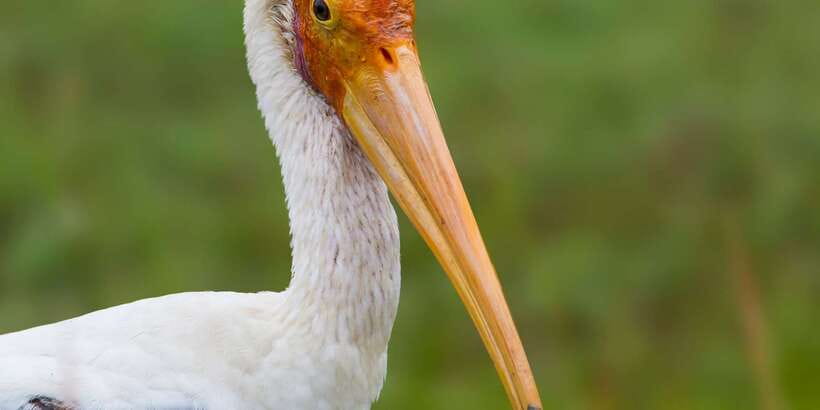
The headline attraction is the birdlife. The park is home to about 200 bird species, including local birds and migrants. From September through March, as many as 10,000 migratory birds may use the area. That makes Bundala especially appealing if you care more about bird variety than ticking off one famous animal.
You may see colorful birds around the water, along with species suited to dry scrub and open ground. The exact list changes with the season, water levels, weather, and luck. A guide who watches carefully can make a big difference, since a small bird in reeds is easy to miss while you are looking for larger animals.
Bundala also offers a useful contrast with Sri Lanka’s better-known parks. You are not coming only for elephants. The pleasure here is the full wetland system: birds feeding in shallow water, animals moving through scrub, reptiles at the lagoon edge, and the changing texture of the park as the jeep moves along.
More Safaris in Sri Lanka:
- Udawalawe National Park | Private Safari Tour
★ 5.0 · 1,499 reviews - From Colombo: Sigiriya and Dambulla Day Trip with Safari
★ 4.7 · 842 reviews - Yala National Park Safari Tours: Morning/Evening/Full Day
★ 4.8 · 818 reviews
From hotel pickup to the park gate
Pickup is available from hotels in the Tissamaharama and Weerawila areas. You can also meet the jeep at Bundala National Park’s gate, which may suit you if you have your own transport or are staying outside the main pickup zone.
The tour lasts three hours, not a full day. That is useful if you are fitting Bundala between other stops in southern Sri Lanka, or if you want a focused wildlife outing without spending most of your day in a jeep. It also means the guide has to make the time count, and your sightings will depend heavily on the conditions that morning or evening.
Pickup from outside Tissamaharama or Weerawila is possible for an extra charge. Ask for that cost before booking if your hotel is elsewhere. This is a small practical point, but it prevents the advertised price from becoming misleading once transport is added.
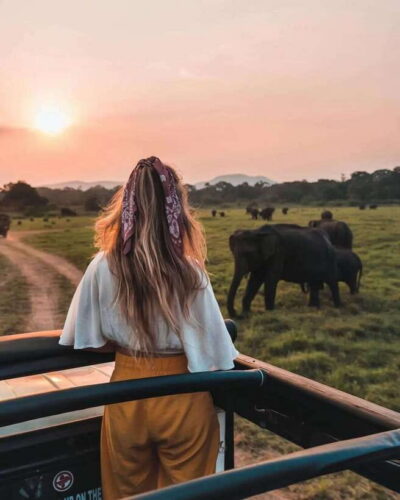
You can choose a morning or evening safari, subject to availability. The golden hours are the strongest reason to choose one of these cooler, softer-light periods. Early or late light can give animals a more natural setting for photographs than harsh midday sun, while the lower heat is easier on you during a slow jeep ride.
Inside the jeep: what the three hours feel like
The safari jeep is shared by no more than six passengers. That is not a private safari, but it is small enough to keep the group from becoming unwieldy. You will have other people beside you, yet the vehicle should feel more personal than a large group excursion.
The driver handles the rougher sections while you scan the sides of the track and the water. The surface can become muddy and difficult, particularly after poor weather. One strong account of the service describes the driver moving slowly and carefully through challenging conditions while continuing to search for birds and animals.
That detail matters. A wildlife jeep ride is not simply transport from one point to another. It is a long series of pauses, turns, and careful looks. Driving too fast makes it easy to miss a bird in the brush or disturb an animal before you have seen it properly.
Guide Hishan has been praised for identifying birds as the jeep moves through the park. He has also dealt with a practical problem that can affect any safari in Sri Lanka: a park closure after a cyclone. In that case, the outing changed to Udawalawe National Park. That shows useful flexibility, but you should still confirm the actual park and any changed entrance fees if weather affects your plans.
The guide may be both driver and wildlife spotter rather than a separate tracker. That arrangement can work well, especially when the driver is attentive and experienced with the roads. It does mean the experience depends on one person handling several jobs at once, so expectations should be realistic.
Thorn scrub, marshes, and golden dunes
The first striking feature inside Bundala is the range of ground packed into a relatively short safari. Thorny shrubs give the park a dry, open character, while swampy marshlands and lagoons bring water and birdlife close to the tracks.
The scrub is where you might find mammals such as wild boar, spotted deer, mongoose, porcupine, and jackal. Some of these animals are shy or active only at certain times, so no responsible guide can promise a sighting. The reward is the search itself, especially when the driver slows near cover and gives you time to look.
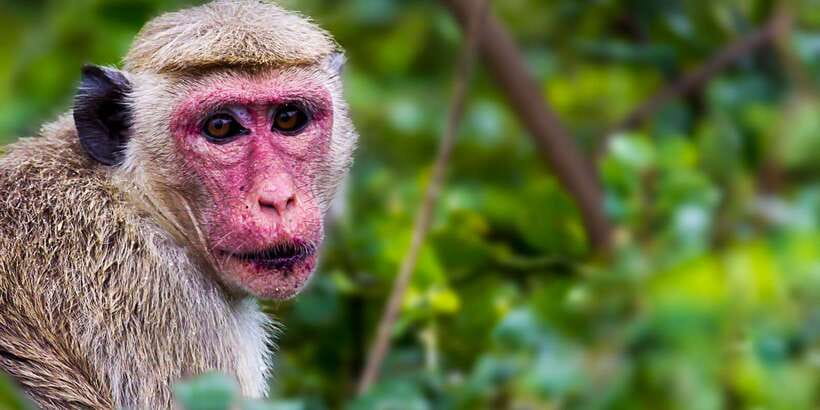
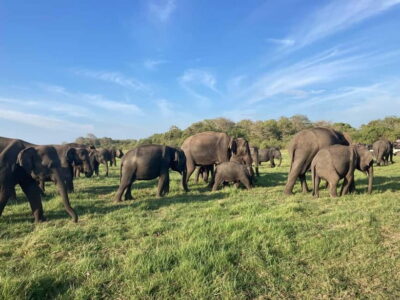
The park is also home to wild buffalo and several kinds of monkey. One account from a muddy safari included elephants, buffalo, monkeys, and lizards, along with many birds. Elephants are not listed as the central focus of this particular outing, so think of them as a possible bonus rather than the main reason to choose Bundala.
The golden sand dunes add a dry coastal note to the park. Their color is particularly appealing in late afternoon, when the low sun brings out the contrast between sand, scrub, and water. You will not be seeing one single type of scenery for three hours, and that variety helps the shorter tour feel worthwhile.
More National Parks in Sri Lanka:
- Udawalawe National Park: Elephant Safari with Expert Guide
★ 4.9 · 641 reviews - Full day Safari – Yala National Park – 04.30 am to 06.00 pm with – Janaka safari
★ 5.0 · 603 reviews - Yala National Park: Half, 7-Hour, or Full-Day Safari & Meals
★ 4.8 · 489 reviews - From Sigiriya: Minneriya National Park Private Jeep Safari
★ 4.9 · 415 reviews
The lagoons and brackish water
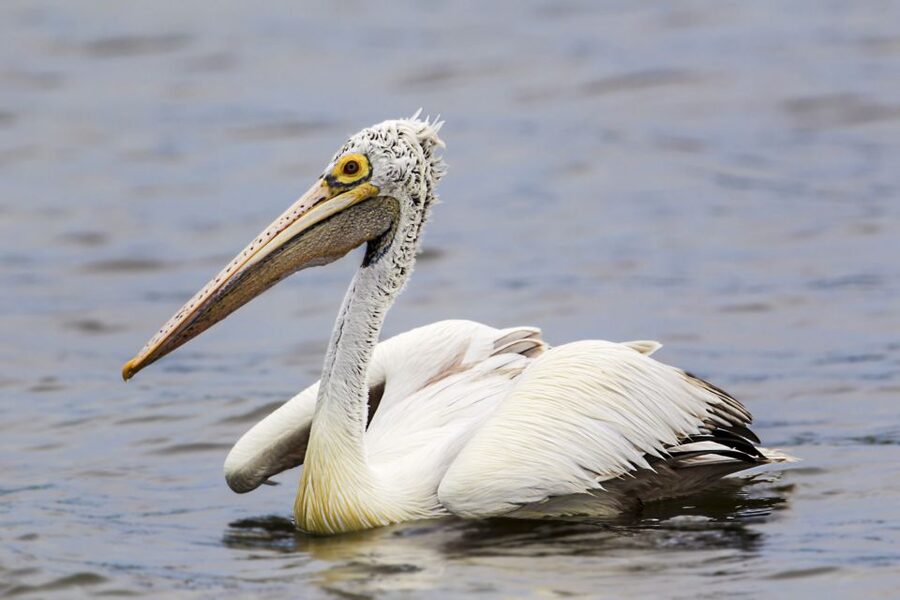
Bundala’s brackish lagoons are central to the park’s character. Brackish water is a mix of fresh and salt water, creating conditions that support a different set of plants and animals from those found in a standard freshwater lake.
At the lagoon edges, look for aquatic birds and reptiles. The park can produce sightings of crocodiles and rare types of turtles, though these are wildlife encounters, not scheduled stops. A quiet stretch of water may seem empty at first glance, then reveal a crocodile resting low along the edge or a bird feeding in the shallows.
The lagoon is also a good place to understand why Bundala matters. Wetlands provide feeding and resting areas for birds, and they connect several habitats within the park. You are not simply looking at a scenic body of water. You are watching one of the systems that supports the park’s large bird population.
For photography, water gives you reflections and open sightlines, but it can also make animals look distant. Bring patience. The best image may be a bird in soft light or a crocodile partly hidden at the shore, not a close-up portrait.
Mammals worth watching for
Bundala gives you a long list of possible mammals, but it is best to treat the list as a guide to the park’s range, not a promise. Wild boar, porcupine, spotted deer, mongoose, wild buffalo, and jackal all use different parts of the park and may appear at different times.
The park also has fishing cats and rusty-spotted cats, both of which are difficult sightings. They are valuable possibilities for a keen wildlife watcher, but you should not book this three-hour outing expecting to see either one. Smaller and more secretive animals often require luck, careful scanning, and a guide who knows where to look.
The endemic jackal is another interesting possibility. Even when mammals stay hidden, the drive still has value for birdlife and habitat. That balance is important: Bundala is a strong choice for a mixed wildlife outing, but not a guaranteed big-animal safari.
If elephants are your top priority, compare Bundala with a park known more directly for elephant sightings. If you enjoy a broader range of animals and birds, the mix here may suit you better. The smaller animals and wetland species are not consolation prizes. They are the main character of Bundala.
Morning or evening: choosing your safari time
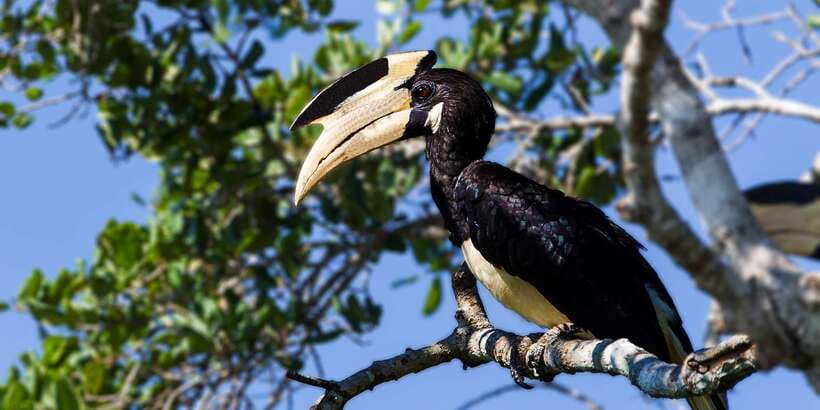
The morning and evening options both have clear advantages. Morning light is useful if you want to start your wildlife watching early, while evening light can make the dunes, scrub, and animals look warmer and more dramatic.
The golden hours also help with photography. Soft light reduces the hard shadows that can hide an animal’s face or markings. It gives you a better chance of capturing birds against the water and mammals against the open scrub.
The timing you choose should also fit the rest of your day. A three-hour safari is compact, so it works well as a planned half-day activity. If you are already spending many hours on the road, the shorter format may be a relief. If you want a long, all-day search with repeated routes and extended stops, this outing may feel too brief.
Wildlife does not follow a timetable. Even in a prime season, the park can be quiet. I would choose the time that gives you the best light and the least stress, then let the animals decide what appears.
What $43 really gets you
At $43 per person, the tour price covers a three-hour safari jeep service, an English-speaking guide, and hotel pickup in the Tissamaharama or Weerawila area. With a maximum of six people in the jeep, the cost is reasonable for a guided outing if you want transport and local driving handled for you.
The important qualification is the park entrance fee. Admission is not included, and food and drinks are also separate. One booking produced a complaint about being asked for 11,000 LKR per person when the guest understood the direct fee to be 6,500 LKR per person. I would treat that as a warning to ask for the official entrance cost, request a clear breakdown, and carry enough local currency or an accepted payment method.
The price is strongest for someone staying near Tissamaharama or Weerawila who wants a simple, small-group safari without arranging a jeep independently. The value is less clear if you are far outside the pickup zone and must pay an additional transfer charge.
You can cancel up to 24 hours ahead for a full refund, and the reserve-now, pay-later option keeps your plans flexible. Those terms are helpful in a region where weather can affect park access, but they do not remove the need to check conditions close to departure.
Who should book this safari
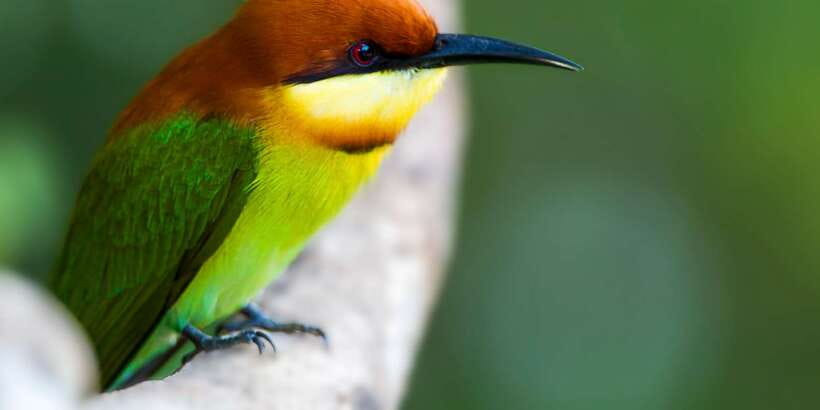
I would recommend Bundala to birdwatchers, casual nature lovers, photographers, and anyone who wants a shorter wildlife outing near Sri Lanka’s southern parks. It is also a good fit if you prefer variety over a single search for elephants.
Families and small groups may appreciate the six-person limit, though the safari remains a shared jeep experience. People who dislike long drives may find three hours more comfortable than a full-day park trip.
I would be cautious if your only goal is a guaranteed sighting of one particular animal. Wildlife parks do not work that way, and Bundala’s strongest appeal is its wetlands, birdlife, and mixture of smaller animals. I would also confirm the entrance fee before paying, since that extra cost changes the final value.
Should you book Bundala Birding Paradise Tour?
Book it if you want a compact, bird-focused safari with a small jeep, flexible morning or evening timing, and pickup from Tissamaharama or Weerawila. The best parts are the wetland habitats, seasonal migratory birds, warm late-day light, and drivers who take time to identify birds and handle muddy tracks carefully.
Think twice if you want a full-day safari, a private vehicle, or a near-certain elephant sighting. Before you go, confirm the park is open, ask exactly how the entrance fee will be handled, and check the cost of pickup if your hotel lies outside the stated area. With those details clear, $43 is a fair starting price for three focused hours in one of southern Sri Lanka’s most interesting bird parks.
FAQ
How long is the Bundala National Park safari?
The safari lasts three hours. You can choose a morning or evening starting time, depending on availability.
Where can I meet the guide?
Pickup is available from hotels in the Tissamaharama and Weerawila areas. You can also meet the guide at the gates of Bundala National Park.
How many people can ride in one jeep?
Each safari jeep accommodates a maximum of six passengers.
Is the park entrance fee included in the $43 price?
No. The park entrance fee is not included. Food and drinks are also separate.
What animals and birds might I see?
Possible sightings include wild boar, porcupine, spotted deer, mongoose, wild buffalo, jackal, fishing cats, rusty-spotted cats, monkeys, elephants, lizards, crocodiles, turtles, and many bird species. Sightings depend on conditions and luck.
What happens if Bundala National Park is closed?
The safari may need to change parks. On one occasion, a closure after a cyclone led to a visit to Udawalawe National Park instead. Confirm the replacement park and any related entrance costs if weather affects your booking.
Recently listed around Sri Lanka
- From Dambulla/ Sigiriya: Ancient City of Polonnaruwa by Bike★ 4.1 · 3 reviews
- From Dambulla: Minneriya National Park wild Jeep Safari★ 5.0 · 3 reviews
- Trincomalee: Guided scooter City Tour★ 5.0 · 3 reviews
- Yala Safari – Yala National Park★ 5.0 · 3 reviews
- From Colombo: Day Trip to Galle City, Koggala and Unawatuna★ 4.2 · 3 reviews
- Discover Sigiriya Dambulla and Minneriya Park in Day Tour★ 5.0 · 3 reviews
- Udawalawe Private Safari with Picnic and Hotel Pickup★ 5.0 · 3 reviews
- Minneriya National Park Safari | Jeep with Tickets★ 5.0 · 3 reviews
Safari, compared.
Udawalawe National Park | Private Safari Tour
Read our review →
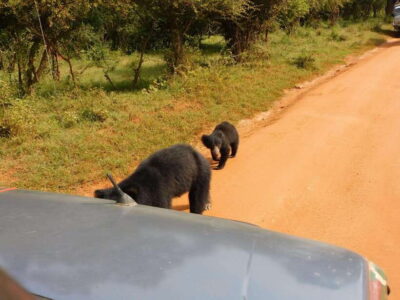
Yala National Park Safari Tours: Morning/Evening/Full Day
Read our review →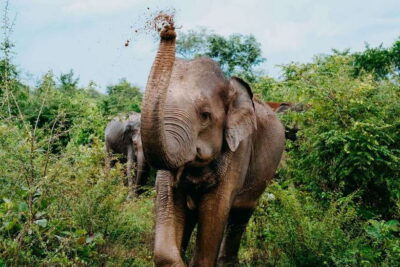
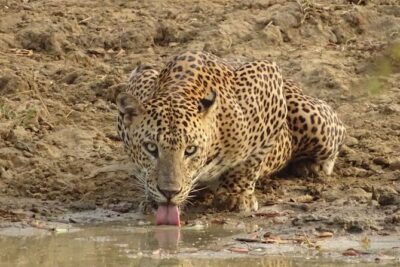
Full day Safari – Yala National Park – 04.30 am to 06.00 pm with – Janaka safari
Read our review →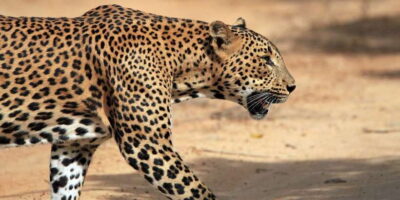
Browse the lists this tour appears in