
Reviewed · KANDY TOURS
Authentic Sri Lankan Cooking Experience
Sri Lankan cooking makes the most sense when you see where the ingredients grow and how the food reaches the table. This Kandy class takes you into a quiet village home, where you pick garden herbs, cook with clay pots and coconut spoons, and prepare a full meal over a wood fire.
I like the garden-to-table approach, and I like that this is a private activity rather than a large demonstration. The family setting, traditional outdoor kitchen, and talk of Ayurvedic food use give the class more meaning than a simple recipe lesson.
The main consideration is transport. You meet at Kandy Living Villa & Homestay, and pickup costs extra if arranged. The class also needs good weather, so keep your plans a little flexible.
Key points at a glance
- Garden ingredients: Pick fresh vegetables, herbs, and spices grown at the resort before cooking.
- Traditional equipment: Prepare food with clay pots, coconut spoons, a clay hearth, and firewood.
- A generous cooking session: One class included seven dishes and roti, though the exact menu may vary.
- Private format: Only your group takes part, making it easier to ask questions and work at your own pace.
- Cultural setting: Learn about family customs, food, plants, and Ayurvedic ideas in a village home.
- Good dietary choice: Vegetarian and vegan options are included, with lunch and dinner listed as part of the experience.
Why this Kandy cooking class feels different
Many cooking classes begin with a counter, a printed recipe, and ingredients already measured out. This one begins closer to the source. You enter a garden, see the plants, and learn how local herbs and vegetables fit into everyday Sri Lankan cooking.
That matters because Sri Lankan food is not simply a matter of adding curry powder. The flavor comes from fresh leaves, spices, coconut, vegetables, and careful cooking over steady heat. Seeing the ingredients before they are chopped helps you understand what goes into the food and why the final dishes taste as they do.
The class takes place in a quiet village home designed to feel like a grandmother’s kitchen. It is not a polished restaurant kitchen. That is part of the appeal. You get a look at a slower household style of cooking, with family stories, shared work, and time for conversation while the food simmers.
The setting also gives the experience a human touch. The hosts are described as warm and welcoming, and Sandy has been especially accommodating when a participant arrived late. That suggests a relaxed approach rather than a rigid class where one missed step ruins the session.
More Cooking Classes in Kandy
- Sri Lanka Cooking Class with Granny
★ 5.0 · 587 reviews - Kandy Village Cooking Class
★ 5.0 · 536 reviews - Private Traditional Sri Lankan Cooking Class in Kandy with Hotel Transfers
★ 5.0 · 115 reviews
Starting at 11 a.m. in Kandy
Your meeting point is Kandy Living Villa & Homestay on Maithree Mawatha, Kandy 20000. The stated start time is 11 a.m., and the activity lasts about two and a half hours.
That timing puts the class around midday. Lunch is listed as included, while the overall information also lists dinner. Since the start time and meal wording do not line up perfectly, I would confirm with the provider which meal you will eat and whether the menu changes for a morning start.
You are responsible for reaching the meeting point unless you arrange paid pickup. Public transportation is nearby, but the information does not specify the best bus route or walking distance from your hotel. If you are staying elsewhere in Kandy, ask about transport before booking. The extra charge depends on the distance and the type of vehicle.
The meeting point also serves as the end point. That is useful if you are planning another Kandy activity afterward, since you will not be dropped in a different part of town.
Walking through the garden before cooking
The garden visit is one of the strongest parts of the experience. You get to see the vegetables, herbs, and spices that may later appear in the meal. The class also explains the health uses of the plants, drawing on Sri Lankan Ayurvedic traditions.
Do not expect a formal botanical tour with every plant labeled. The appeal is more practical. You learn how the cooking team uses what grows around the home and why certain herbs are valued in local food and wellness practices.
This is also a good point to ask questions about unfamiliar ingredients. You may already know coconut, chili, or cinnamon, but Sri Lankan kitchens use a wider mix of leaves, roots, seeds, and spices. The garden gives you a clear link between the plant and the dish.
The setting is quiet and green, which helps set the pace. You are not rushing from one cooking station to another. Instead, you have time to look, smell, listen, and understand the food before you start preparing it.
Cooking seven dishes, roti, and more
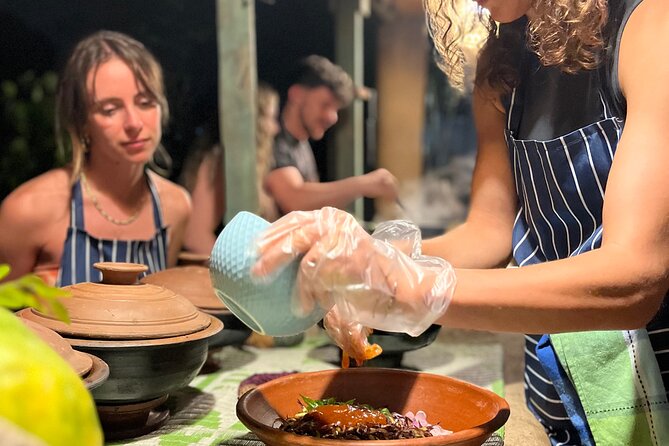
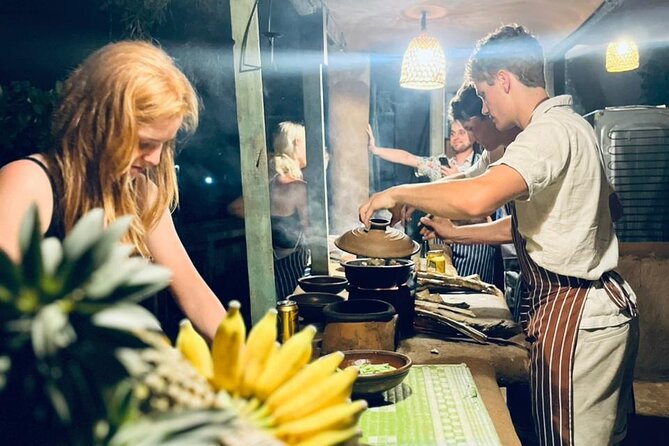
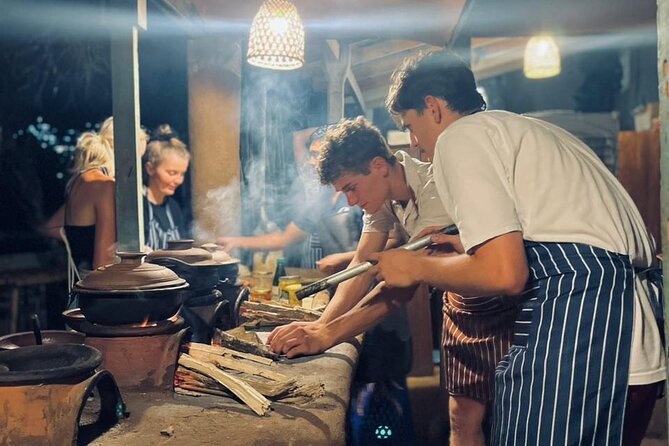
The hands-on portion takes place in a traditional outdoor kitchen. You work with clay pots, coconut spoons, and a wood-fire stove rather than modern electric equipment.
One especially useful detail is the reported menu of seven dishes plus roti. That is a substantial amount of food for a two-and-a-half-hour class, and it lets you see how a Sri Lankan meal is built from several smaller preparations rather than one main plate.
The exact dishes are not listed, so you should not book this expecting a named menu. Still, the structure suggests a broad lesson in Sri Lankan home cooking. You will likely handle several ingredients and techniques, but the provider should confirm the day’s dishes if a particular recipe matters to you.
Roti adds a nice practical element. It gives you a chance to work with dough and learn a skill that feels different from preparing curry. The class also shows how each curry is made, step by step, rather than asking you to watch from the side.
Wood-fire cooking has real charm, but it is less predictable than a modern stove. Heat can vary, and cooking may take a little longer. If you want a polished, fast-paced class, this may feel rustic. If you want to understand how traditional meals are made at home, the slower method is the point.
A different sort of day out of Kandy:
- Kandy Private Guided City Tour by Tuk Tuk
★ 4.9 · 1,307 reviews - From Kandy: Sigiriya Rock & Dambulla Cave Temple Adventure
★ 4.9 · 785 reviews - Kandy to Ella Train Tickets – Reserved Seats
★ 4.5 · 523 reviews - From Kandy: Pinnawala Day Tour
★ 4.8 · 331 reviews
Herbal tea while the food cooks
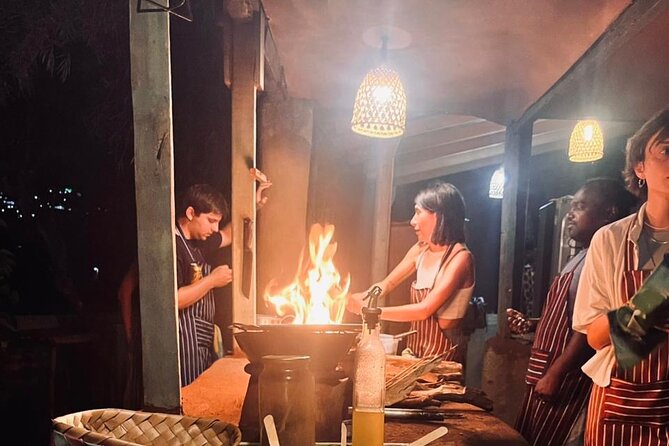
While the meal simmers, you can enjoy homemade herbal tea or iced tea. This pause is more than a filler. It gives you time to talk with the hosts, hear family stories, and watch the cooking continue without being hurried.
Fresh local iced tea is one of the small details that helps tie the drink to the rest of the class. The same attention to herbs and plants carries from the garden into the cup.
The break may also be useful if you are new to spicy food. You have time to taste the dishes as they develop and ask about the ingredients before everything reaches the table. The information does not promise that dishes can be adjusted to every preference, so mention spice needs when you book.
Eating the meal you prepared
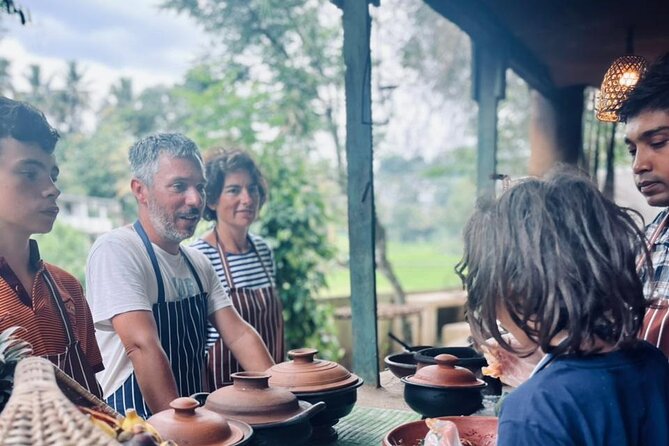
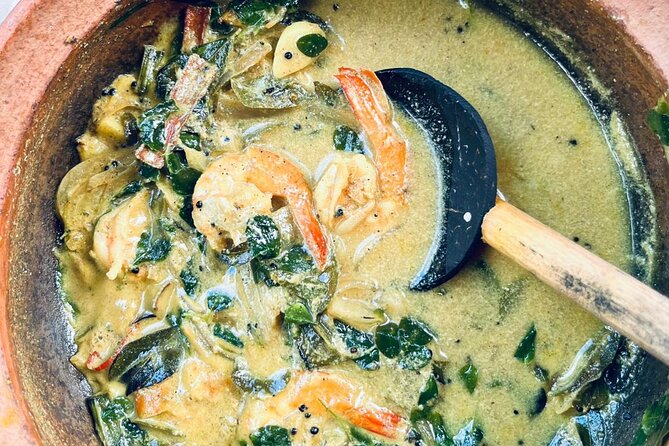
The best reward here is sitting down to food you helped make. Instead of receiving a finished plate from a restaurant kitchen, you can connect each dish with the garden, the fire, the pot, and the technique you used.
That makes this a good choice for anyone who wants more than a quick meal. The food becomes part of the lesson. You can see how several curries, vegetables, roti, rice, herbs, and spices work together as a Sri Lankan table.
The class includes vegetarian and vegan options, which removes one common worry. You should still state your dietary needs in advance, especially if you have allergies or avoid particular spices. The supplied details confirm vegetarian and vegan choices, but they do not spell out alternatives for allergies, gluten restrictions, or other diets.
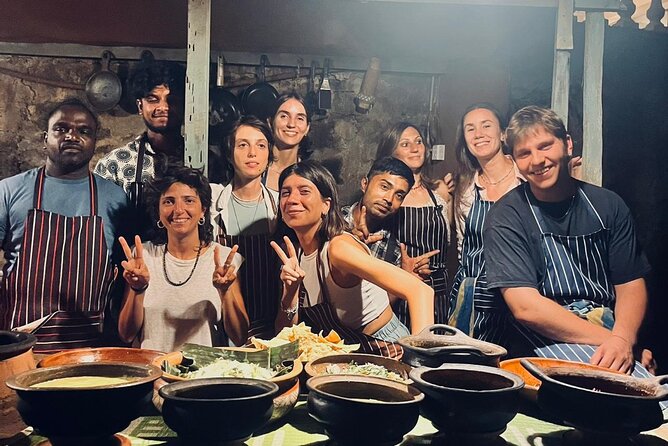
The meal also has a social side. Cooking together in a family home encourages conversation in a way that a formal restaurant meal often does not. You may leave with a better sense of how food fits into daily life in Sri Lanka, not just how to reproduce one recipe.
What the $25 price buys you
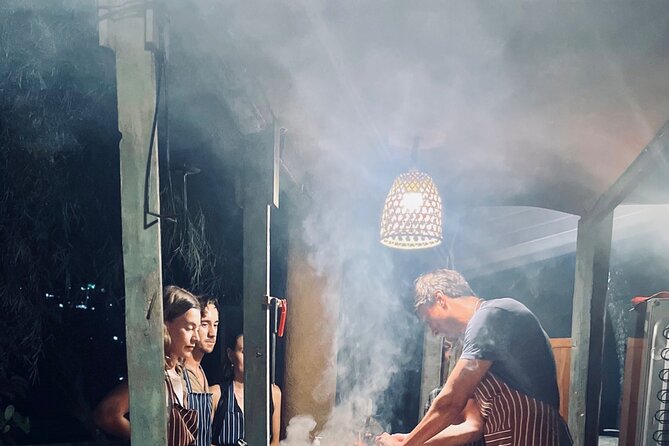
At $25 per person, this is a strong value if you want a private cultural activity with a substantial meal. You are paying for about two and a half hours of instruction, access to the garden, hands-on cooking, drinks, and the food prepared during the session.
The private format adds value. Only your group participates, so you can ask the chef to repeat a technique, spend longer on a spice, or get more help with roti. A four-person group has been described in connection with the class, but the supplied information does not set a group-size limit.
The price does not include private transportation. That is the main extra cost to watch. Since the pickup fee changes with distance and vehicle type, compare it with the cost of reaching Maithree Mawatha yourself.
The class is also a better value if you enjoy learning by doing. If you only want to eat Sri Lankan food, a local restaurant will usually take less time and may offer a longer menu. Here, the value lies in the garden, the family setting, the tools, and the chance to prepare the meal yourself.
The people and the pace
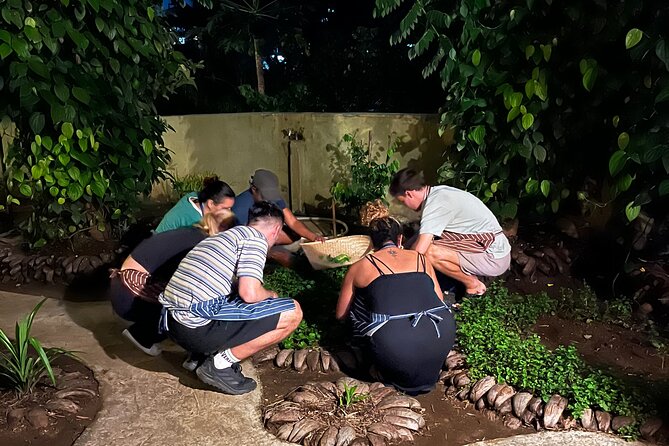
Sandy is named as a host who can adapt when someone arrives late, and an Auntie is described as showing how the food is prepared in the traditional kitchen. The wording suggests a family-led class rather than a branded cooking school with several instructors and a fixed script.
That can be a real advantage. You get personal attention and a chance to ask questions about home cooking, plants, and family methods. The class appears friendly and informative without being overly formal.
It also means the pace may depend on the group and the cooking itself. A wood-fire kitchen and several dishes require patience. I would allow the full two and a half hours and avoid scheduling a tight appointment immediately afterward.
The class is suitable for beginners because the cooking is guided step by step. You do not need to arrive with prior experience. It also works well for couples, families, and small groups who want a shared activity rather than another sightseeing stop.
Practical details before you book
The experience is available with a mobile ticket, and confirmation is received at booking. It is near public transportation, though detailed route information is not provided.
The activity requires good weather. That is important because the cooking takes place in a traditional outdoor kitchen. If poor weather causes cancellation, you will be offered another date or a full refund.
Free cancellation is available up to 24 hours before the start time. Cancel at least 24 hours ahead for a full refund. Within 24 hours, the payment is not refunded, and changes are not accepted.
Wear clothing that is comfortable for cooking and suitable for a warm outdoor setting. The supplied information does not give a dress code, footwear rules, or details about accessibility, so ask the provider if any of those points matter to you.
Who should choose this experience?
I would choose this class if you want to connect food with place. The garden, family kitchen, Ayurvedic ideas, and traditional tools give you a fuller picture of Sri Lankan cooking than a standard recipe demonstration.
It suits people who enjoy active experiences. You will not simply watch someone prepare a meal. You will handle ingredients, help cook several dishes, and eat the results.
It is also a good pick for vegetarians and vegans, since those options are included. Couples and small private groups should appreciate the quieter format, especially if they prefer conversation over a crowded class.
I would think twice if you have a strict schedule, dislike outdoor cooking, or want a specific published menu. The class is traditional and flexible, not a tightly timed professional kitchen session. Transportation costs are another factor if you are staying far from the meeting point.
Should you book the Kandy cooking class?
Book it if you want a personal look at Sri Lankan food, family customs, and garden ingredients in one compact experience. The strongest reasons are the private group format, the wood-fire kitchen, the fresh herbs, and the chance to prepare a sizeable meal rather than watch a short demonstration.
Before paying, confirm the exact menu, meal timing, pickup cost, and arrangements for any dietary restrictions. If those details work for you, $25 is a fair price for a hands-on class that feels connected to everyday life in Kandy rather than built only for sightseeing.
FAQ
Where does the cooking class start?
The class starts at Kandy Living Villa & Homestay on Maithree Mawatha, Kandy 20000, Sri Lanka.
What time does the activity begin?
The stated start time is 11 a.m.
How long does the experience last?
The experience lasts about two hours and 30 minutes.
Where does the activity end?
The activity ends back at the meeting point, Kandy Living Villa & Homestay.
How much does the class cost?
The listed price is $25 per person.
Is transportation included?
Private transportation is not included. Paid pickup can be arranged, with the cost based on distance and vehicle type.
Is this a private activity?
Yes. Only your group participates in the activity.
Are vegetarian and vegan options available?
Yes. Vegetarian and vegan options are included.
What is included with the booking?
Lunch and dinner are listed as included. The experience also includes the cooking activity and drinks such as homemade herbal tea or iced tea.
What happens if the weather is poor?
The activity requires good weather. If it is canceled because of poor weather, you will be offered a different date or a full refund.
Recently listed around Kandy
- Kandy City Day Tour from Colombo, Negombo or Katunayake★ 5.0 · 10 reviews
- 3 Days Nature and Chill Tour of Ella, Nuwara Eliya and Haputale★ 5.0 · 10 reviews
- Knuckles Spice Trail Trek from Kandy★ 5.0 · 11 reviews
- Kandy Private City Tour With Local Guide★ 4.7 · 11 reviews
- Kandy & Pinnawala & Tea Factory Full Day Tour From Negombo★ 4.3 · 11 reviews
- Sigiriya and Dambulla Day Trip from Kandy★ 5.0 · 11 reviews
- Kandy City Tour with Mahaweli★ 5.0 · 11 reviews
- Kandy City Tour & Famous Ambuluwawa Tower with Friendly Chauffeur★ 5.0 · 11 reviews
Kandy Tours, compared.




Browse the lists this tour appears in