
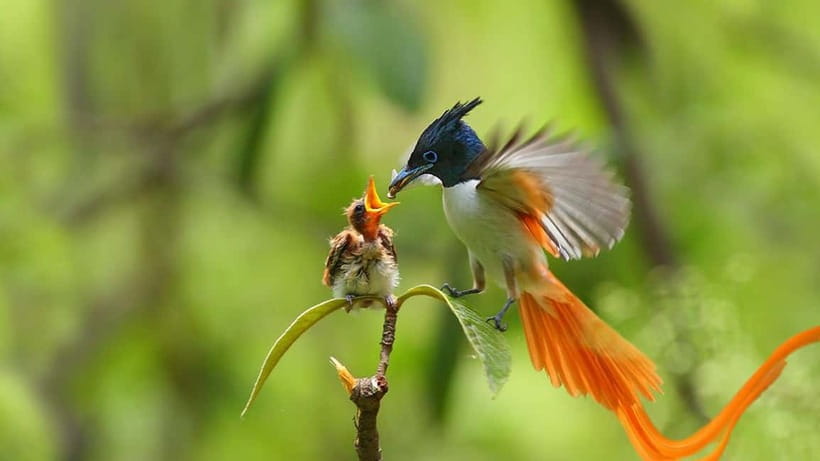
Reviewed · CRUISES & BOAT TOURS
Kalametiya Sanctuary: Bird Watching by Private Boat Tour
Kalametiya is at its best when the boat goes quiet. Instead of an engine churning across the lagoon, your local boatman uses a pole to move through the water, giving you a better chance to watch birds without sending them flying. The silence and the close views are the main reasons to choose this tour.
I like the private format, which lets you set a relaxed pace, and I like the guides’ care with identification. Pasindu, for example, is quick to spot birds and explain the differences between similar species. The main consideration is that wildlife never follows a schedule, so the tour is rewarding for patient nature lovers, but less suited to anyone expecting guaranteed sightings or constant action.
Key points at a glance
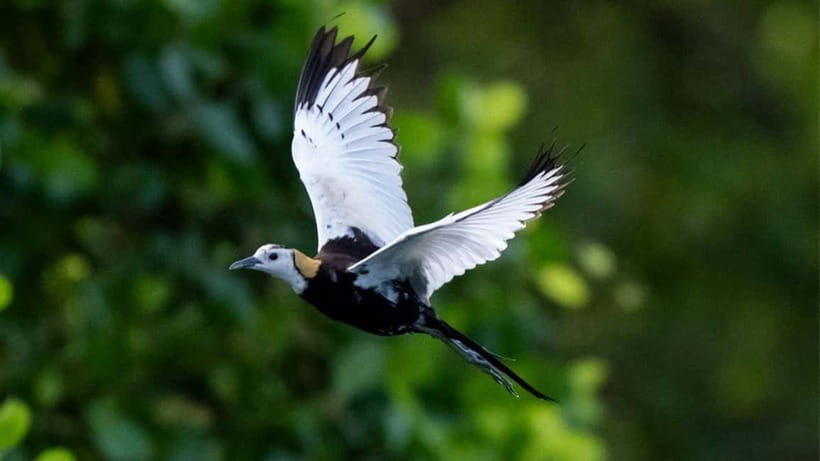
- Quiet, non-motorized boat: The lagoon is explored by canoe-style boat, often moved with a pole rather than an engine.
- Private two-hour outing: You have a more personal experience than on a large shared cruise.
- Strong bird knowledge: Guides such as Pasindu can point out species and explain how to tell similar birds apart.
- Morning or sunset atmosphere: Early departures can begin around 5:30 a.m., while later trips may finish beneath a glowing sunset.
- More than birds: Mangroves, lagoons, coastal wetlands, and other wildlife form part of the experience.
- Good value at $25: Entrance fees, a local guide, and the private boat are included.
A quiet start on Kalametiya’s lagoon
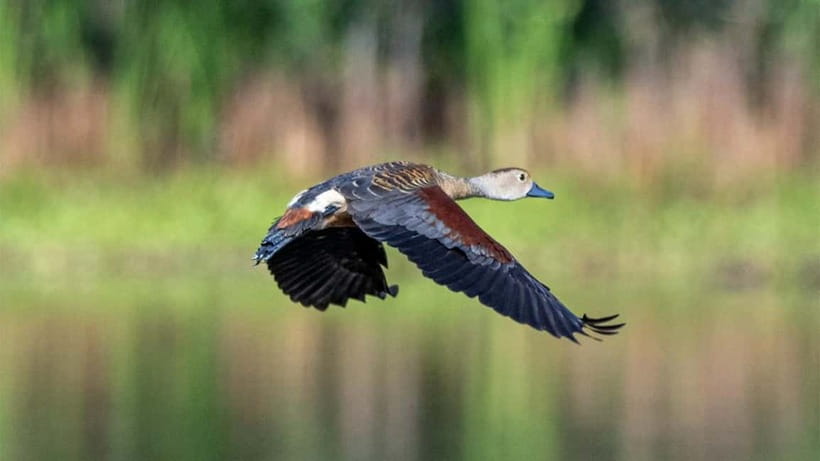
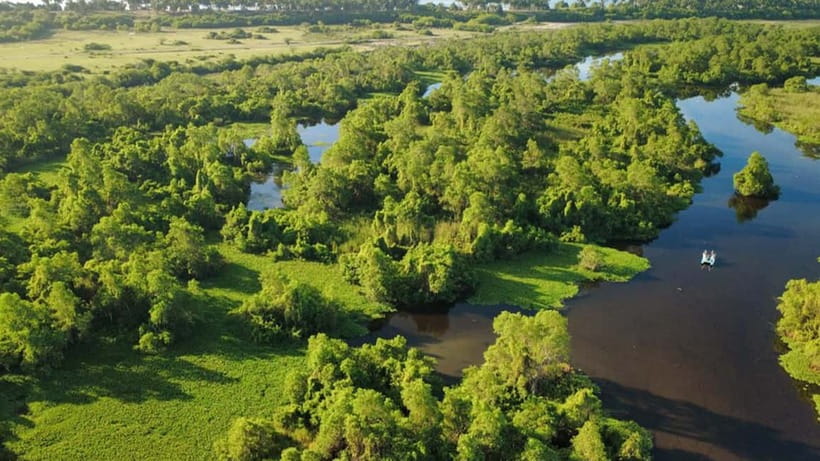
The appeal of this tour is simple: you move slowly through a wetland where the water, reeds, mangroves, and birds set the pace. Kalametiya is one of Sri Lanka’s oldest bird sanctuaries and is known for a wide range of resident and migratory species.
You may see herons, kingfishers, painted storks, and Sri Lankan junglefowl. The sanctuary is said to support more than 150 bird species, including rare and endemic birds, though no guide can promise a particular sighting on a particular morning.
That uncertainty is part of the deal. Birdwatching is not a staged show. You may spend several quiet minutes scanning the edge of the lagoon before a bird appears, then watch your guide suddenly point toward a branch, mudflat, or patch of reeds.
The private boat helps here. You are not working around a large group, loud conversation, or a fixed sightseeing script. If you want to pause and look longer, your guide can keep the boat still and give you time to find the bird yourself.
A few more Sri Lanka days to line up
- Colombo: Private Tuk-Tuk City Tour with All Entry Fees
★ 4.9 · 2,154 reviews - Udawalawe National Park | Private Safari Tour
★ 5.0 · 1,499 reviews - Kandy Private Guided City Tour by Tuk Tuk
★ 4.9 · 1,307 reviews
What the two-hour route feels like
The experience begins at the sanctuary, or with optional pickup from the Udawalawe National Park entrance or hotels near Udawalawe. Some early departures have started around 5:30 a.m., with tuk-tuk transport arranged to the site and back to accommodation.
That pickup detail is useful if you are staying in the Udawalawe area and do not have your own transport. Confirm the exact meeting point and pickup time when booking, since the listed activity describes pickup as optional rather than automatic for every reservation.
Once you reach the water, the tour moves at an easy pace. The boat is described as comfortable and well maintained, but this is still a simple nature outing rather than a luxury cruise. You are there for access to the lagoon and the quiet, not for onboard facilities.
The boatman guides you through calm waterways while the bird guide watches the banks, waterline, trees, and open sky. On some trips, the boat is moved by pole. That makes the ride slower than a motorboat, but it also reduces noise and disturbance.
You may spend much of the first part getting used to the rhythm of the sanctuary. Your guide can help you notice movement that is easy to miss, such as a kingfisher sitting low near the water or a heron standing almost perfectly still.
The advertised duration is two hours. One outing lasted close to three hours, so allow a little flexibility if the boat remains out longer than planned. That extra time should not be assumed, but it shows that the pace may be shaped by the water, the birds, and the guide’s judgment.
The birds you may see along the way
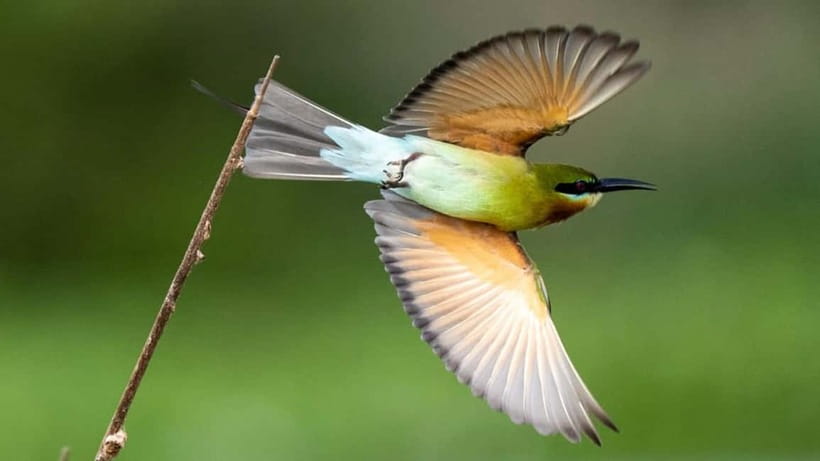
Kalametiya’s appeal comes from variety. The sanctuary includes lagoons, mangroves, and coastal wetlands, so different habitats bring different types of birdlife into view.
Herons may be found near the water’s edge. Painted storks can make a memorable sight because of their size and bold markings. Kingfishers add a flash of movement, often appearing briefly before settling somewhere else.
Sri Lankan junglefowl is among the endemic species named for the tour. You may also encounter migratory birds, especially during the seasons when they use Sri Lanka’s wetlands as feeding or resting areas. The exact mix depends on timing and conditions.
A good guide does more than name a bird. Pasindu has been praised for explaining the difference between similar species, which is especially helpful when you are new to birdwatching. A guide may also tell you about animal behavior and local wildlife, turning a list of names into a clearer picture of how the sanctuary works.
Some guides carry a bird book to show you the differences between species. Binoculars may also be available to borrow, which is a useful benefit if you did not bring your own. Still, availability of equipment can vary, so I would not rely on it as your only viewing option.
If photography matters to you, the private boat is a real advantage. The boatman can maneuver for a better angle, and you can take your time instead of trying to shoot around other passengers. Keep your expectations sensible: birds may be distant, partly hidden, or gone before your camera is ready.
Why the silent boat matters
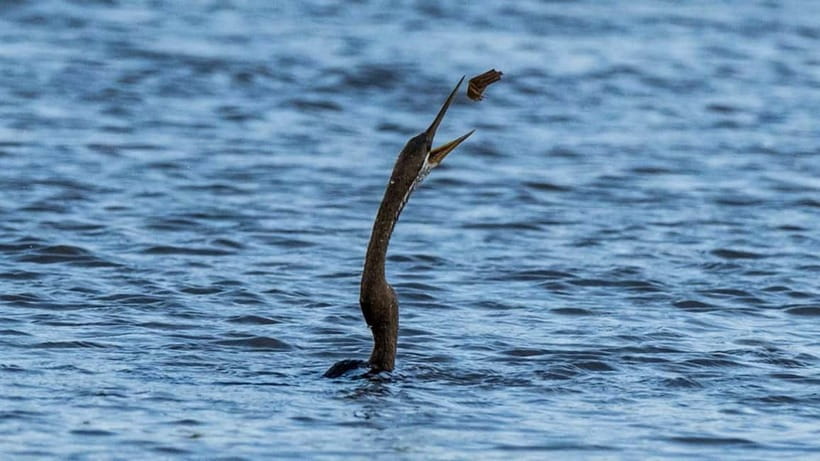
A motorized boat can cover more water, but speed is not the main goal here. The non-motorized boat lets you approach the lagoon in a calmer way, with less engine noise and fewer sudden movements.
That quiet also changes your own experience. You can hear the water and the surrounding bird calls rather than listening to a motor for two hours. The slower pace encourages you to look carefully instead of treating the sanctuary as a checklist.
The boatman’s skill still matters. The captain named Mahinda has been praised for moving through the waterways with care and positioning the boat so people can see the birds. Good maneuvering is especially important when the boat needs to turn without creating a lot of noise.
There is a tradeoff. A pole-driven boat is not a fast transport service, and you may cover less ground than you would in a powered craft. If your only goal is to see the largest possible number of species, that may feel limiting. If you value calm observation, the slower ride is a central part of the experience.
A different sort of day out of Sri Lanka:
- Whales and Dolphins Watching-Luxury Super Grade Cruiser(Hotel Pick up offered)
★ 5.0 · 1,268 reviews - Mirissa: Unforgettable Snorkeling Experience with Turtles
★ 4.9 · 1,064 reviews - From Colombo: Sigiriya and Dambulla Day Trip with Safari
★ 4.7 · 842 reviews - Yala National Park Safari Tours: Morning/Evening/Full Day
★ 4.8 · 818 reviews
Morning light or a sunset cruise
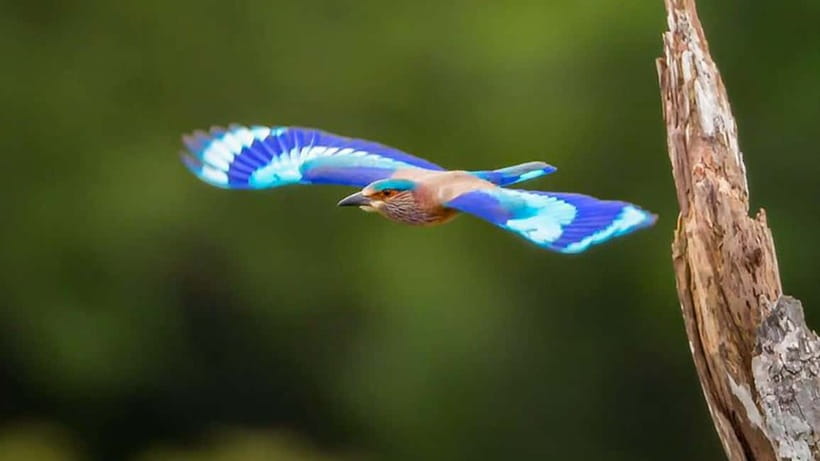
You can choose a morning or evening departure when schedules allow. Early morning is a natural choice for birdwatching because the sanctuary is quiet and the day begins with fresh activity.
The early start can be demanding. A pickup around 5:30 a.m. may work well if you are already near Udawalawe, but it requires planning if you are coming from farther away. Ask for the precise departure time before you commit.
An evening trip offers a different mood. One outing included a sunset, with traditional Sri Lankan sweets and bananas served while the boat was on the water. These refreshments are a pleasant local touch, but meals and snacks beyond provided refreshments are not included, so bring anything else you may need.
Sunset light can be lovely for photographs and gives the lagoon a softer feel. The drawback is practical: fading light may make bird identification harder near the end of the trip. Morning is likely the better pick if your priority is finding and studying as many birds as possible.
The guide can make or break the outing
The sanctuary provides the setting, but the guide determines how much you notice. A skilled guide scans constantly, knows where to look, keeps the boat quiet, and explains what you are seeing without turning the trip into a lecture.
The guides on this experience speak English. Pasindu has been singled out for his enthusiasm and sharp eye, while another guide, a student, was praised for her bird knowledge and friendly explanations. Names and guide assignments can vary, but the local approach is a strength of the outing.
You should feel free to ask questions. The guides can discuss birds, animals, and other parts of Sri Lankan life, making the trip more personal than a simple boat transfer.
The best guides also understand when not to speak. One early morning trip was handled with care so that animals were not startled. That balance matters. You want useful information, but you also want stretches of quiet in which you can watch the sanctuary for yourself.
A private group gives you more room to shape the conversation. Beginners can ask basic questions without feeling out of place, while experienced birdwatchers can focus on fine identification details.
What the $25 price really buys
At $25 per person, this is a modestly priced private nature outing. The fee includes the private boat, an experienced local guide and boatman, and sanctuary entrance fees.
That package offers good value if you would otherwise need to arrange a boat, entrance ticket, and guide separately. It also avoids the feel of a large group excursion, which can be important in a quiet wetland.
The price does not include meals or personal spending. Refreshments may be provided, and one trip included homemade Sri Lankan sweets and bananas, but I would still carry water and any snack you need.
Optional pickup is another point to clarify. Transport from the Udawalawe National Park entrance or nearby hotels can make the experience easier, but the supplied details do not say that every booking includes transport in the $25 price. Ask before paying if you need a tuk-tuk arranged.
The price is especially fair for couples, friends, or families who can share a private boat. Solo visitors should check how the per-person pricing works for a private booking, since the value may feel different when you are paying alone.
Who will enjoy Kalametiya most
I would recommend this tour to anyone who likes quiet outdoor experiences, local guiding, and wildlife observation without a long safari drive. It is also a good choice if you want a gentler counterpoint to Sri Lanka’s busier attractions.
Birdwatching beginners should feel comfortable here. You do not need to arrive with a field guide or years of experience. The guide can help you spot birds, compare species, and understand what you are seeing.
Photographers can also benefit from the private setup and careful boat handling. Bring a camera with a useful zoom if you have one, but do not expect every bird to sit in perfect light.
This is less suitable if you need guaranteed sightings, fast transport, or a packed schedule. The tour is built around patience. Some of the pleasure comes from waiting, listening, and letting the guide work out where to look next.
Families may enjoy the calm setting, though very young children may find two hours of quiet observation slow. The private group makes it easier to adjust the pace, but the boat remains a nature craft, not an amusement ride.
Practical details before you go
Wear light clothing suited to warm outdoor conditions and bring water. A hat and sun protection are sensible for an open boat, although the supplied details do not specify what shade is available.
Take binoculars if you own them. A bird book and binoculars may be available through the guide, but having your own equipment means you are ready from the first sighting.
Keep your phone charged if pickup is being coordinated by message. One booking was arranged through WhatsApp the evening before, which suggests that clear communication can make the early start much easier.
Plan for a quiet outing rather than a formal attraction with many facilities. The sanctuary, lagoon, guide, and boat are the focus. You should also allow some flexibility around the two-hour schedule, especially if conditions or good sightings keep the boat out a little longer.
Cancellation is free up to 24 hours before the activity for a full refund, and you can reserve now and pay later. Those terms help if your Sri Lanka route is still changing, but they do not remove the need to confirm pickup details and available start times.
Should you book the Kalametiya boat tour?
I would book it if you want a peaceful, personal way to see Sri Lankan birdlife and you are happy to trade speed for silence. The non-motorized boat, careful boat handling, and strong local guiding give the outing a genuine sense of place.
The best reasons to choose it are the private format, the chance to see a wide range of species, and the relaxed pace. A two-hour trip can produce a surprisingly full experience, with one outing recording 63 bird species along with other wildlife.
I would skip it only if you want a guaranteed list of rare birds or prefer high-energy sightseeing. For everyone else, $25 is a reasonable price for a quiet lagoon trip that combines nature, local knowledge, and a welcome break from the road.
FAQ
Where is the Kalametiya birdwatching tour held?
The activity takes place at Kalametiya Sanctuary in Sri Lanka. The supplied location is Kotapola, with optional pickup listed from the Udawalawe National Park entrance or hotels near Udawalawe.
How long does the boat tour last?
The stated duration is two hours. One outing lasted close to three hours, so you may want to leave some extra time in your schedule.
What birds might I see?
Possible sightings include Sri Lankan junglefowl, painted storks, herons, kingfishers, rare and endemic birds, and migratory species. The sanctuary is described as supporting more than 150 bird species, but sightings cannot be guaranteed.
Is the boat private?
Yes. The activity is arranged as a private boat tour for a private group.
Is the boat motorized?
The boat can be moved with a pole rather than a motor. This helps keep the ride quiet and reduces the chance of disturbing birds.
Is transport included?
Pickup is optional from the Udawalawe National Park entrance or hotels near Udawalawe. Confirm whether transport is included for your specific booking.
What does the $25 price include?
The price includes the private boat tour, an experienced local guide or boatman, and sanctuary entrance fees. Meals and personal expenses are not included, although refreshments may be provided.
Recently listed around Sri Lanka
- Minneriya National Park Safari in a 4×4 Vehicle★ 4.5 · 10 reviews
- Coastal Ride to Galle from Colombo★ 4.5 · 10 reviews
- One Day Udawalawe Safari from Galle/Mirissa/Unawatuna/Hikkaduwa★ 5.0 · 10 reviews
- Ella: Safari Day Trip to Yala & Udawalawe with Lunch★ 4.7 · 10 reviews
- Sri Lanka Private Tour Pick Up & Drop Off – Colombo Intl Airport★ 5.0 · 10 reviews
- Sigiriya Village Tour and Lunch with Hotel Pick up from Sigiriya★ 5.0 · 10 reviews
- From Ella: Shuttle to Down South Any Location w Yala Safari★ 5.0 · 10 reviews
- Wasgamuwa: Wasgamuwa National Park Private 3-Hour Safari★ 4.9 · 10 reviews
Cruises & Boat Tours, compared.
Sports Boat- Private Whale Watching Trip( free breakfast & paid pick-up)
Read our review →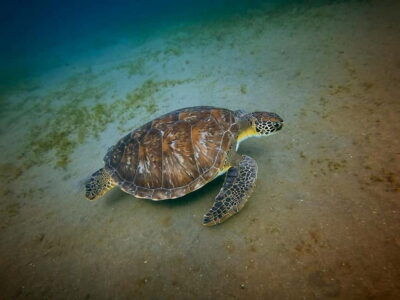
Galle Private Day Tours with Sea Turtles visit & Boat Safari
Read our review →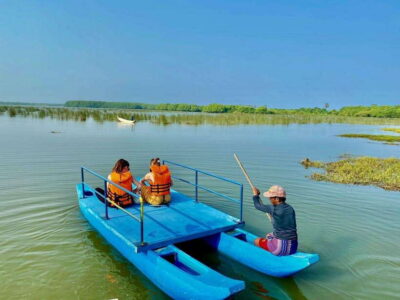
Arugambay :Pottuvil Lagoon Mangrove Eco Boat Safari Tours
Read our review →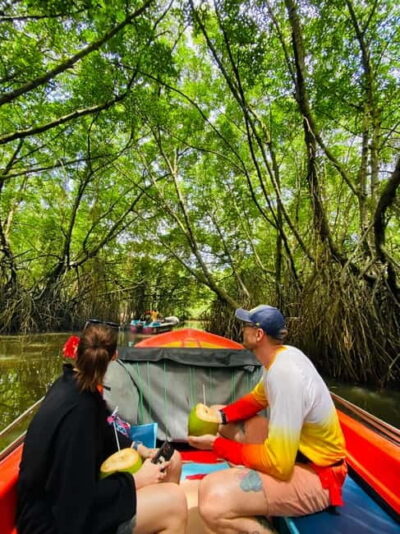
Bentota River Safari: Discover Wildlife & Mangroves by Boat
Read our review →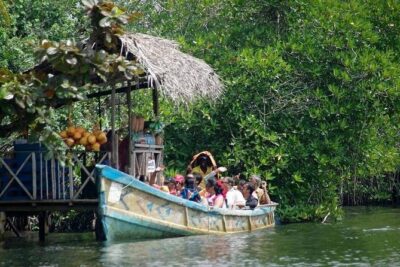
Negombo Lagoon Boat Safari Hotel Pickup(Monkey,Mangrove)
Read our review →
All Inclusive Mirissa Whale and Dolphin Watching Boat Ride
Read our review →Browse the lists this tour appears in