
Reviewed · BENTOTA & WEST COAST TOURS
From Bentota: Elephant Transit Camp and Udawalawe Safari
Udawalawe is the main event here: you ride an off-road jeep through open wildlife country looking for wild elephants, crocodiles, buffalo, deer, monkeys, jackals, and perhaps a sloth bear. Later, the Elephant Transit Camp offers a very different sight, with many young elephants gathering for milk feeding. Wild elephant viewing and the feeding session give you two contrasting ways to see Sri Lanka’s national animal.
I like the way this tour adds Galle Fort and Ambalangoda’s mask tradition to the safari, rather than sending you straight back to the coast after the park. I also like the small-group limit of 10 and the friendly driver praised in the available feedback. The drawback is the long day, with about 3.5 hours of driving just to reach Udawalawe, plus entrance fees, meals, and drinks paid separately.
Key points at a glance
- Three hours in a 4×4 jeep: Search Udawalawe National Park for elephants, crocodiles, monkeys, buffalo, deer, jackals, and sloth bears.
- Milk feeding at the Elephant Transit Camp: See orphan elephants gather in large numbers, though feeding times and animal behavior can vary.
- Galle Fort on foot: Walk cobbled lanes through a UNESCO World Heritage site filled with old Dutch-style buildings, shops, galleries, cafés, and restaurants.
- Ambalangoda mask culture: Visit a mask museum and learn how colorful masks connect with Sri Lankan dance rituals and festivals.
- Coastal stops: Spend time at Unawatuna Beach, enjoy the sea air, and look for the chance to glimpse endangered sea turtles.
- Small-group transport: The group is limited to 10, with round-trip pickup offered from Bentota, Kalutara, Colombo, and Galle.
A very early start for Udawalawe
You are picked up from your hotel in the early morning. The drive from Bentota or Kalutara to Udawalawe takes about 3.5 hours, so this is not a gentle late-breakfast outing. Bring water, snacks, sun protection, and a bit of patience for the road.
That long transfer is the price of reaching one of Sri Lanka’s best-known elephant areas from the west coast. If you are staying in Bentota, the tour lets you see a national park without arranging a separate overnight trip. Still, you should be comfortable spending a large part of the day in a vehicle.
The tour also lists pickup from Colombo and Galle. Since road times can vary greatly from those places, check the exact pickup point and schedule before booking. The advertised return to your hotel is between 5:00 and 5:30 PM, making this a full day from dawn to early evening.
The vehicle transfer is guided, and the tour is available in English or German. The group limit of 10 is useful here. You get a more personal feel than on a large coach, and a smaller vehicle is easier to manage when the road turns rough or the jeep stops for wildlife.
More Safaris in Bentota
- Bentota River Safari with Mangrove and Wildlife Encounter
★ 4.9 · 182 reviews - 2h Bentota River Safari: Crocodiles, Monkeys, Mangrove & more
★ 5.0 · 128 reviews - Udawalawe Safari DayTrip frm Bentota/Kalutara/Ahungalla/Hikkaduwa
★ 5.0 · 77 reviews
Three hours among Udawalawe’s elephants
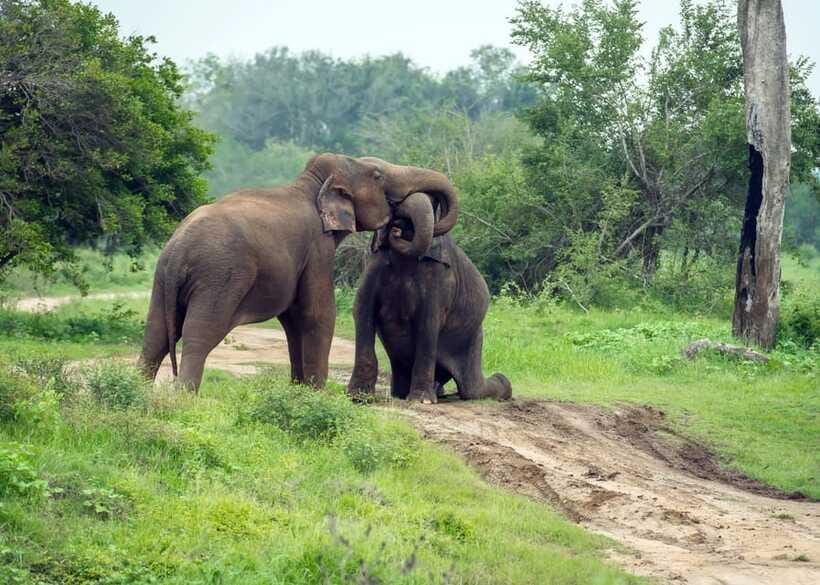
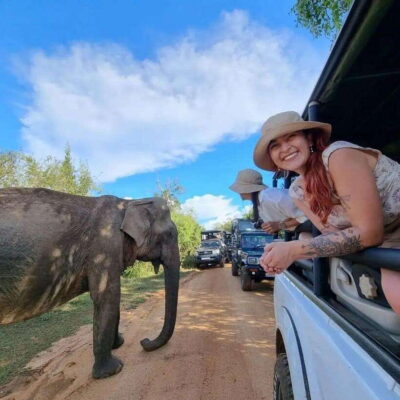
The safari lasts about three hours and takes place in a 4×4 jeep. Udawalawe is known for open habitats where elephants can sometimes be easier to spot than in thick forest. The goal is to look for wild elephants, but the park’s appeal is broader than one animal.
You may see crocodiles, monkeys, buffalo, deer, and jackals. Sloth bears are also listed among the possible sightings, but they are not guaranteed. Wildlife is unpredictable, so be wary of any tour description that sounds like a promise of a particular animal or a set number of elephants.
The advertised experience emphasizes elephants close to the jeep. That can be thrilling, but closeness should never be treated as a certainty or a reason to expect a staged encounter. Your best experience comes from watching the animals’ behavior while the jeep keeps a respectful distance.
I would bring a camera with a good zoom if you have one, but do not forget the simple gear. Sunglasses, a hat, sunscreen, comfortable clothes, and plenty of water matter more than fancy equipment. The park can be sunny, and an open jeep offers little protection from heat.
Comfortable shoes are useful for the stops outside the vehicle. You should also expect dust and uneven ground during the safari. Oversize luggage is not allowed, so take only what you need for the day.
The Elephant Transit Camp and the milk-feeding stop
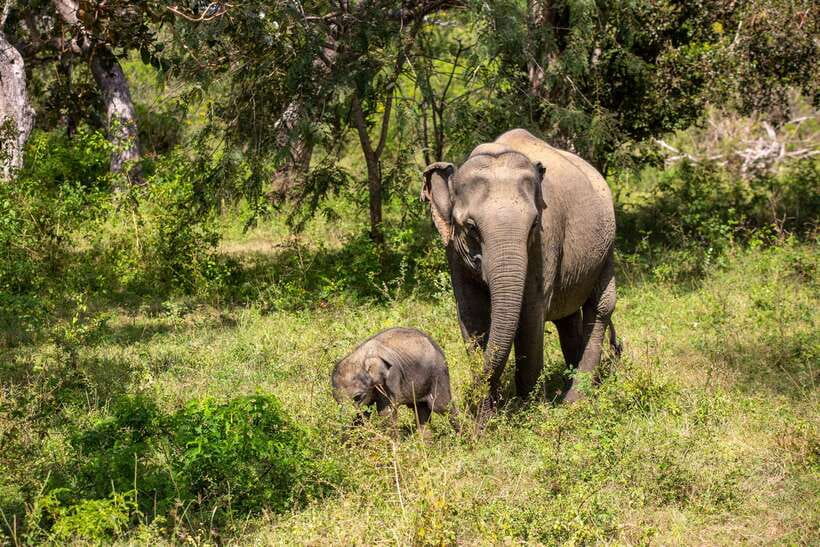
After the park, the tour visits an elephant transit camp where orphan elephants gather for feeding. This is one of the most unusual parts of the day because it shifts your view from wild animals finding their own food to young elephants receiving care from people.
The sight of many baby elephants arriving for milk feeding can be memorable, especially if you have never seen young elephants up close. It also gives you a chance to learn about the practical side of caring for orphaned animals rather than seeing only elephants in a national park.
At the same time, this is a managed animal-care setting, not a wild encounter. The animals gather for a scheduled feeding, so it feels more organized and less spontaneous than the safari. If you prefer strictly wild sightings, the park will be the stronger part for you.
The wording promises dozens of baby elephants, but animal numbers and feeding activity can change. I would book this for the opportunity to see the camp, not for a guaranteed count. Keep your expectations sensible, and you will better appreciate the difference between the two elephant experiences.
Galle Fort’s cobbled lanes and old walls
The next major stop is Galle Fort, a Dutch fortification and UNESCO World Heritage site. Here you leave the jeep behind and walk through cobbled lanes lined with old houses and other colonial-era structures.
The fort is not preserved as a silent ruin. Many buildings now hold cafés, restaurants, galleries, museums, hotels, and shops. That gives the area life, but it also means the visit mixes heritage with modern tourism.
A guided walk is helpful because the visual details are easy to miss when you simply wander. Look at the building fronts, lanes, old walls, and the way present-day businesses have adapted historic spaces. You will have time to browse local stores for handmade Sri Lankan products and souvenirs.
I like this part because it slows the pace after the safari. Wildlife viewing asks you to wait and watch. Galle asks you to walk, look up, and notice architecture. The contrast makes the day feel less like a single-purpose animal trip.
The tradeoff is time. A stop at Galle Fort cannot provide the same depth as a dedicated half-day fort visit. If your main goal is detailed history, photography, or shopping, you may wish you had longer. As one portion of a packed day, though, it gives you a useful introduction.
More elephant orphanage visits:
- Sri Lanka Ella Private Day Tour Nine Arch & Elephant transit home
★ 5.0 · 22 reviews - Private Udawalawe Safari Tour with Elephant Transit Home
★ 5.0 · 10 reviews - From Kandy: Pinnawala Day Tour
★ 4.8 · 331 reviews - Udawalawe: National Park Safari & Elephant Transit Home Tour
★ 4.9 · 183 reviews
Unawatuna Beach and the south coast
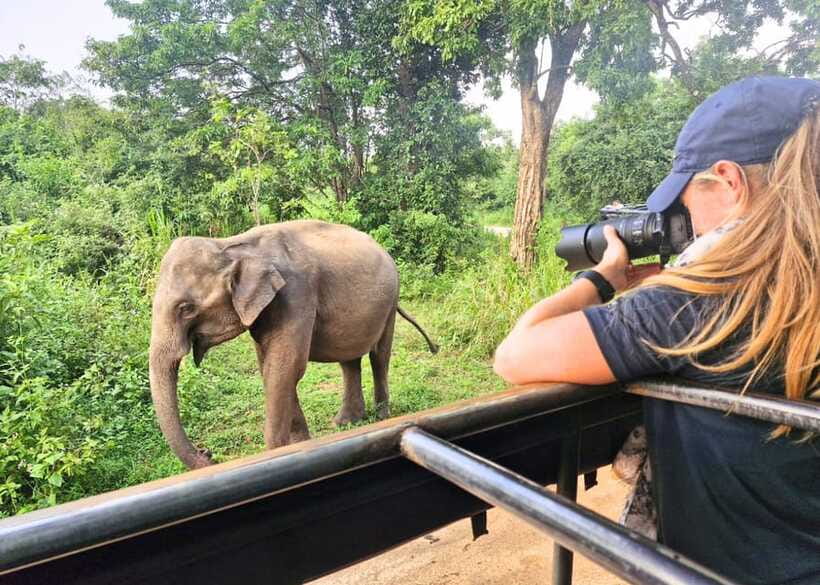
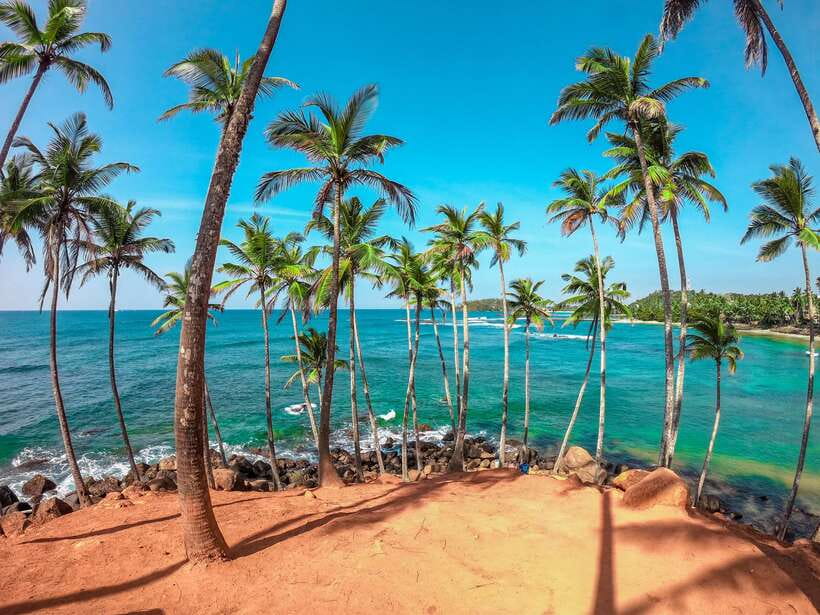
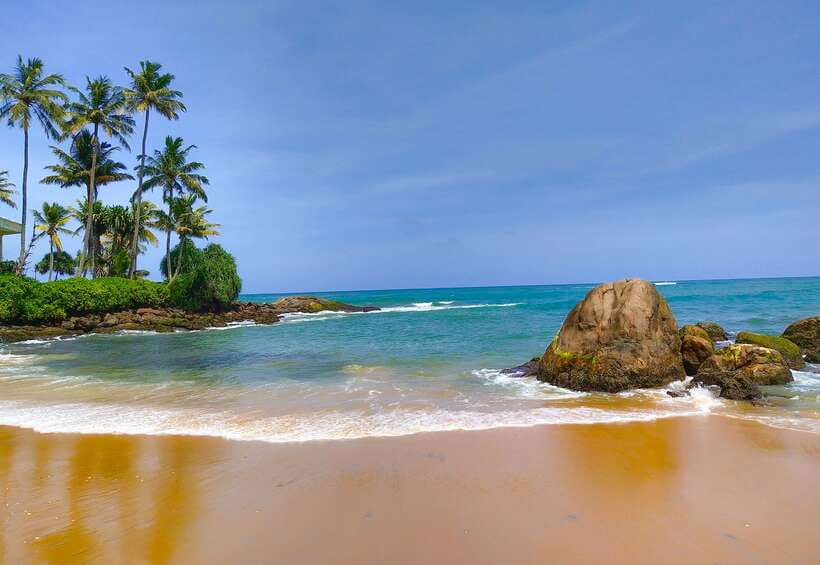
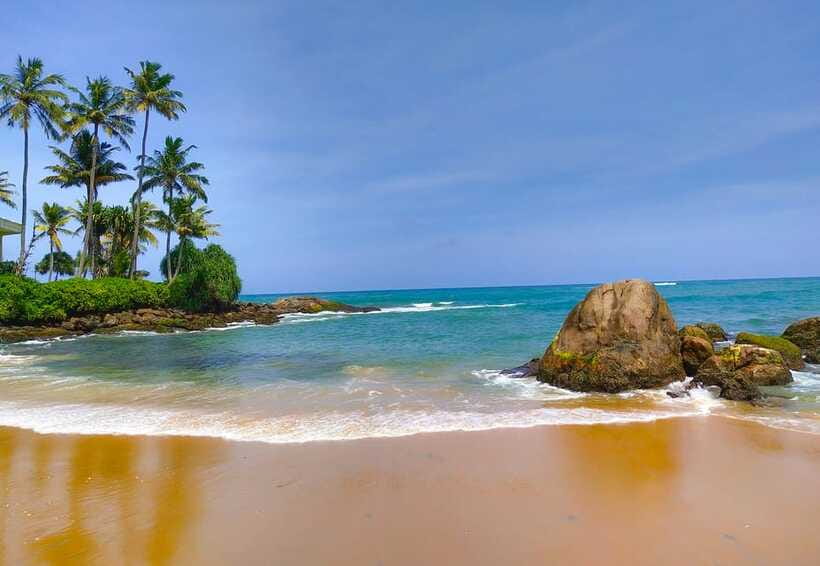
From Galle Fort, the route continues to Unawatuna Beach. You can relax beside the water or swim in the warm sea, and the stop gives you a chance to enjoy the coast rather than seeing it only through a vehicle window.
Bring swimwear and a towel if you want to enter the water. If you prefer not to swim, the beach still works as a short break after walking around the fort. The sea breeze can be welcome after the heat and dust of the park.
The tour also mentions a chance to glimpse endangered sea turtles. Treat this as a possibility, not a scheduled wildlife encounter. You may see them, but the beach stop is primarily for swimming, relaxing, and taking in the coast.
This stop may feel short on a day with so many attractions. You will not have unlimited beach time, and the exact length depends on the day’s road conditions and earlier stops. Still, it is a sensible addition for anyone who wants a mix of wildlife, culture, and seaside scenery.
Ambalangoda masks and living tradition
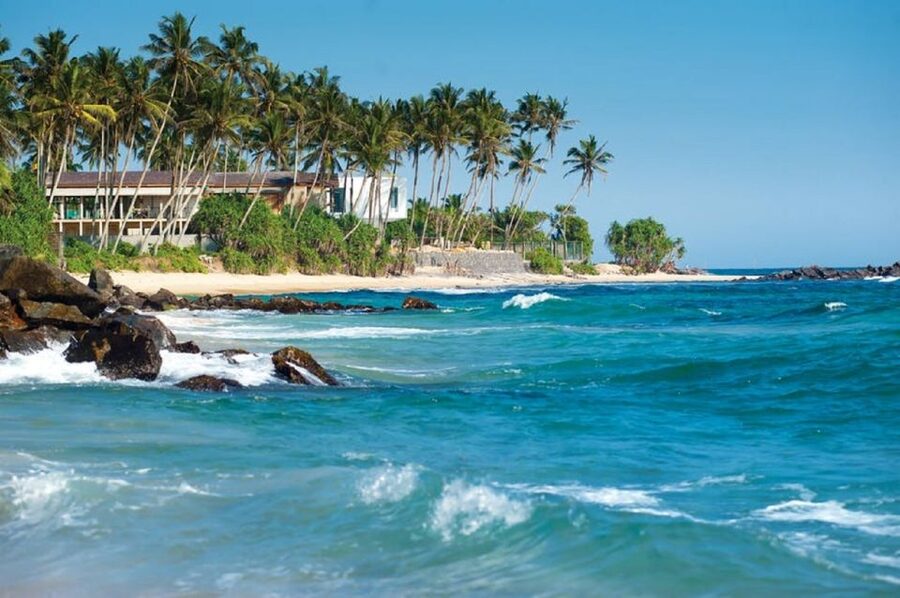
Ambalangoda is known for Sri Lankan mask-making, and the tour visits a mask museum there. The display helps explain the meaning of the colorful masks and their place in traditional dance rituals and festivals.
This is more than a souvenir stop. Masks can carry stories and symbolic roles, and the museum gives you context for what you are seeing. Without that background, it is easy to view them as attractive painted objects and miss their cultural purpose.
The visit also rounds out the day with a local craft tradition. After wild animals, a fort, and a beach, the masks offer a look at handmade cultural expression. You may find masks and other products for sale, but the museum visit is valuable even if you do not plan to buy anything.
The route passes local fishing villages, harbors, and fish markets as well. These glimpses are brief rather than formal visits, but they add everyday coastal life to the itinerary. You see more than resort beaches and historic buildings.
What the $125 price really covers
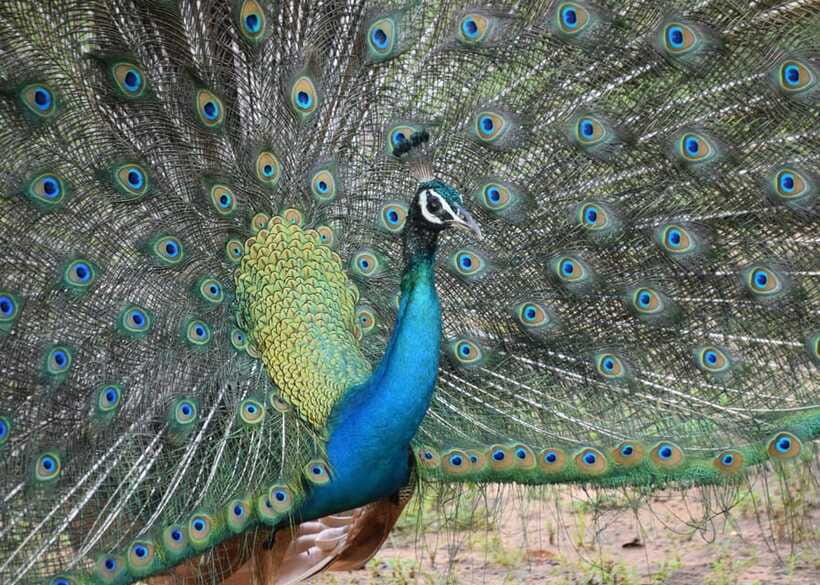
At $125 per person, this is not a cheap beach excursion. It is a long, multi-stop day that combines round-trip transport, a three-hour jeep safari, a professional guide, a guided Galle Fort visit, beach time, and the Ambalangoda museum stop.
The price makes more sense if you want to cover several regions without arranging separate drivers, park transport, and guides. The small-group limit of 10 also adds value, especially compared with a large sightseeing coach.
But the headline price is not the final cost. Entrance fees are excluded, as are food, drinks, and personal expenses. Ask for the current park, fort, museum, and other applicable entry charges before you commit, then compare the total with a private car and separate safari arrangement.
There is also the value of convenience. You do not have to plan the long transfer to Udawalawe, find a safari jeep on arrival, or organize the return route through Galle and Ambalangoda. For a first visit to the area, that organization can be worth paying for.
If you are mainly interested in Udawalawe, a safari-only trip may give you more time and less road fatigue. If you want a full day that samples wildlife, architecture, beaches, and crafts, this package uses the day more broadly.
Who will enjoy this day most
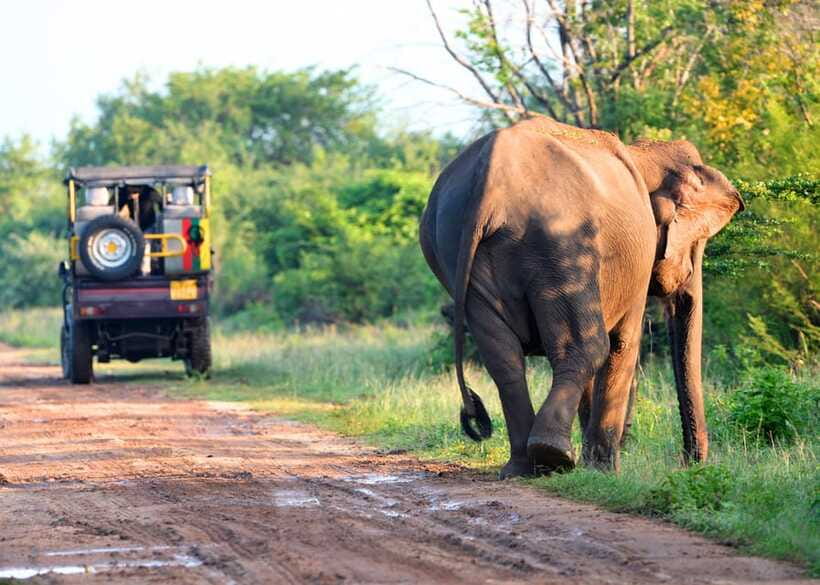
I would recommend this tour to someone based in Bentota or Kalutara who wants to see more of southern Sri Lanka without changing hotels. It suits first-time visitors who prefer a guide and a planned route rather than negotiating several separate bookings.
It is also a good match for families or small groups interested in elephants. The safari offers wild sightings, while the transit camp gives you a close look at young elephants in a controlled setting. Just remember that the day contains a lot of driving and several short stops.
Culture-minded visitors get a useful sample of Galle’s architecture and Ambalangoda’s mask tradition. Beach lovers get time at Unawatuna, but this is not a full beach day. Wildlife fans get the strongest reason to book, though no safari can guarantee every animal listed.
The tour is not suitable for wheelchair users or people with mobility impairments. You will need to manage vehicle transfers, uneven surfaces, cobbled lanes, and walking at the fort and other stops.
The available language options are English and German. No guide name is provided, so if a particular language or a named guide matters to you, confirm that when booking. A friendly driver and an interesting tour can make a major difference on such a long day.
Practical packing advice for a full day
Pack lightly because oversize luggage is not allowed. A small day bag is enough for the items that matter:
- Passport
- Water and snacks
- Sunscreen, sunglasses, and a sun hat
- Comfortable clothes and shoes
- Swimwear and a towel
- Camera or phone
- Any personal items you need during a long day out
Food and drinks are not included, so do not assume meals will be supplied. Snacks are specifically worth carrying because the day begins early and includes several long road sections.
The activity offers free cancellation up to 24 hours before departure for a full refund, and you can reserve now and pay later. Those terms help if your Sri Lankan route is still changing, but they do not remove the need to check availability and starting times for your chosen date.
Should you book this Udawalawe and Galle day tour?
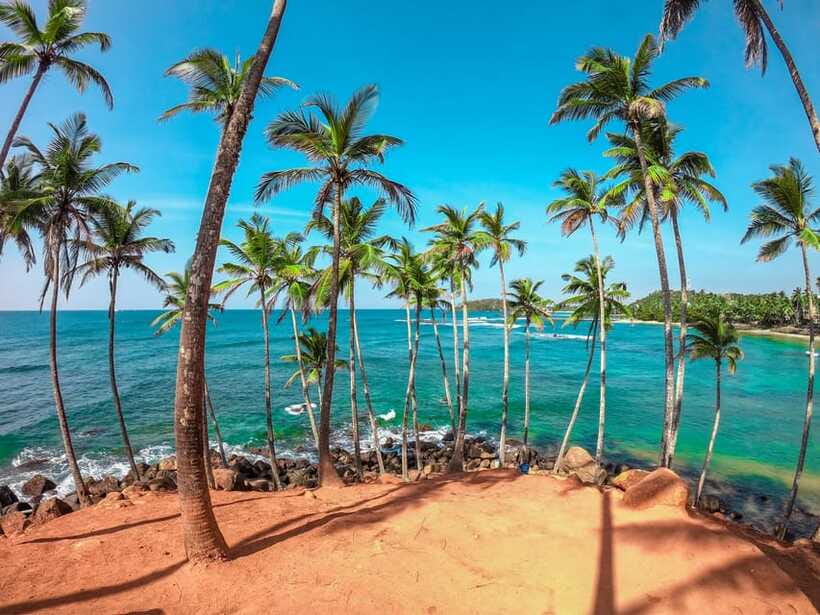
Book it if you want one organized day with several strong contrasts: wild elephants in Udawalawe, orphan elephants at feeding time, a historic fort, a coastal beach, and Ambalangoda’s masks. The small group, included transfers, and professional guide make the $125 starting price easier to justify for a visitor who values convenience.
Think twice if you dislike long drives, want a slow safari, or expect all admission costs to be included. The day is ambitious, and the park sightings are never guaranteed.
For many people staying on Sri Lanka’s west coast, this is a practical way to reach Udawalawe while adding cultural stops that you would otherwise miss. Pack light, start rested, budget for entry fees and food, and treat the elephants as wild animals rather than a promised photo opportunity.
FAQ
Where does this tour pick me up?
Round-trip transfers are offered from hotels in Bentota, Kalutara, Colombo, and Galle. Confirm the exact pickup location when checking availability.
How long is the activity?
It is a one-day activity. Pickup is in the early morning, and the stated return time is between 5:00 and 5:30 PM.
How long is the drive to Udawalawe National Park?
The drive from Bentota or Kalutara to Udawalawe takes around 3.5 hours.
How long is the safari?
The Udawalawe safari lasts about three hours and uses a 4×4 jeep.
Which animals might I see?
Possible sightings include wild elephants, crocodiles, monkeys, buffalo, deer, jackals, and sloth bears. Wildlife sightings are not guaranteed.
Is the Elephant Transit Camp included?
The itinerary includes a visit to the Elephant Transit Camp, where orphan elephants gather for milk feeding.
Are entrance fees included in the price?
No. Entrance fees are not included. Food, drinks, and personal expenses are also separate.
What languages are available?
The live tour guide is available in English or German.
Is the tour suitable for wheelchair users?
No. The activity is not suitable for wheelchair users or people with mobility impairments.
More Safaris in Bentota & West Coast
- Galle Day Trip with River Safari, Sea Turtle & Stilt Fishermen
★ 5.0 · 64 reviews - Yala Safari Day Trip from Bentota/ Kalutara/ Ahungalla/ Hikkaduwa
★ 5.0 · 60 reviews - Madu River Boat Safari Balapitiya
★ 4.5 · 41 reviews - Yala National Park: All Inclusive Private Safari Day Trip
★ 4.1 · 39 reviews
Recently listed around Bentota & West Coast
- Bentota beach, River Mangroves lagoon, Wildlife Tour★ 5.0 · 3 reviews
- Bentota River Safari -Ahungalla/Bentota/Aluthgama/Kosgoda★ 4.0 · 3 reviews
- Udawalawe Safari Private Day Tour Kaluthara/Beruwala/Bentota/Kosgoda/Ahungalla★ 5.0 · 3 reviews
- Private Tuk-Tuk Village Tour – From Bentota Hotels★ 3.0 · 3 reviews
- 1 Day tour to Yala National Park or Udawalawe National Park★ 4.5 · 3 reviews
- Coastal Ride to Galle from Bentota★ 4.0 · 3 reviews
- Udawalawe National Park Safari from Bentota★ 5.0 · 3 reviews
- Colombo City Tour★ 5.0 · 3 reviews
Bentota & West Coast Tours, compared.
Bentota River Safari with Mangrove and Wildlife Encounter
Read our review →
Udawalawe Safari DayTrip frm Bentota/Kalutara/Ahungalla/Hikkaduwa
Read our review →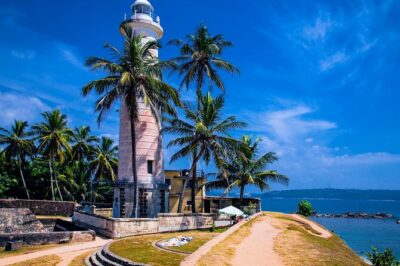
Galle Day Trip with River Safari, Sea Turtle & Stilt Fishermen
Read our review →
Ella Private Day Trip with Train Ride & Tea Factory-All Inclusive
Read our review →
Yala Safari Day Trip from Bentota/ Kalutara/ Ahungalla/ Hikkaduwa
Read our review →
Ella Private Day Tour – Departing from Any Location in Sri Lanka
Read our review →
Browse the lists this tour appears in