
Reviewed · KANDY TOURS
Sri Lanka Cooking Class with Granny
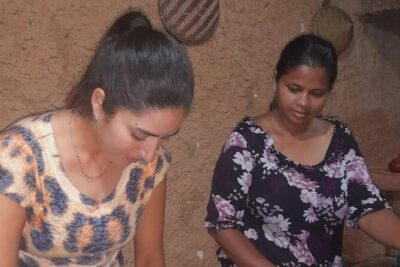
The best part of this Kandy experience is that you do not simply watch someone cook curry. You choose vegetables, chop ingredients, work with spices, and help prepare a full Sri Lankan meal in a family home. Nandini, also called Nandi in some arrangements, teaches in a traditional covered clay kitchen, with help from relatives such as Granny Nanti and Auntie Shanti.
I like the freedom to choose your vegetables, especially when the day’s market produce may include pumpkin, okra, eggplant, long beans, mango, or coconut. I also like that the class is private or kept to a small group, so you can ask questions and get hands-on help. The main thing to consider is time: the advertised three and a half hours can stretch much longer with the market visit, cooking, and meal.
Key points to know
- Cook in a family home outside Kandy: The class takes place in a village setting, often in an outdoor covered kitchen with traditional clay pots.
- Choose your own curries: Dishes change with the market, your preferences, and dietary needs.
- Expect a serious feast: Past menus have included several vegetable curries, chicken, egg, dhal, sambol, papadums, and dessert.
- Add the market visit: An optional visit with Sudesh introduces you to local fruit, vegetables, spices, and daily food shopping.
- Recipes help you continue at home: Recipes are sent after the class, making the lesson more useful than a meal alone.
- Allow extra time: The basic duration is about 3 hours 30 minutes, but a market visit and a relaxed village meal may take closer to six hours.
From Kandy City Centre to a village kitchen
The meeting point is Kandy City Centre, and hotel pickup is offered. The exact transport arrangement deserves a little attention when you book. Private transportation is not listed as included, yet several arrangements describe a tuk-tuk pickup from Kandy and a return ride organized separately, sometimes for an additional fee.
I would confirm the pickup area, the price of the return ride, and the expected finish time before the day begins. This matters because the cooking location is outside central Kandy, up in the hills. The ride itself is part of the change of scene, taking you away from the city and into a quieter village setting.
The class is offered in the morning or afternoon. Morning sessions suit you if you want a substantial lunch and a free evening. An afternoon start can turn into dinner, but you should not schedule a tightly timed evening train, show, or other appointment afterward. One group reported spending about six hours on the market visit and class together, even though the stated duration is shorter.
The setting is not a polished cooking school with rows of stainless-steel workstations. You are visiting a home, often cooking in an outdoor covered area, and that gives the experience its character. It also means you should expect a practical, rustic environment rather than a formal classroom.
More Cooking Classes in Kandy
- Kandy Village Cooking Class
★ 5.0 · 536 reviews - Private Traditional Sri Lankan Cooking Class in Kandy with Hotel Transfers
★ 5.0 · 115 reviews - Cooking With Village Family
★ 5.0 · 104 reviews
Tea, spices, and the first lesson
On arrival, you are welcomed with tea or coffee and bottled water. This short pause gives you time to meet the family and settle into the pace of the afternoon or evening.
The first proper lesson covers the spices and vegetables used in Sri Lankan cooking. The value here is not just learning a list of ingredients. You begin to see how a curry is built, how vegetables are treated differently, and how coconut milk changes the final taste.
Coconut milk is one of the most useful details taught in the class. One group learned about first milk and second milk, meaning the stronger and lighter coconut extracts used at different points in cooking. Another class included breaking open a whole coconut and making coconut milk by hand. Those are small kitchen skills, but they help explain why home-cooked Sri Lankan curry can taste quite different from a restaurant version.
You will also learn about spice blends and cooking methods while preparing the food. The teacher encourages you to take part rather than stand back. That makes the class suitable for you if you want to repeat the recipes at home, not just enjoy a good meal for one night.
Choosing vegetables at the market
The optional market visit adds a useful local-food lesson before you reach the kitchen. With Sudesh guiding the visit, you may see the fruit, vegetables, and spices used for the class being selected fresh that day.
This is a practical stop. You can see how local produce looks before it has been cleaned, trimmed, or prepared, and you can ask about ingredients that may be unfamiliar. The market is described as a maze of stalls where local people shop for daily cooking, so it gives you a closer look at ordinary food buying in Kandy.
The market also explains why no fixed menu should be expected. The dishes depend on what is fresh and available, along with your tastes and dietary restrictions. You can choose from the ingredients on hand and help shape the meal.
I would add the market visit if you enjoy food culture and want more context for the cooking. You might skip it if your main goal is simply to get to the kitchen and cook. One person found the market less important than the class itself, while others considered it a highlight. The choice depends on how much time you have and how curious you are about shopping and ingredients.
Cutting, chopping, and cooking your curries
Once the ingredients are chosen, you get to work. You can cut and chop the vegetables, prepare the ingredients, and cook under the teacher’s direction. This is not a demonstration where the host does everything while you take notes.
The final menu can be surprisingly large. Examples include chicken curry, pumpkin curry, eggplant, okra, long beans, egg curry, dhal, tempered potatoes, mango chutney, coconut sambol, and papadums. One particularly generous class prepared nine dishes and finished with coconut pancakes. Another made a special eggplant dish normally reserved for important occasions after the participants said they liked eggplant.
You should not assume that every dish listed above will appear in your class. The menu changes with the market and can be adjusted to your preferences. Still, these examples show the scale of the meal. At $25 per person, including lunch or dinner, tea or coffee, and bottled water, the value is strong if you want both instruction and a substantial meal.
The teaching style is part of the appeal. Nandini is described as patient, friendly, humorous, and willing to let you do the work yourself. You learn by handling the vegetables and following each stage, while the instructor offers cooking tips along the way.
For an inexperienced cook, that direct guidance should make the class approachable. For someone who already cooks, the traditional setting, coconut techniques, and local ingredients give you something beyond a standard recipe lesson. The pace may feel less exact than a professional school, but that is also what makes it feel like cooking with a family member rather than attending a staged demonstration.
A different sort of day out of Kandy:
- Kandy Private Guided City Tour by Tuk Tuk
★ 4.9 · 1,307 reviews - From Kandy: Sigiriya Rock & Dambulla Cave Temple Adventure
★ 4.9 · 785 reviews - Kandy to Ella Train Tickets – Reserved Seats
★ 4.5 · 523 reviews - From Kandy: Pinnawala Day Tour
★ 4.8 · 331 reviews
The traditional clay kitchen
The outdoor clay kitchen is one of the most distinctive features. Cooking in clay pots gives the class a strong sense of place and shows you a traditional way of preparing Sri Lankan food.
The setting can also be rustic. If you prefer a modern, air-conditioned cooking studio, this is not the right choice. An air-conditioned vehicle is not included, and the cooking location is a family home in the hills, not a luxury venue.
That trade-off is worth understanding before you book. The charm comes from the home environment, the family involvement, and the chance to see how food is prepared in a more traditional setting. You may also find the ride to the village adventurous, especially if you are not used to tuk-tuk travel on hill roads.
The class is private for your group, though some bookings may be arranged as small groups. Group size can change the feel of the lesson. A private booking gives you more control over the menu and more time to ask questions, while a small shared class can be social and still provide plenty of hands-on work.
Sitting down to a Sri Lankan feast
At the end, you eat what you have prepared. This is more than a quick tasting. The menu can include five to ten dishes, so expect a generous spread of rice, curries, vegetables, sambol, and possibly a sweet finish.
The meal also shows why Sri Lankan cooking is not simply one curry with rice. A good plate balances several tastes and textures: creamy dhal, sweet pumpkin, earthy eggplant, sharp sambol, crisp papadums, and richly seasoned meat or egg. The exact mix depends on the ingredients you selected.
Lunch or dinner is included in the price, along with tea or coffee and bottled water. Alcohol is not included, so do not expect drinks beyond the listed refreshments.
You may finish later than planned. Cooking several dishes from scratch takes time, and the family atmosphere encourages conversation and a relaxed meal. I would treat the class as the main event of the day rather than something to squeeze between other Kandy activities.
What makes the $25 price worthwhile
At $25, this is inexpensive for a private or small-group food experience that includes instruction, ingredients, a full meal, and refreshments. The strongest value comes from the amount of food and the chance to prepare it yourself.
You are also paying for access to a family kitchen and a village setting that would be difficult to arrange independently. A restaurant meal can show you what Sri Lankan food tastes like. This class explains how the food is made and gives you a way to reproduce it later.
The transport details slightly complicate the calculation. Pickup is offered, but private transportation is not listed as included. Some arrangements include a tuk-tuk to the home and charge a reasonable fee for the return journey, while other details may vary by booking. Ask before you go so the final cost is clear.
The optional market visit may also affect the total time and transport arrangements. Even with those points, the price remains good for you if you value instruction, local contact, and a meal with many dishes. It is less compelling if you only want a quick cooking demonstration in central Kandy.
Who should book this cooking class
I would recommend it most strongly to food-focused visitors, couples, families, and small groups who enjoy getting involved. It suits you if you want to learn techniques, try vegetables you may not know, and leave with recipes rather than only photographs.
It is also a good fit if you want a break from Kandy’s central sights. The trip into the hills gives you a look at village life and a family home. The cooking is the focus, but the setting adds another layer to the afternoon.
You should be comfortable with a rustic environment and a longer-than-advertised schedule. The ride may be by tuk-tuk, the kitchen is outdoors under cover, and the class may involve standing, chopping, waiting for dishes to cook, and eating late.
Dietary restrictions can be discussed because the dishes are customizable. Tell the provider in advance and repeat your needs when choosing the ingredients. Since the menu depends on what is available that day, flexibility will help.
Booking details and practical cautions
Confirmation is provided at booking, and the activity is near public transportation. The class begins and ends at the Kandy City Centre meeting point unless pickup arrangements are made.
Free cancellation is available if you cancel at least 24 hours before the start time. Changes or cancellations within 24 hours are not refunded or accepted. Poor weather or failure to meet the minimum number of participants can lead to a different date, another experience, or a full refund.
The class has a five-star rating with 587 reviews and a 100 percent recommendation rate. That strong record matches the features that matter most here: friendly instruction, a large meal, a genuine home setting, and the chance to choose what you cook.
Should you book the Sri Lanka Cooking Class with Granny?
Book it if you want to understand Sri Lankan food by making it with your own hands. The combination of a family home, traditional clay kitchen, flexible menu, and generous meal offers more than a standard tourist cooking lesson.
The market visit is worth adding if you have the time and want to learn how the ingredients are bought. If your schedule is tight, book the cooking class alone and confirm how pickup and return transport work.
I would not choose this for a polished studio, a fixed menu, or a precisely timed three-hour activity. I would choose it for warm family contact, practical cooking, a feast of several curries, and recipes you can try once you get home.
FAQ
Where does the cooking class start and end?
The listed meeting point is Kandy City Centre in Kandy, Sri Lanka. The activity ends back at the meeting point.
Is hotel pickup available?
Yes, pickup from your hotel is offered. Private transportation is not listed as included, so confirm the exact pickup and return arrangement before the class.
How long does the experience last?
The stated duration is approximately 3 hours 30 minutes. If you add the market visit or spend extra time cooking and eating, you should allow considerably longer.
What food will I cook?
You may prepare Sri Lankan rice and curry, with dishes based on fresh market produce, your preferences, and dietary restrictions. Examples include vegetable curries, chicken curry, egg curry, dhal, sambol, papadums, and dessert, but the menu can change.
Are lunch and dinner included?
Yes. Lunch or dinner is included, along with coffee or tea and bottled water. Alcoholic beverages are not included.
Can I cancel for a full refund?
Yes, if you cancel at least 24 hours before the experience start time. Cancellations or changes made less than 24 hours before the start time are not refunded or accepted.
More workshops and classes in Kandy
- Kandy Cooking Class with Granny
★ 4.9 · 95 reviews - Private Kandy Authentic Cooking Class
★ 5.0 · 65 reviews - Kandy: Interactive Batik Workshop
★ 5.0 · 51 reviews - Srilankan Cooking class by FFL kandy
★ 5.0 · 50 reviews
Recently listed around Kandy
- 3 Days Nature and Chill Tour of Ella, Nuwara Eliya and Haputale★ 5.0 · 10 reviews
- Kandy City Day Tour from Colombo, Negombo or Katunayake★ 5.0 · 10 reviews
- Knuckles Spice Trail Trek from Kandy★ 5.0 · 11 reviews
- Kandy Private City Tour With Local Guide★ 4.7 · 11 reviews
- Kandy & Pinnawala & Tea Factory Full Day Tour From Negombo★ 4.3 · 11 reviews
- Sigiriya and Dambulla Day Trip from Kandy★ 5.0 · 11 reviews
- Kandy City Tour with Mahaweli★ 5.0 · 11 reviews
- Kandy City Tour & Famous Ambuluwawa Tower with Friendly Chauffeur★ 5.0 · 11 reviews
Kandy Tours, compared.






Browse the lists this tour appears in