Reviewed · TOURS
Tea Fields & Factory Tour
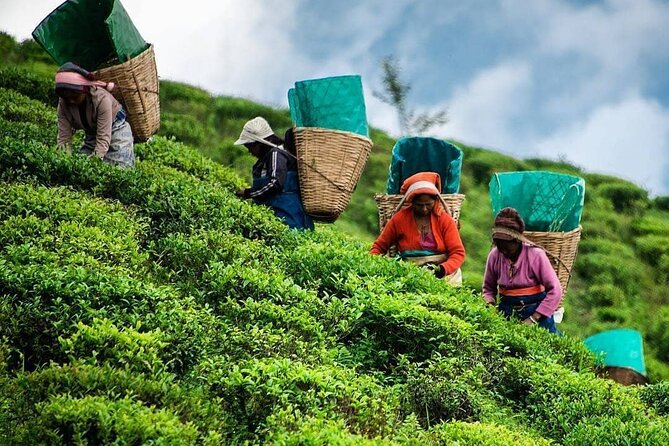
Hatton’s tea story makes sense only when you see the whole chain. This three-hour experience takes you from hillside tea plants and the people who pick them to a working factory where leaves are withered, rolled, dried, sorted, tested, and packed. You finish with a freshly brewed cup, which is a fitting end to a tour built around the tea leaf to tea pot process.
I like two things right away: you get into the tea fields, rather than viewing them only from a road, and you can try your hand at plucking after meeting the workers. I also like the factory visit, where familiar tea-making words become real machines and working steps.
The main consideration is timing. The tour starts at 3:00 pm and lasts about three hours, so you have a fixed afternoon schedule. Weather also matters, since poor conditions can lead to a new date or a full refund.
Key points to know before you book
- A complete tea-making route: Follow the process from the plant in the field to the packed product.
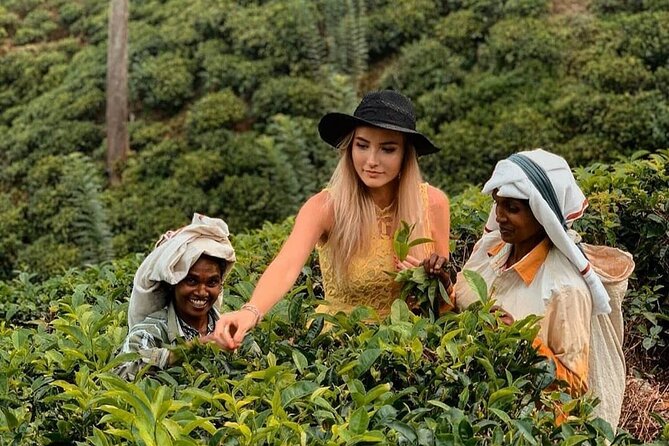
- A hands-on field visit: Meet tea pluckers, learn their technique, and try picking leaves yourself.
- More than a plantation stop: The route includes a pluckers village, a temple, and weighing stations.
- A working factory lesson: See withering, rolling, drying, shifting, testing, and packing.
- A small group setting: The maximum is 10 people, useful for questions and close explanations.
- A strong price for the time: At $20 per person for about three hours, the tour offers a lot if tea production interests you.
Why Hatton is the right place for a tea tour
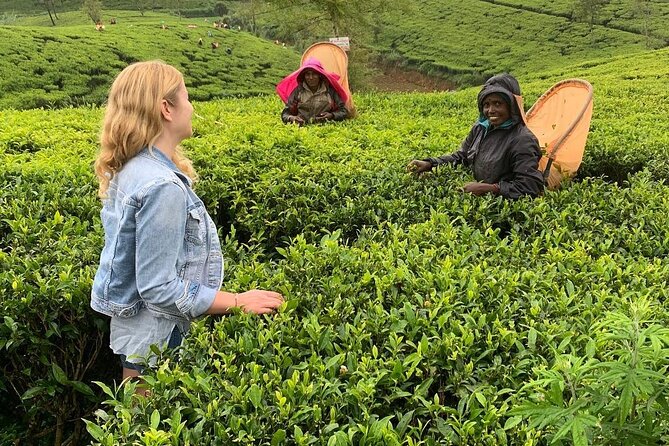
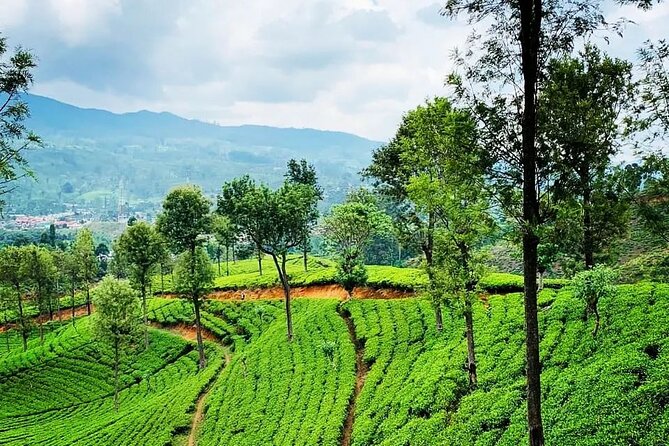
Hatton is in central Sri Lanka’s Ceylon tea region, so the setting is not a staged tea display made for a quick photo. Tea is part of the local working world here. You see the plants where they grow, the people who gather the leaves, and the factory steps that prepare them for sale.
That order matters. Many plantation visits show you rows of tea and offer a cup at the end. This experience connects those two points. You begin with the raw leaf, learn how it is gathered, and then watch the factory turn it into a finished tea product.
I find that useful because tea production can seem simple from a breakfast table. Here, you can see how many careful stages sit between a green leaf and a brewed drink. The guide explains each part as you move through the fields and factory, with particular attention to how the process works in Sri Lanka.
Other Sri Lanka stops that fit the same route:
- Colombo: Private Tuk-Tuk City Tour with All Entry Fees
★ 4.9 · 2,154 reviews - Udawalawe National Park | Private Safari Tour
★ 5.0 · 1,499 reviews - Kandy Private Guided City Tour by Tuk Tuk
★ 4.9 · 1,307 reviews
Walking among the tea plants in Norwood
The meeting point is in Norwood, written as RJR9+WC Norwood, Sri Lanka. The activity begins at 3:00 pm and ends back at the meeting point, which keeps the outing straightforward if you are planning other transport around it.
The first part takes you into the tea fields. You walk among the plants rather than simply stopping beside a viewpoint. That gives you a closer look at the crop and helps you understand what the pluckers are selecting.
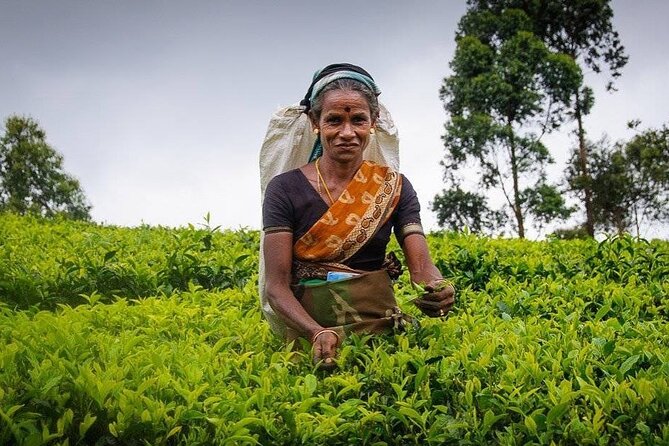
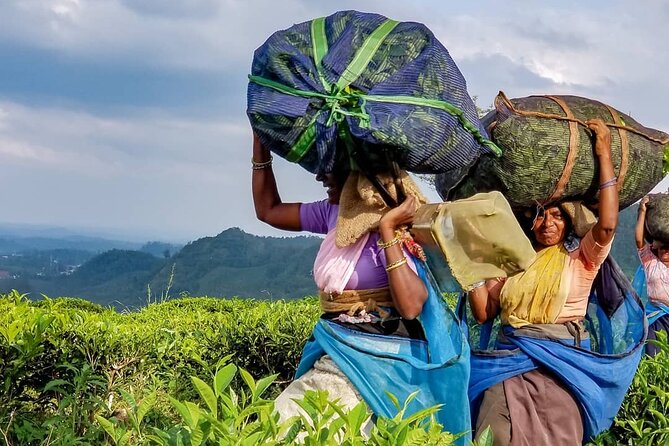
The tour introduces you to the people who do the picking and explains their technique. You also get a chance to try plucking yourself. I like this part because it turns a passive visit into a small practical lesson. You quickly see that picking leaves is not just a matter of grabbing whatever is nearest.
The experience does not provide detailed information about how long you spend in the fields or the exact route between the stops. Still, the field visit is central to the tour, not a quick add-on. Wear something suitable for walking outdoors, and keep your plans flexible enough for a real working site rather than a polished indoor attraction.
Meeting the pluckers and visiting their village
The human side of the tour continues beyond the tea rows. You visit a pluckers village and a nearby temple, adding local life to what could otherwise be a technical factory lesson.
This is one of the more useful features for anyone who wants context. The tea plant is only one part of the story. The people who pick, weigh, and move the leaves are part of the production system too. A village visit helps you see that tea is connected to a community, not just to machinery and packaging.
The supplied details do not promise a long visit inside homes or a formal cultural performance, so you should not book this expecting an extended village program. Think of it as a short local stop that broadens the subject. The temple visit gives the route another point of interest and breaks up the field and factory sections.
The guide’s explanations are important here. The tour is designed to teach, and the strongest praise focuses on clear explanations of the plant, the work, and the processing. If you like asking questions, the group limit of 10 should help keep the conversation manageable.
Seeing the weighing stations
After picking, the leaves move to weighing stations. This step may sound less dramatic than the factory machinery, but it is a useful link in the chain.
You can see how the collected leaves are handled before processing begins. It gives the tour a practical rhythm: plant, plucker, collection, weighing, factory. Each stop answers the natural question raised by the previous one.
The weighing stations also show why the tour is more useful than a simple plantation walk. You are not only looking at tea scenery. You are following the early stages that prepare the leaves for production.
This portion may appeal most to visitors who enjoy seeing how everyday goods are organized and measured. If you mainly want scenic photos, the fields will be your highlight. If you want to understand the work, the weighing stop adds an important piece.
A different sort of day out of Sri Lanka:
- Whales and Dolphins Watching-Luxury Super Grade Cruiser(Hotel Pick up offered)
★ 5.0 · 1,268 reviews - Mirissa: Unforgettable Snorkeling Experience with Turtles
★ 4.9 · 1,064 reviews - From Colombo: Sigiriya and Dambulla Day Trip with Safari
★ 4.7 · 842 reviews - Yala National Park Safari Tours: Morning/Evening/Full Day
★ 4.8 · 818 reviews
Inside the factory, from withering to rolling
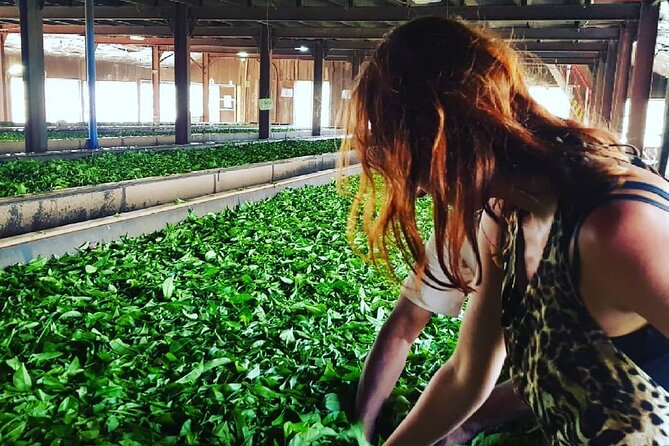
The factory is likely the most informative part for many people. Here, the tour explains the main processing stages: withering, rolling, and drying.
Withering is the early preparation stage. The leaves are handled so they can move into the next part of production. Rolling then changes the leaves through mechanical treatment, while drying helps prepare the tea for later sorting and use.
The point is not simply to memorize names. You get to place each term in the correct order and see how one stage leads to the next. The factory explanation has been praised for being clear and detailed, which matters because the machinery and terminology can be confusing without a guide.
A factory is also a working place, not a museum exhibit. The available information does not state that every machine operates during every visit, so you should treat the tour as an explanation of the process rather than a guarantee of a full production demonstration at every moment.
Still, this section gives the experience its real value. At $20, you are not paying only for access to a tea field. You are getting a guided lesson in how the crop is prepared for the cup.
Shifting, testing, and packing the finished tea
The later factory stages cover shifting, testing, and packing. These steps explain how processed tea is separated, checked, and prepared for its final form.
Shifting is a reminder that tea is not finished as soon as it leaves the dryer. Different pieces and grades need to be handled. Testing adds another quality check before the product is packed.
The testing stage should interest anyone who has wondered why different teas vary in appearance, strength, and price. The available details do not specify the exact testing methods or grading system used at the factory, so the guide’s explanation will be your best source for those points on the day.
Packing is the final practical step before tea reaches shops and kitchens. I like ending the factory sequence here because it completes the story. You have seen the leaf growing, being picked, weighed, processed, checked, and prepared for sale.
Finishing with freshly brewed tea
The final cup is more than a free drink. It gives you a direct way to connect the factory work with the product you actually consume.
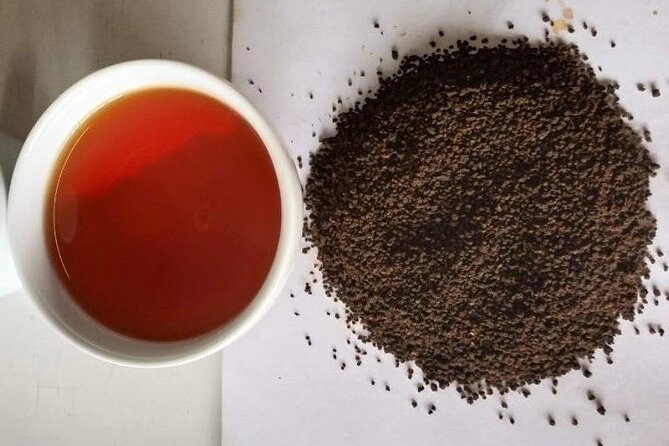
After hearing about processing, you can taste freshly made and brewed tea. That makes the close of the tour feel earned. You have followed the process and can now judge the result in the most direct way available.
Do not expect a formal tasting menu based on the information provided. There is no promise of several varieties, food pairings, or a lengthy tasting session. The attraction is the simple connection between production and drinking.
For me, this is the kind of ending that works well on a learning-focused tour. The tea is not presented as an abstract souvenir. It is the final stage of everything you have just seen.
How much value do you get for $20?
The listed price is $20 per person for about three hours. That is a reasonable price if you want more than a quick photo stop and value a guide who explains the full process.
The cost includes several distinct elements: field access, contact with pluckers, a chance to try picking, the village and temple visit, weighing stations, the factory sequence, and brewed tea. No separate inclusions are listed, so you should not assume that transport, meals, or other purchases are covered.
The small maximum of 10 people improves the value. A large crowd can make field explanations hard to hear and factory spaces awkward. With fewer people, you have a better chance to follow the guide’s explanation and ask about the stages that interest you most.
The activity has a 5 out of 5 rating from 67 reviews and is recommended by 100 percent of the published rating base. The repeated strengths are clear explanations, an interesting factory visit, and a route that covers both the plantation and local area. Those points match the price well.
Timing, weather, and practical planning
The start time is 3:00 pm, and the experience lasts approximately three hours. Since it ends back at the meeting point, you can plan around a return to Norwood rather than arranging a separate end location.
The meeting point is near public transportation, which helps if you are making your own way there. The information does not state pickup from hotels, so do not assume that a transfer is included. Check the meeting instructions after booking and allow time to reach the Norwood point before the afternoon start.
Most people can participate, but the activity requires good weather. If conditions make the tour unsafe or unsuitable, the provider offers another date or a full refund. You can cancel for a full refund up to 24 hours before the start time. Cancellations or changes inside 24 hours are not refunded or accepted.
Because the experience includes fields and a factory, practical clothes and shoes are sensible. That is general preparation rather than a stated dress rule. The key point is to plan for an outdoor portion followed by an industrial setting.
Who will enjoy this tea experience most?
I would choose this tour if you want to understand how Ceylon tea is made, not just take a plantation photo. It suits curious adults, couples, families with an interest in food production, and anyone who likes guided visits with a clear beginning and end.
It is also a good fit if you enjoy meeting local workers and seeing ordinary production spaces. The pluckers village and temple give you more local context than a factory-only visit.
You may want to skip it if your main goal is a long scenic hike, a luxury tea tasting, or a flexible morning excursion. The start time is fixed, the tour lasts about three hours, and the format is educational. It is not presented as a broad sightseeing tour of central Sri Lanka.
The group size may help families and solo visitors alike. A maximum of 10 makes it easier to stay with the guide and hear the explanations. The experience has no stated age restriction, and most people can participate, but the available information does not give detailed mobility guidance for the fields or factory.
Should you book the Hatton tea fields tour?
Book it if you want the full chain, from leaf to teapot, explained in one compact afternoon. The best reasons are the chance to try plucking, the visit to the weighing stations, and the factory section covering every main stage through packing.
At $20, the tour offers solid value for an experience that combines agriculture, local community, production, and tasting. I would especially recommend it to first-time visitors to Hatton who want a clear introduction to the region’s tea industry.
Go in with realistic expectations. This is a three-hour educational outing, not an all-day plantation trek or an elaborate tasting event. If that format suits you, it is an easy way to make your cup of Sri Lankan tea far more meaningful.
FAQ
Where does the tea tour start?
The tour starts at RJR9+WC Norwood, Norwood, Sri Lanka.
What time does the activity begin?
The start time is 3:00 pm.
How long does the tour last?
The experience lasts approximately three hours.
Where does the tour finish?
The activity ends back at the meeting point in Norwood.
What will I see during the tea field visit?
You will walk among the tea plants, meet the pluckers, learn their technique, and try your hand at plucking.
What factory stages are included?
The factory explanation covers withering, rolling, drying, shifting, testing, and packing.
What happens if I need to cancel?
You can cancel at least 24 hours before the start time for a full refund. Cancellations or changes made less than 24 hours before the start time are not accepted, and the amount paid is not refunded.
Recently listed around Sri Lanka
- Minneriya National Park Safari in a 4×4 Vehicle★ 4.5 · 10 reviews
- Coastal Ride to Galle from Colombo★ 4.5 · 10 reviews
- One Day Udawalawe Safari from Galle/Mirissa/Unawatuna/Hikkaduwa★ 5.0 · 10 reviews
- Ella: Safari Day Trip to Yala & Udawalawe with Lunch★ 4.7 · 10 reviews
- Sri Lanka Private Tour Pick Up & Drop Off – Colombo Intl Airport★ 5.0 · 10 reviews
- Sigiriya Village Tour and Lunch with Hotel Pick up from Sigiriya★ 5.0 · 10 reviews
- From Ella: Shuttle to Down South Any Location w Yala Safari★ 5.0 · 10 reviews
- Wasgamuwa: Wasgamuwa National Park Private 3-Hour Safari★ 4.9 · 10 reviews
Tours, compared.

Private Tuk-Tuk City Tour with All Entry Fees
Read our review →Udawalawe National Park | Private Safari Tour
Read our review →

Yala National Park Safari Tours: Morning/Evening/Full Day
Read our review →

Colombo Tuk Tuk City Tour -Sightseeing Entry Fees & Food Included
Read our review →
Colombo Private Tuk-Tuk City Tour with All Entry Fees Included
Read our review →