
Reviewed · UDAWALAWE TOURS
Galle/Mirissa/Tangalle:Udawalawa Safari & Elephant Orphanage
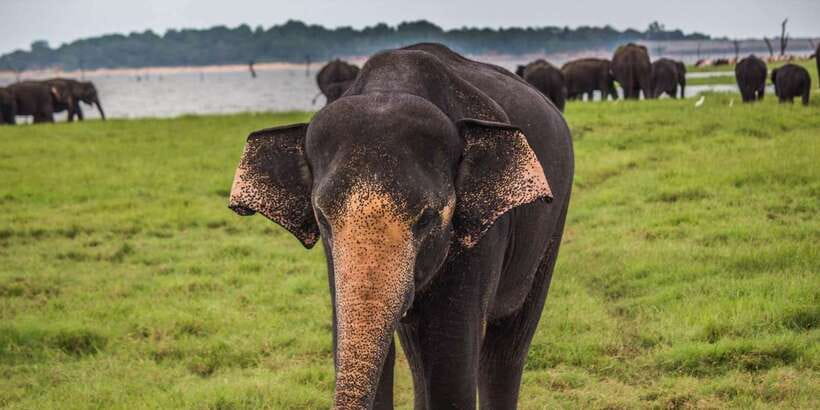
The biggest draw here is the chance to see wild elephants in Udawalawe National Park, often at close range from an open safari jeep. You also visit the Elephant Transit Home, where orphaned baby elephants are fed, making this a wildlife day with two very different encounters.
I like the easy hotel pickup from Hikkaduwa, Galle, Mirissa, Tangalle, Hiriketiya, and nearby coastal towns. I also like the guides’ reported ability to use quieter park routes. The main point to weigh is the long road journey and the fact that park entrance fees, food, and drinks cost extra.
Key points to know before booking
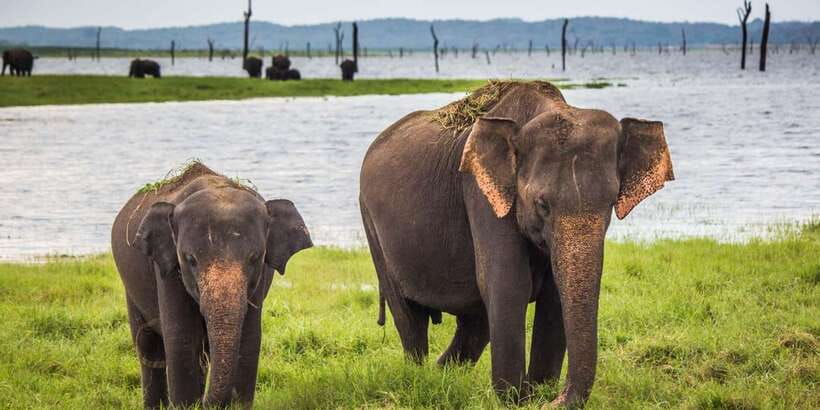
- Baby elephants at feeding time: The Elephant Transit Home visit lasts about 30 minutes and is timed around feeding.
- A strong chance of elephant sightings: Udawalawe has abundant water and supports large numbers of wild elephants.
- A safari guide who knows the quieter routes: Pathum is specifically praised for finding animal-viewing spots away from other jeeps.
- A broad pickup zone: Transfers cover many south coast bases, from Hikkaduwa and Galle to Mirissa, Tangalle, and Hiriketiya.
- Seven hours, but not seven hours in the park: The coastal transfer takes a large share of the day, so plan for a road-heavy outing.
- One important ethical concern: A visitor reported seeing baby elephants struck with sticks at the Transit Home, something you may want to consider before booking.
Why Udawalawe is a good choice for an elephant day
If elephants are high on your Sri Lanka wish list, Udawalawe is a sensible choice. The park has plentiful water sources and supports a large elephant population, so you are not relying on a single lucky sighting. You may also see wild buffalo, spotted deer, barking deer, sambar, wild boar, hares, mongoose, crocodiles, and many birds.
The setting matters as much as the animals. You ride through open country in a safari jeep, where animals can be easier to spot than in thick forest. The experience is less about ticking off every species and more about watching how a living park works: elephants near water, crocodiles resting, deer moving through the grass, and birds gathering around wet areas.
You might see an impressive range of smaller life as well. The park is home to many bird species, about 50 types of butterflies, and around 30 species of snakes. That does not mean you will see all of them in one morning or afternoon. Your guide’s skill, the season, the weather, and simple luck all affect the day.
The wildlife list includes a possible leopard sighting. One visitor reported seeing one, but you should treat that as a bonus, not a promise. The dependable target is the elephant population.
More Safaris in Udawalawe
- Udawalawe National Park | Private Safari Tour
★ 5.0 · 1,499 reviews - Udawalawe National Park Private Safari
★ 5.0 · 258 reviews - Udawalawe: National Park Safari & Elephant Transit Home Tour
★ 4.9 · 183 reviews
The coastal pickup and two-hour ride inland
Your driver collects you at your hotel in the south coast pickup zone. Covered areas include Hikkaduwa, Galle, Unawatuna, Thalpe, Ahangama, Weligama, Mirissa, Matara, Tangalle, and Hiriketiya.
The vehicle is air-conditioned, which is welcome in Sri Lanka’s heat. The drive to the Elephant Transit Home takes about two hours according to the tour details. That makes this a practical option if you do not want to arrange a separate hotel transfer, but it also means the seven-hour duration includes a meaningful amount of time in the car.
Your driver may point out rice fields and local animal species along the way. Pradeep is specifically praised for being punctual, friendly, and helpful during the journey. That sort of road knowledge can make the transfer feel less like dead time, especially if you are interested in what you are seeing between the coast and Udawalawe.
I would bring water, a small snack, sunscreen, and a light layer for the vehicle. Food and drinks are not included, and the day begins with a long drive before the main wildlife activities. Since no meal stop is promised, do not assume lunch is part of the plan.
The Elephant Transit Home at feeding time
The first wildlife stop is the Udawalawe Elephant Transit Home. You spend about 30 minutes watching orphaned baby elephants being fed.
For many people, this will be the most emotionally immediate part of the day. The elephants are young, active, and easy to see during feeding. It is a very different scene from the national park, where you watch animals living without direct human care.
The visit also needs a clear-eyed view. One person reported seeing baby elephants struck repeatedly with sticks during the feeding process and felt uncomfortable supporting that practice. I cannot resolve that concern from the information available, but I would not brush it aside. If animal welfare is central to your trip, this stop may affect your decision more than the safari itself.
You can also choose to treat the Transit Home as a short, factual visit rather than the emotional centerpiece of the tour. The safari is the stronger part for seeing animals in their natural setting. The Transit Home offers access to baby elephants, but it is a managed feeding environment, not a wild encounter.
The timing matters. The tour specifically schedules the visit around feeding, so you are not simply arriving at a quiet enclosure and hoping something happens. Ask your operator for the exact starting time when you book, since the available departure time is not fixed in the supplied details.
Inside Udawalawe National Park by safari jeep
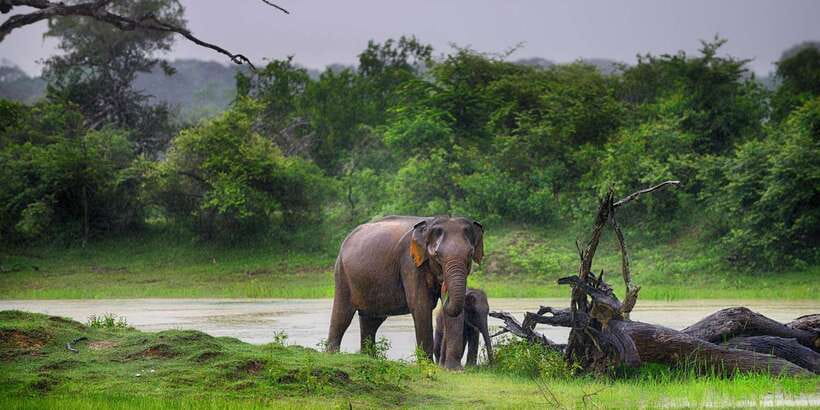
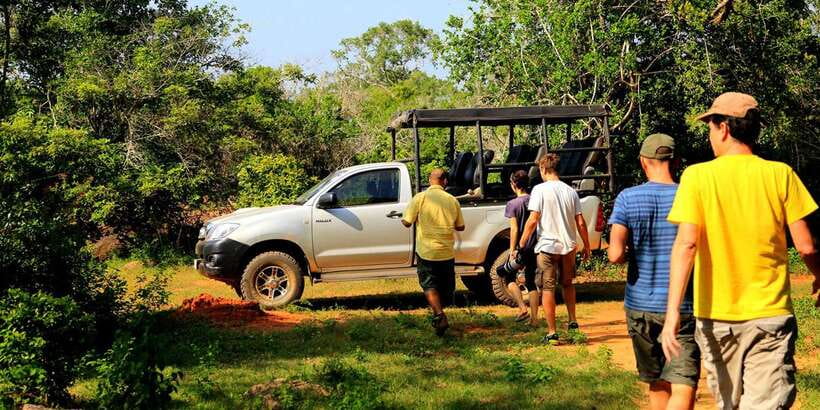
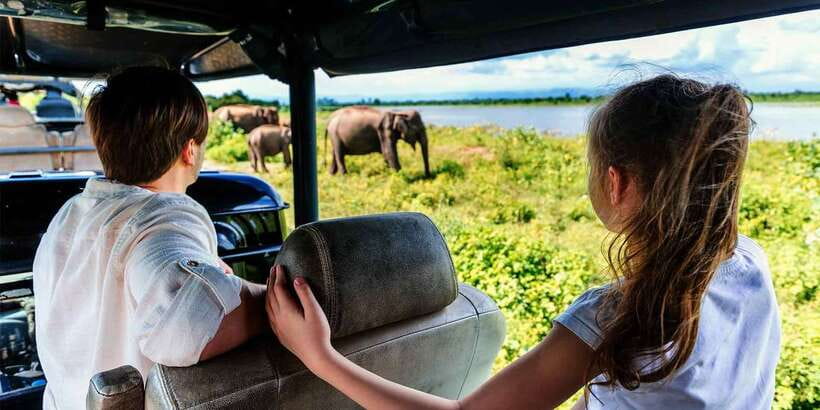
After the Transit Home, you continue to Udawalawe National Park for the jeep safari. A professional driver or guide accompanies you, and the safari vehicle gives you a higher view across the park than a normal car.
The strongest feedback concerns guide Pathum. He is praised for answering questions, explaining animal species, and taking routes that differed from those used by other jeeps. That matters in a busy wildlife park. A quiet viewpoint gives you more room to watch animals and reduces the feeling of sitting in a traffic jam of safari vehicles.
Of course, no guide controls the animals. A skilled guide can read the park, share information, and improve your odds, but wildlife remains unpredictable. You may see elephants, crocodiles, pelicans, peafowl, monitor lizards, deer, monkeys, and other species. A leopard is possible but not guaranteed.
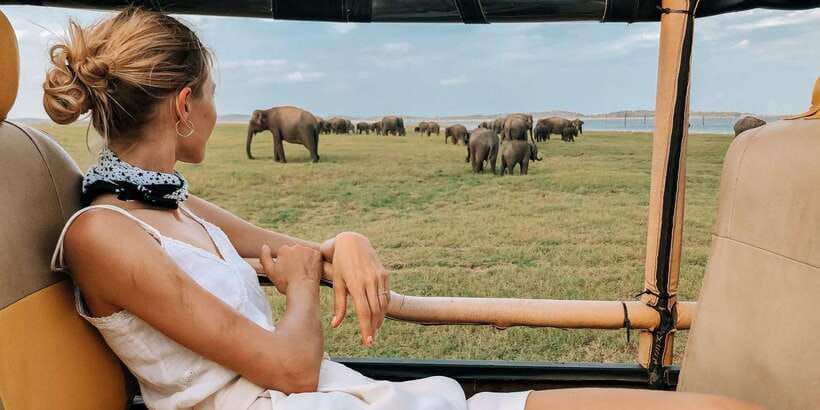
The elephant sightings appear to be the day’s main strength. One account describes many elephants close to the vehicle, including one that put its trunk into the van. That kind of encounter can be thrilling, but it is also a reminder to follow the guide’s instructions. Keep your hands inside when told, stay quiet near animals, and let the elephant choose the distance.
The park also gives you reasons to look beyond the largest mammals. Crocodiles can be hard to spot until you learn to notice the shape of a head near the water. Pelicans and other birds add movement to the open areas, while peafowl and monitor lizards offer smaller but memorable sightings. Ask Pathum or your assigned guide to explain what you are seeing rather than racing from one animal to the next.
More elephant orphanage visits:
- Udawalawe: National park safari & Elephant Transit Home Tour
★ 5.0 · 50 reviews - Private Half Day Tour: Udawalawe National Park with Elephant Transit Home Visit
★ 5.0 · 9 reviews - Udawalawe National Park Safari with Elephant Transit Home Visit
★ 4.5 · 7 reviews - From Kandy: Pinnawala Day Tour
★ 4.8 · 331 reviews
What the seven-hour schedule really means
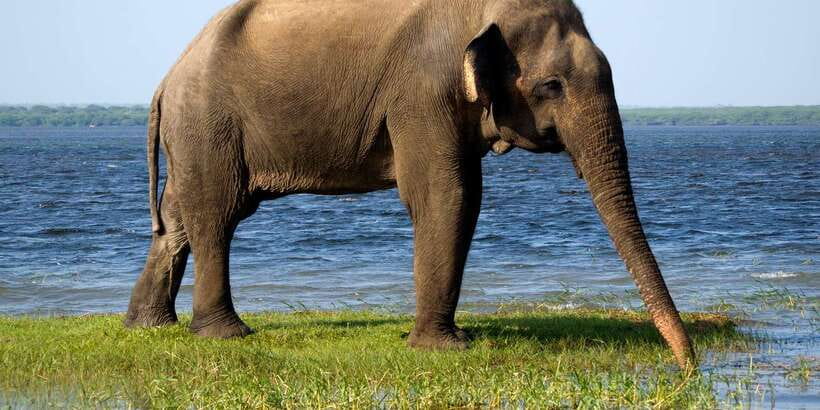
The advertised duration is seven hours. That is enough for a half-day wildlife outing, but it is not seven hours of uninterrupted safari time.
The journey begins with hotel pickup and a roughly two-hour drive to the first stop. You then spend about 30 minutes at the Transit Home before the national park safari and return transfer. The exact division of time is not provided, so you should expect a full day feeling even though the official duration is seven hours.
This format works best if you are staying on the south coast and want a straightforward package. Hotel pickup and drop-off remove the need to organize a separate vehicle, park entrance arrangements, and safari jeep. It is also useful if you are moving between coastal bases and want the activity handled by one provider.
It is less appealing if you dislike long drives or want a slow, full-day park visit. You are paying for transport as well as the safari. The convenience has value, but you should compare it with the cost and effort of staying closer to Udawalawe.
The schedule may also depend on where you stay. Hikkaduwa is farther from the park than Tangalle or Hiriketiya, while the southern pickup zone covers a wide stretch of coast. Ask for the exact pickup time and confirm that your hotel falls within the service area.
Is $67 good value?
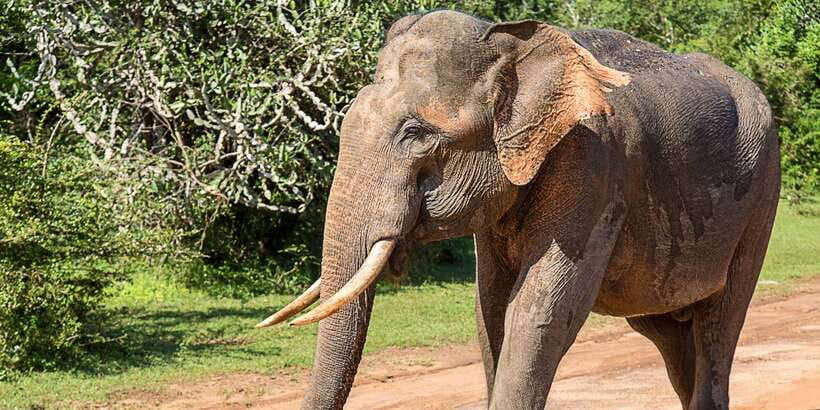
At $67 per person, the tour offers a useful bundle: air-conditioned transport, hotel pickup and drop-off, the park jeep safari, the Transit Home visit, and a professional driver or guide.
That price is not the full out-of-pocket cost because Udawalawe National Park entrance fees are excluded. Food and drinks are also extra. You need to budget for those charges before deciding that the trip fits your spending plan.
Even with that warning, the package can be good value if you are based on the south coast. A private or separately arranged transfer to Udawalawe, a safari jeep, and return transport can become complicated. Here, those parts are joined together, and the driver handles the road connection.
The value is strongest for you if convenience matters and you want elephants without changing hotels. It is weaker if you are already staying near Udawalawe or can arrange a cheaper local safari. In that case, paying for a long coastal transfer may not make sense.
I would ask two questions before paying: what exact entrance fee will be collected, and how much time is planned inside the park? The first affects your real budget. The second tells you how much of the day is wildlife viewing rather than transport.
Guide quality and the difference it makes
The people running the day have a large effect on the experience. Pradeep is praised for punctual hotel service, a friendly manner, and explanations during the drive. That is useful on a long transfer, where poor communication can sour the whole outing before you reach the park.
Pathum is named as a safari guide who answered questions and used less crowded routes. You should not assume he will lead every departure, but his example shows what to look for: a guide who explains animal behavior, watches the road carefully, and does not simply follow the largest cluster of jeeps.
The tour operates in English. If you want detailed explanations, tell the provider that this matters to you. The supplied information confirms English service, but it does not promise a specific guide for every date.
A good safari guide also helps you slow down. Seeing one elephant well can be better than driving past five animals in a hurry. Ask about what the animals are doing, not only their names. That is where a guided outing becomes more than a ride through a park.
Who should book this experience?
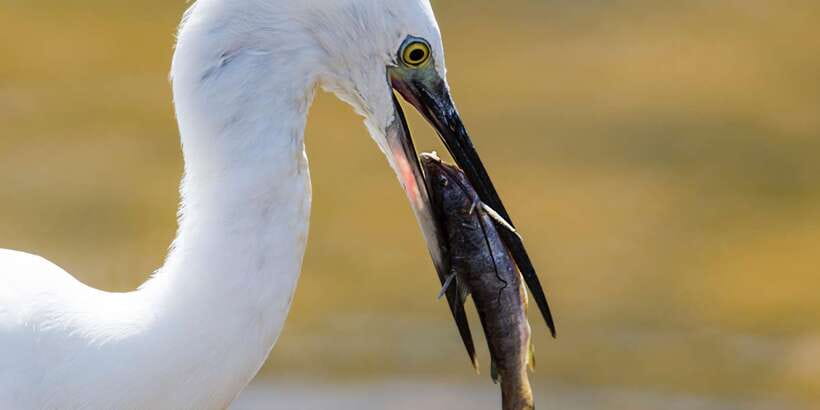
I would recommend this outing to you if elephants are a priority, you are staying in one of the listed south coast towns, and you want transport arranged from your hotel. Families may appreciate the easy pickup and the clear appeal of baby elephants, while first-time safari visitors benefit from a guide and dedicated jeep.
It also suits people who want a broad wildlife day. Crocodiles, wild boars, deer, buffalo, birds, peafowl, pelicans, monkeys, and monitor lizards may all appear, with a possible leopard sighting on top.
I would think twice if you are uneasy about captive wildlife feeding. The Transit Home visit is included and forms part of the plan, not an optional extra in the supplied details. The concern about sticks used during feeding is important enough to discuss with the operator before booking.
I would also reconsider it if you need a relaxed schedule. The coastal transfer, feeding visit, safari, and return ride pack a lot into seven hours. It is efficient, but not leisurely.
The free cancellation policy gives you some flexibility: you can cancel up to 24 hours ahead for a full refund. You can also reserve and pay later, which helps if your coastal plans are still moving.
Should you book the Udawalawe safari?
Book it if you want a convenient elephant-focused day from Sri Lanka’s south coast and accept the extra park fees. The strongest reasons are the large elephant population, the chance to see several other species, and the reports of guides such as Pradeep and Pathum making the road and safari portions run smoothly.
Before you commit, ask for the entrance fee, departure time, expected safari duration, and the exact arrangements at the Elephant Transit Home. If the welfare concern there troubles you, you may prefer a park-only safari arranged locally.
For many people, the wild safari is the real prize. The Transit Home adds a close view of baby elephants, while Udawalawe gives you the more meaningful experience of seeing animals in their natural setting. Know that distinction, budget for the excluded costs, and this can be a practical way to add a serious wildlife day to a south coast stay.
FAQ
Where does the tour pick me up?
Hotel pickup and drop-off are available in Hikkaduwa, Galle, Unawatuna, Thalpe, Ahangama, Weligama, Mirissa, Matara, Tangalle, and Hiriketiya areas.
How long is the tour?
The stated duration is seven hours.
How long is the drive to the Elephant Transit Home?
The drive from the south coast pickup area to the Elephant Transit Home takes about two hours.
Is the Udawalawe National Park entrance fee included?
No. The park entrance fee is not included in the package.
Is food included?
No. Food and drinks are not included.
What animals might I see in Udawalawe National Park?
Possible sightings include elephants, wild buffalo, spotted deer, barking deer, sambar, wild boar, hares, mongoose, crocodiles, birds, butterflies, and monitor lizards. The park also has many snake species and a possible leopard sighting.
How long is the Elephant Transit Home visit?
The feeding visit lasts about 30 minutes.
What language is the tour offered in?
The live tour guide service is in English.
Can I cancel or pay later?
You can cancel up to 24 hours in advance for a full refund. Reserve now and pay later is also available.
More Safaris in Udawalawa
- Udawalawe National Park — 4-Hour Private Jeep Safari (Pickup)
★ 5.0 · 161 reviews - Udawalawa National Park Safari Tour with Experienced Guides
★ 4.8 · 122 reviews - Udawalawe National Park Half Day Jeep Safari (Private Tour)
★ 5.0 · 112 reviews - Udawalawe National Park | Private Safari
★ 5.0 · 80 reviews
Recently listed around Udawalawa
- Udawalawe Private Safari with Picnic and Hotel Pickup★ 5.0 · 3 reviews
- Udawalawa National Park – 4*4 Private Safari Jeep Tour★ 4.7 · 3 reviews
- From: Hiriketiya/ Tangalle – Udawalawe Safari – To: Ella★ 5.0 · 3 reviews
- Colombo/Bentota: Safari Trip to Yala & Udawalawe w/ Picnic★ 3.9 · 3 reviews
- Udawalawe National Park 4 Hours Private Safari Tour★ 5.0 · 3 reviews
- Udawalawe : Udawalawa National Park Half day Safari Tour★ 5.0 · 3 reviews
- Everything in Udawalawe (Safari, Accommodation with Half Board)★ 5.0 · 4 reviews
- Batu’s Wild Safari Udawalawe★ 5.0 · 4 reviews
Udawalawe Tours, compared.
Udawalawe National Park | Private Safari Tour
Read our review →
National Park Safari & Elephant Transit Home Tour
Read our review →Udawalawe National Park — 4-Hour Private Jeep Safari (Pickup)
Read our review →
Udawalawa National Park Safari Tour with Experienced Guides
Read our review →Udawalawe National Park Half Day Jeep Safari (Private Tour)
Read our review →
Browse the lists this tour appears in