
Reviewed · PINNAWALA ELEPHANT ORPHANAGE
Tangalle/Hiriketiya: Udawalawa Safari & Elephant Orphanage
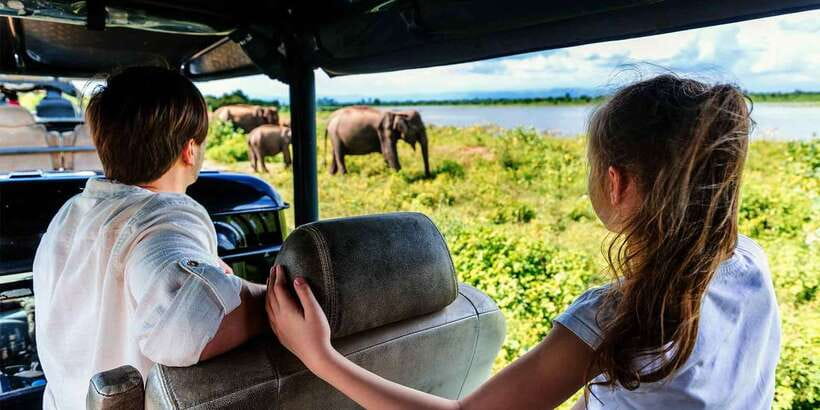
Udawalawe’s big draw is simple: wild elephants in open country, often close enough to make the safari feel immediate rather than staged. The day also includes a short visit to the Elephant Transit Home, where you can watch orphaned calves being fed.
I like the practical hotel pickup and drop-off, and I like the mix of a guided jeep drive with a chance to see the conservation work at the transit home. The main catch is the long road journey from Tangalle or Hiriketiya, plus the fact that park entrance fees are extra.
Key points to know before booking
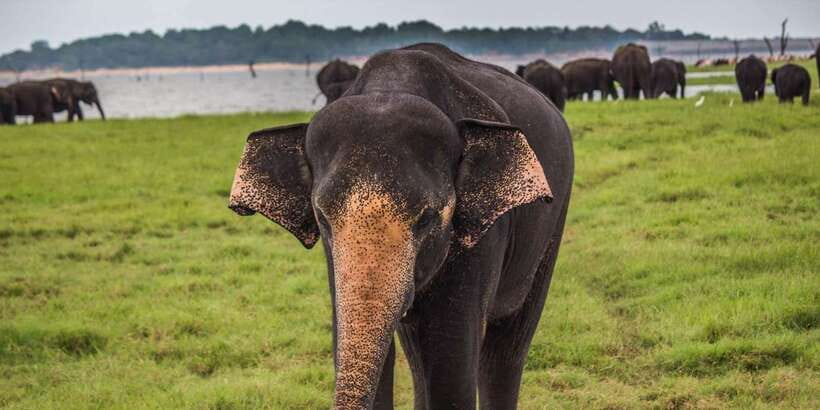
- Two very different elephant encounters: Watch orphaned calves receive their scheduled feed, then search for wild elephants inside Udawalawe National Park.
- A full seven-hour outing: The drive from Tangalle or Hiriketiya takes about two hours each way according to the planned schedule, so this is a substantial day trip.
- A proper jeep safari: You travel through the national park in a safari jeep with a driver-guide rather than simply visiting an animal enclosure.
- More than elephants: Possible sightings include crocodiles, wild buffalo, spotted deer, wild boar, sambar, monkeys, mongoose, birds, butterflies, and snakes.
- English-speaking assistance: The tour includes an English-speaking driver or guide. Pathum is specifically praised for driving and organizing the return transfer, while Shira is noted for explaining animal species.
- Budget for the park ticket: The $67 price covers transport, the jeep safari, and the transit-home visit, but not entrance fees.
Leaving Tangalle or Hiriketiya for Udawalawe
The tour begins with pickup at your hotel in the Tangalle or Hiriketiya area. You ride in an air-conditioned vehicle, a useful comfort on a day that includes a long road transfer before and after the safari.
The planned drive to the Elephant Transit Home takes about two hours. One account describes a trip of roughly 1.5 hours with a stop for coffee and hoppers, a very Sri Lankan touch that can make the transfer feel less like dead time. Still, you should plan for a sizable portion of the day in the vehicle.
That timing matters. The tour is advertised as seven hours, but the experience is not seven hours of wildlife viewing. It combines road travel, a 30-minute feeding visit, and the national park safari. If you are staying in Hiriketiya for only a night or two, check your schedule carefully before giving up a large part of the day.
Pickup and return to your hotel are valuable here. You do not have to arrange a separate driver, find the park entrance, or work out how to return after a dusty jeep ride. Pathum is singled out for being a good driver and for arranging the transfer back to Hiriketiya, which is useful if your transport needs change during the day.
More elephant orphanage visits:
- From Kandy: Pinnawala Day Tour
★ 4.8 · 331 reviews - Udawalawe: National Park Safari & Elephant Transit Home Tour
★ 4.9 · 183 reviews - From Colombo: Kandy Temples and Pinnawala Full-Day Tour
★ 4.6 · 144 reviews
The Elephant Transit Home feeding session
The first main stop is the Udawalawe Elephant Transit Home, also called the Elephant Orphanage in the tour title. The key difference from a zoo visit is the purpose: this is a place for orphaned baby elephants, and the feeding visit is tied to their care schedule.
You get about 30 minutes to watch and feed the young elephants. The timing is important because the calves are fed only three times a day, so a late pickup or an unexpected delay can affect what you see. One useful account notes that the schedule worked perfectly for seeing the feeding, which is a reminder to confirm the pickup time before you set off.
This stop gives the day an emotional lift. The young elephants are easy to watch, especially if you have children with you, and the feeding makes the visit feel active rather than like a quick photo stop. At the same time, you should keep your expectations sensible. This is a short, scheduled visit, not an open-ended animal encounter.
The tour description says you feed baby elephants, but it does not specify the exact feeding procedure, distance, or group size. Follow the instructions given on site rather than assuming you can approach the animals whenever you wish. The animals are still being cared for, and the routine comes before photography.
I like the way this stop pairs with the safari. At the transit home, you see elephants under human care. Later, inside the park, you look for elephants living in the wild. That contrast helps explain why the national park matters and why a safari is more than a search for a good photograph.
A jeep safari through Udawalawe National Park
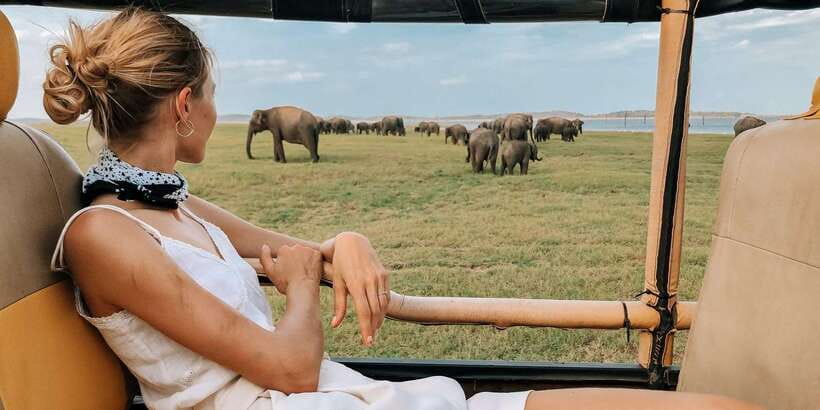
After the transit home, you continue to Udawalawe National Park for the main wildlife drive. The safari takes place in a jeep, with a professional driver or guide helping you follow the park roads and spot animals.
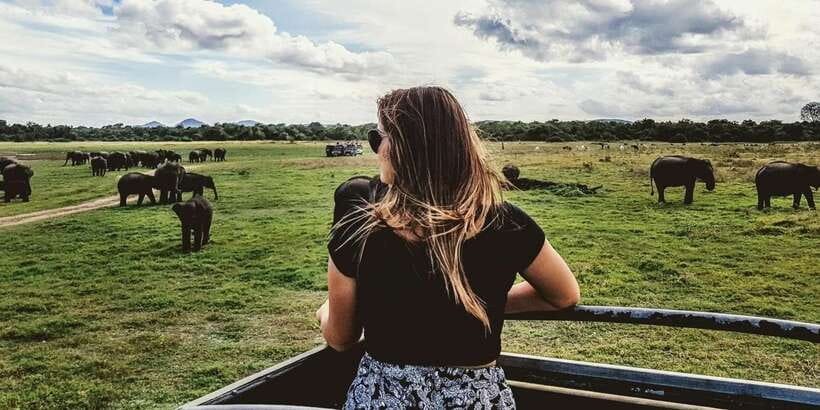
Elephants are the headline sight. Udawalawe has plentiful water sources, and the park supports large numbers of them. That does not mean a sighting is guaranteed at every turn, but it does make elephants the most realistic focus of the trip.
The strongest part of a good safari guide is not just naming an animal. It is noticing movement, reading the roadside, and explaining what you are seeing without turning every stop into a rushed photo session. Shira is praised for identifying species and sharing information, while Pathum is praised for driving and helping organize the day.
You may see wild buffalo, spotted deer, barking deer, wild boar, sambar, hares, mongoose, crocodiles, and monkeys. The park is also home to many bird species, about 50 species of butterflies, and 30 species of snakes according to the supplied tour information.
Those numbers are best treated as a sense of the park’s range, not a promise for one outing. A seven-hour trip cannot cover every animal or habitat. Your actual sightings will depend on the time of day, weather, water conditions, and where animals happen to be.
Crocodiles are one of the more memorable possible sightings. They can be easy to miss when they lie still near water, so the guide’s ability to spot small details matters. Wild boar and deer can also appear quickly, while birds may reward anyone willing to look beyond the elephants.
Why the safari works for more than elephant fans
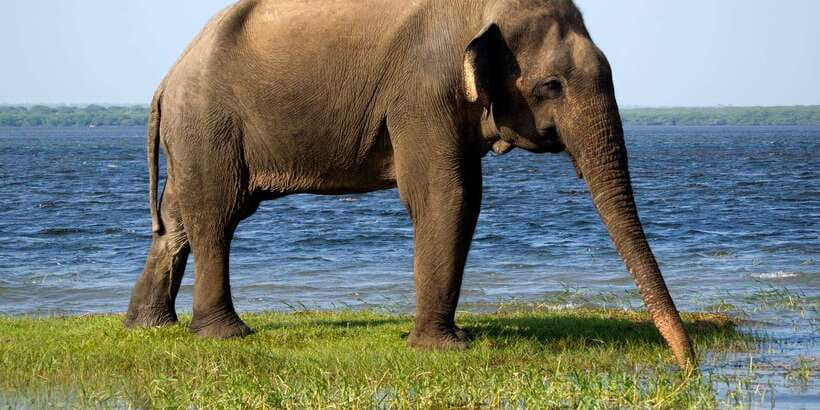
I would choose this trip for the variety as much as for the elephants. If you are interested in birds, reptiles, or smaller mammals, the drive gives you more to watch between elephant sightings.
The possible species list includes both familiar animals and less obvious ones. A crocodile on a bank offers a very different sight from a herd of elephants, while mongoose, hares, and barking deer add interest when the larger animals are out of view.
The park setting also changes the mood of the day. You are not moving from one animal enclosure to another. You are scanning open spaces, water sources, and roadside vegetation, waiting for movement. That uncertainty is part of the appeal, but it also means the experience cannot be judged only by the number of animals seen.
I like that the guide’s role is central. A driver who knows the park can make a real difference to your day, especially when animals blend into the surroundings. The available feedback gives specific praise to Pathum and Shira, though guide assignments can change, so you should not assume one particular person will lead every departure.
More Safaris in Sri Lanka:
- Udawalawe National Park | Private Safari Tour
★ 5.0 · 1,499 reviews - From Colombo: Sigiriya and Dambulla Day Trip with Safari
★ 4.7 · 842 reviews - Yala National Park Safari Tours: Morning/Evening/Full Day
★ 4.8 · 818 reviews - Udawalawe National Park: Elephant Safari with Expert Guide
★ 4.9 · 641 reviews
What the $67 price really covers
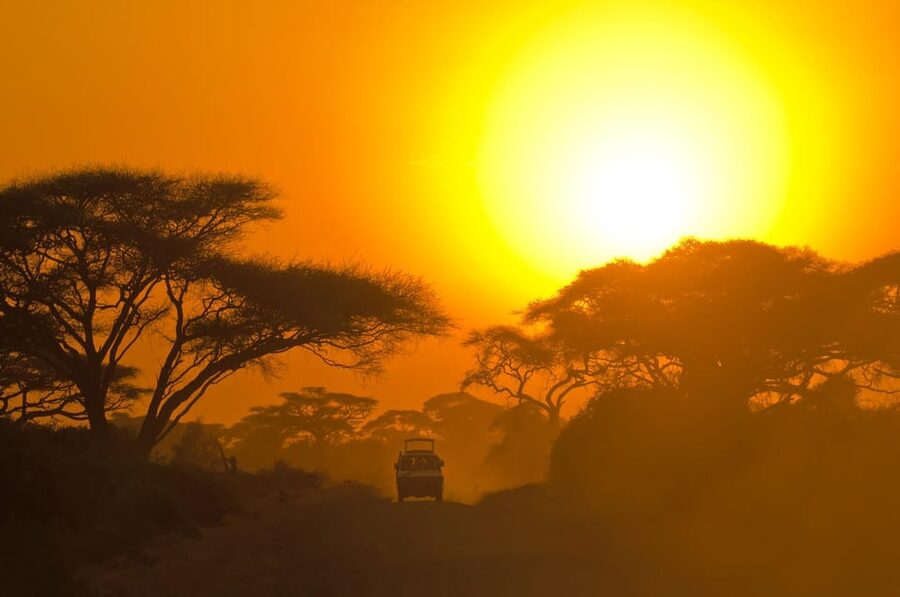
At $67 per person, this is not just a park ticket and a jeep ride. The price includes hotel pickup and drop-off, an air-conditioned vehicle, the safari jeep, the Elephant Transit Home visit, and a professional English-speaking driver or guide.
That makes the price more attractive if you are traveling without your own car or do not want to negotiate separate transport, park access, and a safari jeep after reaching Udawalawe. The return transfer is especially useful for a base in Tangalle or Hiriketiya, since the park is not next door.
The important extra cost is the entrance fee to Udawalawe National Park. It is not included, and the tour information does not state the amount. Ask for the current fee before booking so the total does not surprise you.
The value depends on what you want from the day. For a quick, low-cost outing, the long transfer may feel inefficient. For an organized wildlife day with door-to-door transport, a scheduled elephant feeding, and a jeep safari, the package removes several hassles.
There is also a practical payment benefit: you can reserve now and pay later, and cancellation is free up to 24 hours before the start for a full refund. Those terms help if your beach plans depend on weather, though the day still needs to fit your wider Sri Lanka route.
Timing, delays, and the realities of a day trip
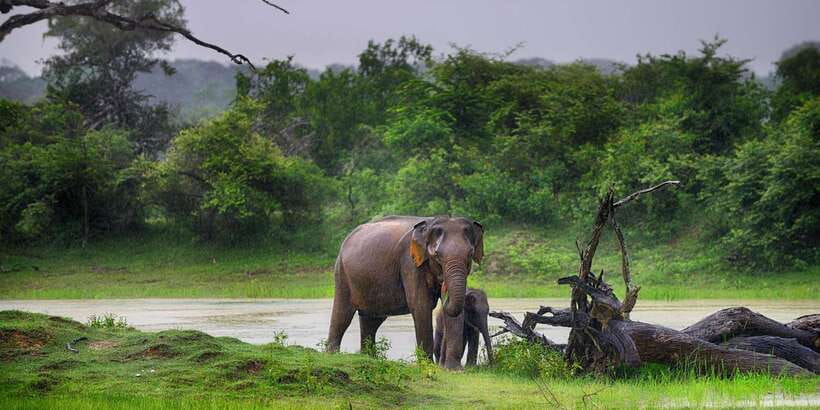
The advertised duration is seven hours, with starting times checked at booking. Since the route includes a long drive, punctuality matters more than it would on a short town excursion.
One reported problem was a transfer more than an hour late. The overall day still worked out well, but a delay can matter because the elephant feeding happens at set times. If you have a train, airport transfer, or fixed dinner reservation afterward, leave plenty of room.
I would confirm three things before departure:
- Your exact pickup time and hotel location
- The feeding time at the Elephant Transit Home
- How the extra national park entrance fee will be handled
A stop for coffee and hoppers may be possible, as one outing included, but it is not listed as a guaranteed part of the tour. Treat it as a pleasant possibility, not part of the fixed schedule.
The air-conditioned vehicle helps during the road sections, but the safari itself takes place in an open-style jeep environment. The information provided does not specify the jeep type, seating arrangement, or group size, so ask if those details matter to you.
Who will get the most from this tour
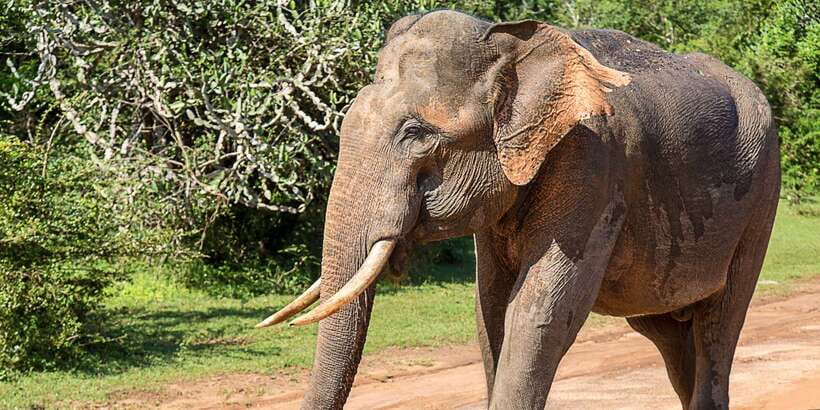
This is a good match for you if you are based in Tangalle or Hiriketiya and want a straightforward way to add a national park to a beach stay. It suits first-time safari visitors who want transport, guiding, and the park vehicle arranged in one booking.
Families may like the short baby-elephant feeding stop, while wildlife fans will appreciate the chance to look for crocodiles, birds, deer, and smaller mammals as well as elephants. The English-language guiding is useful if you want more than a silent drive through the park.
It is less suitable if you dislike early starts, long road transfers, or uncertain wildlife sightings. It is also not the best choice for someone seeking a slow, specialist birding trip, since the outing is built around a half-day safari and a fixed return transfer.
You should also think about the animal-welfare side of the transit-home visit. The elephants are orphaned calves under care, and the feeding is scheduled. Approach the stop with respect, follow staff directions, and see it as a short conservation-related visit rather than a chance for unlimited contact.
A practical verdict on the full experience

The strongest feature is the combination of two kinds of elephant viewing. You first see orphaned calves during their feeding routine, then search for free-ranging elephants in Udawalawe. Add crocodiles, deer, buffalo, boar, birds, butterflies, and other wildlife, and the day has more range than a single-animal outing.
The weak points are clear too. You spend a good deal of time on the road from Tangalle or Hiriketiya, the feeding schedule leaves little room for delay, and the park entrance fee is not included. A late transfer can put pressure on the morning.
If you value convenience and want one organized day, I think the $67 package offers fair value, provided you budget for the entrance ticket. If you have your own driver and prefer to control every minute, arranging a separate safari may give you more flexibility.
Should you book the Udawalawe day trip?
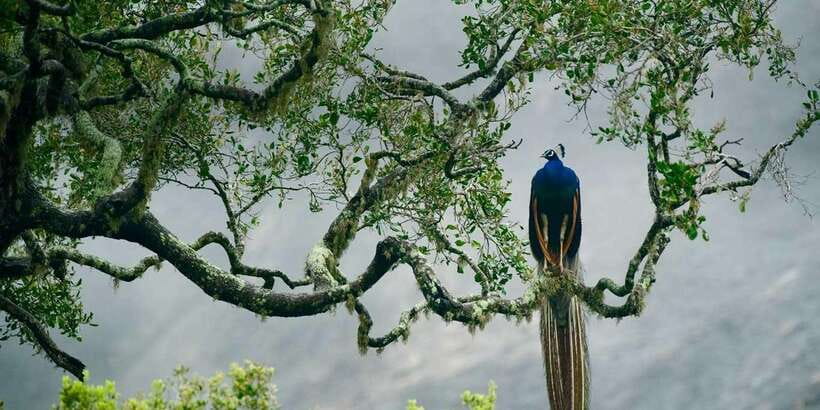
Book it if you want a simple route from Tangalle or Hiriketiya to one of Sri Lanka’s best-known elephant parks, with a baby-elephant feeding visit included. The praised driving, animal spotting, and personal explanations from team members such as Pathum and Shira add useful human support to a potentially complicated day.
Skip it if the road time feels too long for your holiday, or if you need a guaranteed tight schedule. Before paying, confirm the pickup time, feeding slot, and current park entrance charge. With those details clear, this is a strong choice for an elephant-focused wildlife day rather than a rushed beach excursion.
FAQ
Where does the tour start and finish?
Pickup and drop-off are provided at your hotel in the Tangalle or Hiriketiya area.
How long does the activity last?
The advertised duration is seven hours.
How long is the drive to the Elephant Transit Home?
The planned drive from Tangalle or Hiriketiya to the transit home takes about two hours. One trip was described as taking about 1.5 hours.
How long is the elephant feeding visit?
The feeding visit lasts about 30 minutes.
How often are the baby elephants fed?
The feeding schedule takes place three times a day.
Is the Udawalawe National Park entrance fee included?
No. The national park entrance fee is not included in the package.
Is a safari jeep included?
Yes. A jeep safari at Udawalawe National Park is included.
What animals might I see?
Possible sightings include elephants, crocodiles, wild buffalo, spotted deer, barking deer, wild boar, sambar, hares, mongoose, monkeys, birds, butterflies, and snakes.
Is the tour guided in English?
Yes. The activity includes an English-speaking live guide, driver, or guide.
Can I cancel the booking?
You can cancel up to 24 hours in advance for a full refund. You can also reserve now and pay later.
Recently listed around Sri Lanka
- Coastal Ride to Galle from Colombo★ 4.5 · 10 reviews
- One Day Udawalawe Safari from Galle/Mirissa/Unawatuna/Hikkaduwa★ 5.0 · 10 reviews
- Minneriya National Park Safari in a 4×4 Vehicle★ 4.5 · 10 reviews
- Ella: Safari Day Trip to Yala & Udawalawe with Lunch★ 4.7 · 10 reviews
- Sri Lanka Private Tour Pick Up & Drop Off – Colombo Intl Airport★ 5.0 · 10 reviews
- Sigiriya Village Tour and Lunch with Hotel Pick up from Sigiriya★ 5.0 · 10 reviews
- From Ella: Shuttle to Down South Any Location w Yala Safari★ 5.0 · 10 reviews
- Wasgamuwa: Wasgamuwa National Park Private 3-Hour Safari★ 4.9 · 10 reviews
Pinnawala Elephant Orphanage, compared.
National Park Safari & Elephant Transit Home Tour
Read our review →
Kandy to Pinnawala Orphanage and Ambuluwawa Guided Day Tours
Read our review →

Private Day trip Kandy & pinnawala with your selected attractions
Read our review →National park safari & Elephant Transit Home Tour
Read our review →
Browse the lists this tour appears in