
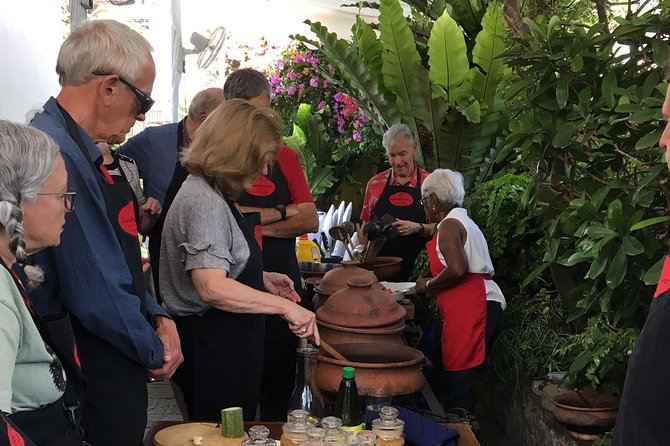
Reviewed · COLOMBO TOURS
3 hour cooking experience
Sri Lankan cooking is built around contrast: creamy coconut, sharp sambol, fragrant rice, and curries that range from gentle to warmly spiced. In this three-hour private class, Chef Mohara Dole brings those ideas together at her home and cooking studio in Sri Jayawardenepura Kotte, just outside Colombo.
I like two things right away. You cook a broad spread rather than learning only one dish, and you receive the recipes afterward so the class can continue in your own kitchen. The main consideration is the fixed morning-to-early-afternoon schedule, from 10:30 AM to 2 PM, and the $60 price may feel high if you want only a quick demonstration rather than a full meal and personal instruction.
Key points to know before booking
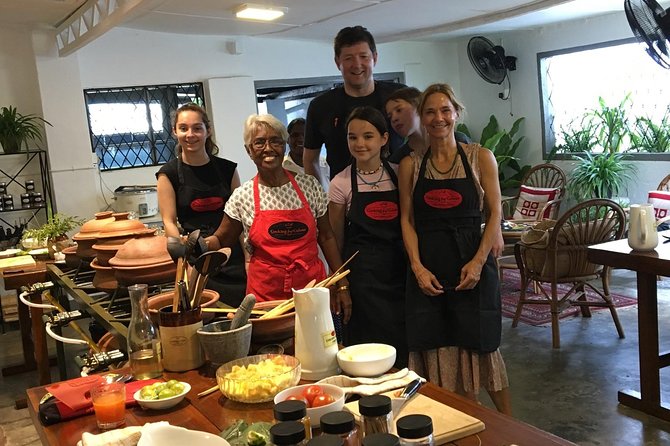
- Chef Mohara Dole leads the class: You cook alongside the host rather than simply watching from a seat.
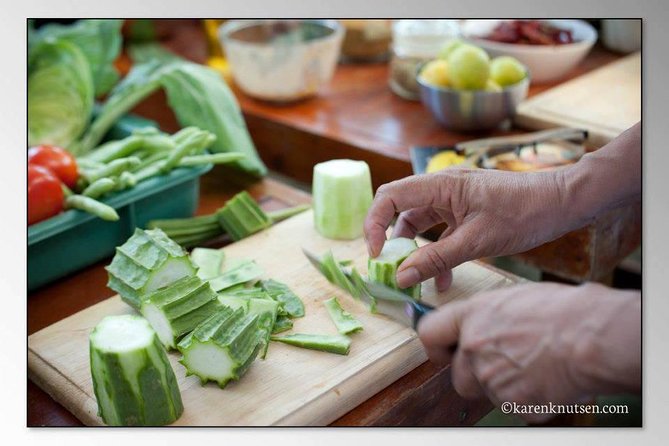
- Curries cover meat, fish, and vegetables: Possible dishes include chicken, seafood, eggplant, loofah, lotus root, and beetroot.
- Rice and sambol are part of the lesson: You work with basmati, red raw rice, samba, and traditional sambols.
- The setting is personal: The experience takes place at Mohara’s home and cooking studio, with only your group participating.
- Recipes are included: You can recreate the dishes after returning home, with the option to contact Mohara for guidance.
- The meal and nonalcoholic drinks are provided: Ingredients, dinner, bottled water, and soda are included, but alcohol costs extra.
Cooking Sri Lanka with Chef Mohara Dole
This is less a formal restaurant class and more a personal introduction to the way Sri Lankan food is put together. Mohara welcomes you into her home and cooking studio, then brings you to the stove as the meal takes shape.
That setting matters. Sri Lankan cuisine can look like a long list of dishes when you first encounter it: curry, rice, sambol, another curry, and perhaps another rice. In practice, the meal works because each part brings a different texture, color, heat, or degree of sweetness. A home-based lesson gives you a chance to see those parts as a connected meal.
The class is private, so only your group takes part. That makes the experience a good fit if you want to ask questions freely, work at your own pace, or avoid being folded into a large demonstration. It also means the quality of your experience depends heavily on what you want from the session. If you enjoy conversation and hands-on cooking, the personal format is a strong point. If you prefer a polished classroom with several instructors and printed stations, this is a simpler, more intimate setup.
More Cooking Classes in Colombo
- Colombo Cooking Class
★ 5.0 · 151 reviews - Market Tour and Hands-On Cooking Class Colombo
★ 5.0 · 140 reviews - Cooking Class Sri Lanka with Locals
★ 5.0 · 101 reviews
The 10:30 AM start and first look at the ingredients
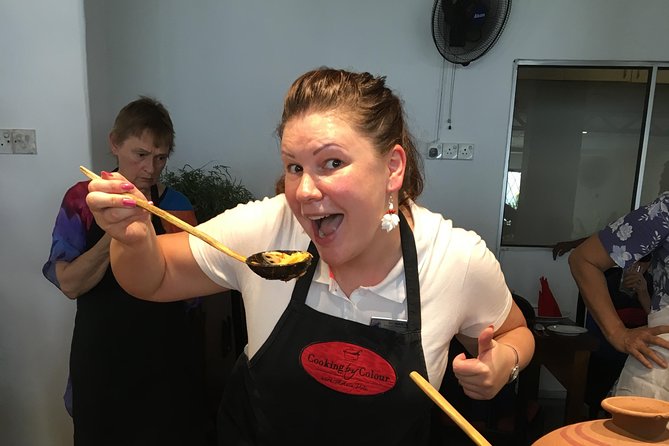
The scheduled visit runs from 10:30 AM until about 2 PM. You meet at 49 Park Lane in Sri Jayawardenepura Kotte, and the activity finishes at the same point.
The first stage is an introduction to the foods you will prepare. The selection can include vegetables such as loofah, eggplant, lotus root, and beetroot, along with chicken and seafood. The exact menu is not listed as a fixed set, so you should think of the class as a broad lesson in Sri Lankan cooking rather than a guarantee of every named dish.
That variety is one of the best reasons to book. You are not focused on one curry while the rest of the meal remains a mystery. You get a look at how different ingredients respond to spices and cooking methods. A watery vegetable, a firm lotus root, a sweet beetroot, chicken, and seafood all require different handling. Even without taking a separate lesson for each dish, the range helps you understand why Sri Lankan meals are so varied.
I would pay close attention to the preparation choices here. The useful lesson is not only which ingredients go into a pot, but how a vegetable or protein changes the balance of the meal. The recipes give you a reference later, but the demonstrations at the stove show you the practical rhythm that a recipe alone cannot always explain.
At the stove: curries with meat, fish, and vegetables
The class is designed as a demonstration with hands-on participation. You join Mohara at the stove as the dishes are prepared, rather than watching the entire meal from a distance.
Curries form the heart of the session. You may work with vegetable preparations such as loofah, eggplant, lotus root, and beetroot, as well as chicken and seafood dishes. This is useful for anyone who has mostly encountered Sri Lankan food through one familiar curry. The lesson presents the cuisine as a family of dishes, not a single sauce poured over rice.
The meat, fish, and vegetable mix also gives the class a practical edge. You can see how a meal gains balance from several curries instead of relying on one main course. A vegetable curry can bring sweetness or softness, while chicken or seafood adds a different texture and depth. The exact combinations are not promised, so keep some flexibility about the final menu.
The class also appears suited to cooks who want tips they can use at home. One previous participant specifically praised Mohara’s enthusiasm and practical guidance, and later used the recipes at home. That is an important detail. A cooking class is only good value if you can remember and repeat what you learned, and this experience is built around that follow-through.
Rice, sambol, and the balance of a Sri Lankan meal
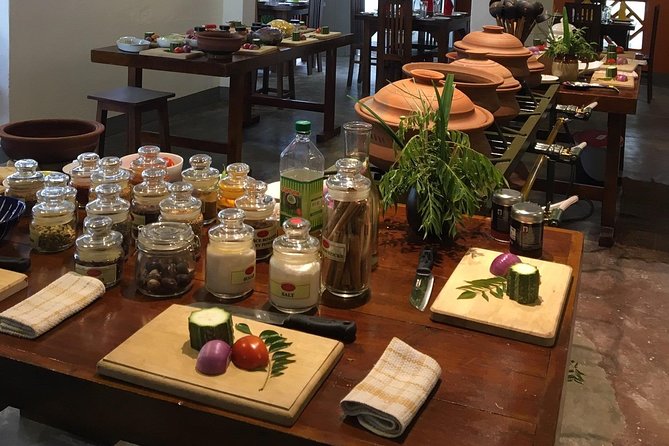
Rice is not treated as a plain side dish here. You learn about several varieties, including basmati, red raw rice, and samba. Each gives the meal a different character, and learning the names alone is useful when you shop for ingredients after your trip.
Sambols are another key part of the class. These spicy or sharp accompaniments help keep a meal from becoming heavy, especially when several curries are served together. They add a fresh counterpoint to the cooked dishes and show how Sri Lankan food handles balance through small portions with strong flavor.
This is where the class offers more than a list of recipes. You begin to see how rice, curry, and sambol work together on one plate. For you, that can make future Sri Lankan restaurant meals easier to understand. It can also help you recreate the meal at home without treating every dish as a separate project.
I especially like the emphasis on rice and sambol because visitors often focus only on curry. A class that includes all three parts gives you a better working picture of the cuisine. It also lets you adjust your effort at home. You might prepare one curry with rice and sambol for a weeknight meal, or build a larger spread when you have more time.
A different sort of day out of Colombo:
- Colombo: Private Tuk-Tuk City Tour with All Entry Fees
★ 4.9 · 2,154 reviews - Sri Lanka Personal Tour Driver in private vehicle
★ 5.0 · 747 reviews - Colombo Tuk Tuk City Tour -Sightseeing Entry Fees & Food Included
★ 5.0 · 678 reviews - Udawalawe National Park: Elephant Safari with Expert Guide
★ 4.9 · 641 reviews
From cooking lesson to shared meal
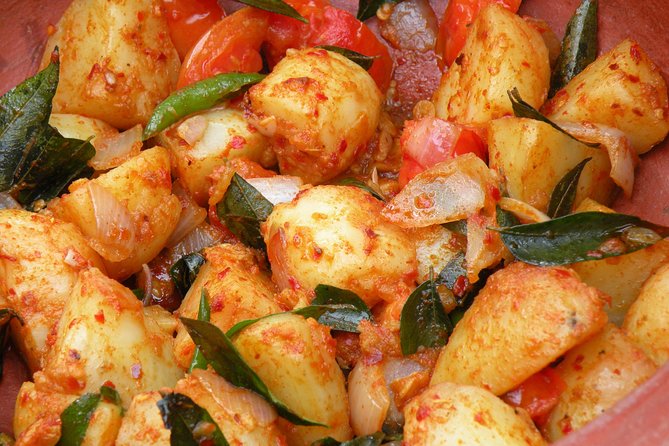
Once the cooking is complete, you share the Sri Lankan meal you have prepared. Dinner is included in the price, along with all ingredients, bottled water, and soda.
The meal is an important part of the experience, not just a free extra. You taste the dishes together and see how the flavors change when rice and sambol are added. You also get a chance to judge the results of your own work while the instructions are still fresh.
There is a small scheduling oddity to note. The listed hours run from late morning to early afternoon, while the inclusions describe dinner and ingredients for lunch or dinner. I would confirm the meal timing when booking if that detail matters to you. The provided schedule clearly places the class between 10:30 AM and 2 PM, but the wording around lunch and dinner is not perfectly precise.
Alcoholic beverages are not included. Bottled water and soda are provided, so you will not need to plan for basic nonalcoholic drinks, but budget separately if you want wine, beer, or spirits.
Why the home and studio setting matters
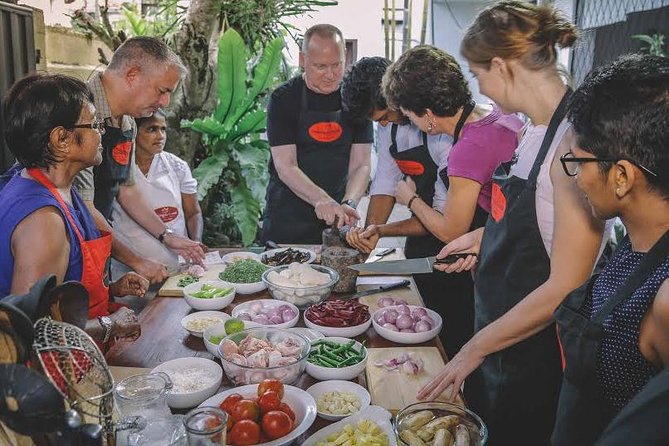
The home and cooking studio setting gives this class a more personal feel than a large culinary school. You are meeting the cook in her own working environment, and the class is limited to your group.
That can make the cultural side of the experience more meaningful. You learn not only what to cook but how one local host presents her food and explains its place in daily life. Mohara’s personal approach was one of the most praised parts of the experience, along with her enthusiasm for sharing cooking tips.
The tradeoff is that a home setting may be less structured than a commercial cooking school. The available information does not specify the size of the kitchen, the number of cooking stations, or the precise order of every dish. I would book this for the personal connection and breadth of food, not for a highly standardized professional kitchen setup.
The location is near public transportation, which helps if you are making your own way there. The meeting and ending point are the same, so you do not need to arrange a separate return transfer after the meal.
What you get for $60
At $60 per person, the value depends on how much you want from a cooking experience. You are paying for about three hours of instruction, a private group format, a complete meal, all cooking ingredients, nonalcoholic drinks, and recipes to take home.
That is a fair package for someone who wants an active cultural experience rather than a simple restaurant meal. The recipe collection adds lasting value, especially if you actually cook from it later. One participant had already been using the recipes afterward and contacted Mohara for guidance, which suggests the class can remain useful beyond the afternoon itself.
The price is less compelling if your main goal is to taste Sri Lankan food with no cooking involved. A restaurant meal will usually take less time and require less effort. You should also remember that alcohol is separate, and the menu is not presented as a guaranteed fixed list.
For couples, families, and small groups, the private format may justify the cost. You get the full attention of one host and avoid sharing the session with strangers. Solo visitors should consider the same price in relation to the private setup, since the available information does not state that the cost changes by group size.
Who will enjoy this most
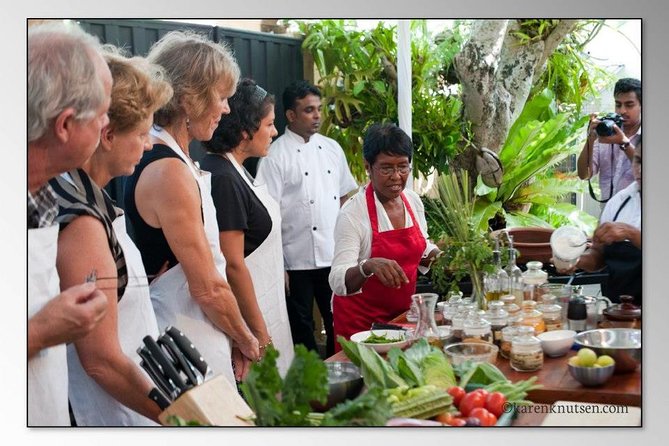
I would recommend the class to food lovers who want to understand Sri Lankan cooking from several angles at once. It suits you if you enjoy helping at the stove, tasting as you go, and asking questions about ingredients and methods.
It is also a strong choice for home cooks. The recipes mean you can continue the experience after your trip, and the mix of curries, rice, and sambols gives you more than one dish to practice. The class could be especially useful if you have tried Sri Lankan food in restaurants but have never understood how the separate parts of the meal fit together.
Couples and small private groups are likely to appreciate the format most. The activity is private, and the home setting creates space for direct conversation with Mohara. Families should check that the three-hour cooking format suits everyone in the group, since the experience is built around learning and participating rather than simply eating.
You may want to skip it if you dislike demonstrations, cannot take part at the stove, or want a tightly specified menu in advance. The named dishes are examples of the foods covered, not a guaranteed final menu.
Practical details that can affect your choice
Confirmation is provided when you book. The activity operates Monday through Sunday from 10:30 AM to 2 PM, with dates currently listed through November 27, 2026.
The meeting point is 49 Park Lane, Sri Jayawardenepura Kotte, Sri Lanka. The experience ends back there, and the location is near public transportation. Since the tour does not include a separate transfer service in the provided details, plan your route to and from the meeting point in advance.
The mobile ticket is convenient for keeping the booking on your phone. Free cancellation is available if you cancel at least 24 hours before the local start time. Cancellations or changes made inside that 24-hour window are not accepted for a refund.
Should you book Cooking By Colour?
Book this class if you want a personal, hands-on introduction to Sri Lankan food, with enough variety to understand curries, rice, and sambols as one meal. Chef Mohara Dole’s home and cooking studio, the private group format, and the recipes for later use make it more useful than a brief cooking demonstration.
Think twice if you want a fixed menu, an evening activity, or a low-cost meal with no instruction. The $60 price makes the most sense when you value the three hours of participation and plan to use the recipes afterward. For a curious cook who wants to take a piece of Sri Lanka home, this is a well-focused choice in the Colombo area.
FAQ
How long does the cooking experience last?
The experience lasts approximately three hours. The scheduled hours are 10:30 AM to 2:00 PM.
Where does the class meet?
You meet at 49 Park Lane, Sri Jayawardenepura Kotte, Sri Lanka. The activity ends back at the same meeting point.
Who leads the cooking class?
Chef Mohara Dole leads the experience through Cooking By Colour, Sri Lankan Cuisine with Mohara Dole in Colombo.
What types of food will I learn to make?
The class covers traditional Sri Lankan curries, rice, and sambols. Dishes may include loofah, eggplant, lotus root, chicken, seafood, and beetroot curries, along with basmati, red raw rice, and samba.
Is the cooking experience private?
Yes. This is a private activity, and only your group participates.
Are food and drinks included?
Yes. The ingredients and meal are provided, along with bottled water and soda. Alcoholic beverages are not included.
Can I cancel for a full refund?
Yes, if you cancel at least 24 hours before the experience start time. Cancellations or changes made less than 24 hours before the start are not refunded or accepted.
More three hour outings in Colombo
- 3 Hour Private Colombo Street Food Tour
★ 5.0 · 13 reviews - Exclusive 3-Hour Private Jeep Safari at Udawalawe National Park
★ 5.0 · 21 reviews - Hurulu Eco Park: 3-Hour Morning or Evening Safari
★ 4.9 · 11 reviews - Wasgamuwa: Wasgamuwa National Park Private 3-Hour Safari
★ 4.9 · 10 reviews
Recently listed around Colombo
- Safari Day Tour to Sigiriya Lion Rock and Golden Cave Temple★ 5.0 · 3 reviews
- Sigiriya & Dambulla Day Tour★ 5.0 · 3 reviews
- Shore Excursion Colombo Port to Mount Lavinia Beach & Colombo city For 4 – 6 Pax★ 4.5 · 3 reviews
- Explore The Colombo City by Private Tuk Tuk or Car★ 4.7 · 3 reviews
- Private day tour to Sigiriya and Dambulla from Colombo★ 5.0 · 3 reviews
- Day Excursion to Yala National Park From Colombo★ 4.5 · 3 reviews
- Colombo: Lotus Tower Celebration Dining Experience with Cake★ 4.4 · 3 reviews
- Airport Taxi Transfers from Colombo Airport to Sigiriya★ 4.5 · 3 reviews
Colombo Tours, compared.
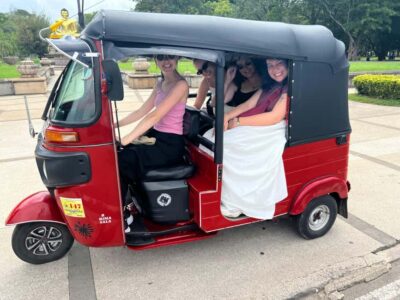
Private Tuk-Tuk City Tour with All Entry Fees
Read our review →
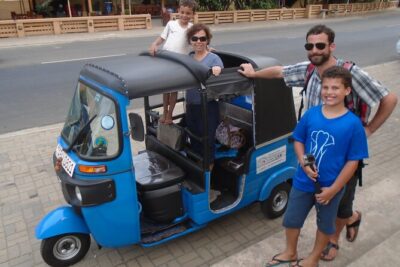
Colombo Tuk Tuk City Tour -Sightseeing Entry Fees & Food Included
Read our review →
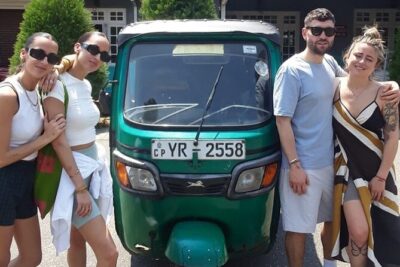
Colombo Private Tuk-Tuk City Tour with All Entry Fees Included
Read our review →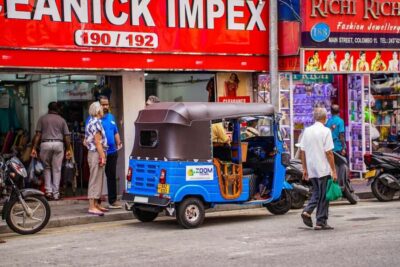
Private Tuk-Tuk City Tour with Guide & All Tickets
Read our review →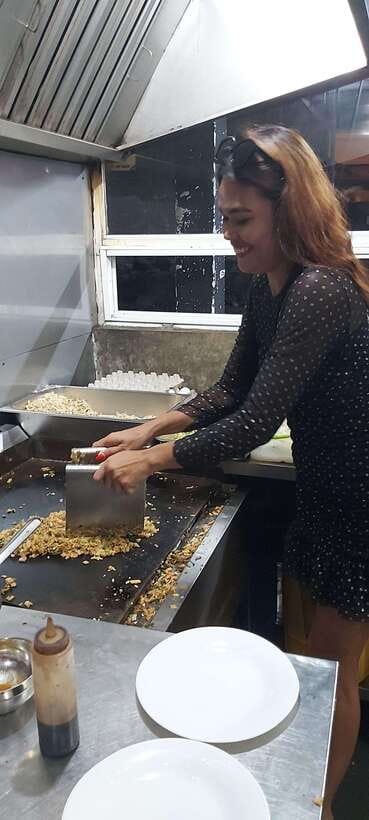
Colombo Local Food Tour by Tuk Tuk – All Inclusive
Read our review →Tuk Trip is Very Cheap in Colombo (All-inclusive ) city tour
Read our review →Browse the lists this tour appears in